
Insects in museum collections: Costa Rican biologists identify new species
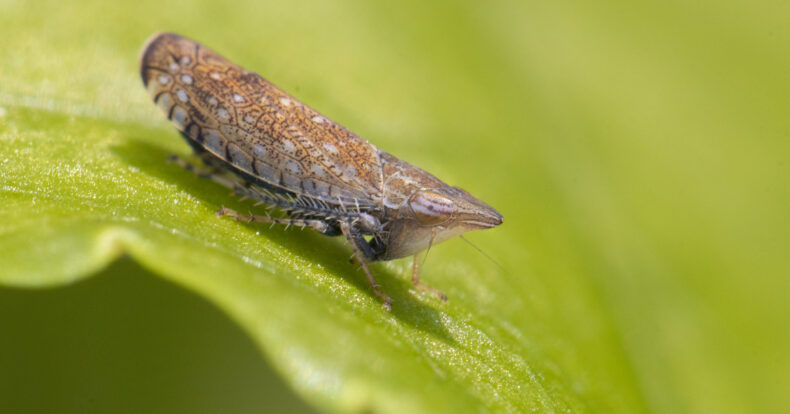

A group of biologists from the University of Costa Rica (UCR) has identified 16 new insect species after reviewing entomological collections that had remained unstudied for more than three decades. The finding also includes nine species recorded for the first time in the country, bringing the total number of species of the genus Scaphytopius known in Costa Rica to 29.
Research led by the University of Costa Rica
The research was led by Carolina Godoy and Andrés Arias-Penna, who began the analysis in 2023. They examined specimens preserved in the UCR insect museum and other scientific collections located in institutions in the United States. According to Godoy, much of the material had been stored for years without detailed identification.
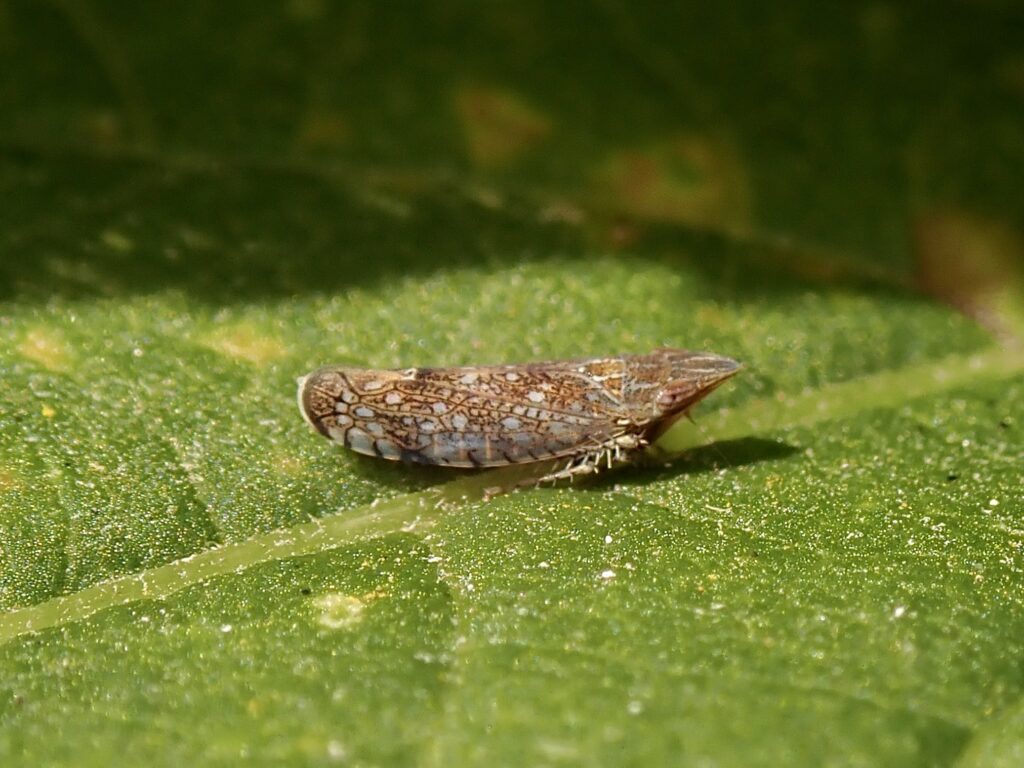
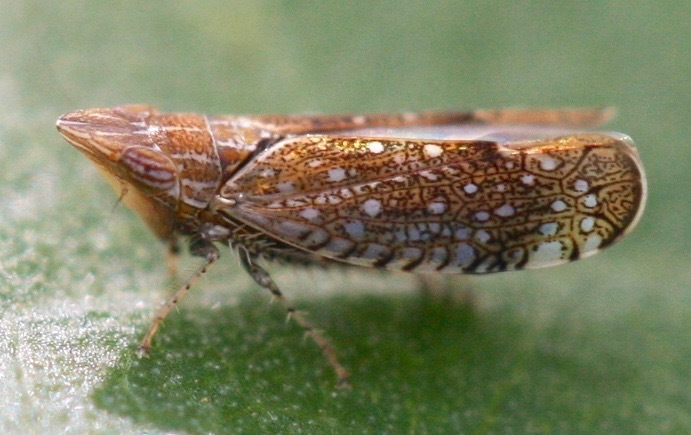
The insects studied belong to the leafhopper family, one of the largest on the planet. They feed on plants and move around by jumping, similar to small cicadas. Adults measure less than six millimeters, and their juvenile stages are even smaller.
Although they go unnoticed by most people, these insects perform important ecological functions and can serve as indicators of environmental conditions.
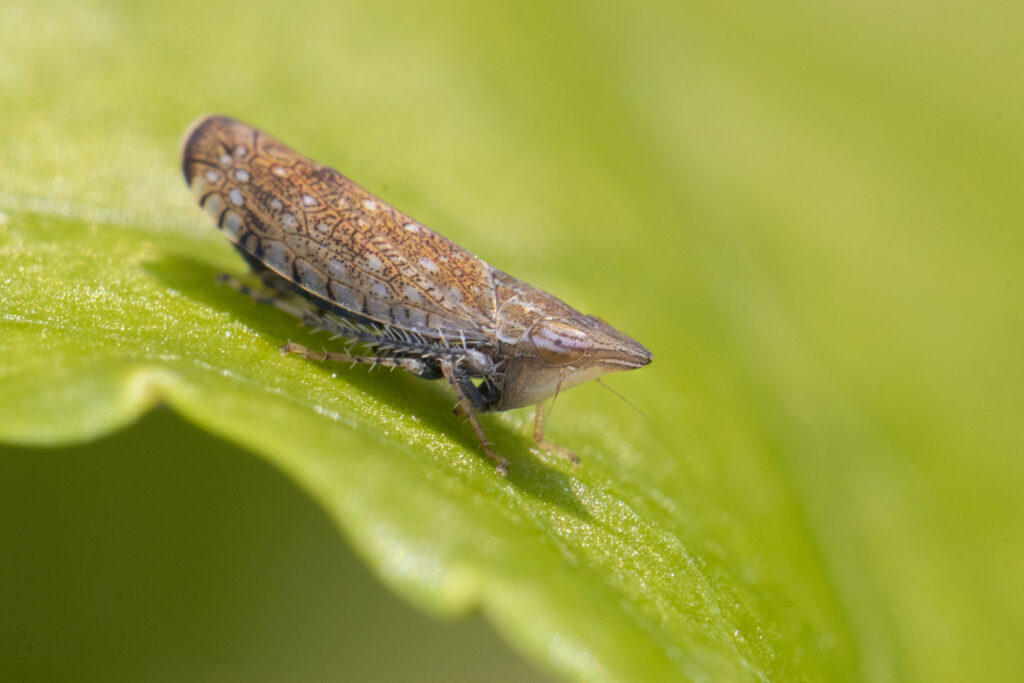
Biodiversity from the Caribbean to Talamanca
The new species were identified in regions of high biological richness in the country, such as La Selva Biological Station in Sarapiquí, the humid forests of the Caribbean, the Osa Peninsula, and the Talamanca Mountains.
Some scientific names refer to local elements or pay tribute to prominent scientists. Scaphytopius vulcanus refers to the Cacao volcano in Guanacaste, while S. hansoni honors biologist Paul Hanson. Other names, such as S. ancorus and S. viperans, evoke particular characteristics of their shape.
A scientific void that has existed since 1982
Prior to this study, published in the scientific journal Zootaxa in September 2025, records of the genus Scaphytopius in Costa Rica had not been updated since 1982, when only four species were reported. The new work fills a historical gap in knowledge of the group and demonstrates the scientific value of museum collections as active sources of research.
Andrés Arias-Penna, curator of the UCR insect museum, pointed out that these organisms can even be found in everyday environments.
Costa Rica, a natural laboratory yet to be discovered
The discovery reinforces Costa Rica’s role as a biodiversity hotspot, where even in protected and well-studied areas there are still unknown species. Researchers warn that the actual diversity of the group could be greater and stress the need to continue exploring and reviewing existing scientific material.
Beyond expanding global knowledge about insects, Godoy and Arias-Penna’s work contributes to conservation efforts by bringing little-studied groups to light. This finding demonstrates that science also advances through patient and meticulous review of the past, and that even the smallest organisms can reveal great stories about the country’s natural wealth.
Sensorial Sunsets
Navigate articles