
Costa Rican coffee: how altitude and density define its flavors

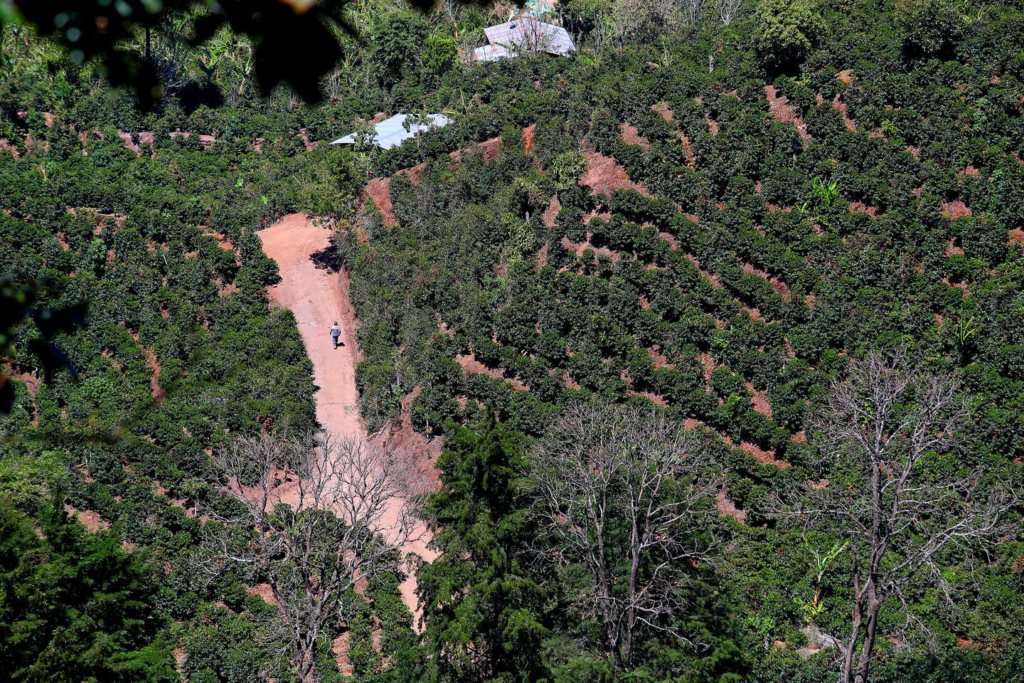
In Costa Rica, altitude is not just a geographical fact: it is one of the most decisive factors in the personality of each cup of coffee. Producers know this well. In regions such as Tarrazú and Los Santos, where farms range from 1,200 to over 1,800 meters above sea level, small changes in altitude translate into big differences in the flavor, aroma, and structure of the bean.
Altitude and coffee development in Costa Rica
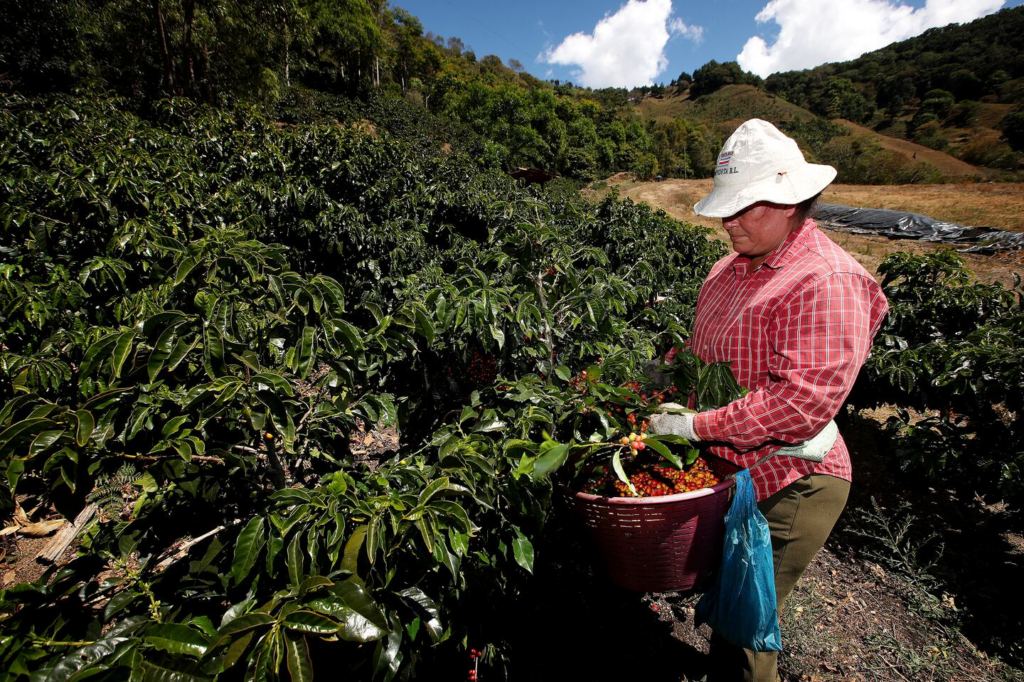
The coffee-growing areas of the country, as defined by the Costa Rican Coffee Institute (ICAFE), cover a variety of terrains in terms of climate, soil, and elevation. In general terms, the lower areas, below 1,200 meters, have warmer temperatures that accelerate the ripening of the cherry. In contrast, the higher areas, close to 1,800 meters, cool the process, allowing for a slower and more complex development of the bean.
The coffee-growing areas of the country, as defined by the Costa Rican Coffee Institute (ICAFE), cover a variety of terrains in terms of climate, soil, and elevation. In general terms, the lower areas, below 1,200 meters, have warmer temperatures that accelerate the ripening of the cherry. In contrast, the higher areas, close to 1,800 meters, cool the process, allowing for a slower and more complex development of the bean.
Lower altitude coffees: sweetness and balanced body
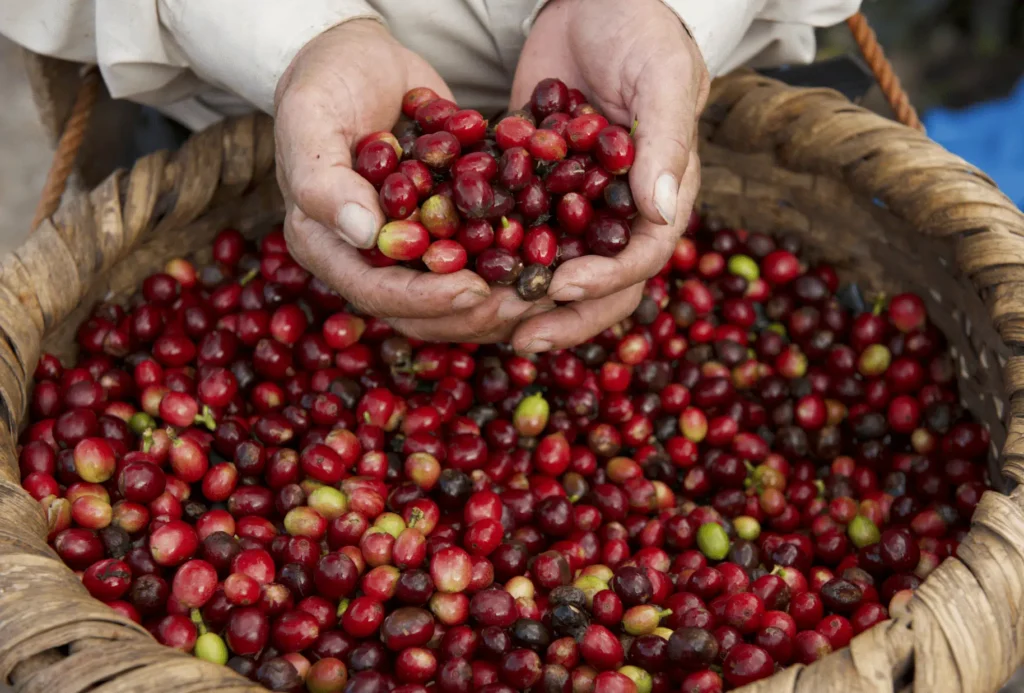
At elevations close to 1,200 meters, the constant heat causes the beans to ripen more quickly. The result is usually a medium-bodied coffee with an enveloping texture, with flavors reminiscent of caramel, honey, and milk chocolate. The fruity notes are milder, like ripe apple or pear, and the acidity is delicate and rounded.
These coffees are ideal for everyday consumption, especially for those who prefer mild profiles without sharp edges. Areas of the Central Valley or lower sectors of Los Santos produce this type of coffee, where the harvest can begin as early as August.
High-altitude coffees: bright acidity and greater complexity
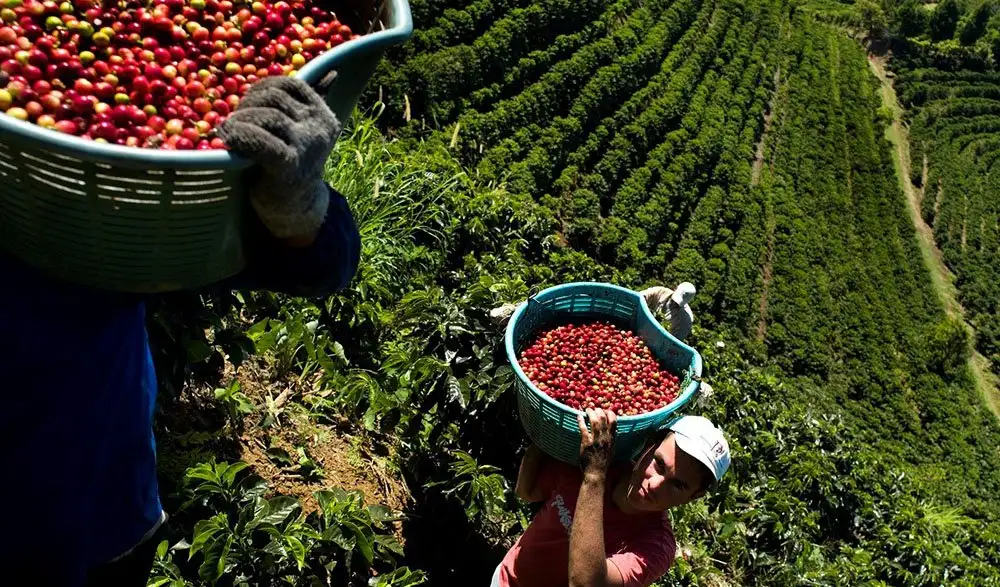
As you climb to 1,800 meters, the equation changes. Cooler temperatures slow down ripening, allowing the bean to develop greater density and internal complexity. These coffees tend to be harder, which influences both roasting and extraction.
In the cup, they stand out for their brighter, more defined acidity, with citrus notes, green apple, and clean, precise aromas. The body is lighter and more structured, with a clean, refreshing finish. This profile is often described as “crisp” or with a characteristic “snap.” In the higher areas of Tarrazú or Tres Ríos, the harvest can extend into May, reflecting this slower development.
General comparison by altitude
- 1,200 meters: flavors of caramel, honey, milk chocolate, ripe apple, and pear; medium density; mild acidity; balanced body; early harvest.
- 1,800 meters: citrus and fresh apple notes, clear aromas; high density; bright acidity; light and structured body; late harvest.
ICAFE groups the country’s seven coffee-growing regions based on factors such as altitude. Tarrazú, for example, is located between 1,350 and 1,700 meters above sea level and is known for its distinctly fruity coffees. Los Santos covers a similar range, which explains why coffees from the same area can be so different depending on the exact altitude of the farm. Reports from the U.S. Department of Agriculture confirm this pattern: low-altitude farms harvest earlier, while high-altitude farms progress more slowly.
Density, roasting, and processing
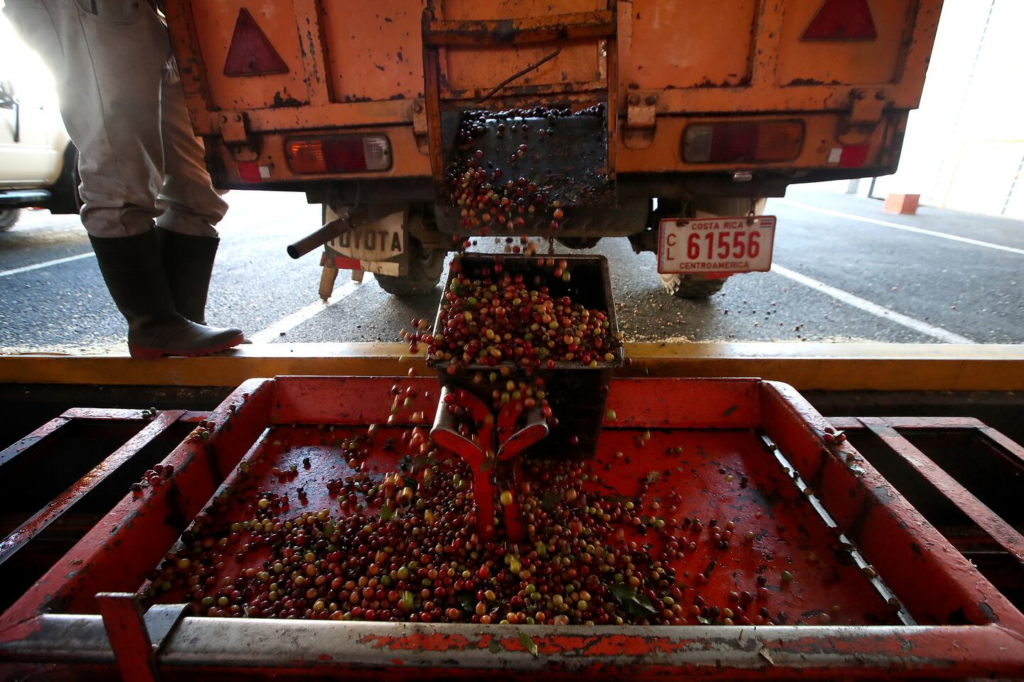
Bean density is key. Slow growth at high altitudes produces harder beans, which tend to offer greater flavor clarity, although they require precision in roasting and preparation to avoid overly thin cups. Beans from lower altitudes, being less dense, are easier to extract, but can become heavy if over-extracted.
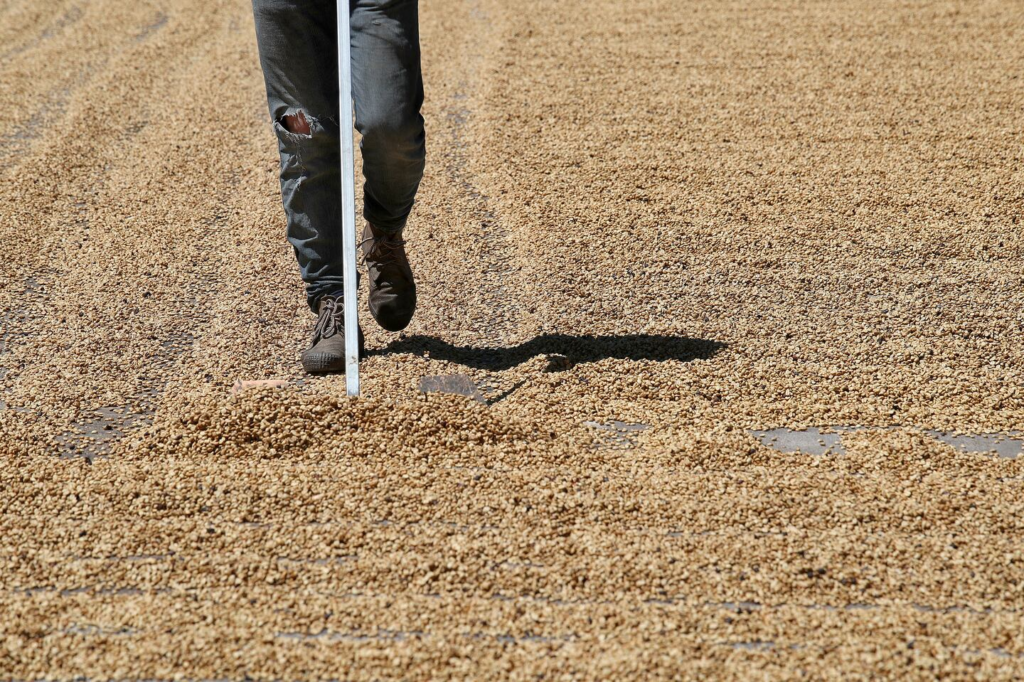
Coffee processing methods also add layers to the final profile. Washed coffees grown at high altitudes emphasize cleanliness and definition, while honey or natural processes, more common in lower areas, enhance sweetness and fruitiness. The level of roasting also has an influence: light roasts better preserve the characteristics associated with altitude, while dark roasts tend to soften them.
Choosing Costa Rican coffee based on altitude
For those looking for Costa Rican coffee, altitude is an excellent initial guide. Coffees grown at 1,200 meters tend to offer chocolatey and sweet profiles. Those grown at 1,800 meters stand out for their bright acidity and defined structure. Even so, factors such as harvest quality, farm management, and processing can alter the final result: a well-processed coffee from a lower altitude can surpass a poorly processed coffee from a higher altitude.
Adjustments to the preparation
Preparation methods are also adapted. High-altitude coffees that are very sharp benefit from finer grinds or longer extraction times. Lower-altitude coffees, if perceived as flat, improve with coarser grinds or shorter extractions. Traditional methods such as the pour-over allow these differences to be clearly perceived.
For those who wish to experience these variations at home, brewing coffee with a pour-over is one of the simplest and most authentic ways. The cloth filter produces a clean cup, but allows enough body and sweetness to come through so that the acidity, aroma, and effect of altitude are clearly expressed.
Sensorial Sunsets
Navigate articles