
Puntarenas: discovering the province

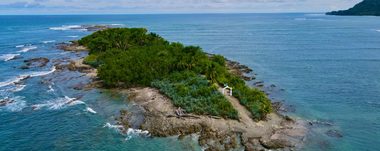
The province of Puntarenas stretches along most of Costa Rica’s Pacific coast. It extends from the Gulf of Nicoya and the southern tip of the Nicoya Peninsula, home to destinations such as Montezuma, Santa Teresa, and Mal País, to the Central Pacific, including Jacó, Herradura, and Quepos. It continues south through Dominical, Uvita, and Ojochal until reaching the impressive Osa Peninsula, where Puerto Jiménez and Drake Bay are located.
For what is Puntarenas known?
Known as the paradise of the Costa Rican Pacific, the province stands out for its extensive beaches ideal for surfing, especially in Santa Teresa, as well as for excursions to islands in the gulf such as Tortuga Island and San Lucas Island.
Among its main natural attractions are Manuel Antonio National Park, Corcovado National Park, Ballena Marine National Park, and the Monteverde Cloud Forest Biological Reserve. It is also a prime destination for whale watching, sport fishing, mangrove tours, and sunset catamaran cruises.
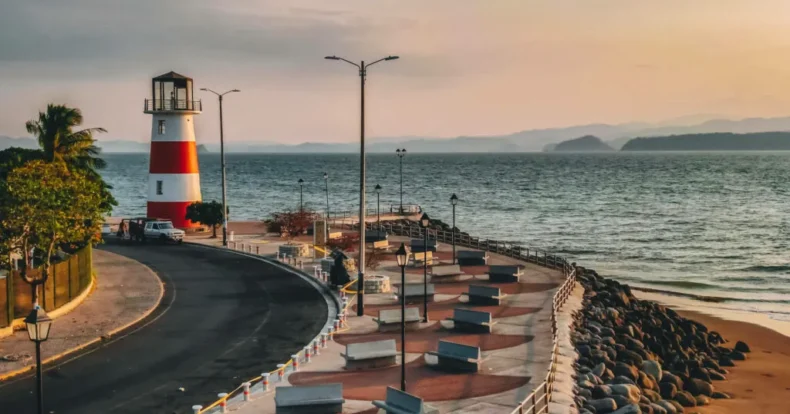
Imagine strolling along the waterfront, enjoying fresh ceviche, or savoring a traditional Churchill by the sea. The port city retains its coastal charm.
Quick facts about the province of Puntarenas
The largest province in Costa Rica
It has more than 800 kilometers of Pacific coastline, including oceanic islands such as the famous Cocos Island, considered one of the best diving destinations in the world.
Diverse landscapes
From the cloud forests of Monteverde to surfing beaches and the untouched rainforest of Corcovado National Park, it is one of the most biodiverse regions in the country.
Capital city
The city of Puntarenas is the provincial capital and the second largest port in the country, with an important history of fishing and coffee exports.
National parks worth visiting
In addition to those already mentioned, the province is home to Carara National Park, La Amistad International Park, and Piedras Blancas National Park, among other protected areas.
Extraordinary biodiversity
This area is home to scarlet macaws, howler and capuchin monkeys, sloths, toucans, green iguanas, dolphins, and whales, as well as four species of sea turtles that nest on its shores.
Adventure capital
Surfing, sport fishing, diving, canopy tours, and hiking are all part of the tourist offering. The Osa Peninsula and Corcovado National Park are considered to be among the last great wilderness refuges on the planet.
Population:
The province is home to approximately 400,000 inhabitants and occupies about 22 percent of the national territory, with less than 10 percent of the country’s total population.
Cities to visit in the province of Puntarenas
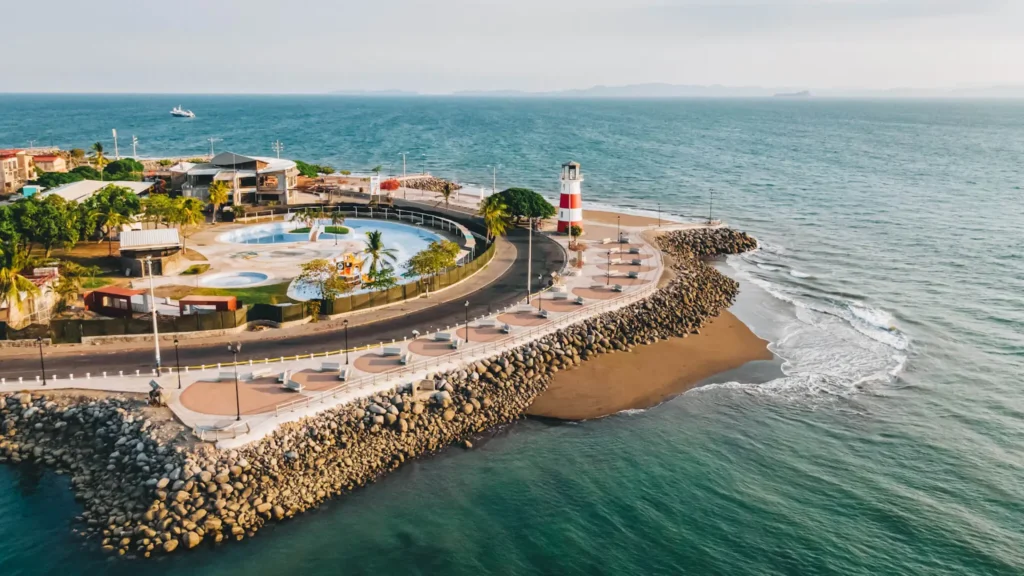
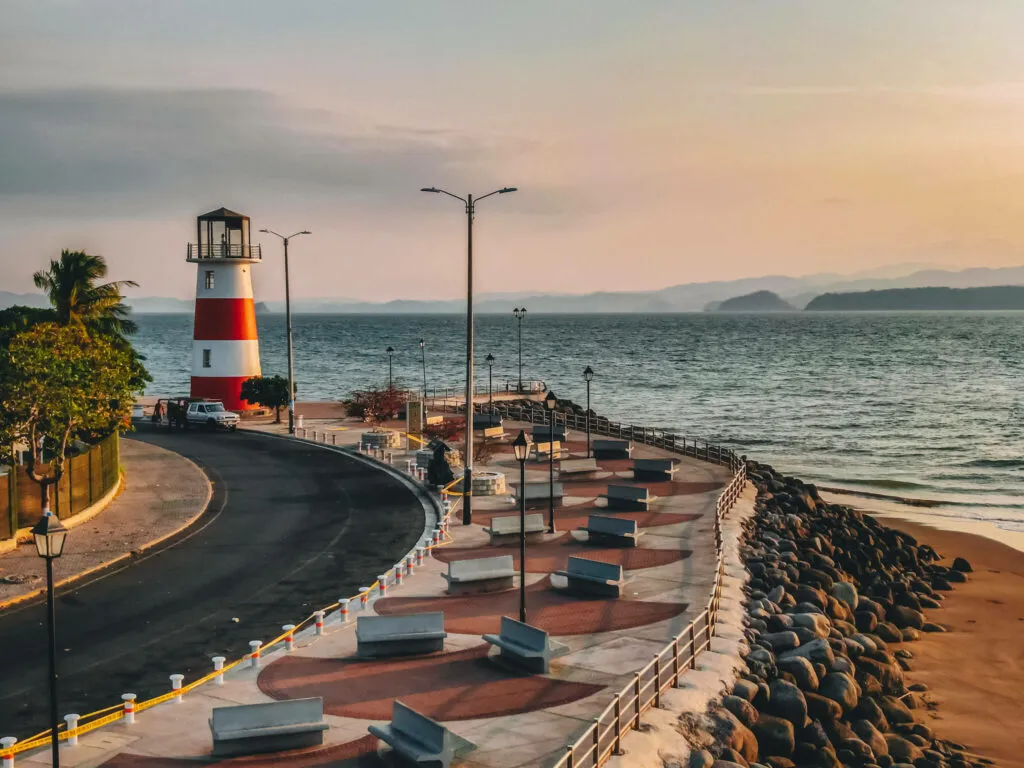
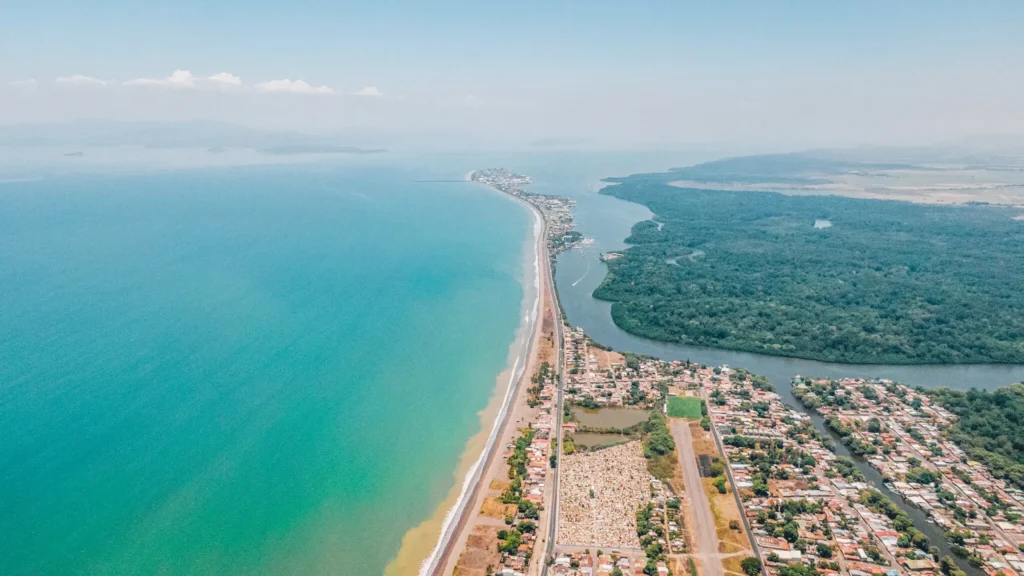
- Puntarenas City: Built on a narrow strip of sand, it is known for the Paseo de los Turistas, its ceviche stalls, and its traditional Churchills. Ferries depart from here to the Nicoya Peninsula.
- Quepos: The gateway to Manuel Antonio National Park, combining white-sand beaches, wildlife-filled trails, and a modern marina.
- Santa Elena: Center of the Monteverde region, ideal for canopy tours, suspension bridges, and night walks in the cloud forest.
- Santa Teresa and Mal País: Surfing towns with a bohemian atmosphere, long beaches, and a strong culture of wellness and yoga.
- Puerto Jiménez: Main access point to Corcovado National Park and starting point for exploring the rainforest and staying in remote ecolodges.
What to see in Puntarenas, Costa Rica, in one day?
- Discover the Paseo de los Turistas
- Visit the Marine History Museum
- Contemplate the Cathedral of the Sacred Heart
- Enjoy yourself in Blanca Beach
What to see in Puntarenas, Costa Rica, in two days?
- Visit Manuel Antonio National Park
- Escape to Los Negritos Island
- Trip to San José
- Discover the Pacific Marine Park
As one of the most visited regions in the country, there is plenty to see and do in Puntarenas, Costa Rica. Despite the small size of the city of Puntarenas, you will find several important places to visit.
Sensorial Sunsets
Navigate articles