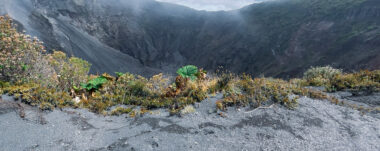

Isla Pájaros: a natural sanctuary in the Gulf of Nicoya
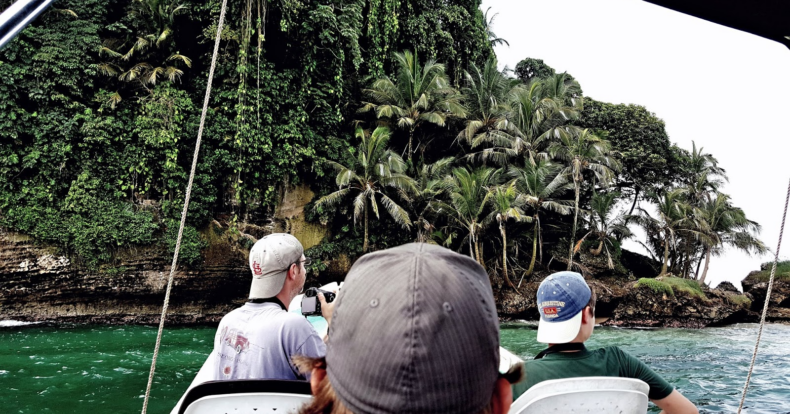

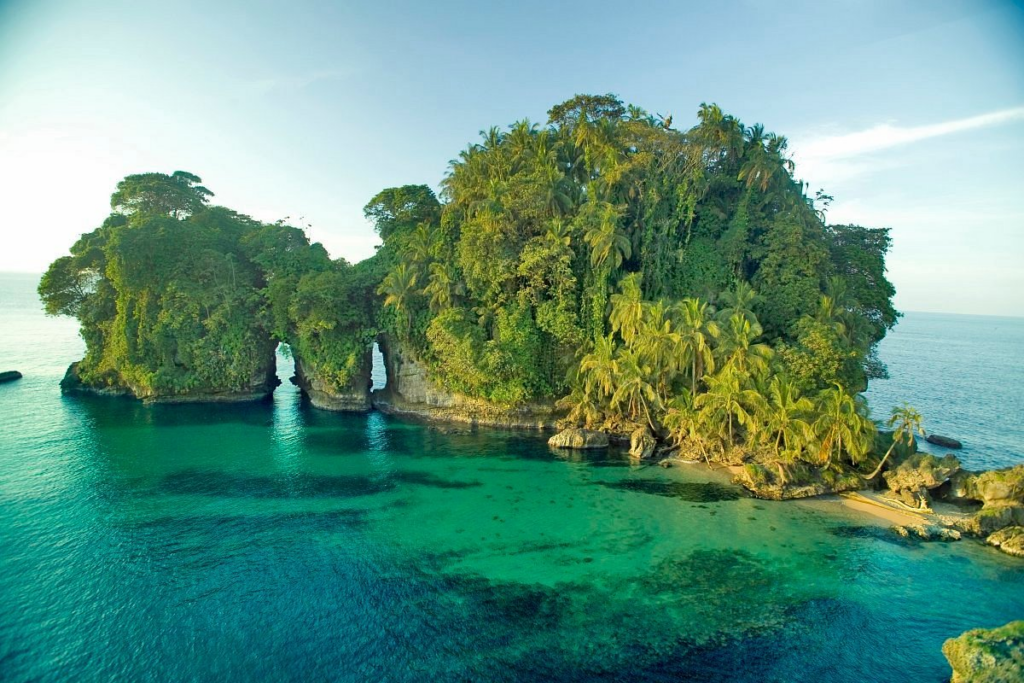
Located along the Costa Rican Pacific coast, Isla Pájaros is a small natural treasure that captivates visitors with its unique, almost perfectly round shape, resembling a dome emerging from the sea. Covering just 10 hectares, this island can be explored in a single afternoon, making it an ideal destination for those who want a brief but deeply enriching experience in contact with nature.
Geological origin and characteristics of the terrain
Isla Pájaros está compuesta principalmente de piedra arenisca y comparte los mismos minerales y sedimentos que la cercana Isla Guayabo. Su origen se debe a los movimientos tectónicos que dieron lugar a la formación de este abismo marino, creando un conjunto de islas de gran valor geológico y paisajístico.
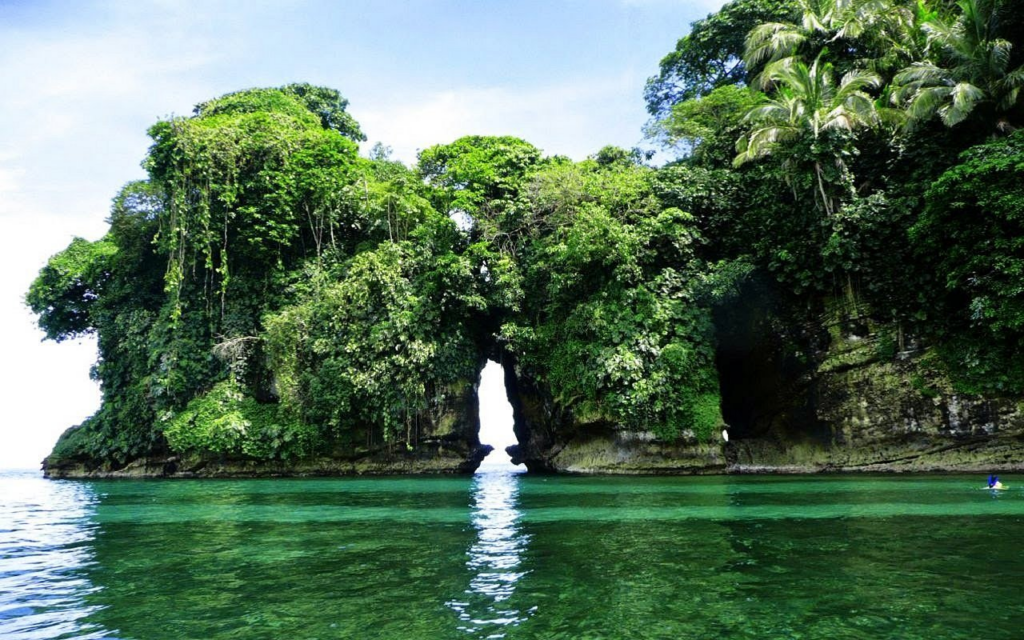
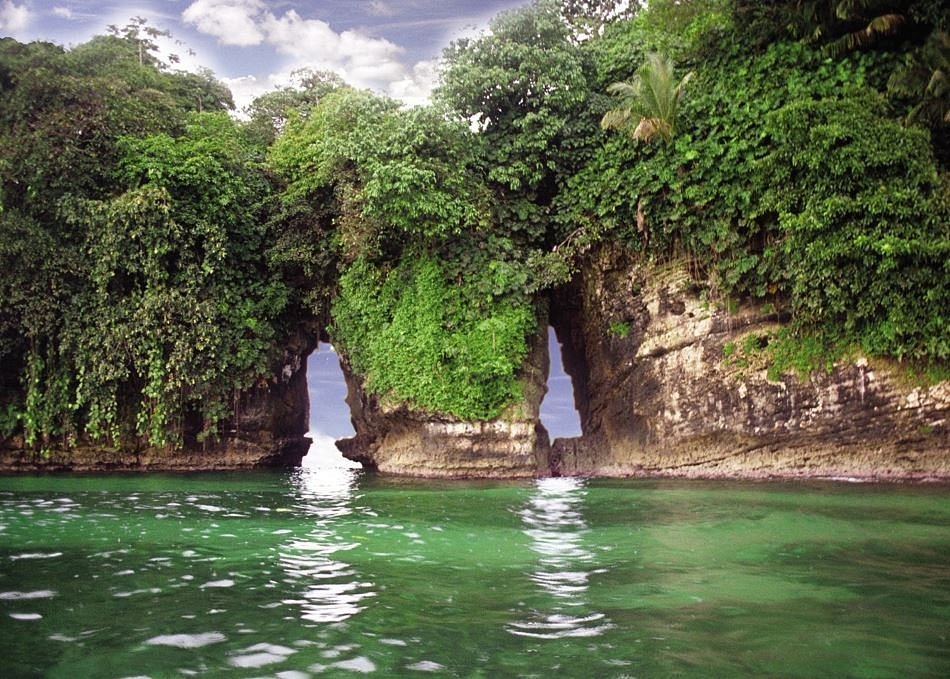
The terrain is similar to that of Guayabo, featuring a landscape that combines rocky surfaces, patches of grass, and low-growing vegetation. The island is home to a low-lying forest dominated by species such as the guísaro shrub, guanacaste, higuerón, and manteco.
A privileged climate
The climate is warm and sunny for most of the year. The rainfall is scarce and mainly concentrated between the months of May and November. These climatic conditions favor both tourism and the presence of numerous species of flora and fauna.
Flora and fauna: a haven of biodiversity
Isla Pájaros is part of a group of four islands—Guayabo, Negritos (two islets), and Pájaros—that constitute an important refuge for seabirds. The islands of Guayabo and Negritos were declared reserves by Executive Decree No. 2858-A of February 28, 1973, and are part of the Tempisque Conservation Area.
Among the most representative birds are:
- The Magnificent Frigatebird
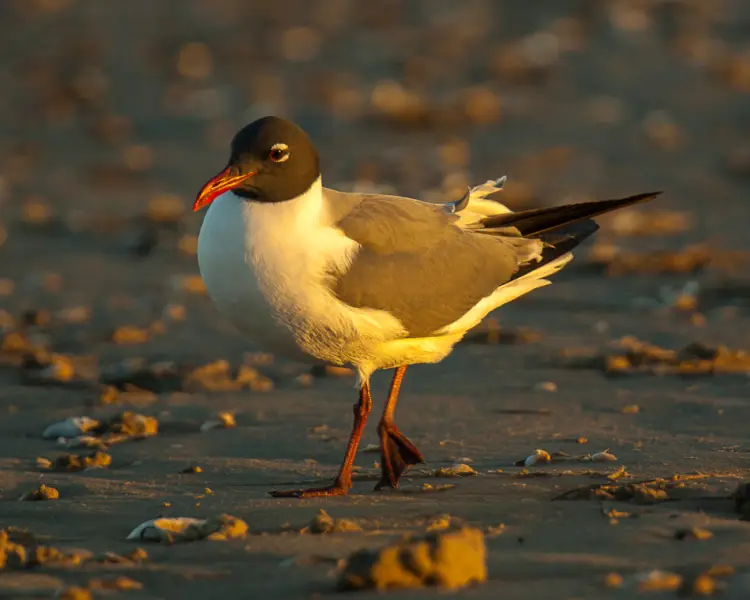
- The Laughing Gull
- The Brown Booby
- Fregata magnificens
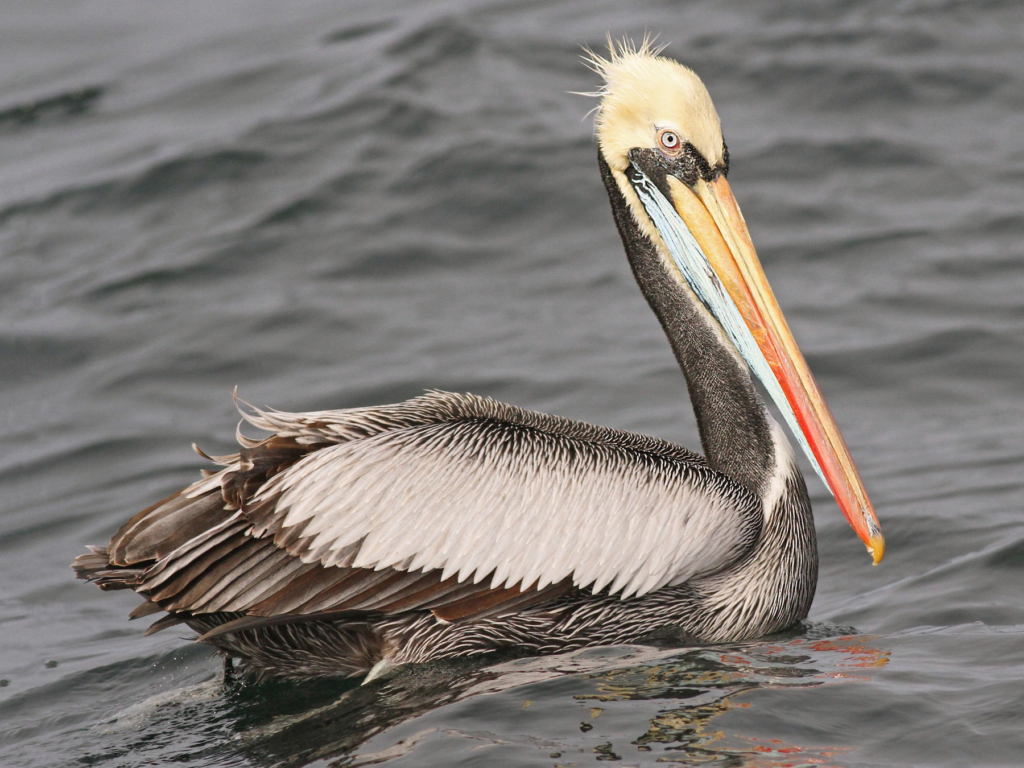
- The Brown Pelican
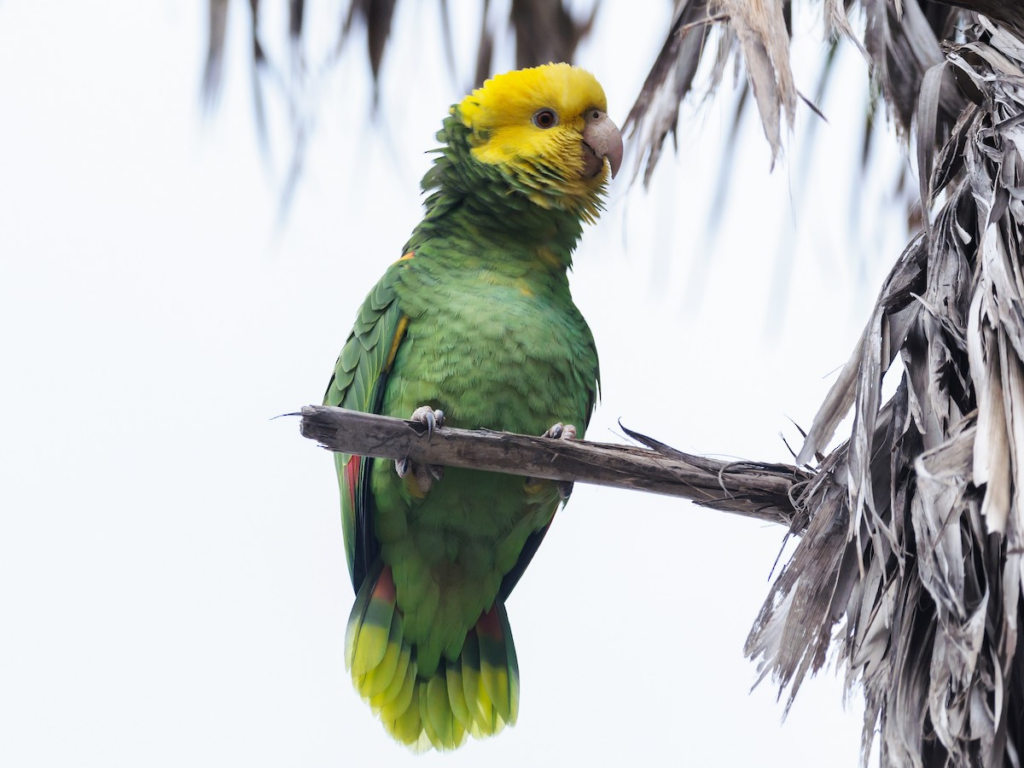
- The Yellow-naped Amazon
During certain times of the year, migratory birds also arrive to feed and reproduce. Species such as the peregrine falcon and the White-tipped Dove (Leptotila verreauxi) have also been recorded. In addition, reptiles such as the garrobo (Black Spiny-tailed Iguana) inhabit the island.
In terms of terrestrial fauna, the island is home to raccoons, numerous hermit crabs, fiddler crabs, mud crabs, oysters, and scallops. The surrounding waters are especially rich in marine life, with fish species such as:
- Pacific red snapper (Lutjanus)
- The Spotted Rose Snapper (Lutjanus guttatus)
- The Yellow Snapper (Lutjanus argentiventris)
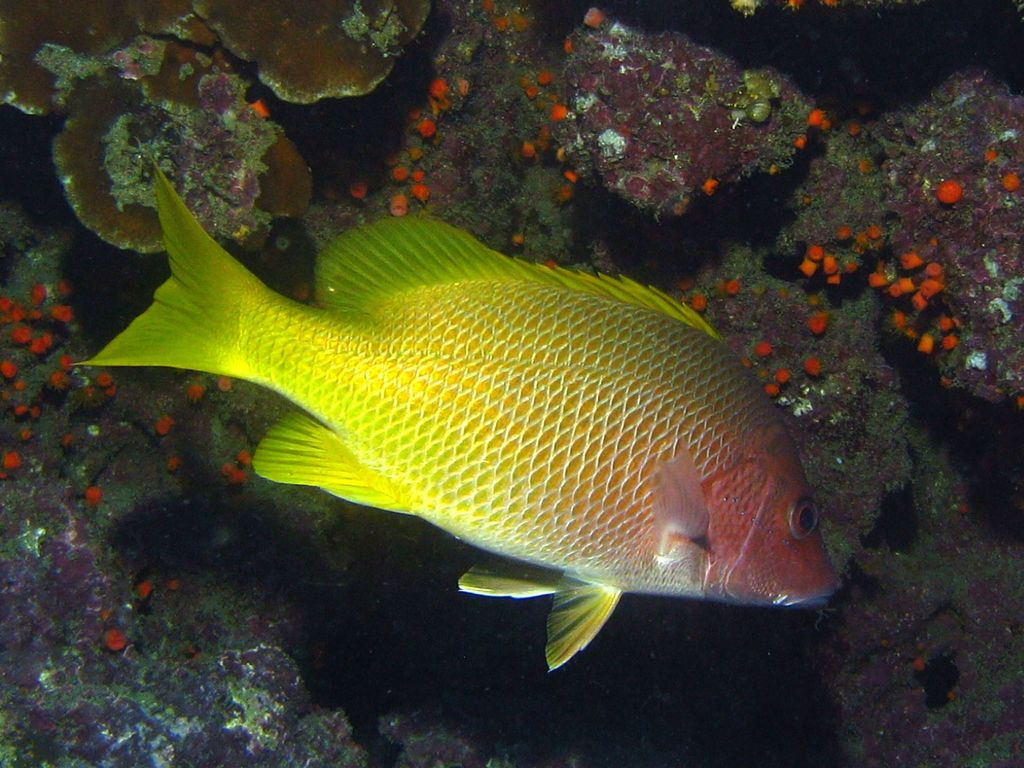
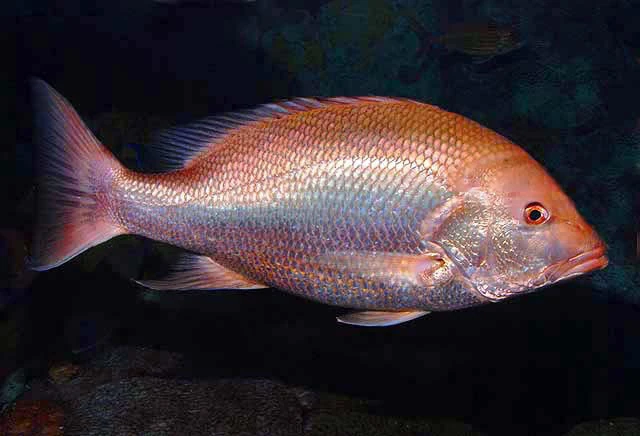
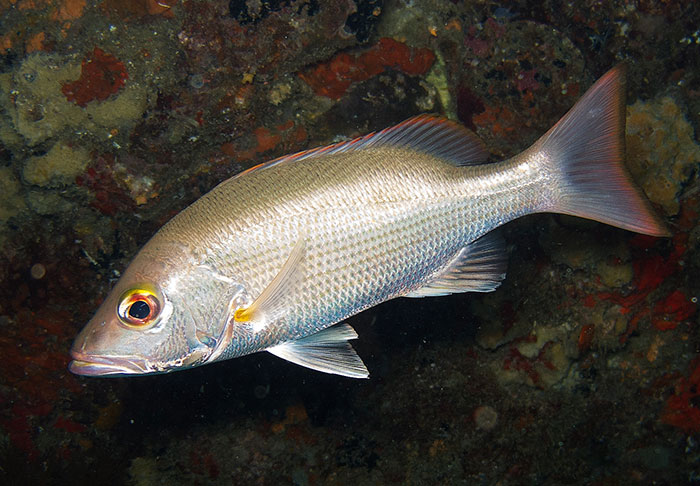
It is also possible to observe populations of dolphins, tuna, and mackerel in the surrounding waters.
In particular, the nearby Guayabo Island is an important nesting site for the Brown Pelican (Pelecanus occidentalis), with populations that can reach up to 300 individuals.
Ecological importance
The ecological importance of Isla Pájaros lies in its role as a habitat and breeding ground for abundant populations of seabirds, as well as a refuge for species characteristic of the tropical dry forest and marine ecosystem of the Gulf of Nicoya.
With no tourist infrastructure, trails, or visitor facilities, it remains a priority conservation area. For this reason, camping is not permitted on the island, and visits require authorization from the Tempisque Conservation Area.
Traveling
The only way to get a closer look at the reserve is by hiring a boat. Access is via the village of Costa de Pájaros, located 21 kilometers from the Inter-American Highway, north of Puntarenas.
From Puntarenas, the approximate distances by sea are:
- Guayabo Island: 5 miles south
- Negrito Islands: 10.3 miles south
- Isla Pájaros: 7 miles to the northeast
The distance from San José is approximately 73 miles by road and boat.
Sensorial Sunsets
Navigate articles