

March 8 in Costa Rica: marches and reflections on women’s rights
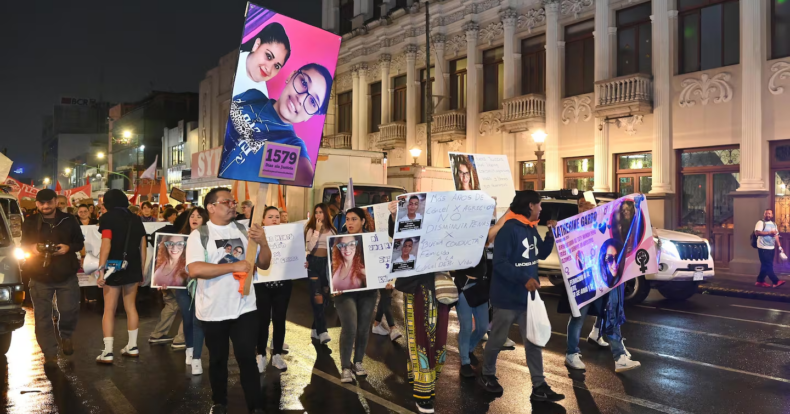

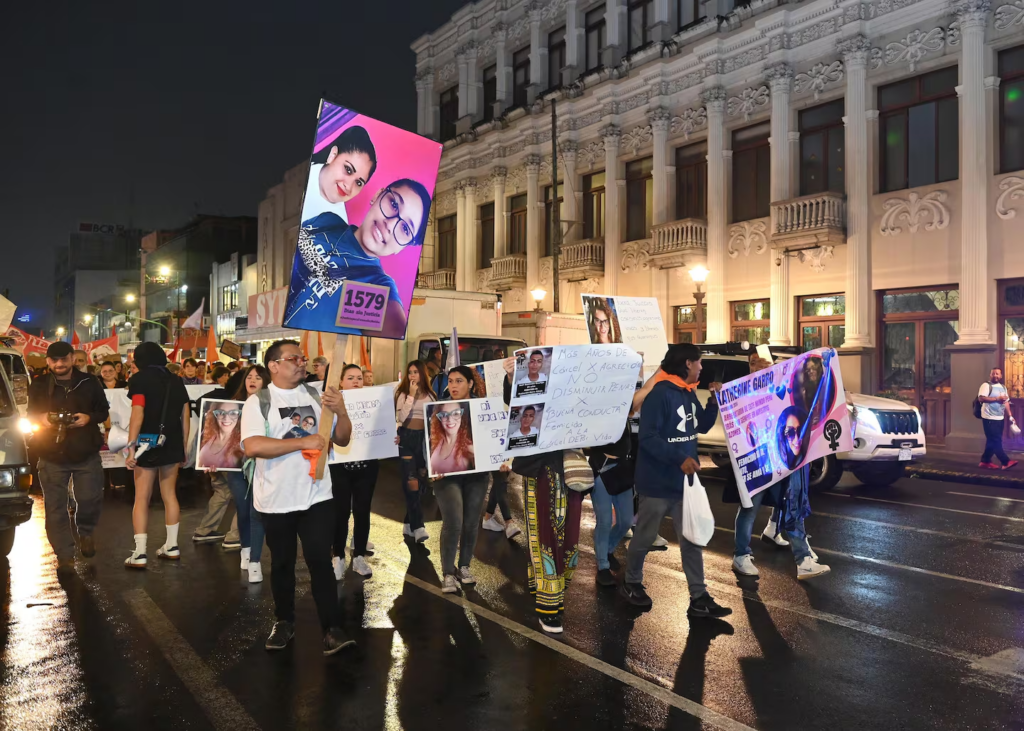
Every March 8, Costa Rica participates in International Women’s Day celebrations, a date dedicated to raising awareness of women’s historic struggles for equality, justice, and full recognition of their rights. This year, various feminist collectives and social organizations called for demonstrations in different parts of the country under the slogan “For democracy, rights, and a dignified life for women,” with the aim of bringing these issues to the center of public debate.
One of the most significant marches in the capital began at San José’s Central Park, where participants gathered to express their concerns about human rights, gender violence, and the state of democracy in the country. According to the organizations that organized the marches, these demonstrations seek to open spaces for discussion and reflection on issues they consider key to social coexistence and respect for fundamental rights.
Movement demands and concerns
The main topics discussed during the conference focused on three key areas: defending democratic institutions, demanding justice for violence against women, and protecting rights related to work, territory, and bodily autonomy.
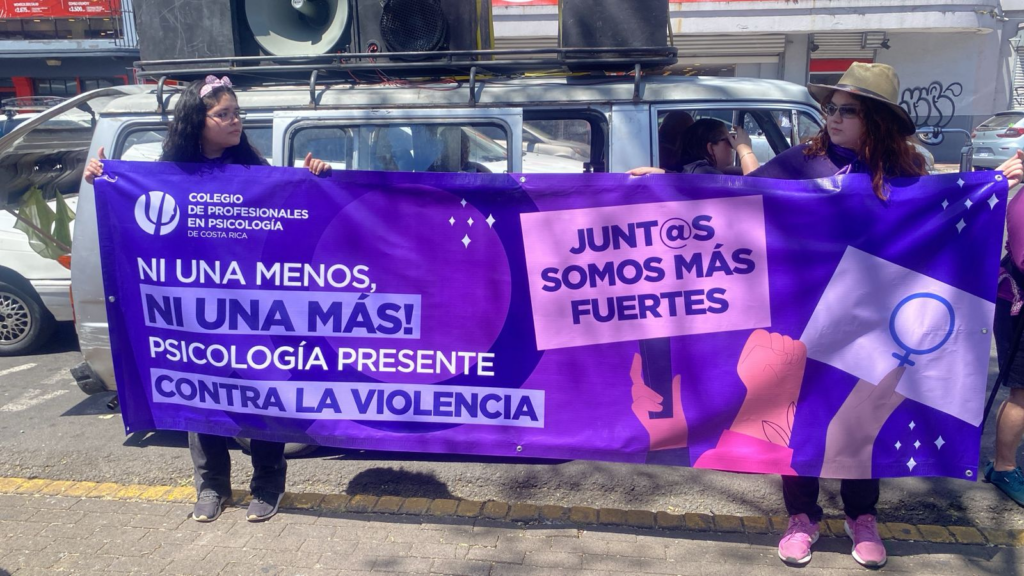
Various groups pointed out the need for greater government action to tackle gender-based violence, including a declaration of a national emergency, greater investment in prevention, shelters for victims, and better mechanisms for accessing justice.
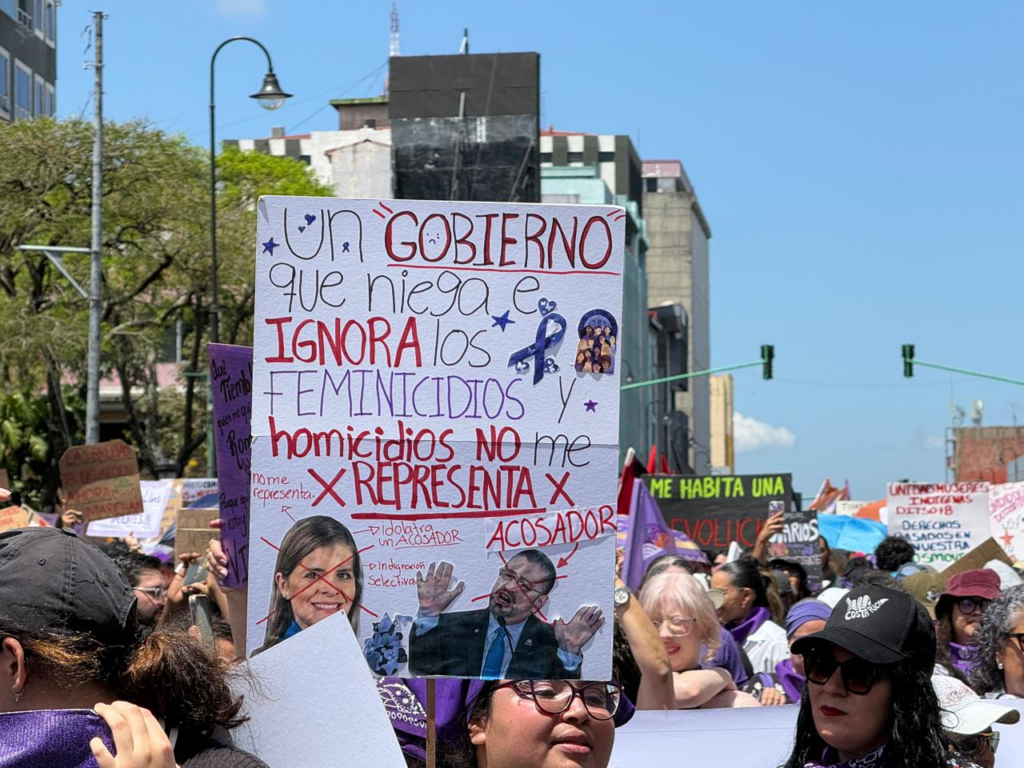
Concerns were also raised about labor initiatives such as the 4×3 workweek, which some organizations believe could disproportionately affect women, especially in contexts where they still bear the brunt of domestic and care work. In this regard, the importance of moving toward a National Care System that distributes these responsibilities more equitably was also reiterated.
Another issue addressed in the slogans and manifestos was the defense of sexual education in the education system and the strengthening of key public institutions for social protection, such as the National Women’s Institute, the Costa Rican Social Security Fund, and the National Child Welfare Agency.
The organizations also emphasized the importance of recognizing the inequalities faced by different groups of women, including those of African descent, indigenous women, rural women, and migrant women, whose experiences are often marked by multiple forms of discrimination.
The Historical Significance of March 8
International Women’s Day has its origins in the labor and feminist struggles of the early 20th century. The date is tied to the mobilizations of female workers who demanded better working conditions, fairer working hours, and political rights.
One of the most memorable episodes occurred in New York in 1908, when thousands of female textile workers demonstrated to denounce labor exploitation and wage inequality.
Later, in 1910, during the International Conference of Socialist Women, German activist Clara Zetkin proposed establishing an international day dedicated to demanding women’s rights.
Decades later, in 1975, the United Nations officially designated March 8 as a global date to recognize the struggles for gender equality.
Today, more than a century later, March 8 demonstrations continue to be part of a long tradition of social organizing aimed at highlighting inequalities, denouncing violence, and promoting structural change. In Costa Rica, the day has also become a space for gathering that brings together not only women, but also families, social organizations, and allies who believe that defending democracy, social justice, and women’s rights has an impact on society as a whole.
Sensorial Sunsets
Navigate articles