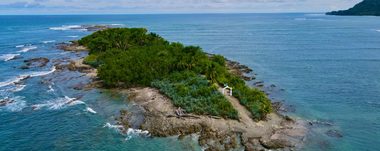

Cocos Island: the enigma of the treasure that no one has found

In the middle of the Pacific Ocean, about 550 kilometers southwest of mainland Costa Rica, lies the enigmatic Cocos Island, a remote place that has for centuries fueled tales of hidden riches, impossible adventures, and human obsessions. Now recognized as a UNESCO World Heritage Site and one of the world’s premier destinations for shark diving, this island was long synonymous with buried treasure and unsolved legends.
A natural… and strategic refuge
First documented by European explorers in the 16th century, Cocos Island quickly became a key stop along Pacific shipping routes. Its abundant fresh water, biodiversity, and sheltered geography made it an ideal place for ships to restock after long voyages. It is no surprise that pirates, buccaneers, and privateers used it as a refuge during the 17th and 18th centuries.
However, what truly made the island famous was not its practical use, but the stories that began to circulate about it.
The legendary treasure of Lima
The most famous of all these legends is that of the so-called “Lima Treasure.” According to the story, around 1820, during the wars of independence in South America, the Spanish viceroy in Lima decided to evacuate an enormous fortune to prevent it from falling into the hands of the revolutionaries. This treasure supposedly included gold objects, jewels, coins, and even a life-size statue of the Virgin Mary made of solid gold.
The cargo was trusted to Captain William Thompson, who was to transport it to a safe place. However, legend has it that Thompson and his crew murdered the Spanish guards, changed course toward Cocos Island, buried the treasure, and disappeared. Although Thompson was later captured, he managed to escape on the island before revealing the exact location of the loot. Since then, the treasure has never been recovered.
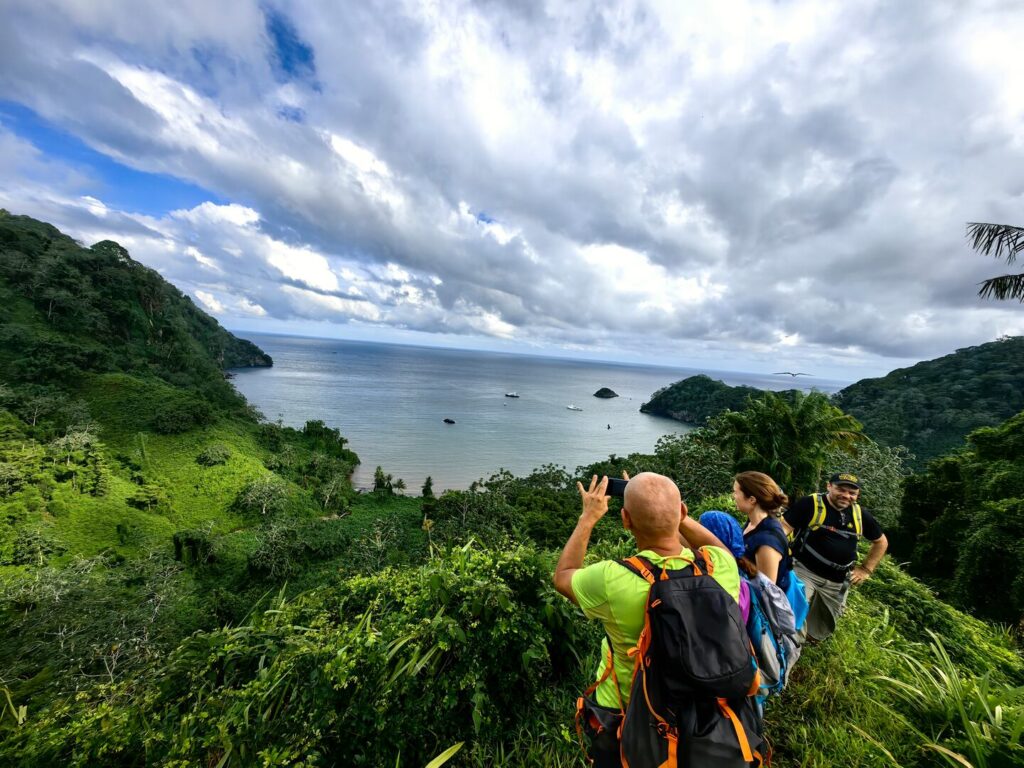
Expeditions, obsessions, and failures
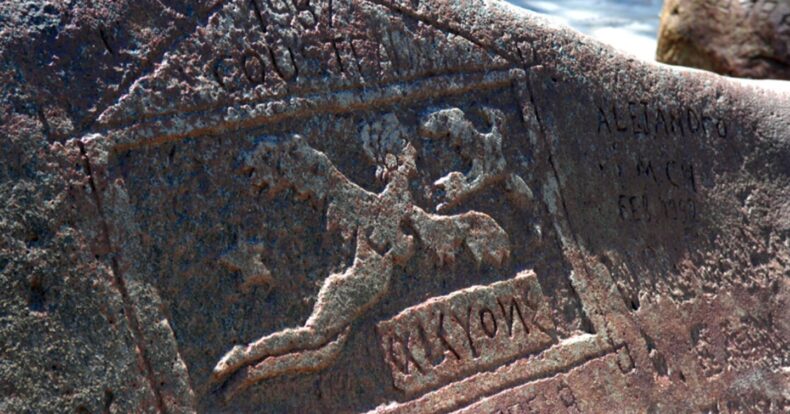
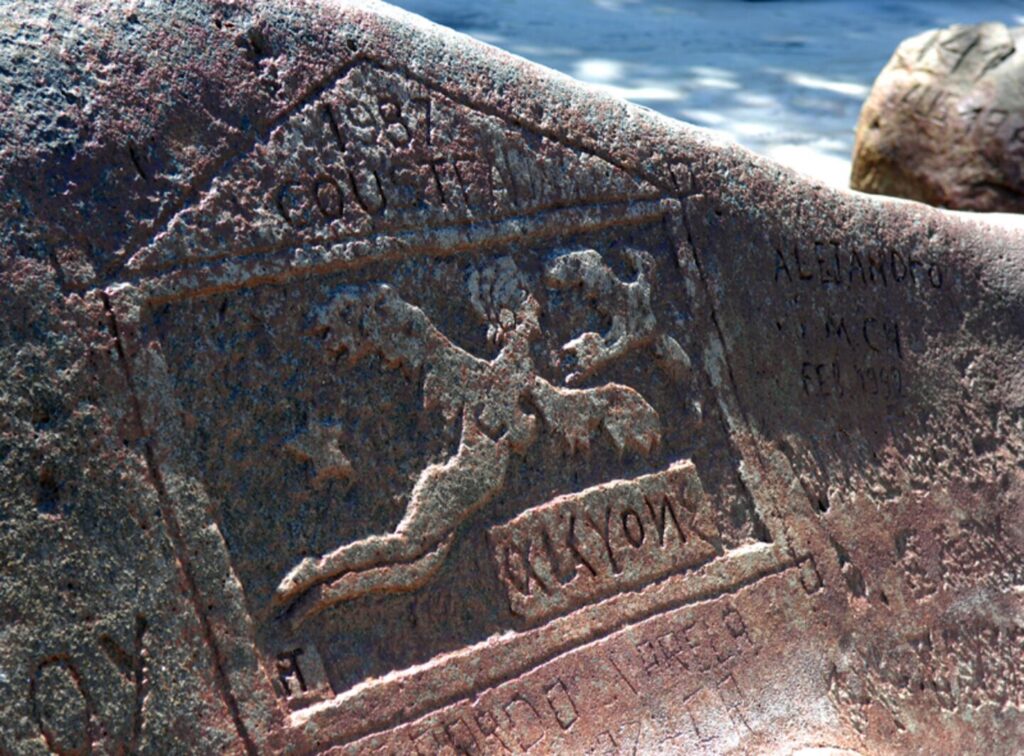
During the 19th and 20th centuries, numerous adventurers attempted to find the treasure. Among them was August Gissler, a German who tried to colonize the island in the 1890s. Although his project failed, he remained there for years searching for the treasure without success.
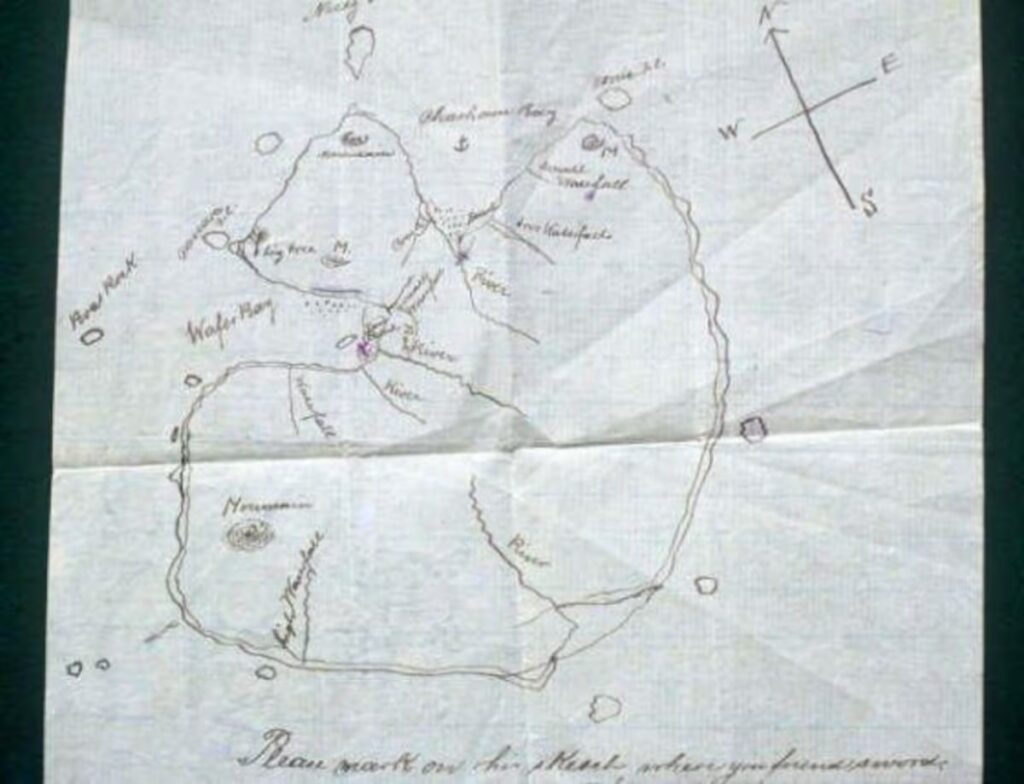
Even well-known figures were drawn to the mystery. Former U.S. President Franklin D. Roosevelt visited the island several times during the 1930s. The British explorer Malcolm Campbell also funded an expedition, while other explorers claimed to have clues or maps that never led to any concrete results.
The pattern of these expeditions was almost always the same: high expectations, extreme conditions, and no significant discoveries. It receives more than seven meters of rain a year, has dense vegetation, and difficult terrain, making any excavation extremely difficult.
Protection and the current reality
Over time, the Costa Rican government decided to put an end to the unregulated excavations that were damaging the ecosystem. Today, Cocos Island is a protected national park where excavating or disturbing the environment is strictly prohibited. Most visitors are divers drawn to its extraordinary marine life, including hammerhead sharks, whale sharks, and manta rays.
Myth or reality?
The authenticity of the Treasure of Lima remains a subject of debate. Some historians believe the story is an exaggeration or even a fabrication, due to the lack of colonial records supporting the transfer of such wealth. Others, however, argue that the very absence of documents could indicate that it was a secret operation.
Regardless of its authenticity, the legend has been powerful enough to stand the test of time, inspiring books, documentaries, and theories.
Sensorial Sunsets
Navigate articles