
Fossils in Costa Rica: Giant Sloth and Mastodon Remains Up to 40,000 Years Old

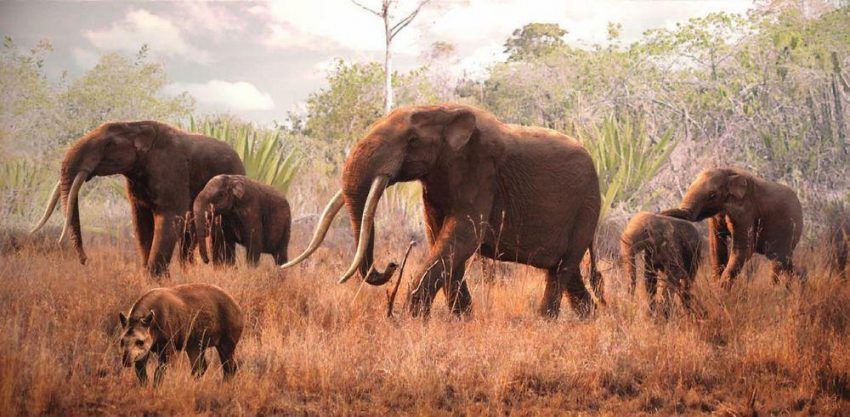
Costa Rica has made headlines with one of the most significant paleontological discoveries of recent decades: the fossil remains of a mastodon and a giant sloth that lived in the region between 10,000 and 40,000 years ago, during the Pleistocene epoch.
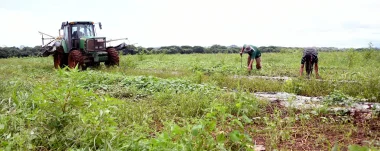
The discovery, confirmed by the National Museum of Costa Rica, was made in Cartago province, east of San José, after a member of the public reported possible fossil remains on private property.
A discovery of great scientific significance
Preliminary studies have identified the remains as belonging to two species of Pleistocene megafauna: a mastodon of the genus Cuvieronius and a giant sloth of the genus Eremotherium. Both animals were among the large mammals that inhabited the Americas before their extinction thousands of years ago.
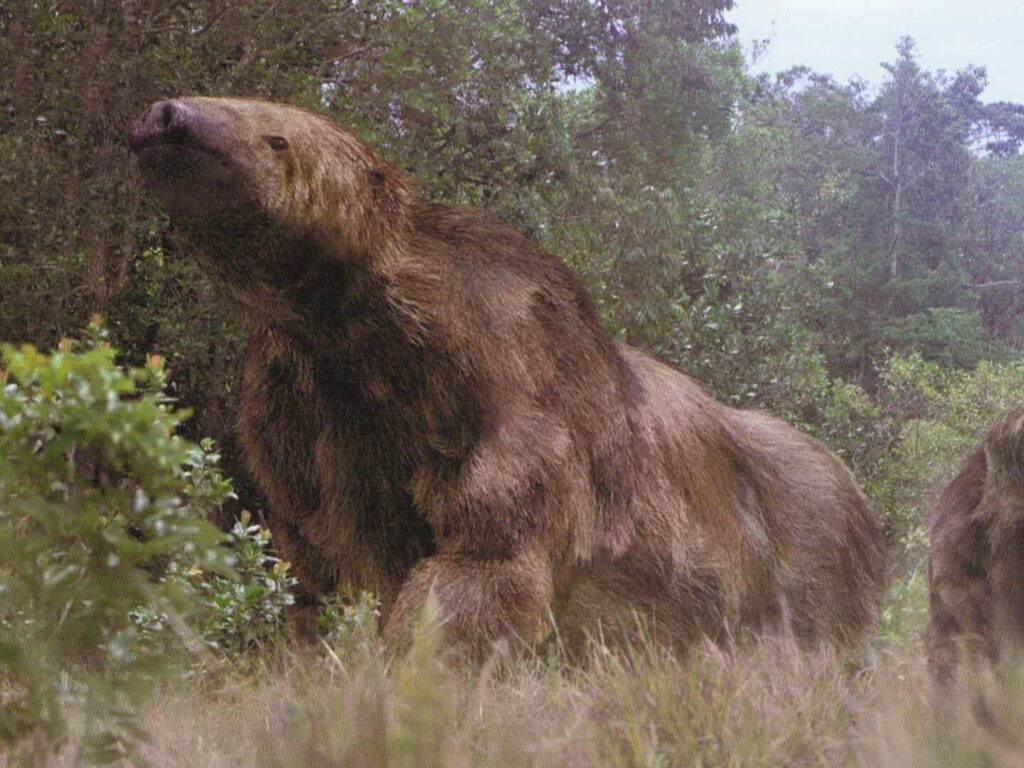
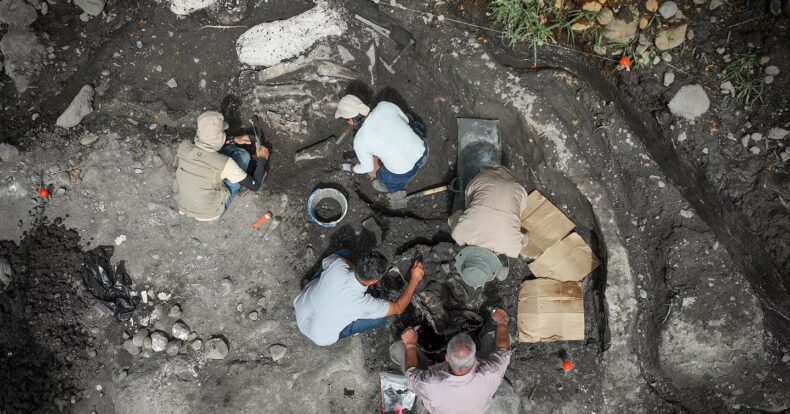
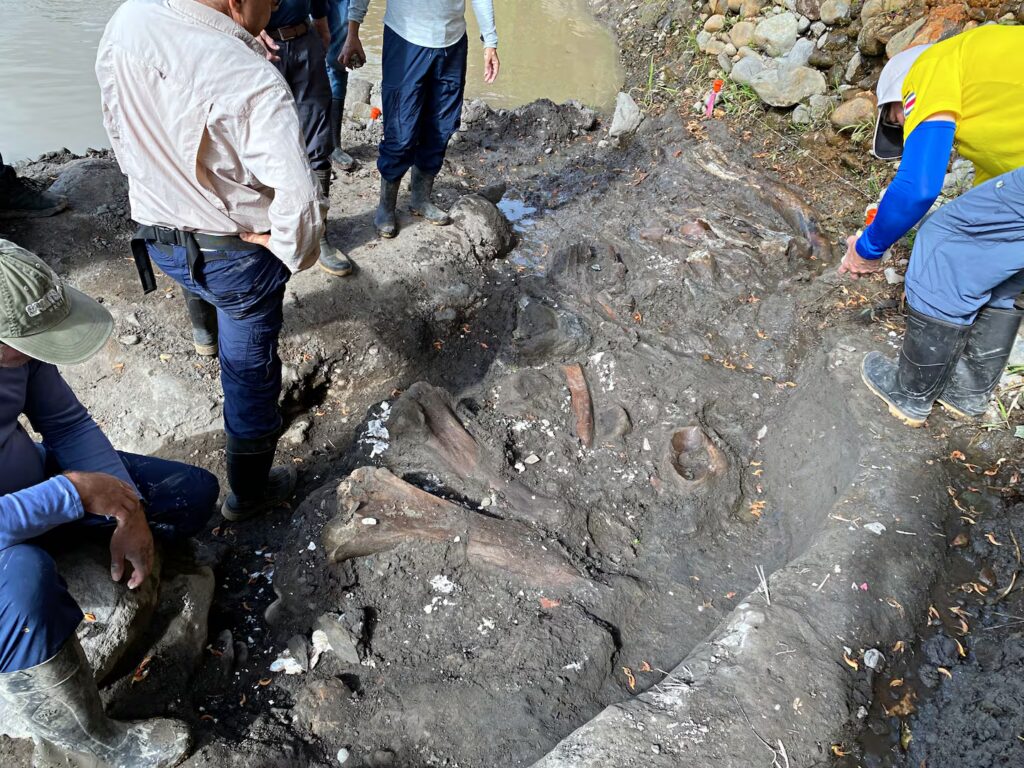
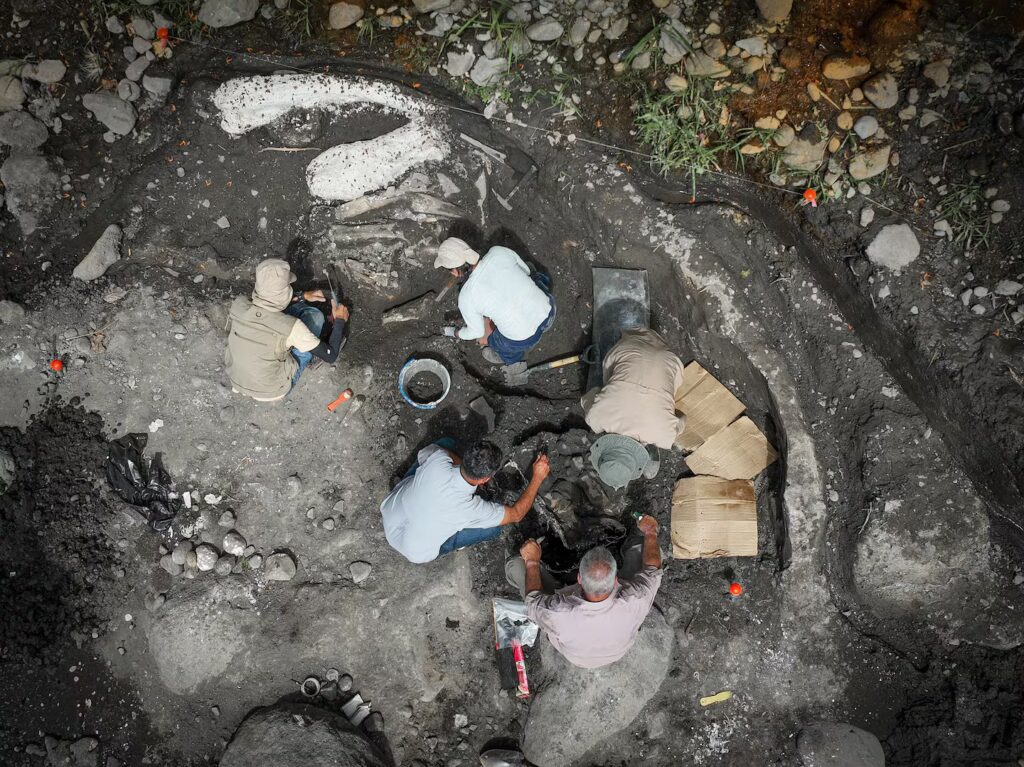
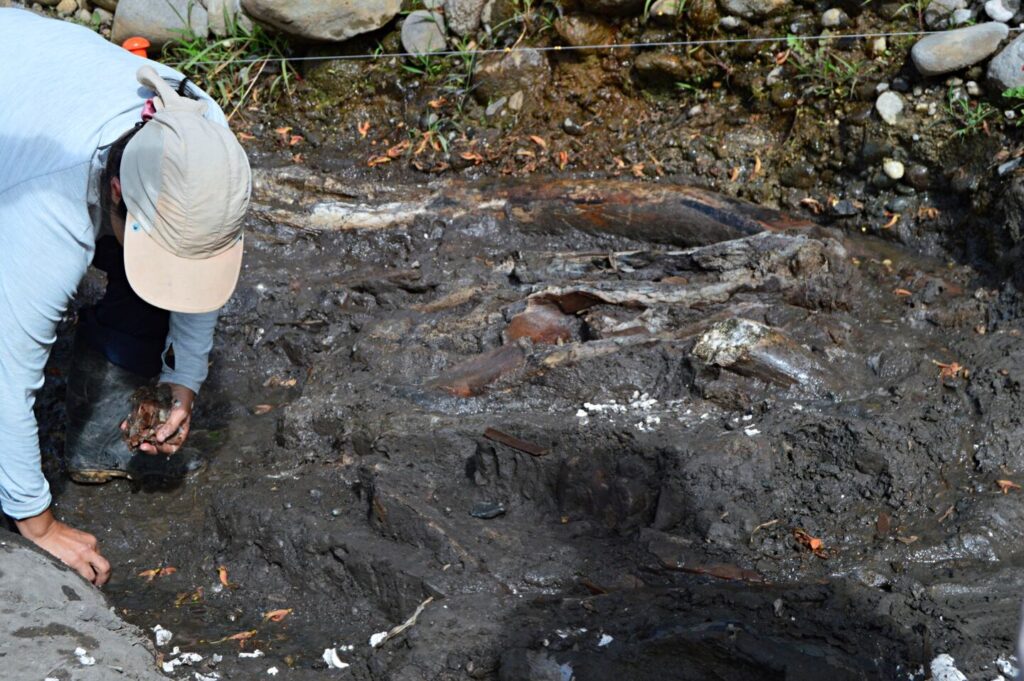
Geological analyses of the terrain and sediment layers indicate the fossils date back between 10,000 and 40,000 years. So far, 13 excavations have yielded 49 fossil specimens, including vertebrae, a femur, phalanges, ribs, and other bone fragments still under study.
Because of the size and quantity of the recovered material, this discovery ranks among the most significant recorded in the country in recent decades
An interdisciplinary effort
The fossil recovery effort is being led by geologist Joanna Méndez of the Department of Natural History, with support from cultural heritage conservation specialists.
The project also involves geologists, archaeologists, biologists, students from the University of Costa Rica, and a paleontology expert from the New Mexico Museum of Natural History, reflecting the international and collaborative nature of the research.
A look into Costa Rica’s prehistoric past
This finding underscores Costa Rica’s importance in regional megafauna research. During the Late Pleistocene, the territory now known for its rainforests, volcanoes, and beaches was also home to enormous land animals that roamed its plains and valleys.
The recent international attention on this topic, spurred by publications such as The Mysterious Megafauna of Costa Rica’s Prehistoric Past by journalist Maria Faith Saligumba in Discover Wildlife Science, has helped shed light on a little-known chapter in the country’s natural history.
More than a discovery: identity and science
For Costa Rica, this discovery is more than a scientific curiosity. It broadens the country’s narrative, which is globally known for its rich biodiversity, including species such as scarlet macaws, tapirs, and sea turtles, by revealing a past inhabited by a much larger and more diverse array of wildlife.
The Minister of Culture and Youth, Jorge Rodríguez, announced that a permanent exhibition space will be set up at the museum to display these and other paleontological finds, bringing the public closer to this fascinating chapter in the nation’s history.
This makes Costa Rica not only a leader in conservation and eco-tourism, but also a key region for understanding prehistoric life in Central America.
Sensorial Sunsets
Navigate articles