
Diquís: UNESCO World Heritage and Cultural Crossroads of Southern Costa Rica

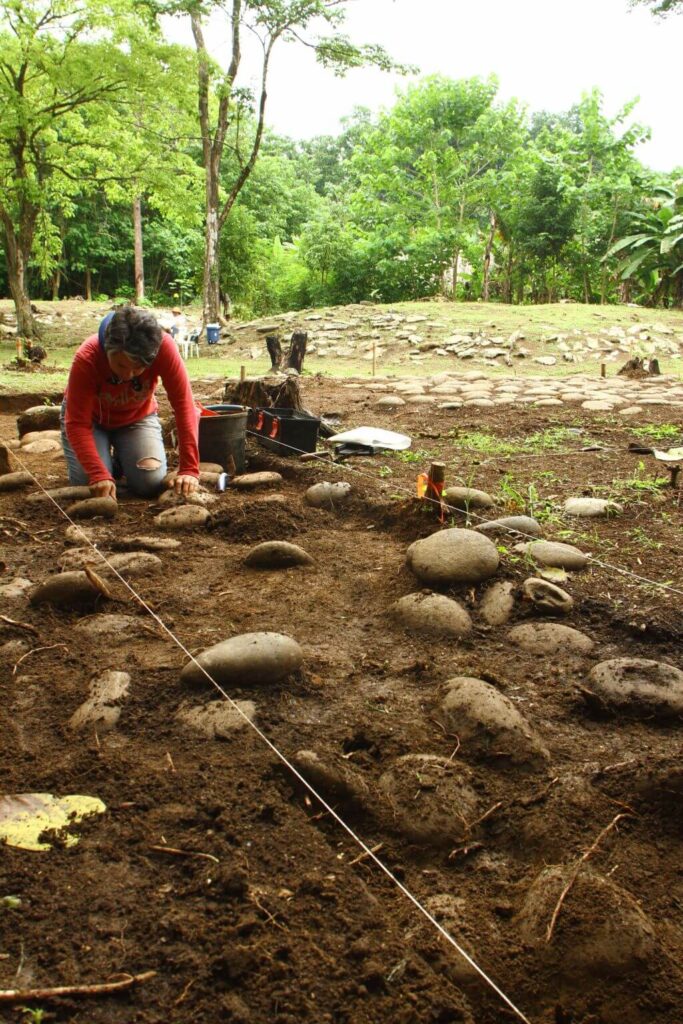
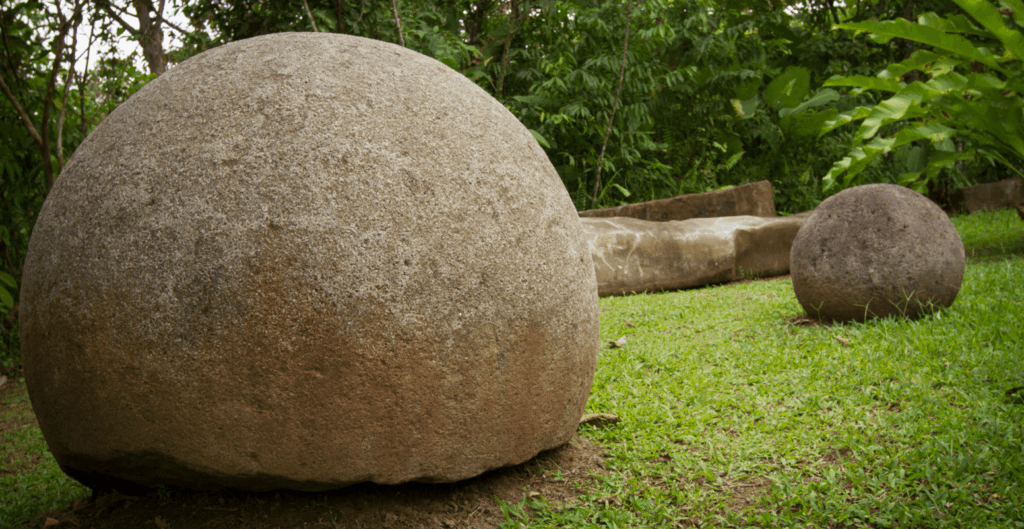
The South Pacific region of Costa Rica is home to one of the most important archaeological treasures in the Americas: the pre-Columbian chieftain settlements with stone spheres of Diquís. This exceptional legacy, recognized by UNESCO as a World Heritage Site, consists of four archaeological sites: Finca 6, Batambal, El Silencio, and Grijalba-2, which preserve a fundamental part of Costa Rica’s pre-Columbian history.
Located in a stunning natural setting, these sites represent much more than a collection of archaeological remains. They bear witness to the complex societies that inhabited the region over a thousand years ago and left behind the famous stone spheres—a symbol of national identity and one of the continent’s greatest archaeological mysteries.
Through the Diquís Project, the National Museum of Costa Rica promotes the conservation, research, and dissemination of this heritage, enabling both domestic and international visitors to learn about an essential part of the history that Costa Rica shares with the world today.
A region shaped by waves of migration
The cultural richness of Diquís region is not limited to its pre-Columbian past. The region’s contemporary history has been shaped by various groups of people who, throughout the 19th and 20th centuries, came to the southern part of the country in search of new opportunities and helped forge a unique identity.
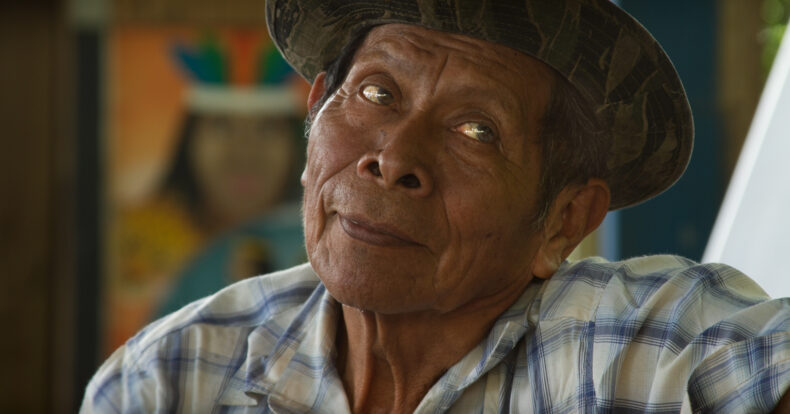
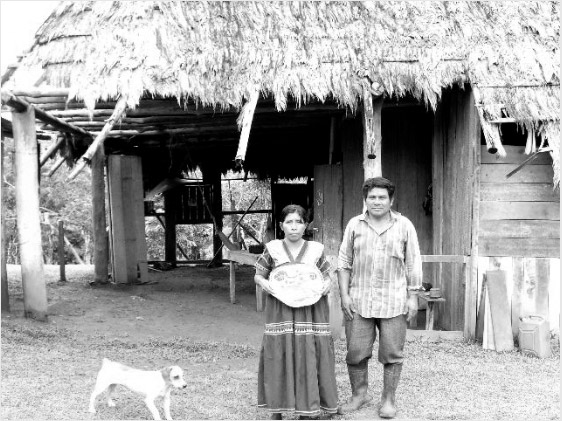
One of the most notable groups is the Chiricanos, who hail from the Panamanian province of Chiriquí and constitute one of the most influential ethnic groups in shaping the culture of cantons such as Osa, Buenos Aires, and Golfito. Although their contribution has not always been sufficiently recognized, surnames such as Pinzón, Beita, Quintero, Atencio, Caballero, Lezcano, and Pití are part of the region’s collective memory and social fabric.
Migrants from Costa Rica’s Central Valley also played an important role in shaping the region. They brought with them traditions associated with coffee cultivation, guitar music, sugarcane mills, the production of aguadulce (traditional unrefined cane sugar drink), and other cultural expressions that enriched the daily life of southern communities.
The Banana Revolution in the South Pacific
One of the events that had the greatest impact on the region’s development was the arrival of the Banana Company in the 1930s. After winding down its operations in the Costa Rican Caribbean, the company shifted much of its business to the South Pacific, triggering profound economic, social, and demographic changes.
The expansion of banana plantations attracted thousands of workers from different parts of the country and abroad, giving rise to new communities and transforming the landscape of the area. This process marked the birth of a regional identity closely linked to agricultural work and cultural diversity.
People from Guanacaste, Nicaraguans, and Chinese: a shared heritage
Migrants from Guanacaste likewise made a significant contribution to the region. Thousands left the northern Costa Rican savannas seeking new opportunities in the so-called “Banana Zone.” Their culture, customs, and traditions blended into the rich social mosaic that defines southern Costa Rica today.
Adding to this history is the presence of Nicaraguan communities, whose influence was decisive in shaping the region’s demographics. Historical data indicate that in 1950, approximately 15% of the population of Osa, Golfito, and Aguirre came from Nicaragua, establishing a significant cultural and human legacy that remains relevant to this day.
Another key group has been the Chinese community and its descendants. Their presence in southern Costa Rica dates back to the late 19th century, particularly in El Pozo, now known as Ciudad Cortés, where families of Chinese origin have been recorded since that time. Through trade, entrepreneurship, and community integration, this population has contributed to the region’s economic and cultural development.
Art, Tradition, and Identity
The history of Osa and its surrounding areas is the result of the interplay between pre-Columbian heritage, colonial processes, migration, and the economic transformations of the 20th century. This complex historical process continues to be reflected in the region’s artistic and artisanal expressions.
Crafts, painting, music, and other cultural expressions constantly reinterpret the myths, stories, and traditions passed down through generations. They bring together indigenous roots, migratory influences, and the everyday experiences of those who have shaped the identity of Costa Rica’s South Pacific region.
As such, Diquís is not only an archaeological site of universal significance, but also a living landscape where history, culture, and diversity continue to intertwine, shaping one of Costa Rica’s most fascinating regions.
Sensorial Sunsets
Navigate articles