
Abangares Mining Ecomuseum: “Los Mazos”
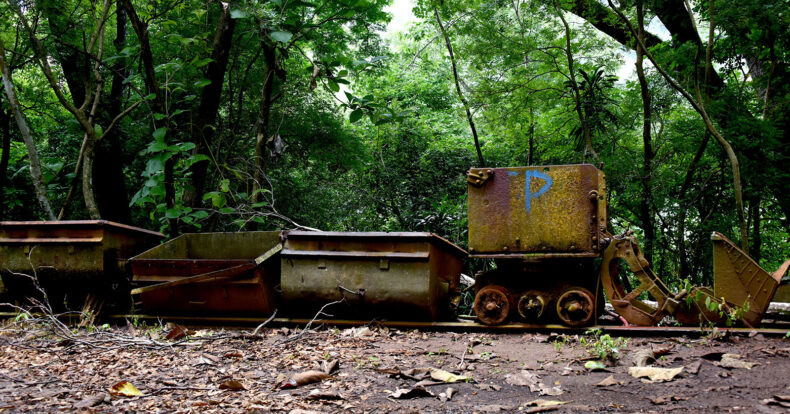

The Abangares Mining Ecomuseum, located in Guanacaste, is now a place where nature and history coexist. Its 38 hectares of forest shelter the vestiges of one of the most intense periods of economic and social transformation in the country: the industrialization of gold mining between the late 19th and early 20th centuries. What was once an industrial enclave of international scale is now an open-air museum that invites visitors to understand the past by walking through it.
The origin of Abangares and the fever that changed its destiny
In 1884, Juan Vicente Alvarado Acosta announced the discovery of gold, which marked a turning point for this region. From that moment on, Abangares ceased to be a wooded and isolated area and became a magnet for workers, entrepreneurs, and migrants from different parts of Costa Rica and the world. This led to the birth of towns such as La Sierra and Las Juntas, deeply defined by mining and a marked social division.
When mining became an industry
With the arrival of Abangares Gold Fields, led by the American businessman Minor Cooper Keith, the artisanal mining industry gave way to a highly mechanized industrial model. Technology imported from the United States and England, foreign capital, and a strict labor organization transformed Abangares into one of the most ambitious mining projects in Central America.
El bosque que volvió a crecer sobre la tala
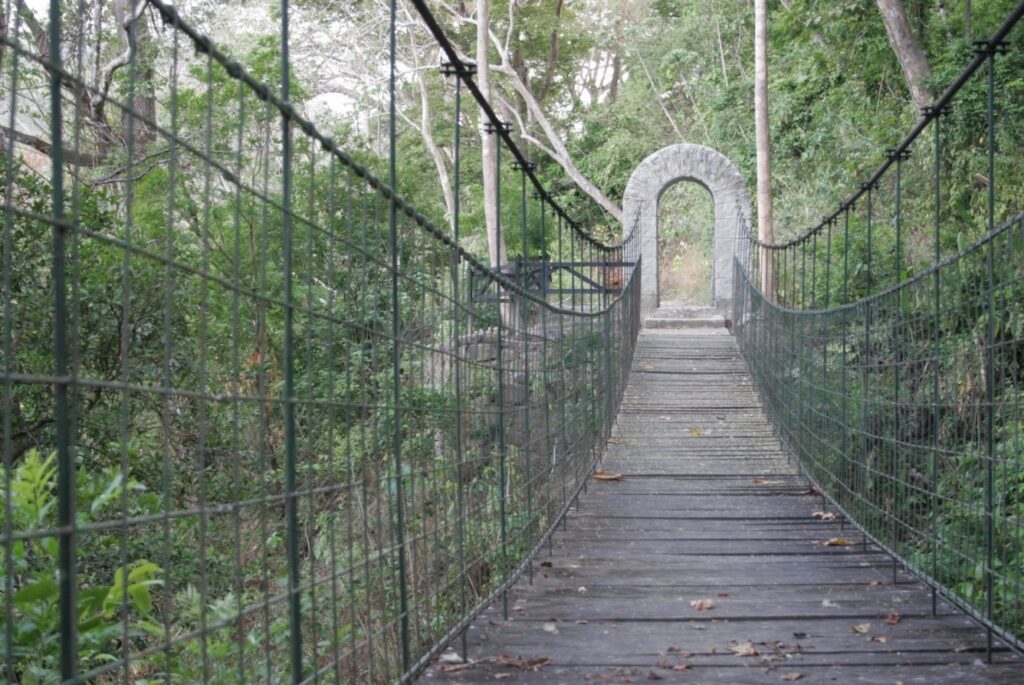
Los Mazos Historical Eco-Tour offers a roughly two-hour tour along two kilometers of trails. The route combines gardens, forests, stairways, and viewpoints, and is classified as physically demanding. It does not require athletic training, but it does require a willingness to walk through a challenging natural environment, following old paths used by locomotives and miners.
The wooded areas of the ecomuseum are secondary forest, the result of natural recovery after decades of intensive exploitation. During the mining boom, the company cut down much of the forest to build facilities, railroads, furnaces, and to export precious woods. Today, the dry tropical forest and gallery forest, accompanied by the Abangares River, provide shelter for a rich biodiversity.
Tres Hermanos Trail: Where Abangares’ Gold History Began
One of the most significant sections is the Tres Hermanos Trail, named in honor of Rafael, Paulino, and Juan Acosta Chávez, who opened the first mine in the area. This trail allows visitors to learn about both the origins of mining in Abangares and the natural diversity of the area, with emblematic species of flora and fauna that now inhabit the ecomuseum.
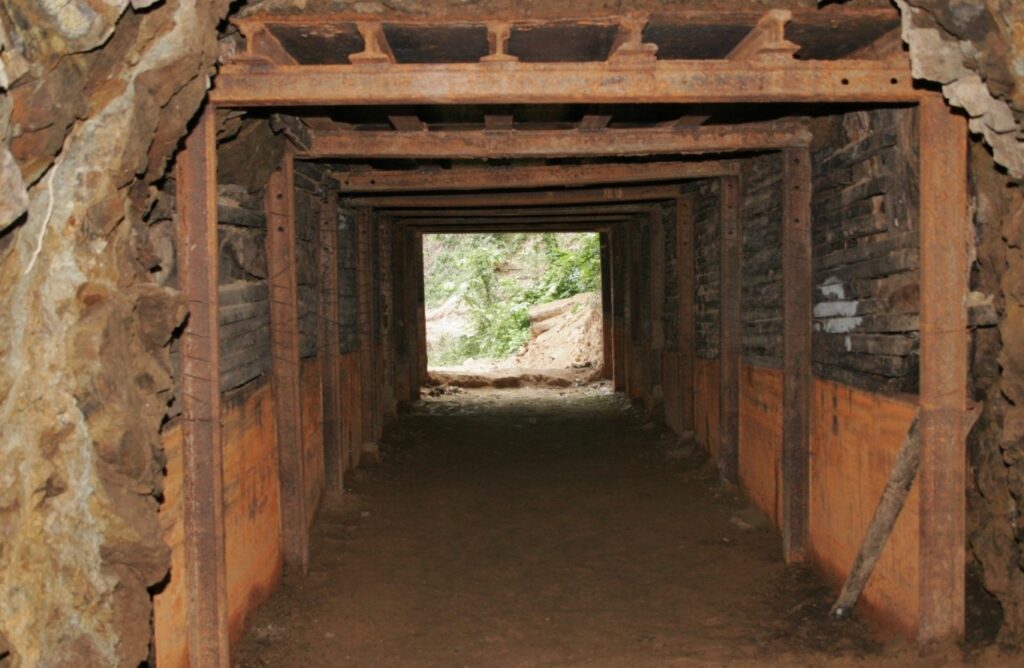
It leads to the Boston Tunnel, one of the most impressive historical structures on the site. Although it wasn’t a mining tunnel per se, it allowed locomotives to pass through to avoid slopes that were impossible for steam engines to climb. Visiting it gives you a chance to experience how the mines were accessed and understand the complex logistics that sustained the industry.
Dynamite as a tool for progress and danger
The Powder House, built in the early 20th century, served as a magazine for storing dynamite and detonators. Its solid stone architecture and strategic location reflect both the high value and the risks involved in handling explosives. Today, it is preserved and protected, maintaining its original structure as a testament to the area’s industrial past.
Steam, iron, and powerful names
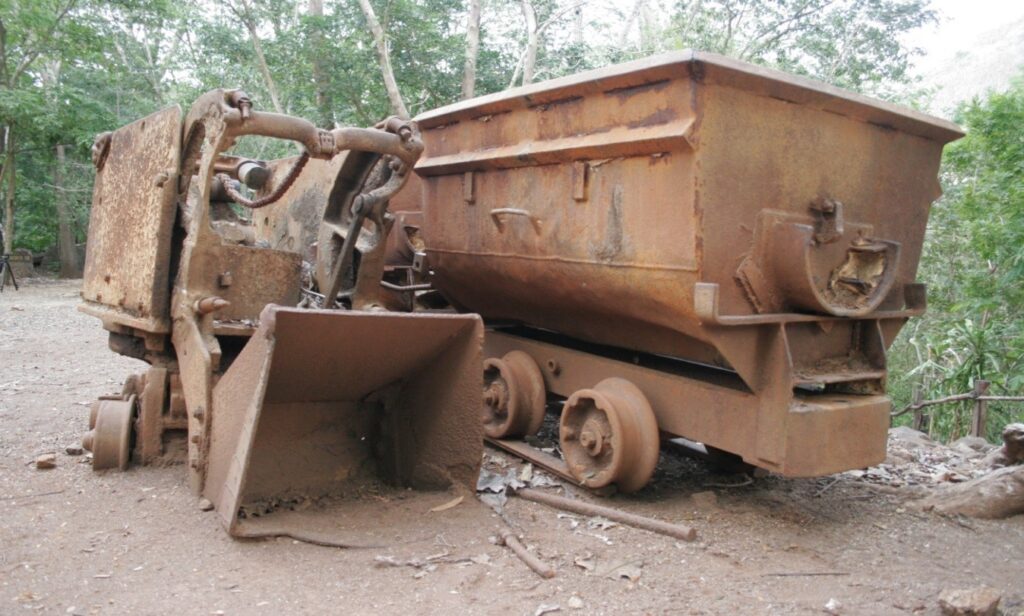
Along the route, emblematic pieces stand out, such as the “Tulita” locomotive, one of two brought in 1904 to transport gold-bearing quartz. Along with wagons, tractors, and pulleys, these machines reveal the close relationship between economic power, the Costa Rican political elite, and foreign mining entrepreneurs.

The “Tulita” locomotive, one of two steam locomotives brought to La Sierra in 1904 with the aim of facilitating the efficient transport of gold-bearing quartz from the mines to the plant.
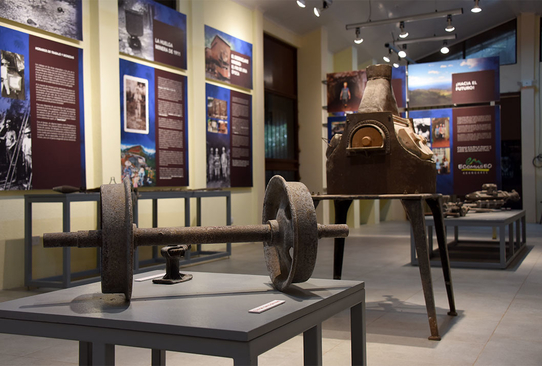
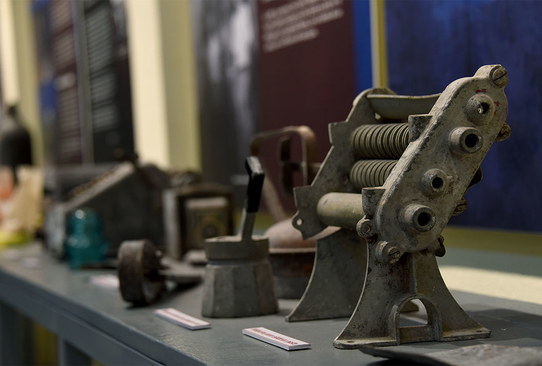
Ecomuseo also houses an electric power generator, evidence that electricity was first generated in Costa Rica in La Sierra. Using the hydraulic power of the Abangares and Guacimal rivers, mining drove technological advances that benefited both the industrial plant and the town.
The iron heart of Abangares: the Los Mazos Building
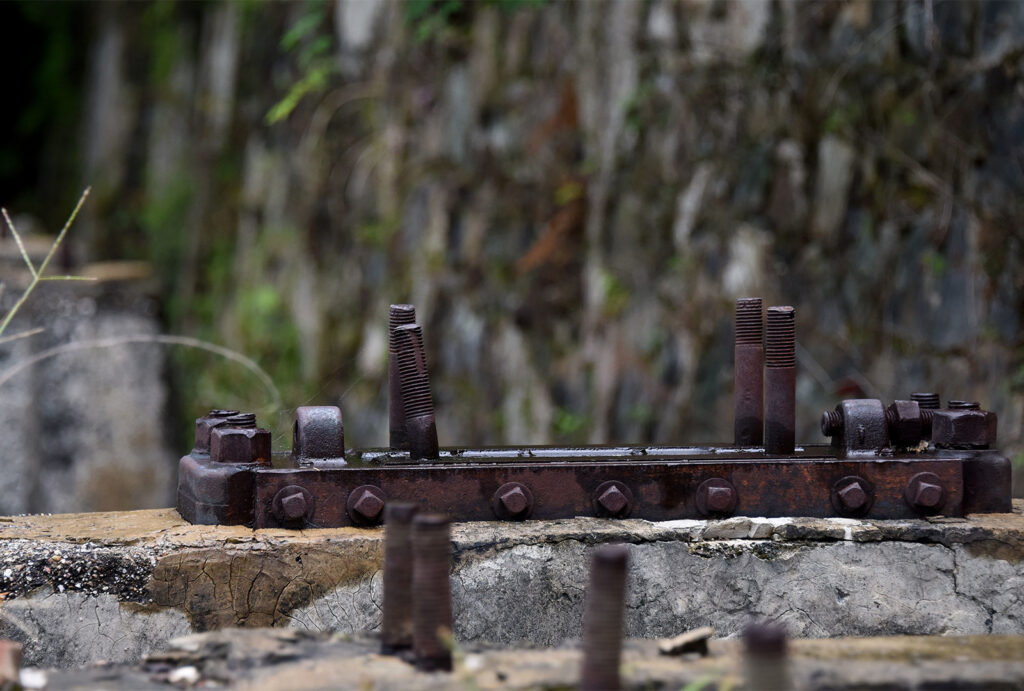
One of the main attractions of the ecomuseum is the ruins of the Los Mazos Building, a monumental industrial processing plant built over 100 years ago. For nearly three decades, it operated 24 hours a day, processing up to 100 tons of rock daily using a complex system of hammers, mercury, and smelting furnaces.
Working life at the plant was marked by 12-hour shifts, strict surveillance, and absolute control over the transport of gold. The metal, converted into bars and ingots, was transported once a month under extreme secrecy to the coast, from where it was shipped abroad.
The mining boom also gave rise to episodes of profound social violence, such as the 1911 Massacre of Black Workers, a conflict that exposes racism, labor exploitation, and repression exercised against workers. This event remains an open wound in the historical memory of Abangares.
From mining enclave to cultural heritage
After the plant closed in 1931, the jungle covered roads, rails, and buildings. Decades later, the Abangares Mining Ecomuseum, created in 1991 and declared a Cultural Heritage Site in 2005, recovered this space to preserve its history and transform it into an educational, tourist, and reflective experience.
Sensorial Sunsets

Previous article United States/Venezuela: Official reactions in Latin America to the first U.S. military intervention in Latin America in the 21st century
Navigate articles