

Easter in Costa Rica: Tradition, Reflection, and Celebration
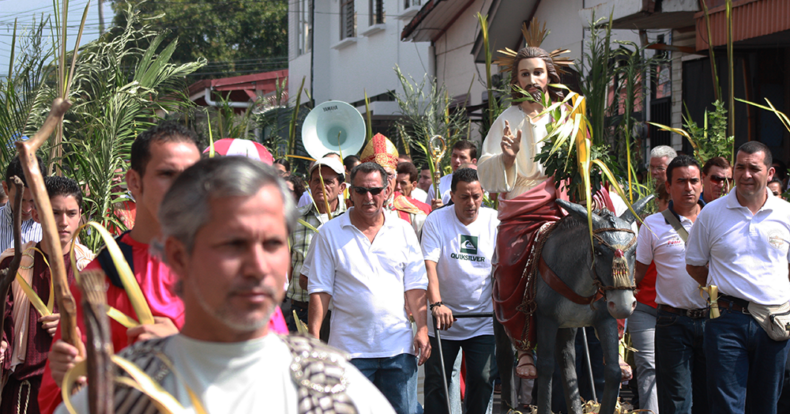
Few events in Costa Rica carry as much cultural significance as Holy Week. More than just a holiday, it is a national pause that reshapes the country’s rhythm and offers one of the most authentic experiences for visitors. In 2026, it will take place from March 29 to April 5, with Holy Thursday (April 2) and Good Friday (April 3) as the most solemn days.
Although officially beginning on Palm Sunday, the country starts winding down several days earlier. By Wednesday, most institutions and businesses have closed or reduced operations, signaling the start of a lull that contrasts sharply with the heavy traffic on the roads.
Religious tradition: the heart in Cartago
As offices close, thousands of people leave the Central Valley for beaches, mountains, and small towns. Travel times to the Pacific coast can double, and the return trip on Sunday faces the same traffic congestion in the opposite direction. Planning your trip is key to avoiding delays.
Cartago becomes the spiritual heart of the country. The Basilica of Our Lady of the Angels draws pilgrims throughout the week, especially on Good Friday, when solemn and deeply meaningful processions take place.
In San José and other cities such as Heredia, Alajuela, and Grecia, the celebrations take on a more intimate and approachable character, with Stations of the Cross reenactments and other religious activities held throughout the week.
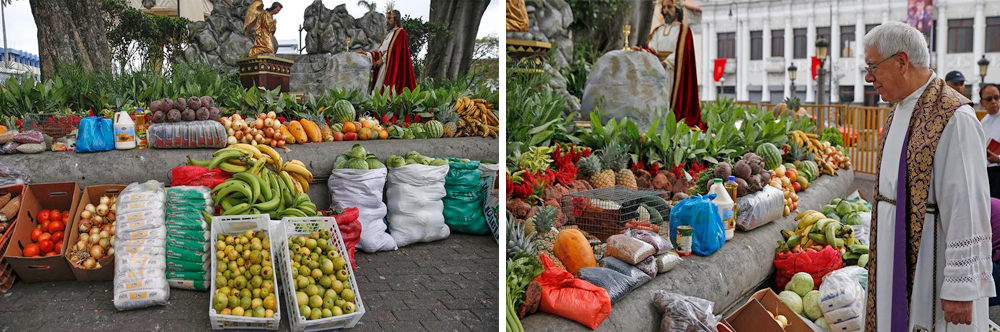
The Holy Week Garden is a centuries-old tradition that blends Indigenous and Spanish heritage. It involves offering agricultural products as a tribute to God. This custom reflects the Indigenous roots of Costa Ricans, as pre-Columbian cultures would present offerings to their gods in gratitude for the harvest and to pray for the year ahead. The Spanish later adapted this practice to Holy Week, creating gardens that commemorate the moment when Jesus prayed in the Garden of Gethsemane. Costa Ricans place fruits, vegetables, corn, and other items on altars set up throughout the cities, typically between Tuesday and Good Friday.
Beaches in the peak season
In contrast, destinations such as Jacó, Manuel Antonio, Tamarindo, Sámara, and Guanacaste take on a completely different vibe. Entire families gather along the coast in a lively, festive atmosphere, filled with music, food, and joyful camaraderie.
Hotel occupancy reaches its peak during this period, making it not the time for solitude, but rather an opportunity to experience the country at its liveliest.
More laid-back options
For those looking to avoid the crowds, mountainous areas such as Monteverde, Cerro de la Muerte, and the Chirripó region offer a more relaxed pace. In addition, national parks and wildlife refuges remain open, providing spaces where nature continues its usual rhythm, unaffected by the holiday.
Tips for a worry-free trip
Planning ahead is essential: booking accommodations, transportation, and activities well before mid-March is highly recommended. It’s also advisable to travel before Wednesday or return after Sunday to avoid the heaviest crowds.
Other important considerations include long lines at gas stations, ATMs running low on cash in tourist areas, and alcohol regulations that, while technically in place, are enforced inconsistently.
Beyond the logistics, Holy Week reveals the true essence of Costa Rica. It is a time when the country comes to a standstill, comes together, and celebrates its traditions without adjusting for visitors. Embracing this rhythm is the key to a truly memorable experience.
Sensorial Sunsets
Navigate articles