
Museums in Costa Rica: how to incorporate them into your trip
Visiting museums in Costa Rica serves two clear purposes: it helps you better understand what you see in the country and offers a practical alternative when the weather is bad. The Costa Rican Tourism Institute has reinforced this idea with materials aimed at visitors, reminding them that the museum offering is not limited to San José.
This guide focuses on museums that really fit into typical travel itineraries, along with some worthwhile detours if you have a vehicle and some extra time.
An easy-to-plan museum day: Downtown San Jose
For a first visit to the country, spending a day visiting the museums in downtown San José is an efficient option. The main archaeological, historical, and art sites are concentrated within walking distance, eliminating the need for long trips.
The usual starting point is the National Museum of Costa Rica, which offers an overview of the country’s archaeology and history, as well as being housed in a building with a military past. A short distance away is the Jade Museum, one of the best places to understand pre-Columbian life through everyday objects, trade items, and funerary contexts. Nearby, beneath the Plaza de la Cultura, the Central Bank Museums allow visitors to see collections of gold, stone, and numismatics in a single visit.
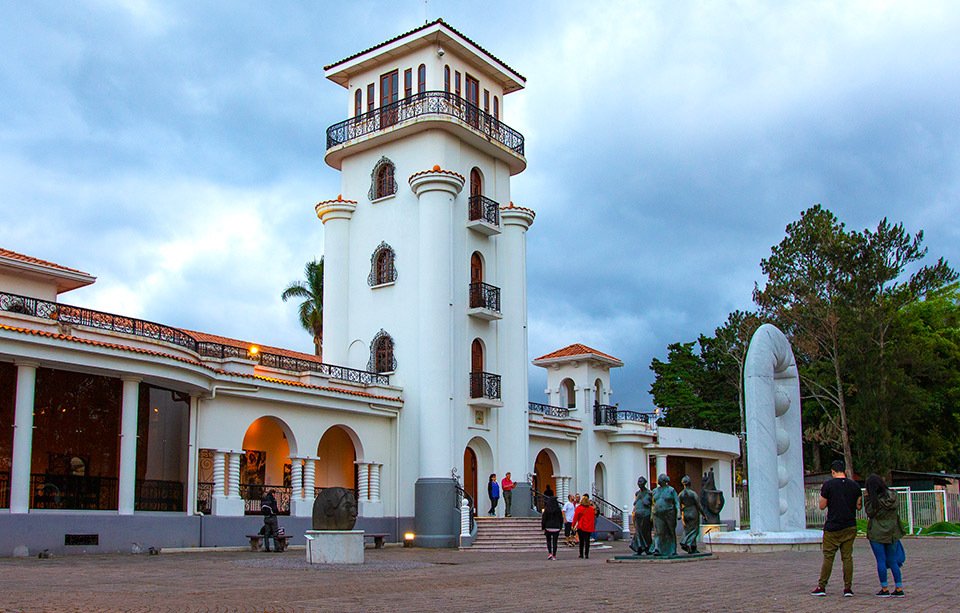
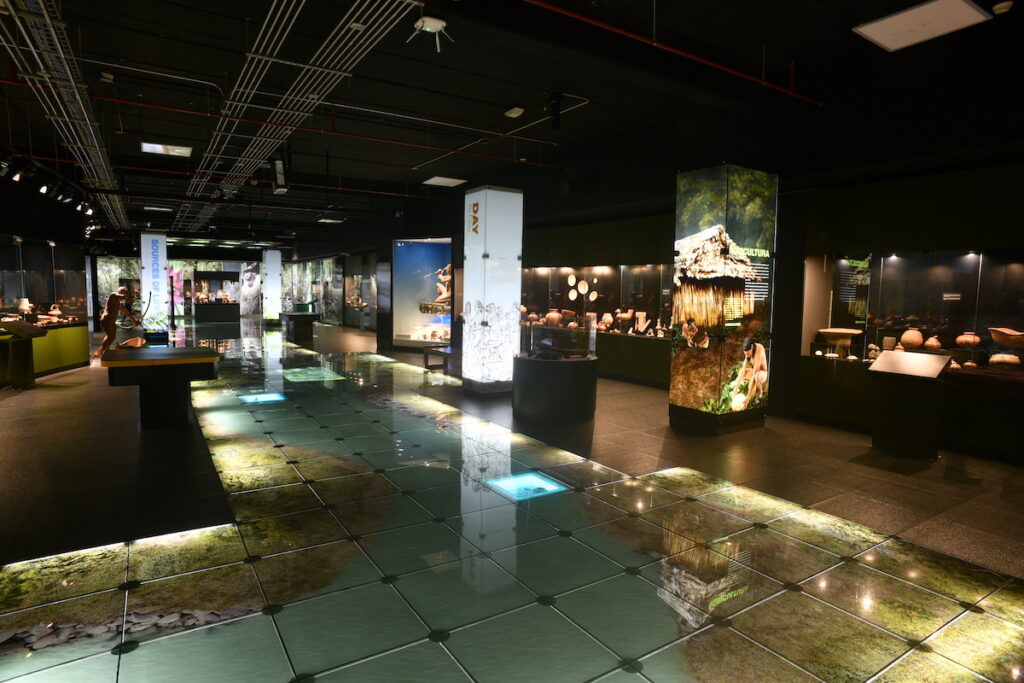
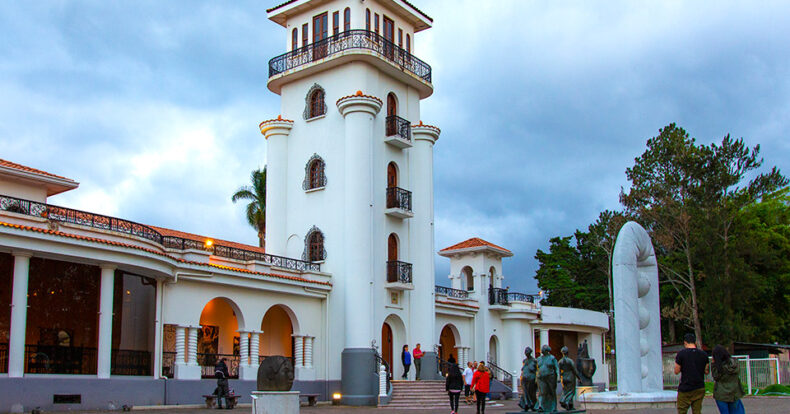
To balance the itinerary with more contemporary offerings, you can add the Museum of Contemporary Art and Design (MADC), with temporary exhibitions, or head to La Sabana to visit the Museum of Costa Rican Art (MAC), which tends to offer a more relaxed pace. If traveling with children, the Children’s Museum is a reliable option for half a day, especially during the rainy season.
Practical tip: some visitors can purchase a combined ticket that includes the National Museum, the Jade Museum , and the Central Bank Museums, known as the “Museum Walk.” It is advisable to check availability and conditions on the day of your visit or online, as they may vary.
San Jose: museums worth the detour
Outside the capital, museums tend to be smaller and more regionally focused, which is often an advantage. They work best when they fit naturally into your itinerary: as a break between beach destinations, an excursion from a rural area, or a way to understand local history through its current communities.
The key is to choose one or two museums outside San José that fit in with your itinerary, rather than trying to cover them all. The best experiences often arise when the museum relates directly to the surrounding area: cacao in the Caribbean, indigenous cultures in the south, mining in Guanacaste, or pottery in Nicoya.
Caribbean: cocoa culture
On the Caribbean coast, experiences related to cacao combine local history with hands-on activities. The focus is on the entire process: from the fruit and fermentation to drying, traditional tools, and chocolate tasting. It’s not about display cases, but about learning by going through the process.

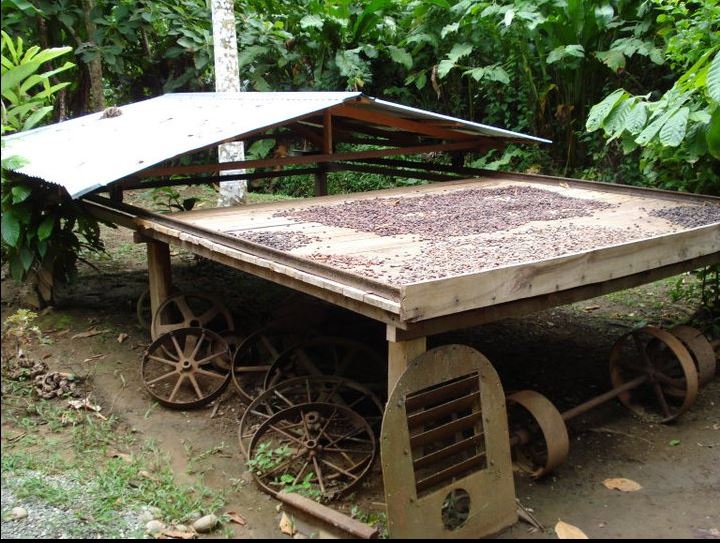
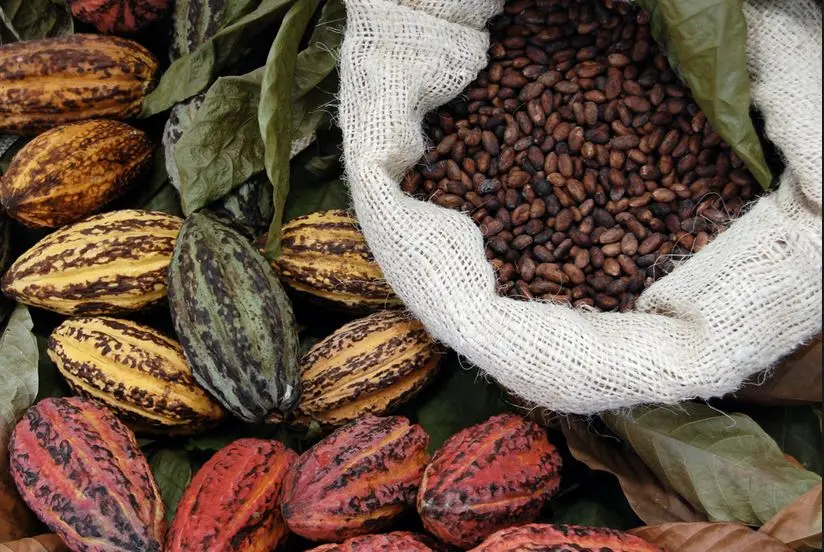
Another great option is the museum-like experience at Cacao Trails, near Cahuita, which combines history, production, and tasting. It’s a perfect half-day activity during a visit to Puerto Viejo or Cahuita, especially for those looking for an alternative to the beach without having to travel far.
Southern Zone: indigenous culture
Southern Zone: indigenous culture
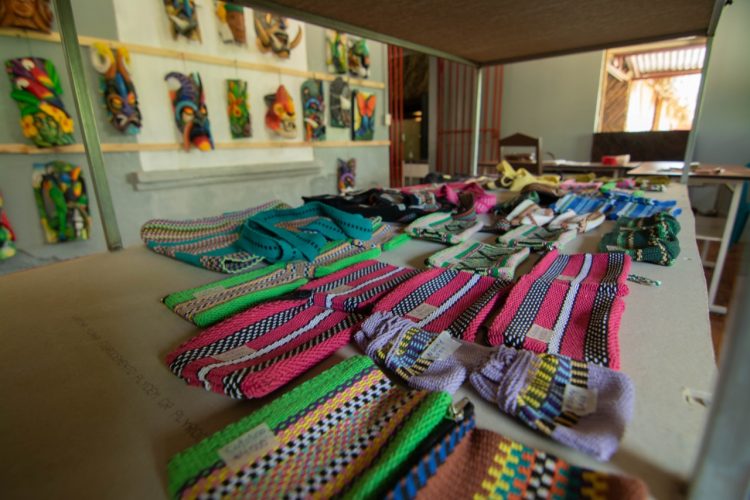
The Boruca Indigenous Community Museum, in Buenos Aires de Puntarenas, is best enjoyed without rushing. Its focus is on preserving Boruca cultural and natural heritage, including traditional weaving and craft techniques. To make the most of your visit, it is advisable to spend time with the community and purchase pieces directly from local artisans whenever possible.

If your journey continues to Palmar Sur, Uvita, or the Osa Peninsula, Finca 6 is a key stop related to the stone spheres. It is one of the most important cultural sites in the country and works well as a break on a long travel day. It offers a deep historical perspective that complements the natural landscapes of the south.
Guanacaste: community, history, and art
Guanacaste can feel repetitive if you only visit the coastal towns. Including a museum is an easy way to discover another dimension of the province, especially through community initiatives.
The Abangares Mining Ecomuseum presents local history linked to work and mining. It is a useful stop if you are traveling between inland routes and the coast, and helps you understand the development of the region without resorting to elaborate displays.
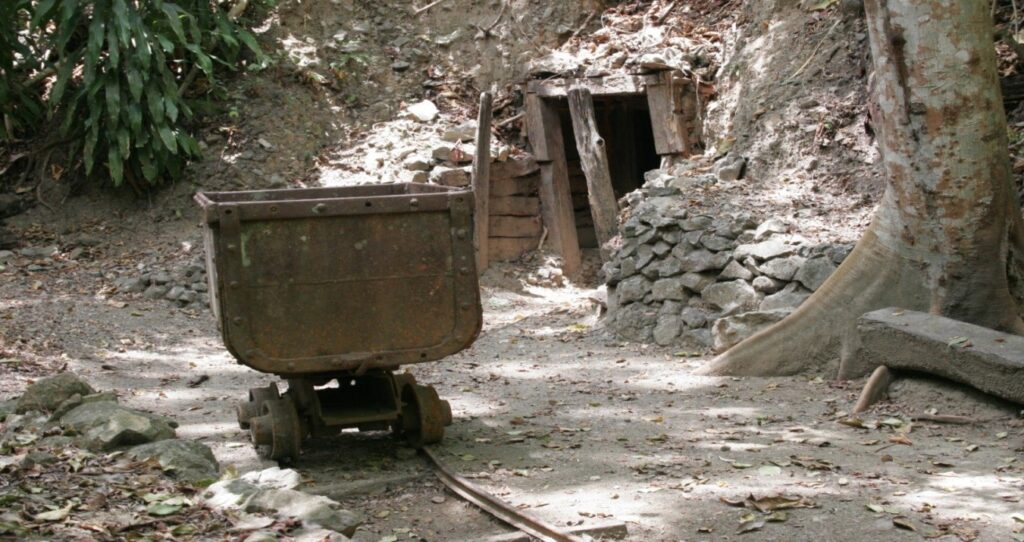
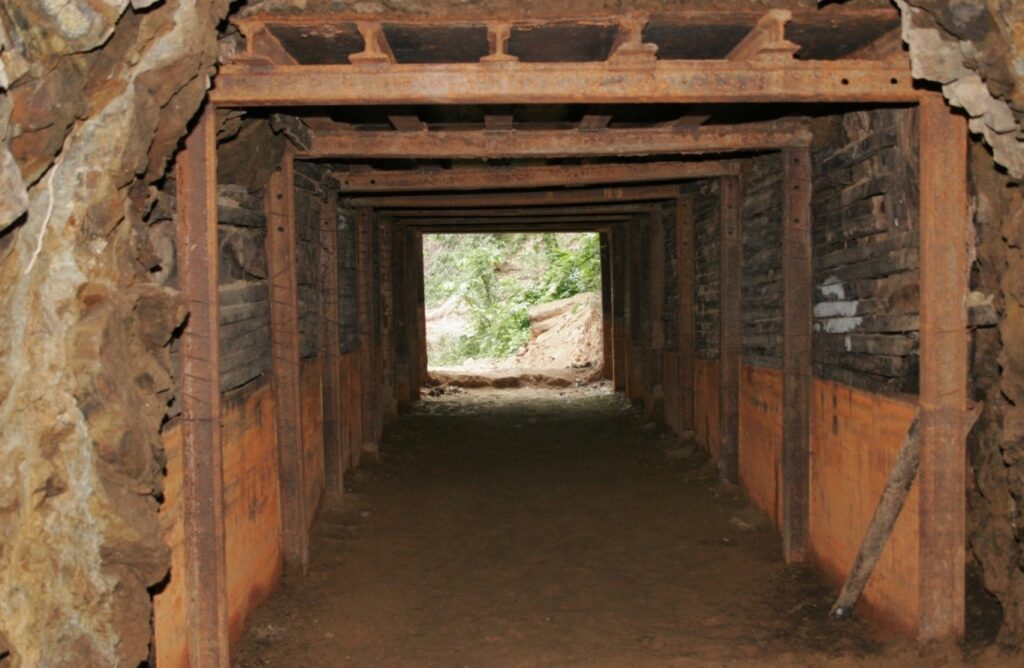
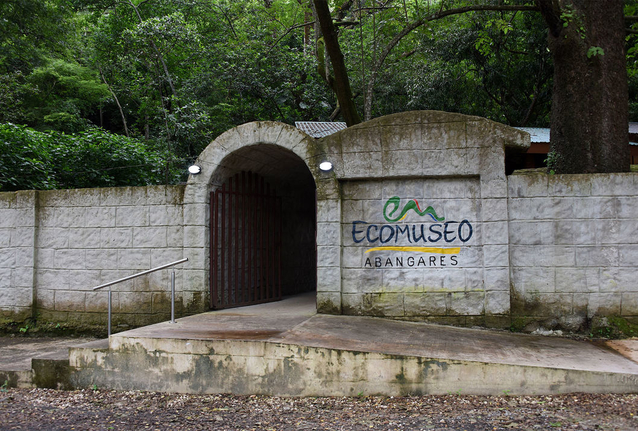
On a different note, the Punta Islita outdoor contemporary art museum offers a walking tour of works integrated into the environment and community context. It works well for those staying in the area or looking for an artistic experience outside the traditional closed-room format.
On the Nicoya Peninsula, the ceramic tradition of San Vicente de Nicoya connects directly with the Chorotega heritage. This experience provides context for recognizing styles and techniques that are repeated in markets, homes, and artisan workshops throughout Guanacaste.
How to plan a day at the museum without it feeling tedious
A day at the museum can often be exhausting when approached as a to-do list. It’s better to maintain a realistic pace and include breaks for coffee, lunch, and aimless strolls. In San José, three museums are enough for a well-spent full day. A common and functional order is: National Museum, Jade Museum, and Central Bank Museums. If you add a fourth, it should be something lighter, such as the MADC or the MAC, or end the day with an early dinner.
Outside the capital, the most effective approach is to adjust visits to pre-planned routes and confirm schedules on the same day. Many small museums may close due to local events, holidays, or staffing limitations, which is common in a country where these institutions operate on tight budgets.
Choosing museums that explain the place where you are makes all the difference. Cocoa in the Caribbean, the Boruca heritage in the south, or pottery in Guanacaste make sense because they engage with the immediate environment. When that happens, the museum ceases to be a detour and becomes part of the journey.
Simple and realistic itineraries
A day in San José (classic tour)
- Morning: National Museum
- Noon: Jade Museum
- Afternoon: Central Bank Museums
- Optional stop: MADC or MAC
Two days with a cultural focus (adaptable to many trips)
- Day 1: Museum tour in San José
- Day 2 (choose according to route):
- Caribbean: cocoa experience near Cahuita or Puerto Viejo
- South Zone: Boruca Community Museum and/or Finca 6
- Guanacaste: Abangares mining museum or San Vicente pottery, with Punta Islita if you are nearby
The key point is simple: integrate museums into the itinerary that is already being followed. In this way, museums in Costa Rica cease to be an optional activity and become one of the most direct ways to understand the country beyond its best-known landscapes.
Sensorial Sunsets
Navigate articles