

Sport Fishing in Costa Rica: Changes in Target Species Populations
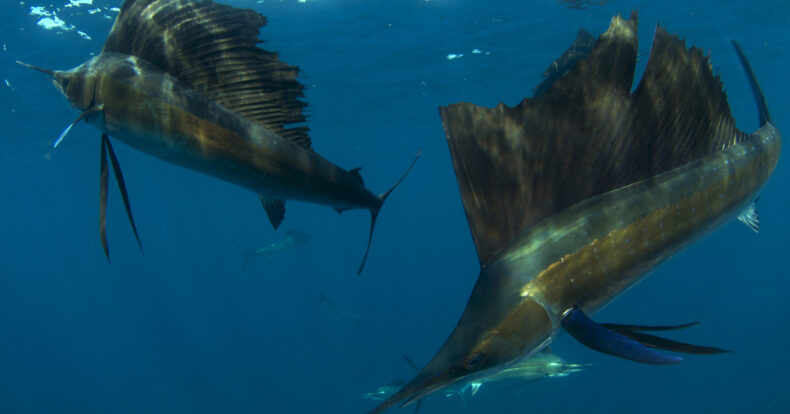
Sport fishing for sailfish and accompanying species represents one of the main sources of income for Costa Rica, especially for coastal communities on the Pacific and Caribbean coasts. Despite its economic and tourist importance, however, for years there has been limited information on the actual availability of these species for recreational fleets.
A recent study conducted by the Costa Rican Fishing Federation (FECOP) fills this gap. The research estimated the catch per unit effort (CPUE) of sailfish, marlin, yellowfin tuna, and dorado (mahi mahi) along the central and southern Pacific coast between 2011 and 2023. This study is the first to provide data on the fishing effort and catch of these species in the central and southern Pacific.
Sport fishing and sustainability
The analysis reveals that fluctuations in sailfish abundance observed by recreational fleets are primarily related to changes in commercial catches and, secondarily, to variations in sea surface temperature. In years with higher commercial sailfish landings, recreational CPUE was lower, suggesting direct competition between fleets. In contrast, warmer sea temperatures were associated with higher recreational catches, highlighting the sensitivity of this species to environmental conditions.

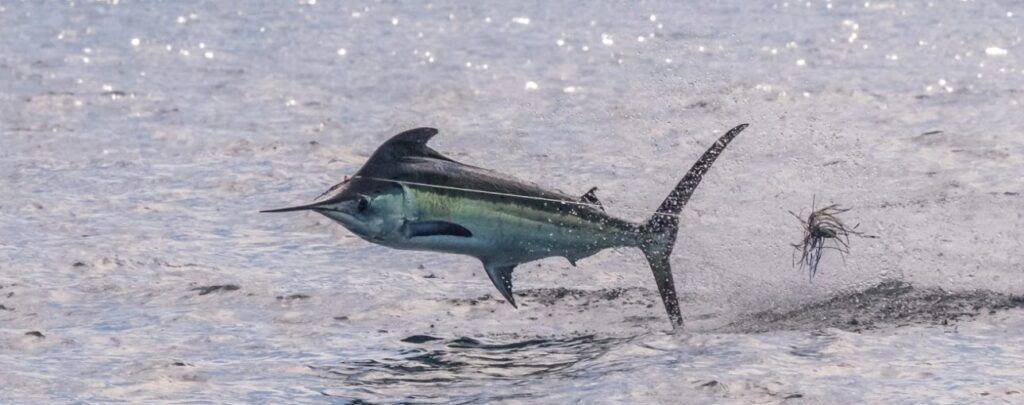
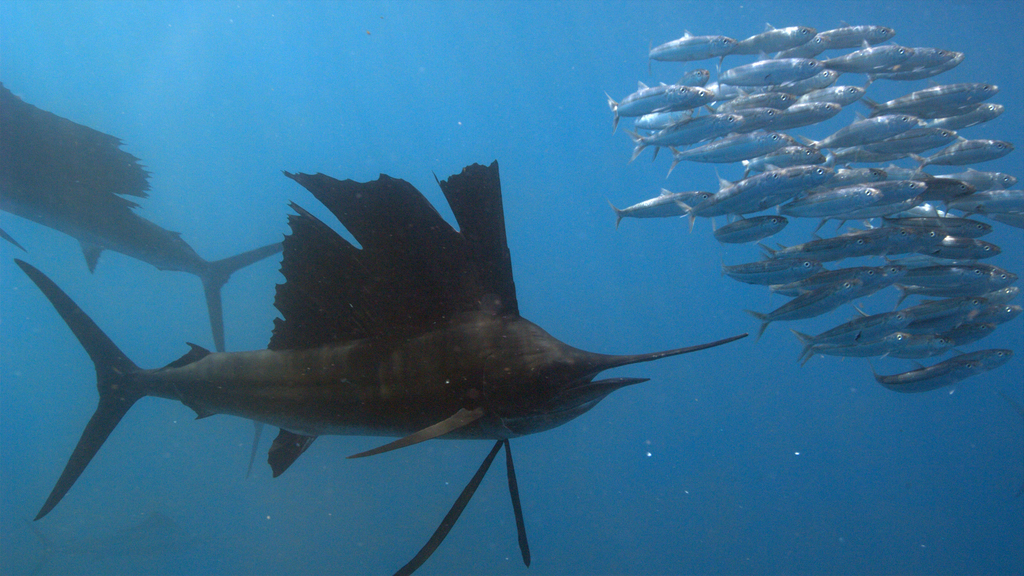
The trends for marlin and dorado were different. In these cases, the increase in commercial catches coincided with an increase in recreational catches, indicating similar population responses and growth patterns in both types of fleets. For yellowfin tuna, however, no clear relationship was found between commercial and recreational fishing. Although the CPUE for marlin, tuna, and dorado increased over the study period, these changes showed little connection with sea temperature variability.
What is happening to sailfish in Costa Rica?
The sailfish, the main attraction of tourist fishing in Costa Rica, experienced a 45% to 65% drop in CPUE. Currently, recreational fishermen need to invest more time and make more trips to catch and release a single specimen, highlighting the urgent need to improve bycatch management and strengthen the protection of this species, which is key to the national economy.
In contrast, marlin populations appear to be stable or showing slight growth, especially in the South Pacific. This has reduced the time needed to achieve successful releases and contributes to maintaining high-quality recreational fishing experiences.
The study provides clear evidence of how environmental dynamics and resource use directly influence the availability of key species. Integrating these findings into fisheries management is essential to protect both the sustainability of marine resources and coastal tourism economies. Similarly, research conducted by Texas Tech University in Costa Rica confirms that the availability of species such as sailfish and marlin directly influences visitor satisfaction, repeat tourism, and destination recommendations.
A resource at risk
The study, conducted by specialists from FECOP, highlights the importance of incorporating recreational fishing data into fisheries management strategies. Researcher Johel Chaves Campos emphasized that having robust information on species abundance is essential to ensuring sustainability, and noted that Costa Rica has not yet adopted science-based license adjustments, such as those already in place in countries like Peru.
Overall, the results represent an urgent call to strengthen the comprehensive management of sport fishing, not only as a recreational activity, but as a strategic pillar for marine conservation and the sustainable development of the country.
Sensorial Sunsets
Navigate articles