
Sustainable sport fishing in Barra del Colorado: the model driving Costa Rica
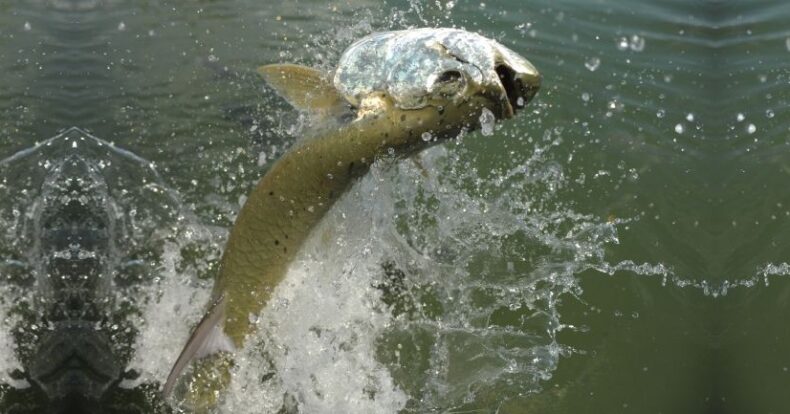
In Costa Rica’s northern Caribbean, Barra del Colorado is emerging as an international leader in sustainable sport fishing. Renowned worldwide for its tarpon fishery, the region is evolving toward a model that combines conservation, tourism, and community development.
Led by the Costa Rican Federation of Sport Fishing (FECOP) and supported by the commitment of local communities, this approach aims to protect marine resources while strengthening the regional economy.
Barra del Colorado: A Top Destination for Tarpon Fishing
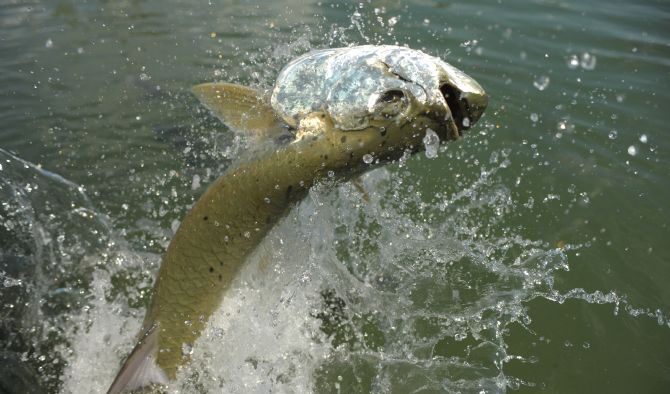
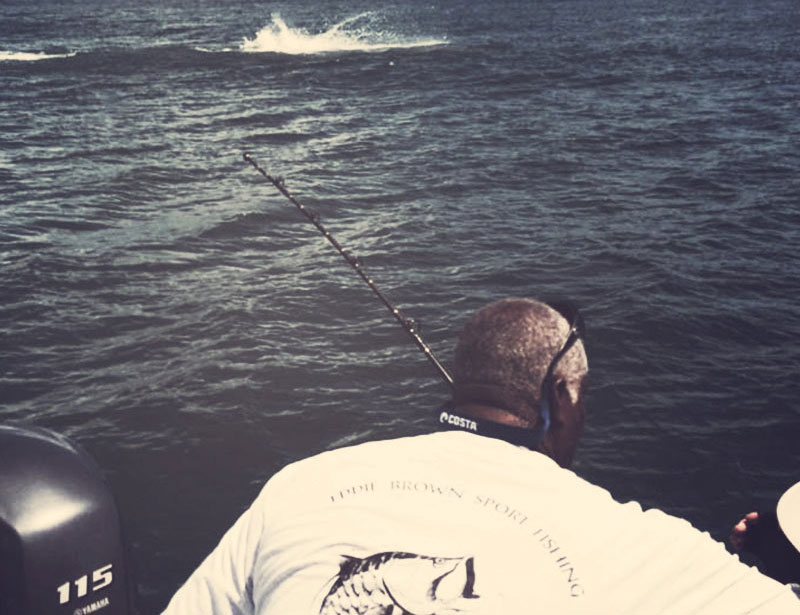
Located in a remote area rich in biodiversity, Barra del Colorado is considered one of the world’s best destinations for tarpon fishing. Every year, sport fishermen from around the globe visit the region, drawn by its legendary tarpon runs.
This international recognition has made sport fishing one of the main drivers of the local economy.
FECOP is leading efforts toward responsible fishing
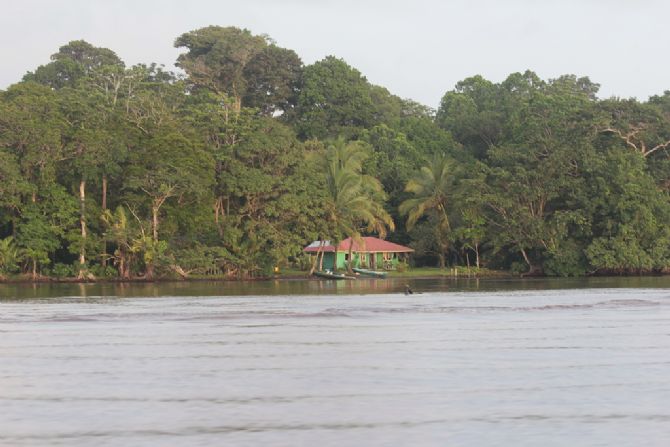
As part of these efforts, FECOP recently organized a strategic meeting at the renowned Silver King Lodge, bringing together fishing captains, scientists, professional fishermen, and instructors from the National Coast Guard.
During the event, a number of key topics were discussed, including:
- Updated regulations on sport fishing
- Safety protocols at sea
- Best practices in sustainable fishing
- Conservation based on scientific evidence
The main objective was to bring all stakeholders together under a common vision: to protect the fishery and ensure its long-term sustainability.
Silver King Lodge: History and Tradition in Sport Fishing
The Silver King Lodge not only hosted the event but also stands as a symbol of the history of sport fishing in Costa Rica. For decades, this lodge has been a gathering place for anglers from around the world, contributing significantly to the tourism and economic development of Barra del Colorado.
Its legacy is deeply intertwined with the region’s growth as an international fishing
Conservation and the economy: two inseparable pillars
One of the key messages of the meeting was clear: a healthy fishery is essential to the local economy.
Sport fishing tourism generates jobs and income for:
- Captains and guides
- Lodges and accommodations
- Transportation services
- Local businesses
For this reason, practices such as catch-and-release, proper management of species, and compliance with regulations are essential to ensuring the sustainability of the resource.
Inclusion in Sport Fishing: The Role of Women
FECOP is also working toward a more inclusive future through its fishing school for women. This program aims to train young women to become captains and sailors, opening up new job opportunities in a sector historically dominated by men.
This initiative not only promotes gender equality, but also strengthens community development and diversifies the industry.
A sustainable model for Costa Rica and the world
The efforts underway in Barra del Colorado are establishing the region as a national and international model of responsible sport fishing.
Thanks to collaboration among organizations, scientists, and local communities, it has been demonstrated that:
- Environmental conservation and economic growth can coexist.
- Sustainable sport fishing is a real tool for development
- Collaboration is key to protecting marine resources
The future of sport fishing in Costa Rica
As these initiatives continue to evolve, Barra del Colorado is emerging as a model that can be replicated by other coastal communities in Costa Rica and beyond.
By striking a balance between tradition, science, and collaboration, the country reaffirms its position as a leader in sustainable tourism and marine conservation.
Sensorial Sunsets