

“The Picadillo Route” by the ICT to Promote Culinary Tourism in Costa Rica
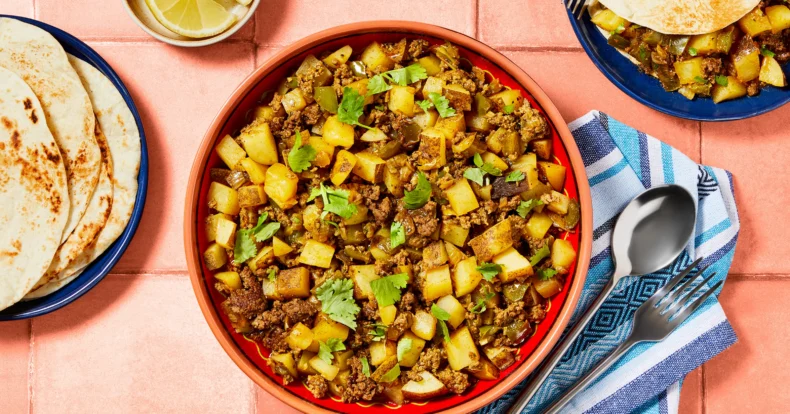
The Costa Rican Tourism Institute (ICT) officially unveiled “The Picadillo Route,” an audiovisual project that invites visitors to explore the country’s seven provinces through one of the most iconic dishes in Costa Rican cuisine: picadillo.
The initiative is part of the “Costa Rica: A Country of Flavors to Discover” strategy, launched by the ICT in 2022, and aims to position gastronomy as a key driver of tourism. Through this culinary route, it invites both domestic and international visitors to discover the country’s cultural richness through its traditional recipes, local ingredients, and culinary practices.
For nearly two months, Costa Rican chef Carlos Alpízar traveled across different regions of the country, collaborating with local cooks to create various versions of picadillo. Each dish reflects the identity of its community, using locally sourced ingredients and techniques passed down from generation to generation.
“The Picadillo Route”
According to the ICT, gastronomy has established itself as one of the main reasons for traveling.
Cuisine is the second most important reason people travel and an essential part of the travel experience, as it offers a window into a country’s culture and traditions.
The series showcases everyday settings, ranging from wood-fired kitchens and family homes to local cafés and restaurants. In each episode, in addition to demonstrating how the dishes are prepared, it shares stories, knowledge, and techniques aimed at preserving Costa Rican culinary traditions and fostering pride in local cuisine.
A culinary journey across the country
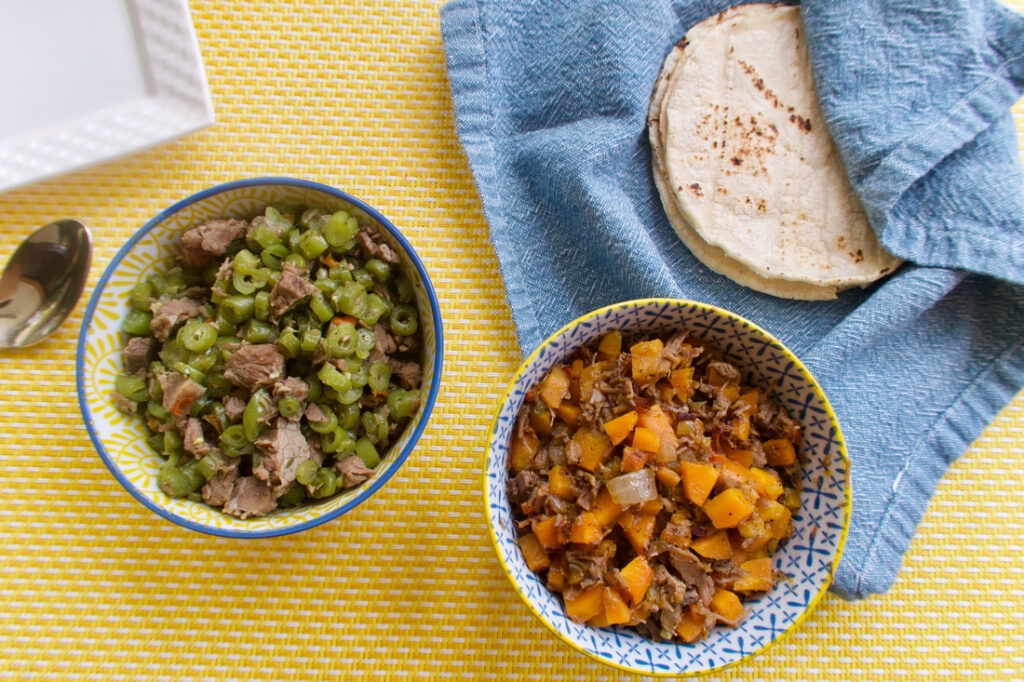
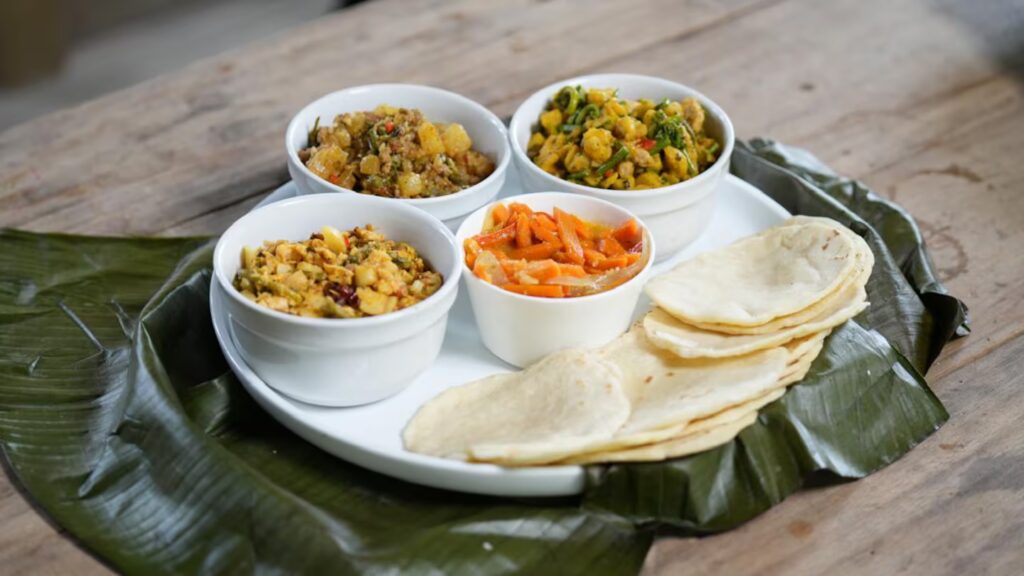
The route highlights a wide variety of picadillos, each with its own unique regional flair. In the South Pacific, specifically in Uvita, Alpízar prepared a bamboo picadillo with chorizo alongside cooks Marlon Acuña and Lupita Abarca. In Cartago, he worked with chef Luis Chaves to create a malanga picadillo with osso buco.
In Guanacaste, in the community of Corralillo de Nicoya, Marta Rosales shared her traditional recipe for chilote stew with dough. In Heredia, Karla Salas prepared a heart of palm stew, while in Alajuela, Floribeth Araya made an arracache stew with potatoes and meat, a dish typical of local cuisine.
The tour also included the province of Limón, where the production team visited the indigenous community of Suretka in Talamanca. There, Rafael Cabraca prepared a dish of green plantains, pork, and monkey-tail fern over an open fire, highlighting the cultural richness of the indigenous peoples.
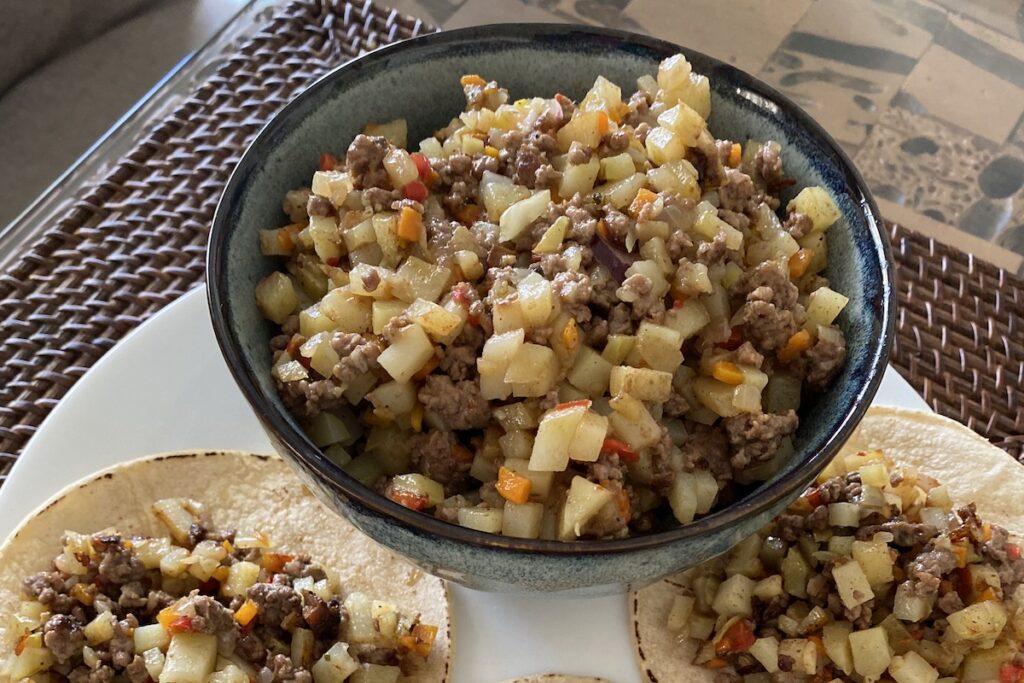
The experience culminates at the Central Market in San José, where the cooks at the Flor del Carmen soda prepare the classic potato picadillo with chicasquil, served like every dish along the route with handmade corn tortillas.
More than just recipes: identity and memory
The Picadillo Route is a collection not only of recipes, but also of stories, small snapshots of what Costa Rica is, its cuisine, and what it could become. It shows that the country still has many flavors waiting to be discovered.
Through this initiative, the ICT aims not only to attract tourists but also to preserve and promote the country’s culinary heritage, recognizing the cultural value of culinary traditions and their role in shaping national identity.
Sensorial Sunsets