
Las Pumas: Hope for Costa Rican Wildlife


Las Pumas Wildlife Rescue Center
In theory, wildlife rehabilitation seems like a simple process: a wild animal needs help, receives medical care, recovers, and is finally released back into its natural habitat. In many people’s imagination, before disappearing into the forest, the animal even seems to look back as if to express gratitude for the gesture. However, the reality is far more complex. Behind every successful release lies an enormous amount of work that combines scientific knowledge, specialized veterinary care, wildlife biology, constant dedication, and significant financial resources.
Las Pumas Rescue Center and their work for Costa Rican wildlife
In Costa Rica, one of the places where this work is carried out with great professionalism is Las Pumas Wildlife Rescue Center, located just outside Cañas, in the province of Guanacaste. This center has become a key institution for the protection of the country’s wildlife.
Every year, Las Pumas receives between 350 and 400 animals from more than 80 different species. Many of these animals arrive at the center through government authorities or concerned citizens who find injured, orphaned, or endangered wildlife. The team’s main goal is always the same: to rehabilitate each animal and return it to its natural environment whenever possible.
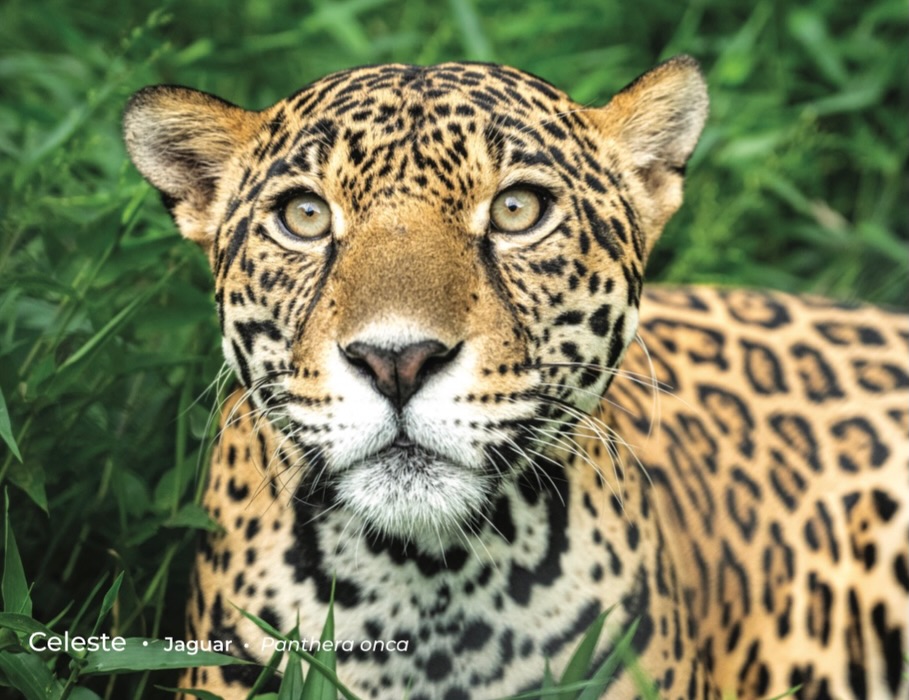
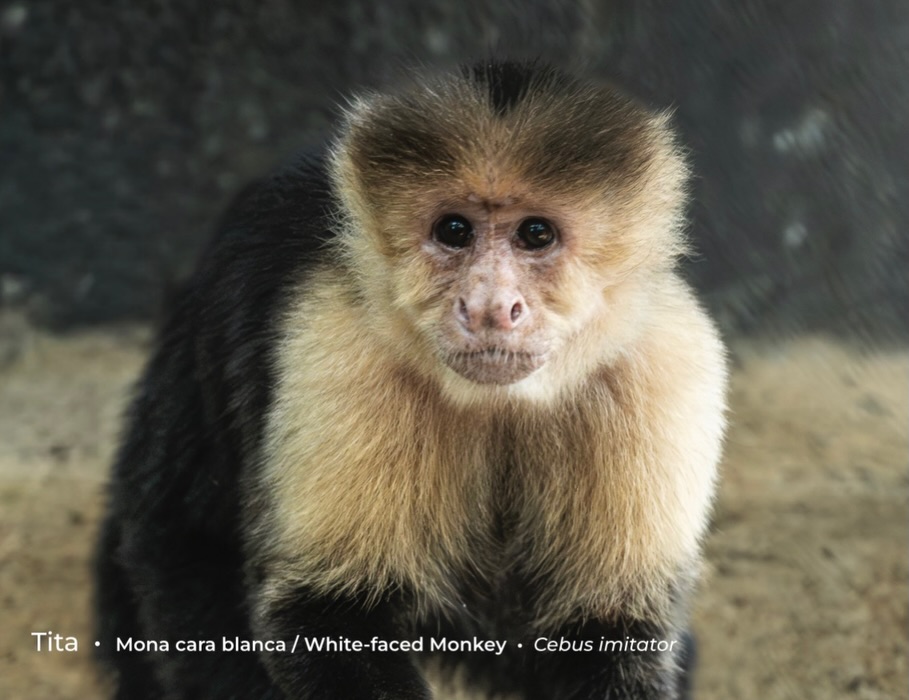
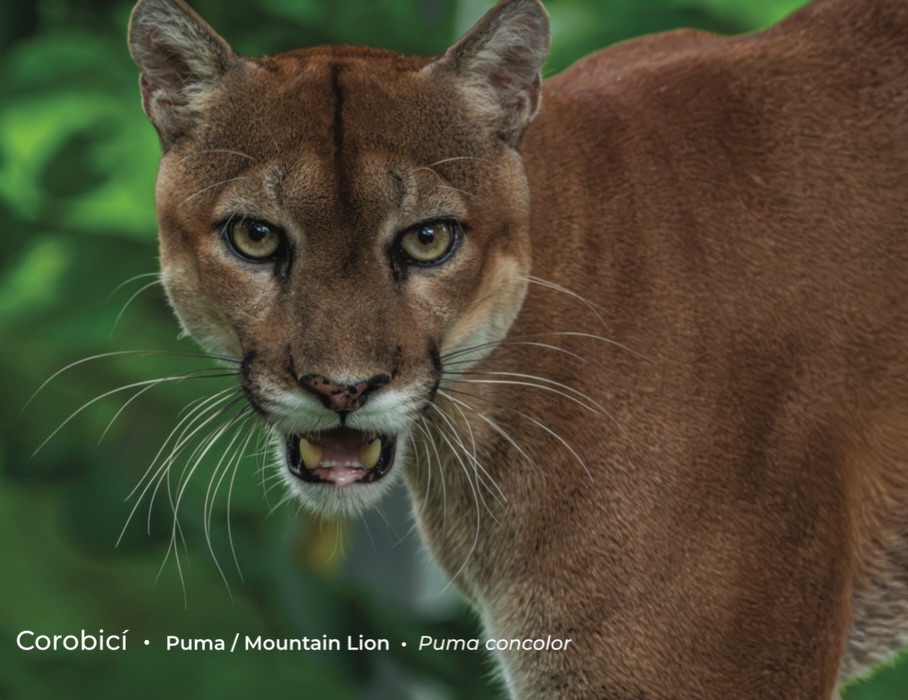
To achieve this, the center operates a specialized rehabilitation program that is not open to the public. There, animals receive veterinary treatment, specialized care, and, in some cases, the time they need to grow and develop before being released. For example, some arrive as young animals that must mature in a safe environment before they can survive on their own in the wild.
Rescue and rehabilitation: the mission of Las Pumas Center
A fundamental aspect of the rehabilitation process is limiting human contact as much as possible. This is crucial to prevent animals from becoming accustomed to the presence of people, which could put them at risk if they are returned to the wild.
Not all cases end in release. Some animals have permanent injuries or have developed too strong a dependence on humans, making it impossible for them to return to the wild. Although this situation can be unfortunate, the center offers them a second chance: they live in spacious enclosures designed for their well-being, where they can also be observed by visitors. These public areas also serve an educational purpose, allowing individuals and families to learn more about Costa Rican wildlife and the importance of protecting it.
Between rescues and releases
Maintaining a rescue center of this caliber requires a considerable financial effort. Las Pumas’ annual operating costs exceed $300,000, yet the government contributes only about 2% of that budget. Most of the funding comes from donations from individuals and companies, as well as from the entrance fees paid by visitors to the sanctuary.
For this reason, one of the best ways to support the work of Las Pumas Wildlife Rescue Center is by visiting its facilities or making a donation. Every contribution helps continue the mission of rescuing, rehabilitating, and protecting Costa Rica’s extraordinary biodiversity.
More than just a place to observe animals, Las Pumas represents an ongoing effort to give wildlife a second chance and strengthen conservation in one of the most biodiverse countries in the world.
Sensorial Sunsets
Navigate articles