
Costa Rica’s Fungi: We Know Only 4% of Its Species
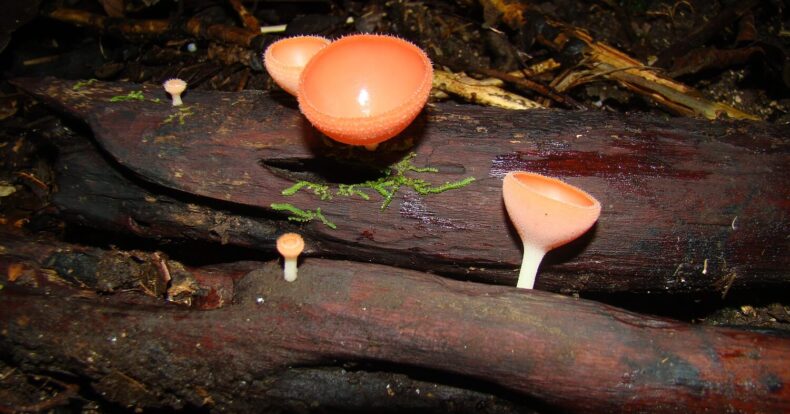
Costa Rica is known for its biodiversity, but there is still a great deal we do not know about one group of organisms: fungi. Around 6,500 fungal species are currently known in the country, but this figure represents only about 4% of the estimated total. Studies suggest that Costa Rica could be home to approximately 159,000 species, leaving a vast number still to be discovered and studied.
A Different Kingdom
For a long time, fungi were considered part of the plant kingdom. Modern science, however, recognizes that they have their own characteristics and classifies them in a separate kingdom: Fungi. One of their distinctive features is the way they obtain nutrients. Instead of ingesting food, fungi release enzymes that break down the material around them. They then absorb the resulting compounds.
Fungi do not have mouths or stomachs. Their bodies are made up of filamentous structures called hyphae, which group together to form the mycelium. Through their hyphae, fungi release enzymes capable of breaking down the substrate where they grow. This process allows them to obtain nutrients from materials such as wood and plant remains. Fungi also have characteristics that make them more closely related to animals than to plants in some respects. Their cell walls contain chitin, while they produce ergosterol, a compound that differs from the cholesterol found in animals.
An Inventory That Is Still Incomplete
Although Costa Rica is home to nearly 5% of the world’s biodiversity, fungi have received less attention than other groups of organisms. For years, many biodiversity inventories did not adequately include them. Research efforts have helped advance the identification and documentation of species found in the country. These records provide valuable information for understanding Costa Rica’s biological richness and for environmental impact studies and conservation efforts.
The figure of 6,500 species is significant when compared with other countries. Canada, whose territory is about 195 times larger than Costa Rica’s, has approximately 10,663 documented fungal species. The Netherlands, which is similar in size to Costa Rica, has around 5,000 documented species. These figures also highlight how much remains to be investigated, particularly in tropical regions, where biological diversity is especially high.
Why Are Fungi Important?
In ecosystems, fungi break down organic matter and help return nutrients to natural cycles. They can also influence populations of other organisms. Some species limit the growth of certain plants and help maintain ecological balance.
Their importance also extends to various human activities. Fungi have applications in medicine, industry, and environmental protection. Penicillin and cyclosporine, for example, originated from compounds produced by fungi. Their enzymes are also studied and used in processes related to the production of paper, detergents, paints, and textiles.
Researchers are also exploring fungal applications for producing alternatives to Styrofoam and developing products with a lower environmental impact. Some species can help break down certain pollutants, while others are being studied as potential sources of compounds with medical applications.
Fungi in the Greater Metropolitan Area
Records from the Greater Metropolitan Area (GAM) provide a glimpse into the diversity of fungi found in this region. So far, 187 species have been documented, belonging to 111 genera and 58 families. Of these, 15 belong to Ascomycota and 172 to Basidiomycota.
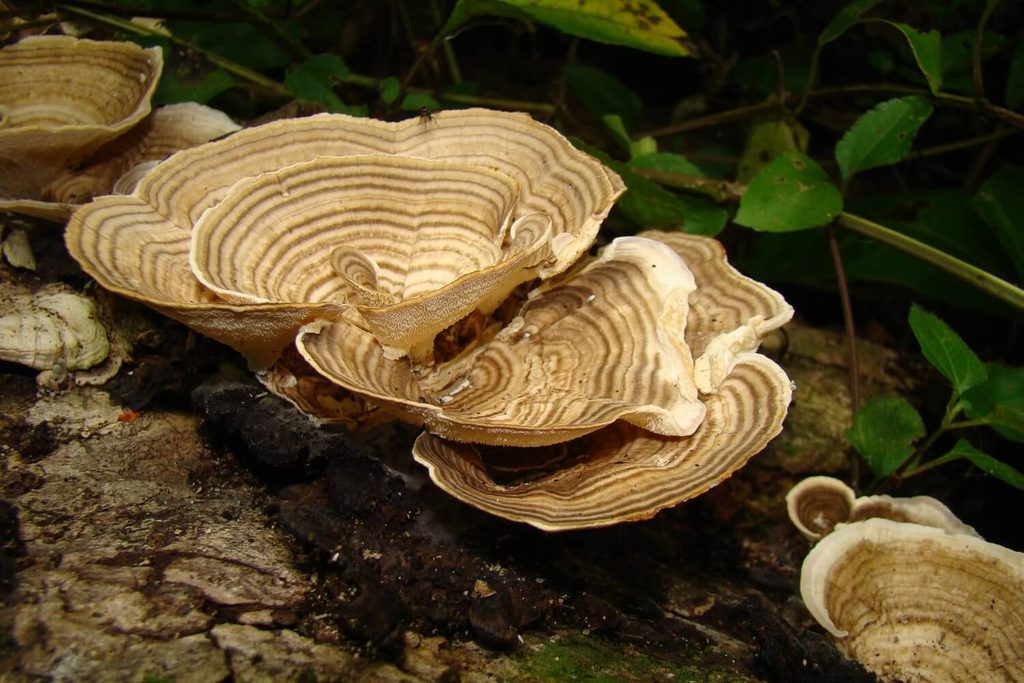
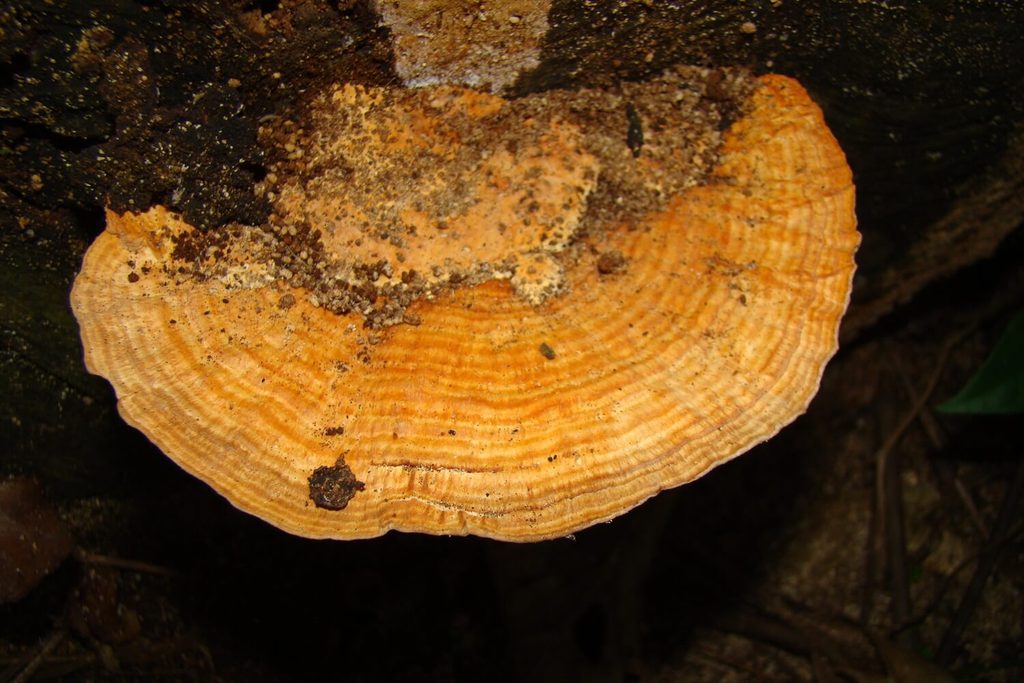
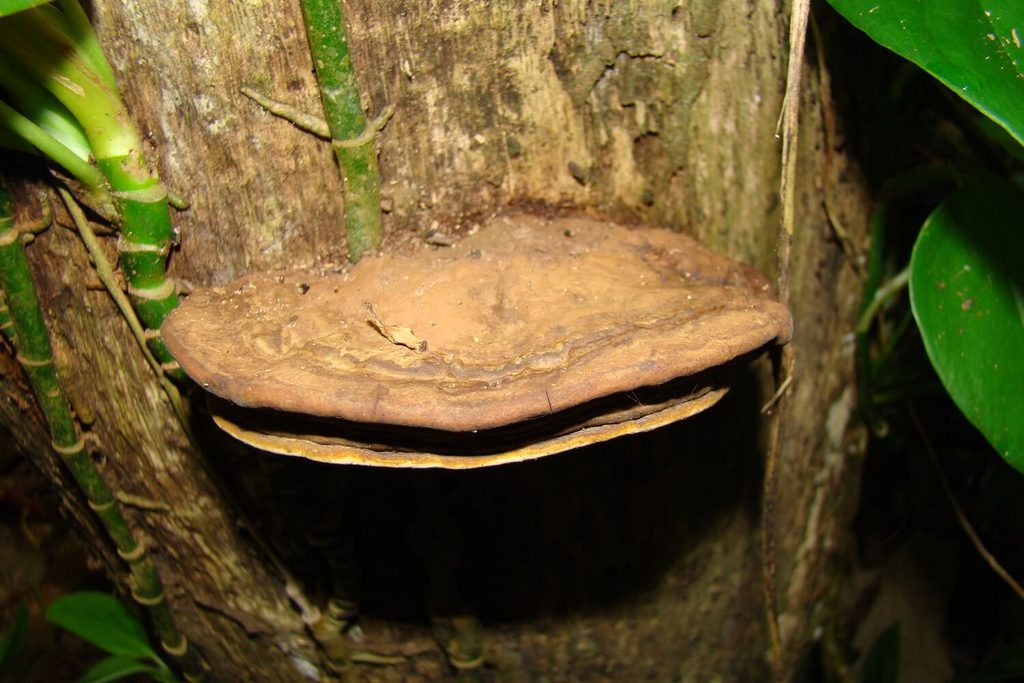
The recorded genera include Cookeina, Puccinia, Trametes, Geastrum, Auricularia, and Ganoderma. The GAM is also home to species of culinary, medicinal, and industrial interest. Edible fungi include Pleurotus ostreatus, Cookeina speciosa, and several species of Auricularia. Others, such as Ganoderma and Pycnoporus sanguineus, are of medicinal interest.
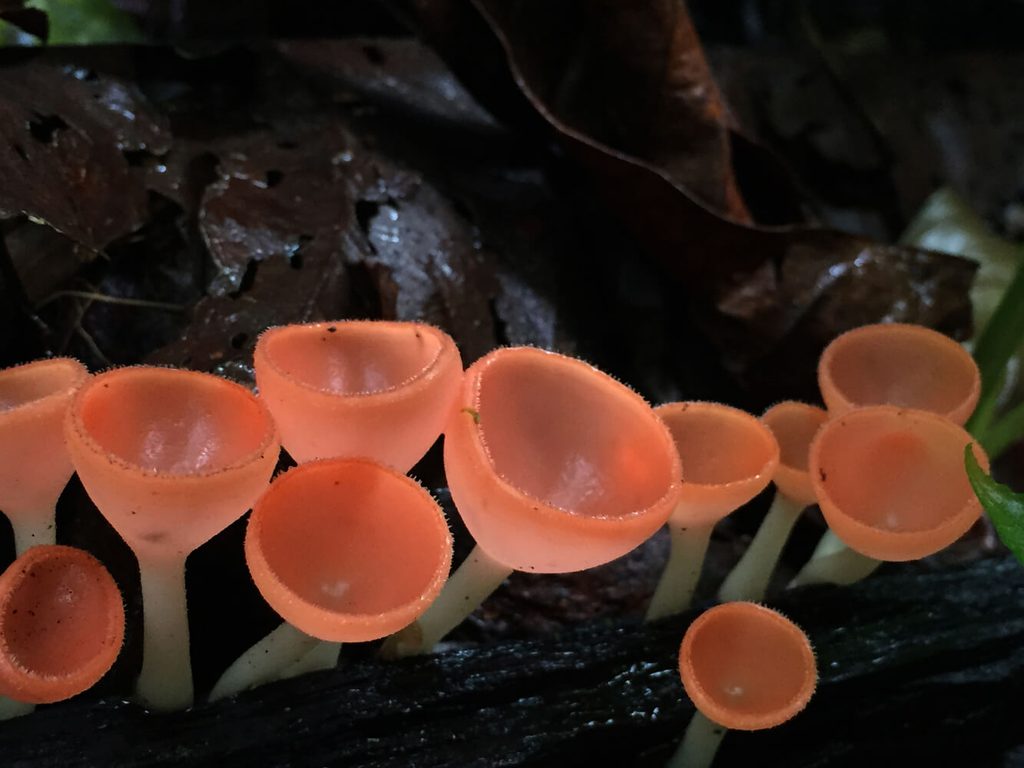
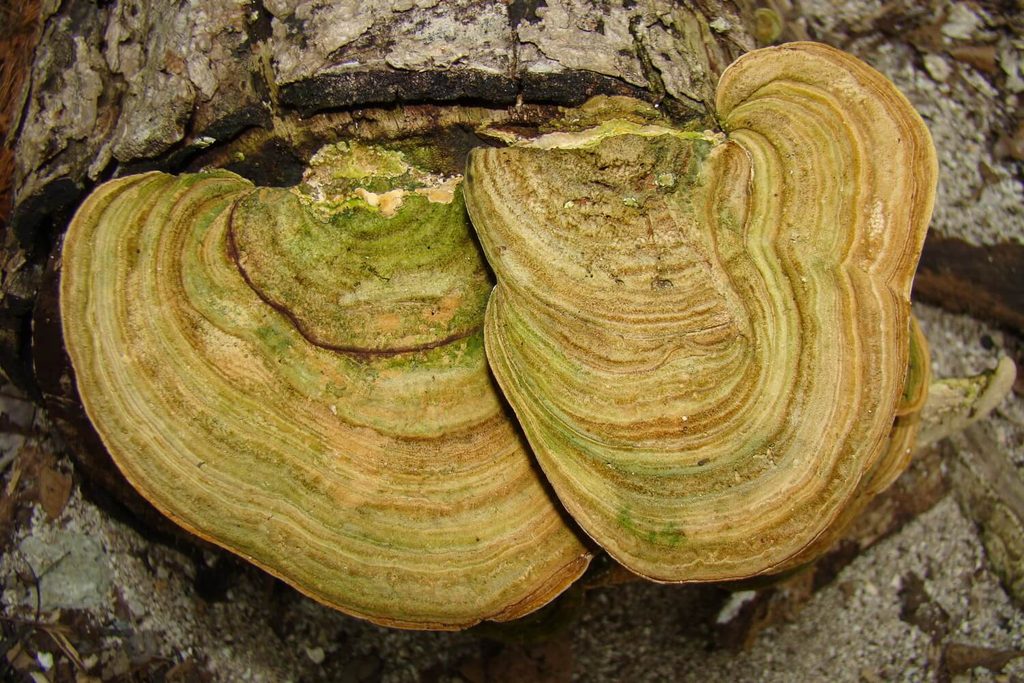
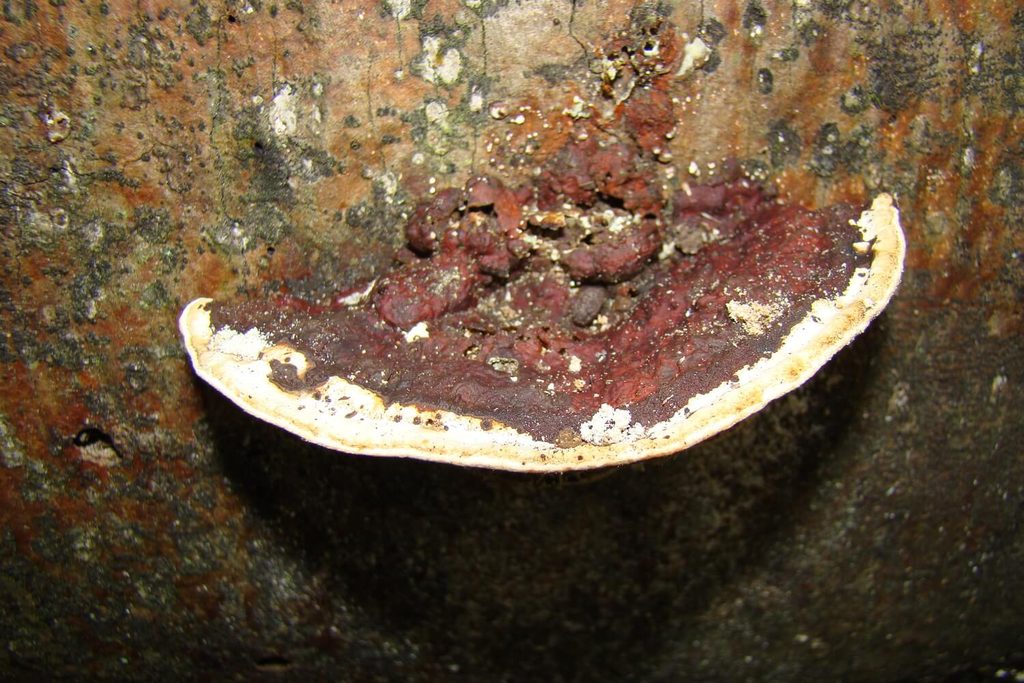
Toxic species are also present, such as Chlorophyllum molybdites. However, the available records do not yet represent the region’s full diversity. The 187 documented species correspond to approximately 51% of the 365 species estimated for the GAM using the Chao-1 richness estimator. Microfungi are likely among the least documented groups. Their small size can make them difficult to detect during field research, meaning that many species may go uncollected.
A World Still Waiting to Be Discovered
Current knowledge represents only a small part of the fungal diversity that could exist in Costa Rica. If the estimates are correct, 96% of the country’s fungal species have yet to be discovered. Expanding these inventories will provide a better understanding of Costa Rica’s biodiversity and the role these organisms play in ecosystems.
It could also help identify new applications in fields such as medicine, industry, and environmental protection. Fungi are part of essential natural processes and, at the same time, represent one of the major groups of biodiversity that Costa Rica still has to explore.
Sensorial Sunsets
Navigate articles