Collecting Comics in Costa Rica: Federico Castro and His Passion for Marvel and DC
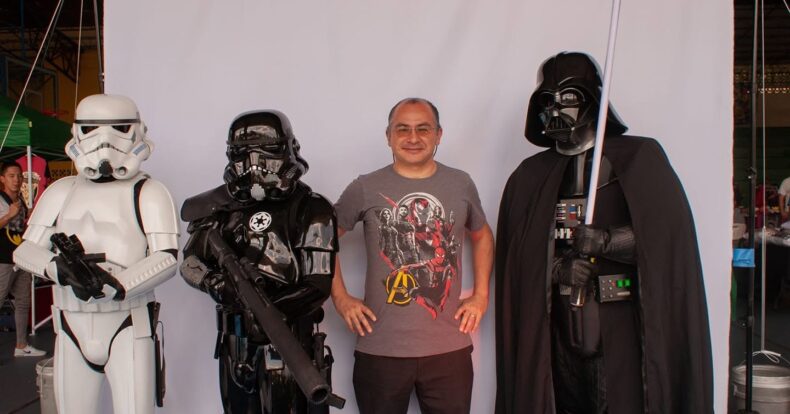

A passion for comics can begin with a small magazine someone receives during childhood. For Federico Castro, a Costa Rican comic book collector, those early issues marked the beginning of a hobby that grew over the years into a collection of superhero stories, vintage editions, and series spanning decades of publications.
His interest began with his father, who worked at the courthouse and would bring him a comic book when he went to pick him up after receiving his paycheck. Those gifts sparked his curiosity about the characters and their adventures. This family tradition marked the beginning of a passion that continued into adulthood.
As he grew older, he wanted to discover the endings of the stories he had read as a child. In particular, he wanted to find out how Hulk’s adventures ended. To do so, he began searching for the missing issues and gradually expanded his collection to include other characters from the Marvel Universe.
A Collection Built Around Complete Stories
For Federico Castro, collecting comics is not simply about accumulating issues. His main goal is to follow characters’ stories from their origins to a point that he considers a satisfying conclusion.
His collection includes characters and series such as Batman, Spider-Man, Captain America, Thor, the Avengers, the Fantastic Four, Doctor Strange, Namor, Ant-Man, the X-Men, and Wolverine, among others. His interests span different publishing eras and series related to these characters. He also collects companion publications, stories connected to their respective universes, and material related to action figures and other collections.
When asked which comic book holds the greatest sentimental value for him, his answer reflects the connection he feels with his entire collection.
There isn’t one that’s more important. They’re all, as they say, equal. I care about all of them just as much, and there are so many that it would be difficult for me to choose a specific one
Castro does not select comics primarily based on their price or whether they are first editions, either. His main criterion is the story. He wants to follow the characters’ continuity and understand how their relationships, conflicts, and enemies evolve over the years. For this reason, he prefers stories that belong to the main continuity of each universe. He is generally not interested in alternate versions but rather in publications that allow him to trace a character’s journey.
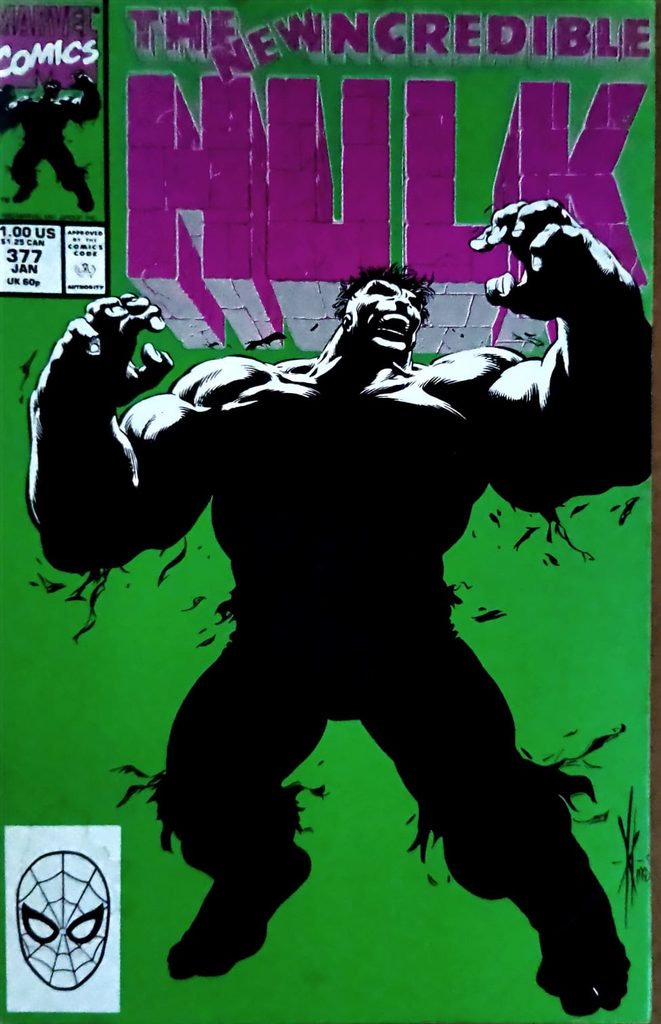
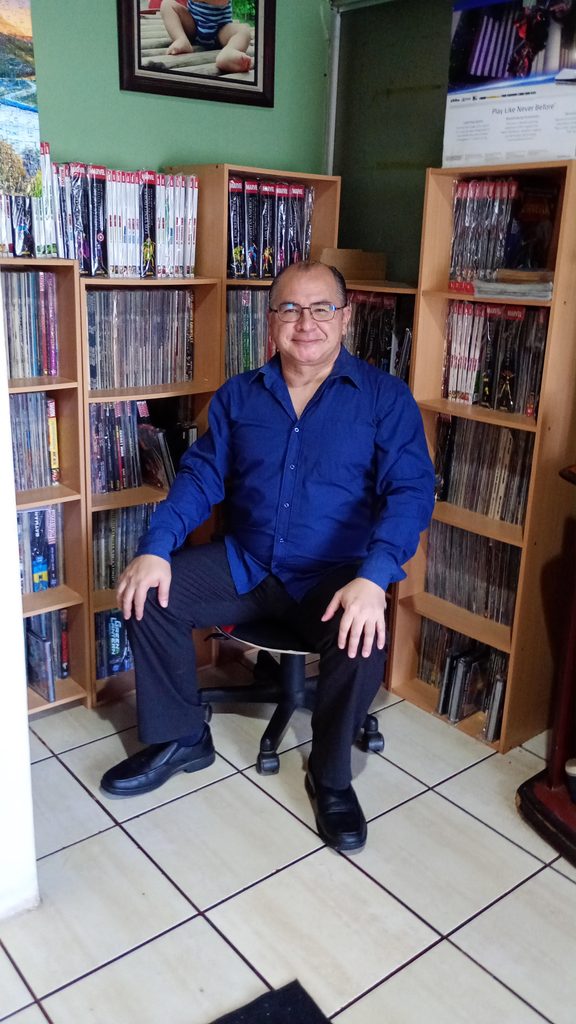
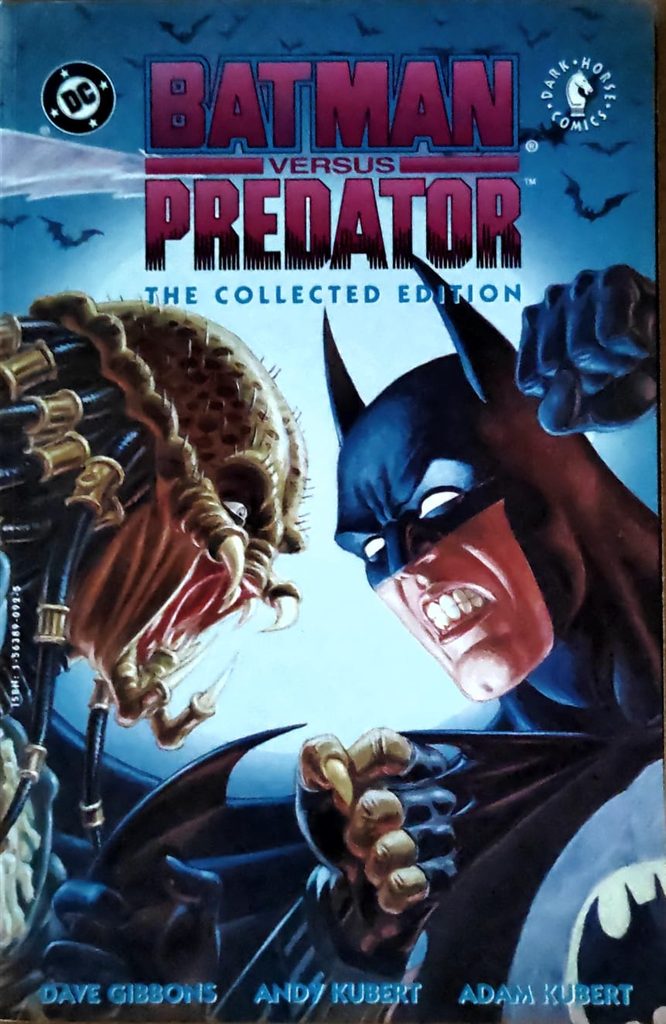
According to Castro, the monthly release schedule of American comic books has generated an enormous amount of material. In addition to regular series, there are specials, miniseries, and supplementary stories. In his view, not every publication maintains the same narrative quality, so he selects those he considers important to understanding the overall story.
Marvel’s Origins and the Importance of Reprints
One of the most significant parts of Castro’s collection consists of Marvel comics from the 1960s. He estimates that he has collected approximately 80% of the publications from that period, although he is still searching for missing issues to complete several series. Among the titles he mentions are the Fantastic Four, Thor, Captain America, the Avengers, and S.H.I.E.L.D., which is associated with Nick Fury. He also owns numerous stories featuring other characters who helped establish the foundations of this universe.
For Castro, these publications are essential because they reveal the superheroes’ origins and help readers understand how their personalities, motivations, and relationships developed. However, completing these series has not always been easy. For years, finding older issues required searching in different places and trading with other collectors.
Reprints have opened up new possibilities. Castro highlights the work of publishers such as Panini, which have compiled older stories into collected editions and volumes. These publications provide access to material that was once difficult to find without having to track down every original issue.
He also recalls editions published in Mexico by Televisa, which offered affordable collections. These alternatives make it easier for new readers to discover Marvel’s classic stories while allowing collectors to revisit periods that shaped their favorite characters.
The Art and Evolution of Comic Books
The evolution of comic book artwork is another aspect that interests Castro. Over the decades, comics have changed both in appearance and in the way stories are told. The collector highlights the work of Jack Kirby, whom he considers one of the most important figures in comic book history. Kirby’s influence on Marvel includes character design, page composition, and the visual portrayal of action.
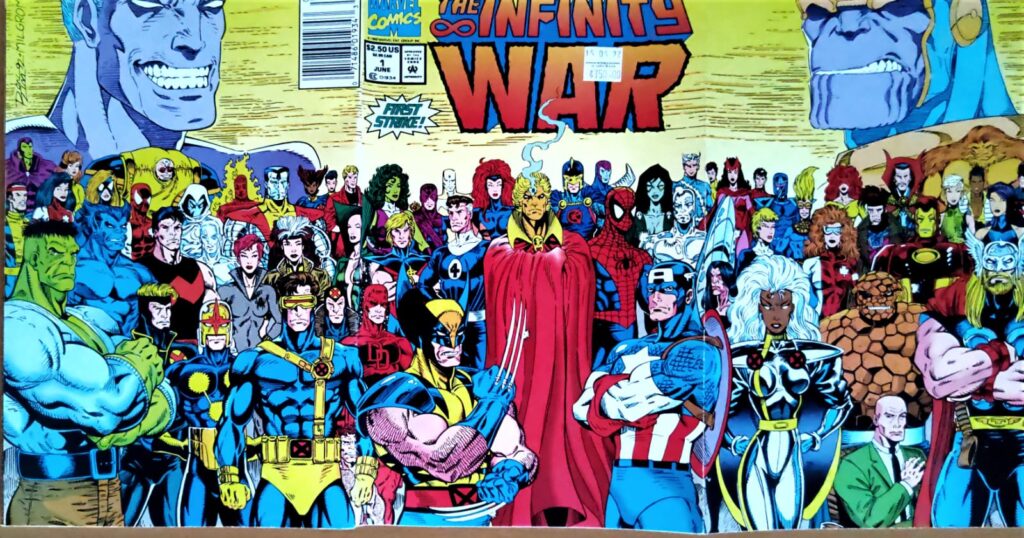
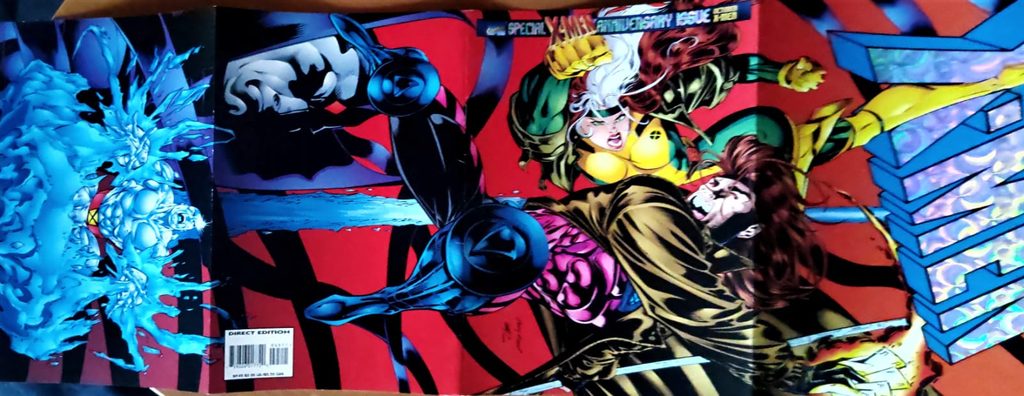
Kirby stood out for his dynamic compositions and his use of large scenes that could extend across two pages. These techniques conveyed intense moments and offered a visual experience different from traditional panel layouts. For Castro, the work of artists such as Jack Kirby demonstrates that comics are much more than a sequence of drawings. Illustration, panel arrangement, and reading rhythm all contribute to telling a story.
He also recognizes the talent of contemporary artists, including Costa Rican comic book artist Dan Mora. Although his collection focuses on publications released before 2011, he considers Mora an outstanding artist.
Comic Books Versus Screen Adaptations
Film and television adaptations are not Castro’s main source of inspiration. In fact, he believes some audiovisual productions fail to capture the narrative depth of the original comics. In his view, comic books contain stories with conflicts, characters, and developments that could lead to more compelling adaptations. However, he feels many of these opportunities never make it to the screen.
His preferences also extend to the medium itself. He does not collect anime and enjoys comics in both black and white and full color. For Castro, reading the original publications makes it possible to appreciate narrative and artistic details that can be lost when a story is adapted to another medium. This perspective explains why his interest does not depend solely on a character’s popularity or the release of a new movie. The printed story remains at the heart of his passion.
The Value of Finding an Original Issue
Although reprints make older stories more accessible, original publications retain a particular appeal for collectors. Castro explains that comic books were once sold at newsstands and kiosks alongside newspapers and other publications. As the specialty market grew, editions intended specifically for comic book stores also began to circulate.
These differences can help collectors identify particular editions and understand where they were originally sold. In some cases, distribution methods and the number of available copies influence collectors’ interest and market prices.
However, an issue’s number or age alone does not determine its value. Rarity, demand, and condition can also play a role. During the interview, Castro showed an original publication from 1978. For him, finding vintage issues is part of the experience of collecting stories that have circulated for decades.
He considers the search for a specific issue one of the most exciting aspects of the hobby. Finding a missing issue, trading with another person, and gradually getting closer to completing a series are experiences that give collecting its meaning.
A Growing Comic Book Community in Costa Rica
Castro believes there are now more opportunities to buy comics in Costa Rica than when he first began collecting. The availability of new editions, specialty stores, and opportunities to trade issues has made this material more accessible. He also observes greater activity among people interested in comics and the culture surrounding them.
In this context, events such as Comic Con Costa Rica can serve as an entry point for those who want to explore this world. Conventions allow attendees to discover characters and publications and connect with other fans. However, Castro distinguishes between enjoying popular culture and building a collection centered on printed stories. For him, owning a physical comic offers a different experience from reading on a screen.
A printed issue stays at home and can be read without relying on a battery or an electronic device. The process of searching for it, finding it, and preserving it is also part of the satisfaction of collecting. His experience shows that collecting is not limited to acquiring objects. It also involves research, learning about different publishing eras, and building connections with people who share the same interest.
A Passion That Continues
After so many years, completing the stories he is still missing remains one of Federico Castro’s goals. His collection brings together characters, publishing eras, and publications that reflect the evolution of American comics. Rather than searching for a single item that stands above the rest, he remains interested in expanding his series and reconstructing the stories that have accompanied generations of readers.
Sensorial Sunsets is pleased to provide this space to share Federico Castro and his family’s experience in the world of comic book collecting. We look forward to bringing our readers more stories and experiences in future publications.
Sensorial Sunsets
Navigate articles