Scarlet Macaws in Costa Rica: Nesting Season
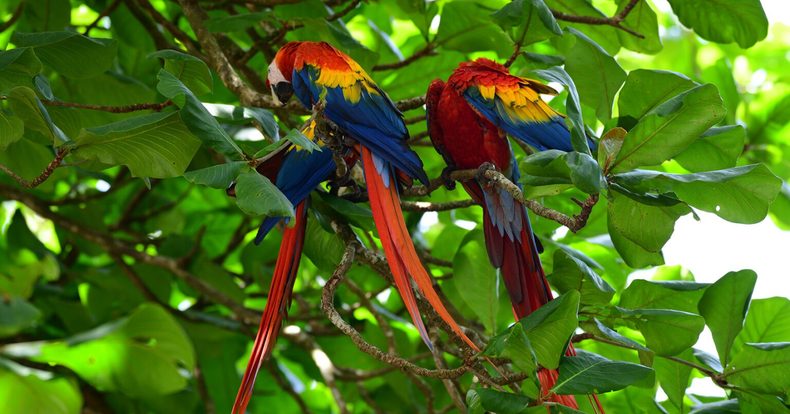
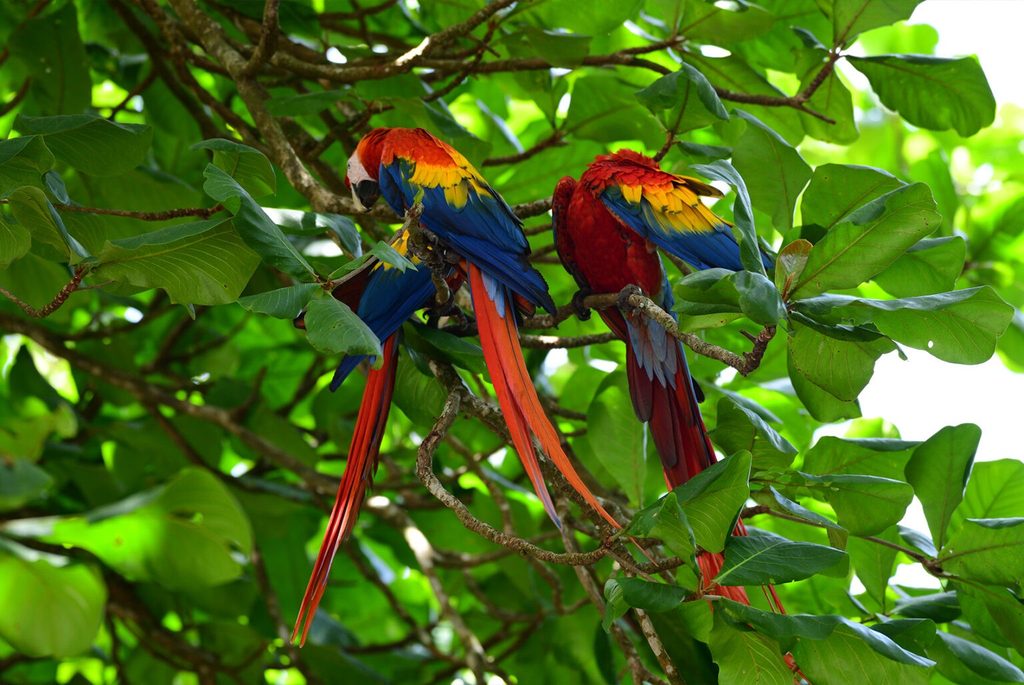
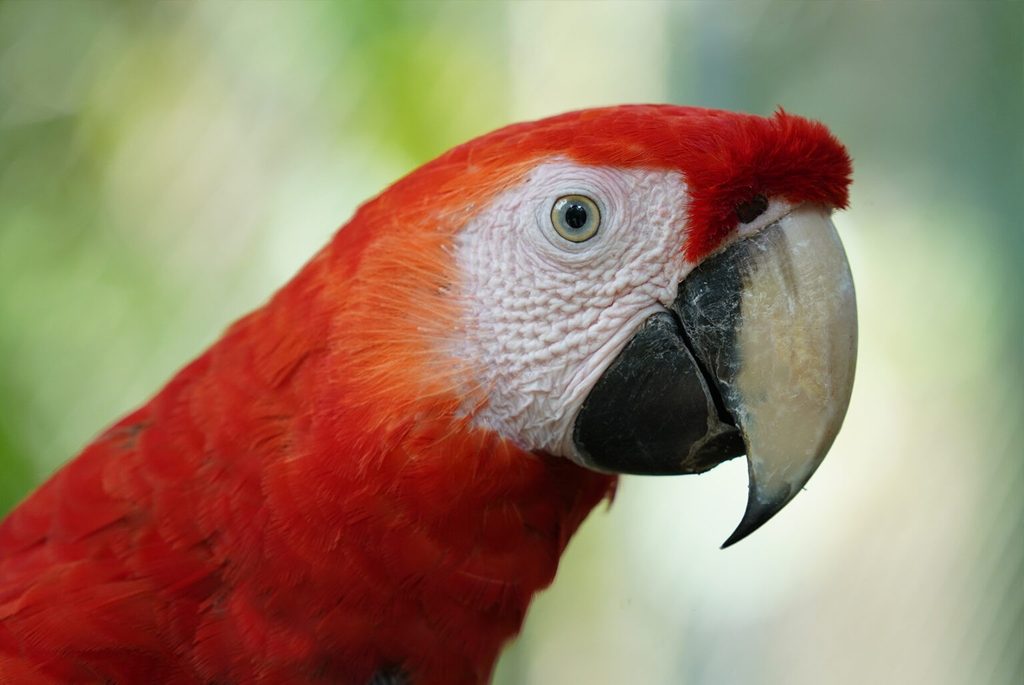
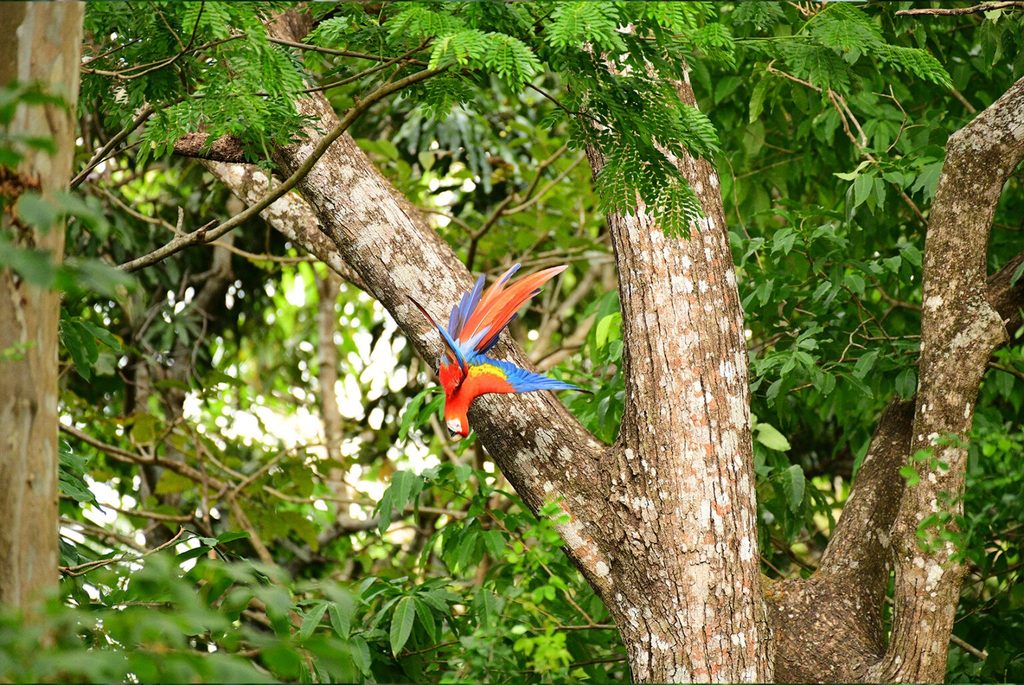
The scarlet macaw (Ara macao) is one of the most iconic species of Costa Rica’s wildlife. Its red, yellow, and blue plumage makes it easy to recognize among the trees and as it flies over tropical forests. In addition to its importance as part of the country’s biodiversity, this bird contributes to ecosystem health through seed dispersal.
In the Central Pacific region, a conservation project is helping people learn more about the species’ reproduction and development. Punta Leona Beach Club & Nature Resort, located in Garabito near Tárcoles, has added three camera-equipped artificial nests to its scarlet macaw conservation program. With this expansion, the initiative now has 11 artificial nests for the 2026 breeding season.
The cameras provide live footage from inside the nests. This allows people to observe the birds’ behavior without interfering with their activities. The live stream is available on the lapasrojaspuntaleona.com website.
Scarlet Macaw Breeding Season
The breeding season begins with pair formation, courtship, and the search for suitable nesting cavities. These activities take place between October and December. The females then lay their eggs, and incubation begins. According to the Punta Leona program, the first eggs and hatchlings of the 2026–2027 season are expected between December and January. The nesting period can continue through June.
Camera monitoring also makes it possible to collect information about the breeding process. The data includes the number of eggs laid in each nest, how many chicks hatch, and how many successfully leave the nest. Monitoring also helps researchers identify losses caused by natural predators.
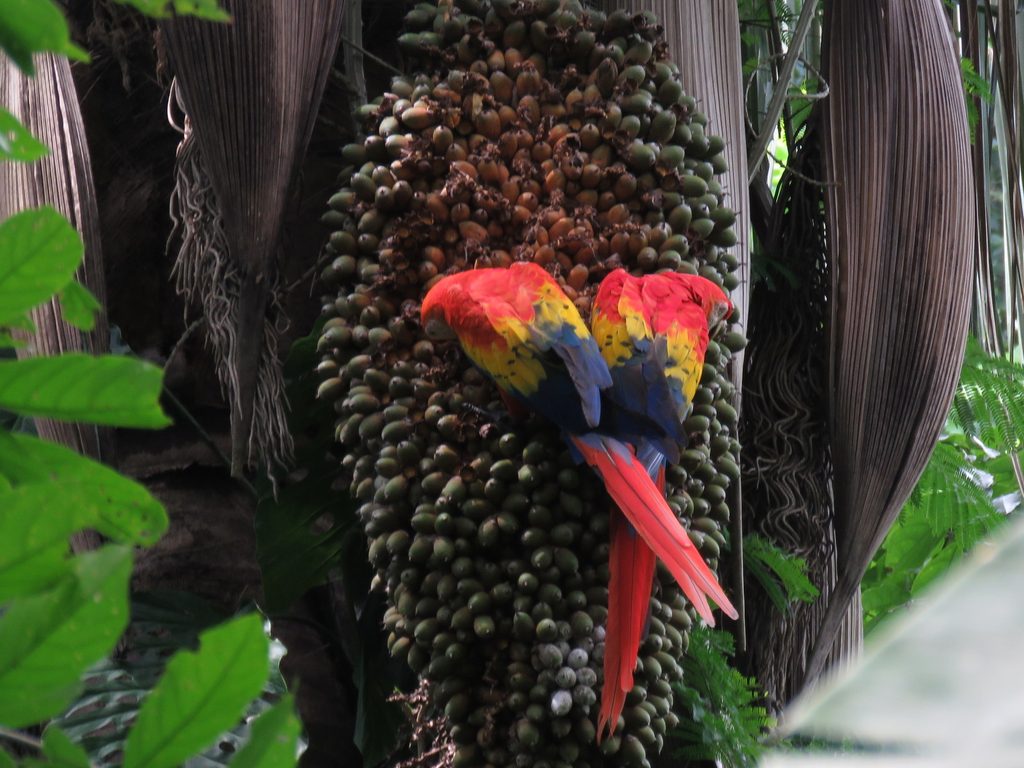
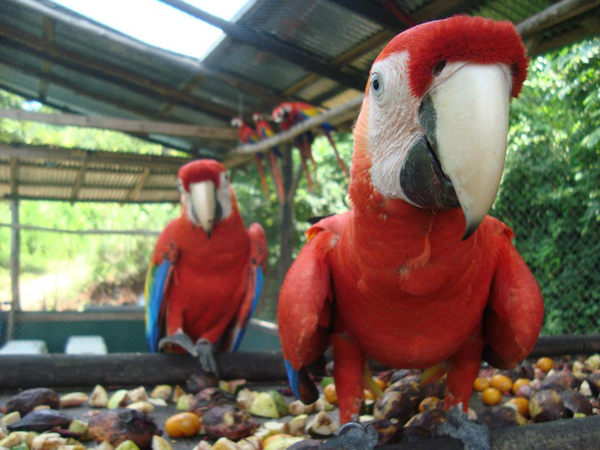
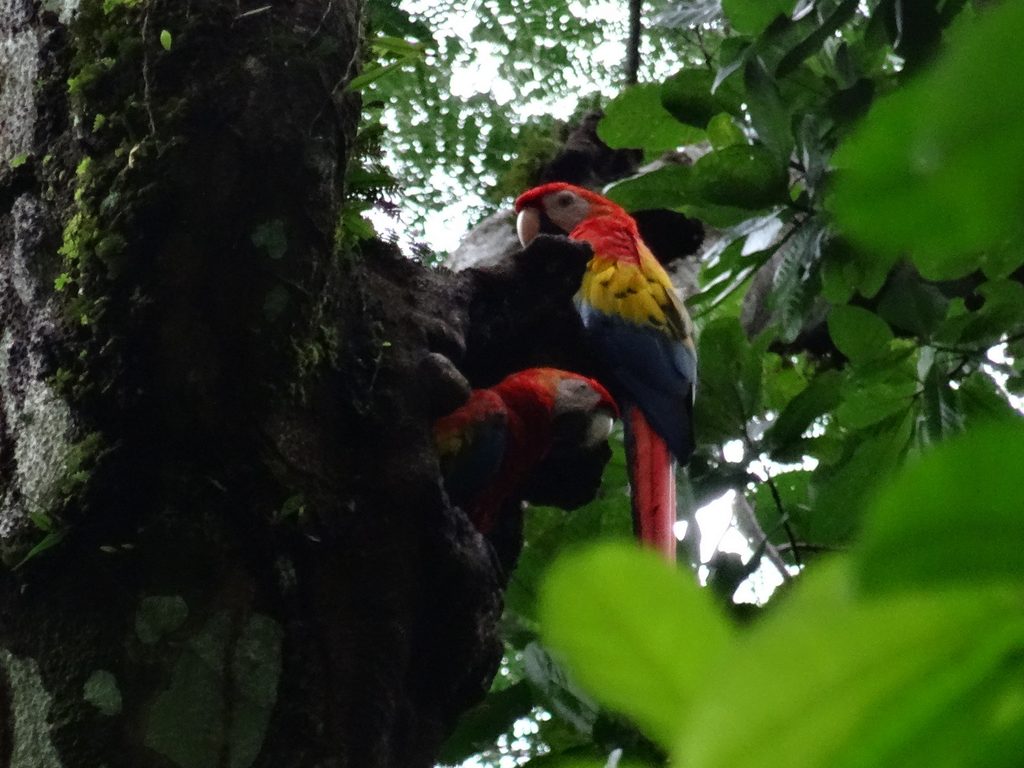
Eggs take between 23 and 28 days to hatch. After hatching, chicks remain in the nest for approximately 78 to 90 days before taking their first flights. The results collected between 2017 and 2025 demonstrate the importance of this monitoring effort. During that period, 98 eggs were recorded in the monitored nests. Of these, 69 hatched, and 46 chicks successfully fledged.
Artificial Nests to Support Reproduction
The installation of artificial structures addresses one of the species’ needs: access to suitable nesting cavities. Scarlet macaws depend on large, mature trees, where they find appropriate spaces to establish their nests. The structures used at Punta Leona are made of fiberglass. Each one measures approximately one meter in height and 50 centimeters in diameter. Their design replicates the characteristics of natural tree cavities and includes a layer of wood shavings inside.
The nests are installed in trees that reach heights of 15 to 20 meters. The project also has a history spanning several decades. Biologist Christopher Vaughan, who coordinates the initiative, explained that the program began 36 years ago. The first designs were developed based on research into the natural nesting sites used by these birds.
The program also highlights the involvement of former macaw poachers in building these structures. Some people who once removed chicks from natural nests now help construct artificial nesting sites to support the birds’ reproduction. This transformation represents an important part of the community-based conservation effort. Local residents contribute their knowledge of the species and create new opportunities to participate in its protection.
Scarlet Macaw Recovery in Costa Rica’s Central Pacific
Scarlet macaw populations in Costa Rica have faced significant challenges over the past several decades. Forest destruction, agricultural expansion, and tourism development have reduced the areas available for feeding and reproduction. Illegal wildlife trade is another threat. The removal of eggs and chicks for sale as pets directly affects the ability of wild populations to recover. Their low reproductive rate and dependence on old-growth trees for nesting also make them vulnerable.
In the Central Pacific, conservation efforts have helped improve the species’ situation. According to figures released by the Punta Leona program, approximately 215 scarlet macaws were counted in the area in the early 1990s. Current monitoring records place the population at nearly 800 individuals. Their recovery is also reflected in their presence across different communities. Scarlet macaws have been recorded in Esparza, Orotina, San Mateo, Acosta, and Parrita, as well as in the areas surrounding La Cangreja National Park.
Carara National Park remains one of the best-known places to observe these birds in the wild. Its forests provide favorable conditions for spotting macaws as they travel and search for food. Non-governmental organizations such as NATUWA and government agencies such as the Ministry of Environment and Energy (MINAE) and the National System of Conservation Areas (SINAC) work together to protect this species.
Los mejores lugares para avistar guacamayas rojas
- Carara National Park
- Osa Peninsula (including Corcovado National Park)
- Piedras Blancas National Park
- Golfo Dulce region
- Tárcoles River area
Forest Protection and Community Involvement
Protecting scarlet macaws requires much more than installing artificial nests. It is also necessary to preserve the trees that provide food and shelter and restore forest areas affected by human activities. For this reason, the Punta Leona program includes habitat protection and nurseries for native tree species. These efforts aim to restore forest cover and ensure that future generations of macaws have access to the resources they need.
The trees used for nesting include ceiba, gallinazo, and javillo. Their diet includes seeds from species such as royal palm, ojoche, espavel, teak, and beach almond. Business participation is also part of these initiatives. Grupo INS joined the project as a partner, helping expand the number of artificial nests available for the 2026 breeding season. However, protecting these birds remains a challenge in other parts of the country. On the Osa Peninsula, for example, illegal chick removal continues during the breeding season.
Where Can You Watch Scarlet Macaws Live?
People interested in learning more about this species’ behavior can access the live streams provided by the Punta Leona project. The cameras operate throughout the day, allowing viewers to observe activity inside the nests.
The Lapas Rojas Punta Leona website provides access to the footage. Activity is expected to increase starting in December, when the first eggs of the season are laid.
Sensorial Sunsets