Costa Rica National Parks: Closed Trails and New Restrictions for the High Season
Costa Rica has an extensive network of protected areas where visitors can discover some of the country’s most representative ecosystems. From Pacific beaches and tropical forests to volcanic landscapes, these natural spaces welcome visitors throughout the year and become particularly popular destinations during the high season.
However, visiting these areas does not always mean having access to the same facilities and trails. Maintenance work, changes in natural conditions, and preventive measures related to volcanic activity can affect opening hours, trail availability, and the number of people allowed to enter.
As the 2026–2027 high season approaches, several destinations have introduced changes that travelers should consider when planning their trips. Some have temporarily closed specific areas, while others are operating with visitor limits or additional entry requirements. Being aware of these conditions can help travelers plan their routes more effectively and avoid unexpected inconveniences during their holidays.
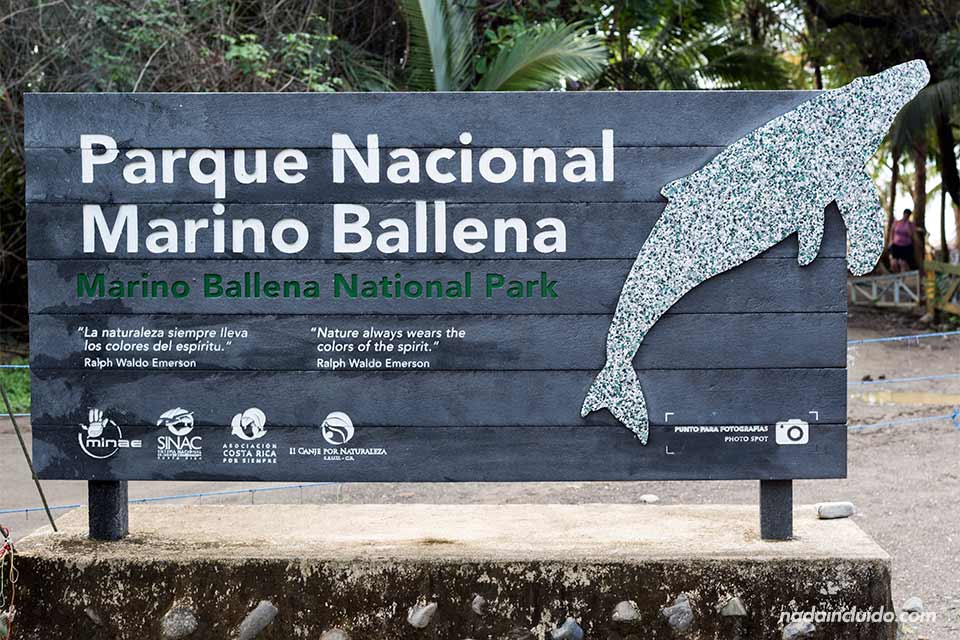
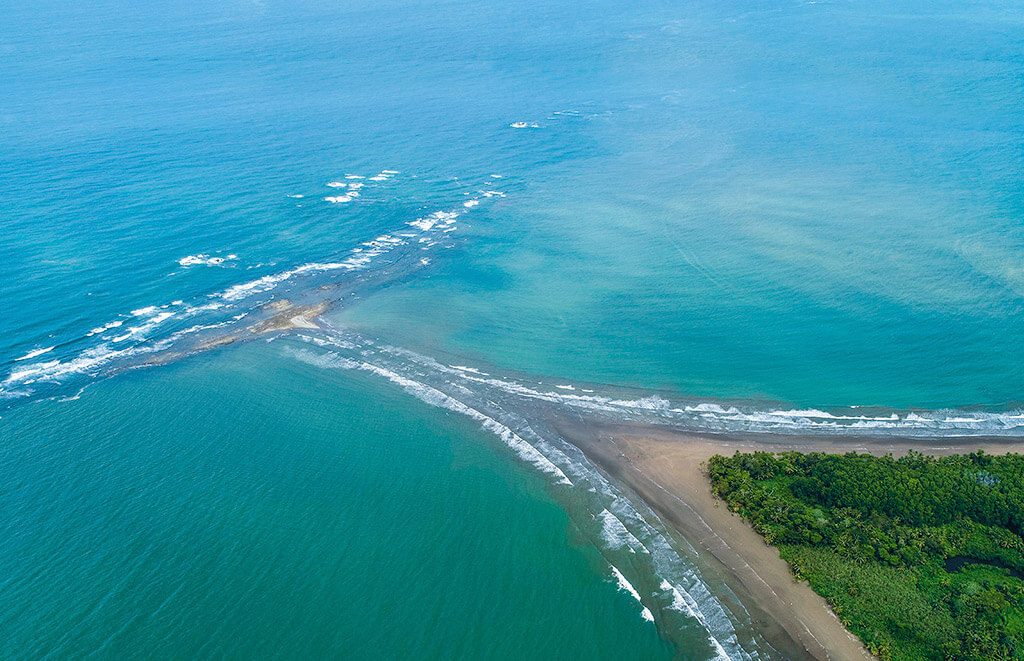
Marino Ballena National Park
Visitors planning a trip to Marino Ballena National Park should be aware that not all of its sectors are currently accessible. Piñuela was closed to visitors on November 9, 2026, due to deteriorating facilities. The closure is expected to last approximately six months.
The decision also affects visitor services and tourism activities previously offered in this area. During the closure, access on foot is prohibited, and the restrooms and showers are unavailable. Boats are also not permitted to stop there to drop off or pick up passengers.
Visitors who wish to explore this protected area still have other options. The Uvita, Colonia, and Ballena sectors remain open, making it possible to plan a visit around these locations. If a boat tour includes a stop at Piñuela, it is advisable to contact the tour operator in advance to confirm any changes to the itinerary.
Manuel Antonio National Park
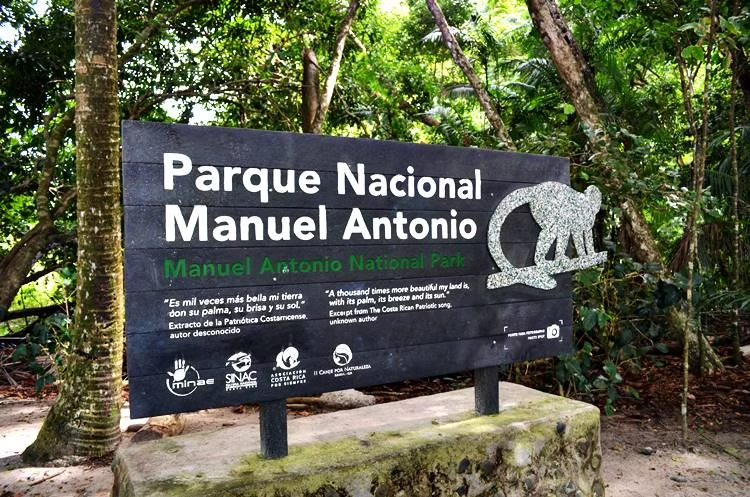
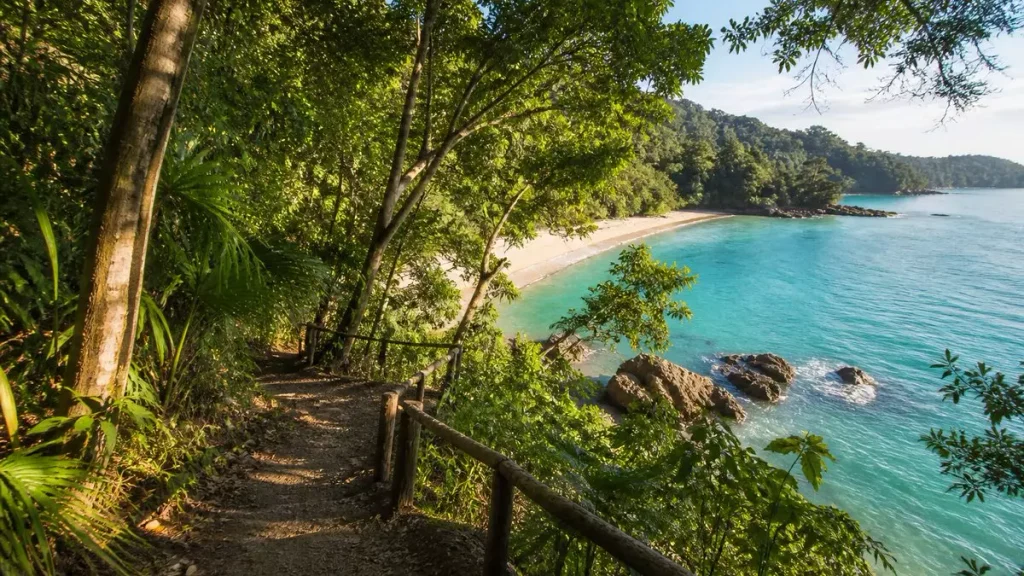
Manuel Antonio National Park, located in Quepos, has introduced a change affecting one of its scenic routes: the Punta Catedral Trail. This trail is temporarily closed, and no reopening date has been announced.
The route explores the headland separating the park’s two main beaches and offers several viewpoints overlooking the Pacific coastline. Its closure therefore affects visitors who had planned to include this trail in their itinerary.
The restriction applies only to this trail, as the rest of the park remains open from Wednesday through Monday. The park is closed every Tuesday, an important detail to keep in mind when planning a holiday excursion.
Poás Volcano National Park
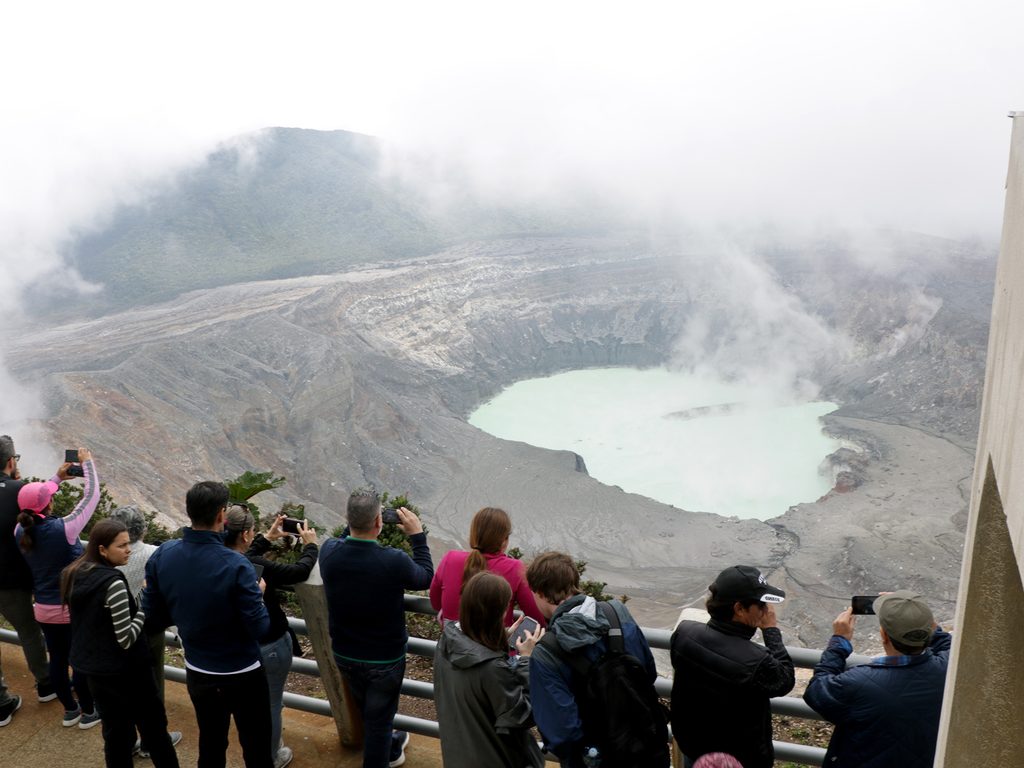
Poás Volcano National Park continues to welcome visitors, although under different conditions than before. Since August 28, 2026, authorities have reduced the park’s daily visitor capacity as a precaution following a moderate eruption that ejected rocky material from the crater.
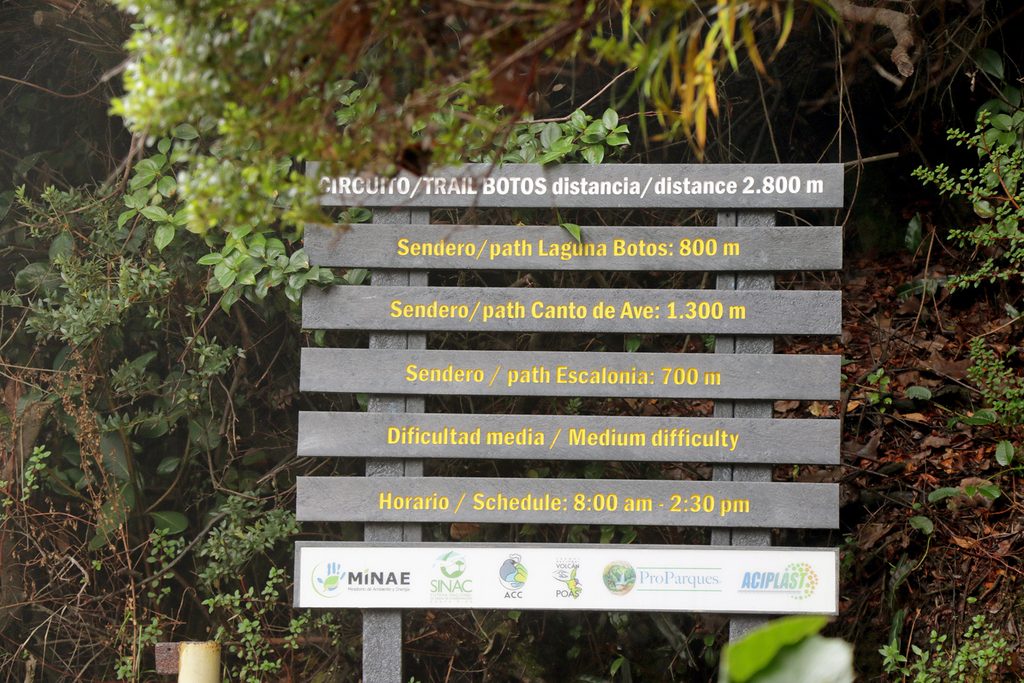
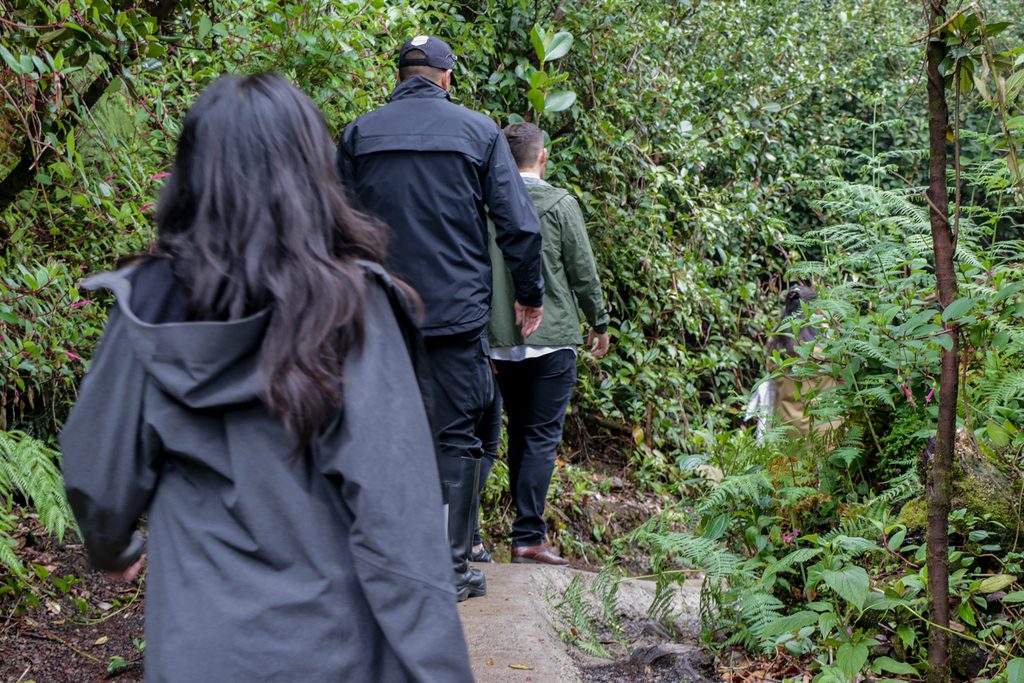
The daily visitor limit has been reduced from 2,052 to 1,064 people. Wearing a helmet is also mandatory for anyone entering the authorized areas. Access within the park is currently limited to two trails: the main trail leading to the crater viewpoint and the Sombrilla de Pobre Trail. At the viewpoint, visitors are admitted in groups of up to 56 people, with a maximum stay of 20 minutes per group.
These measures are intended to reduce visitors’ exposure to potential hazards while volcanic activity continues. With fewer tickets available each day, booking well in advance is advisable. Visitors should also check the latest regulations before traveling to the park.
Rincón de la Vieja National Park
Rincón de la Vieja National Park, in Guanacaste, continues to restrict access to the trail leading to the active crater. The closure is related to volcanic activity recorded throughout 2026 and will remain in place until conditions are considered safe for visitors.
Preventive measures have also been extended to nearby communities outside the protected area. Since October 1, five districts in the cantons of Upala and Liberia have remained under a yellow alert due to volcanic activity.
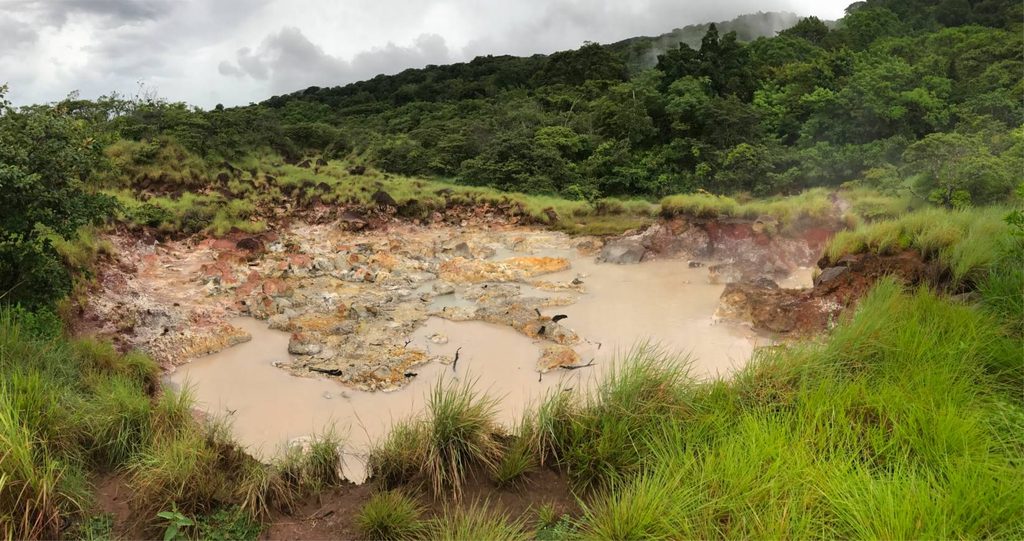
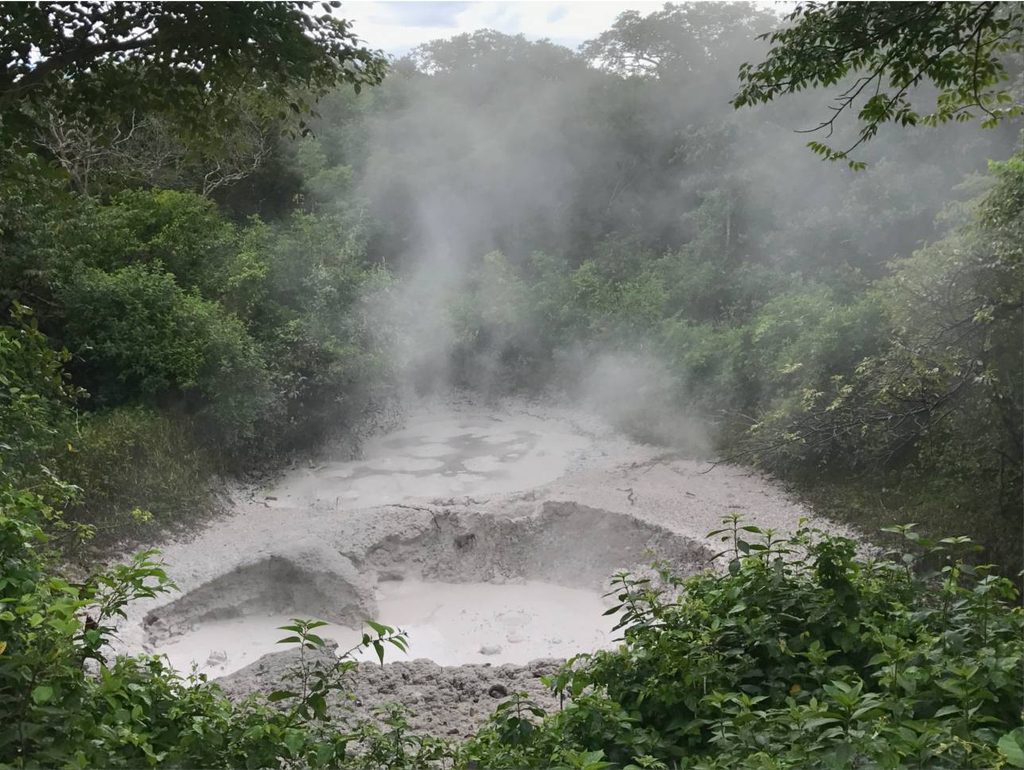
However, this restriction does not prevent visitors from exploring other attractions within the park. The Las Pailas sector remains open from Tuesday through Sunday, offering opportunities to observe geological features characteristic of the area, including fumaroles, steam vents, and bubbling mud pools. Visitors to Guanacaste can therefore still include Rincón de la Vieja in their travel plans, provided they stay within authorized areas and follow all safety instructions.
Corcovado National Park
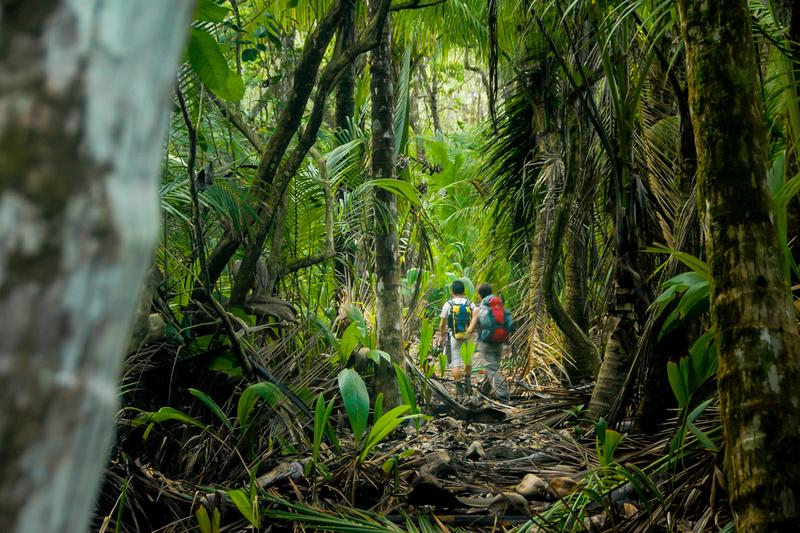
On the Osa Peninsula, Corcovado National Park has different access conditions depending on the sector visitors wish to explore. During October 2026, the Sirena, Los Patos, and El Tigre sectors remained closed to tourists due to maintenance work and the heavier rainfall typical of the rainy season.
During that period, San Pedrillo and La Leona were the sectors that continued receiving visitors. The park also has specific daily visitor limits for each area: Sirena allows up to 366 visitors per day, San Pedrillo up to 120, and La Leona, Los Patos, and El Tigre up to 80 visitors each.
These limits are important when planning an excursion, particularly because visits to Corcovado require advance coordination with authorized guides and tour operators. Before traveling, visitors should confirm whether their chosen sector has reopened and check the current entry requirements.
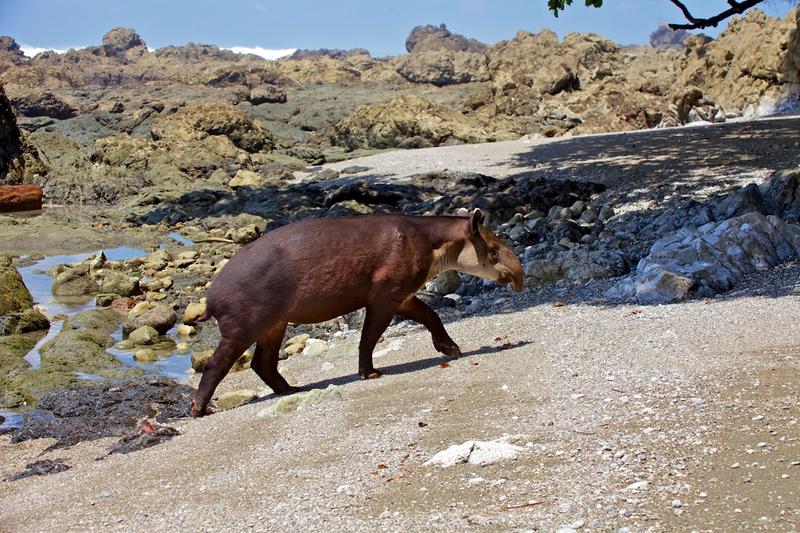
Playa Langosta, Near Tamarindo
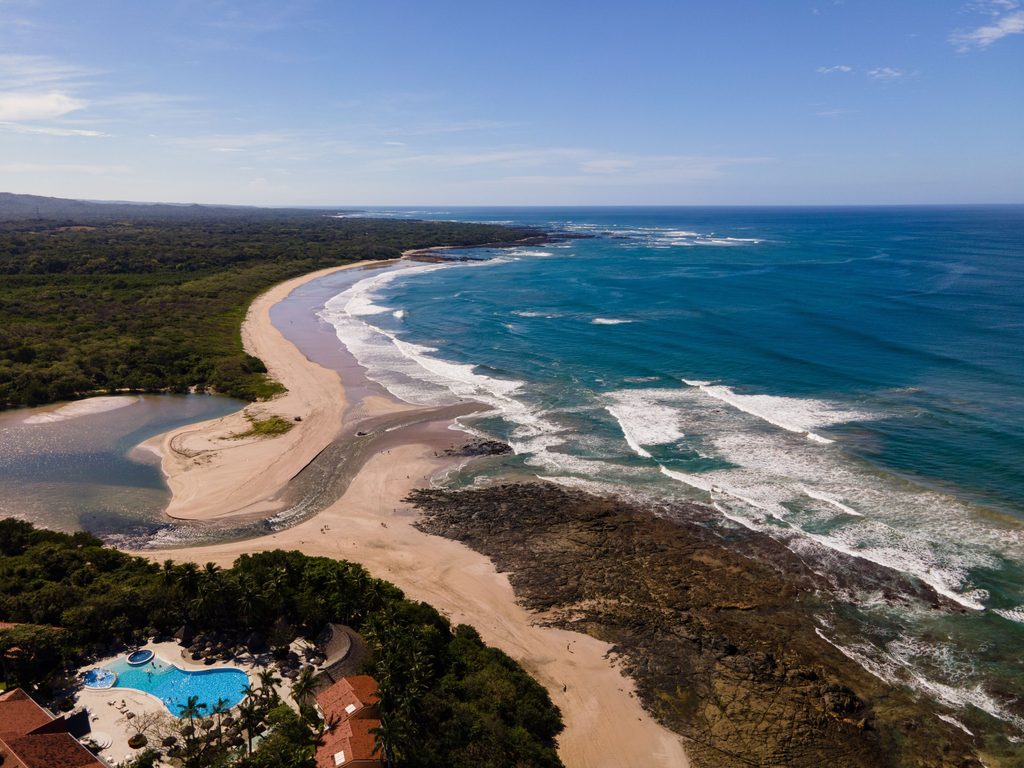
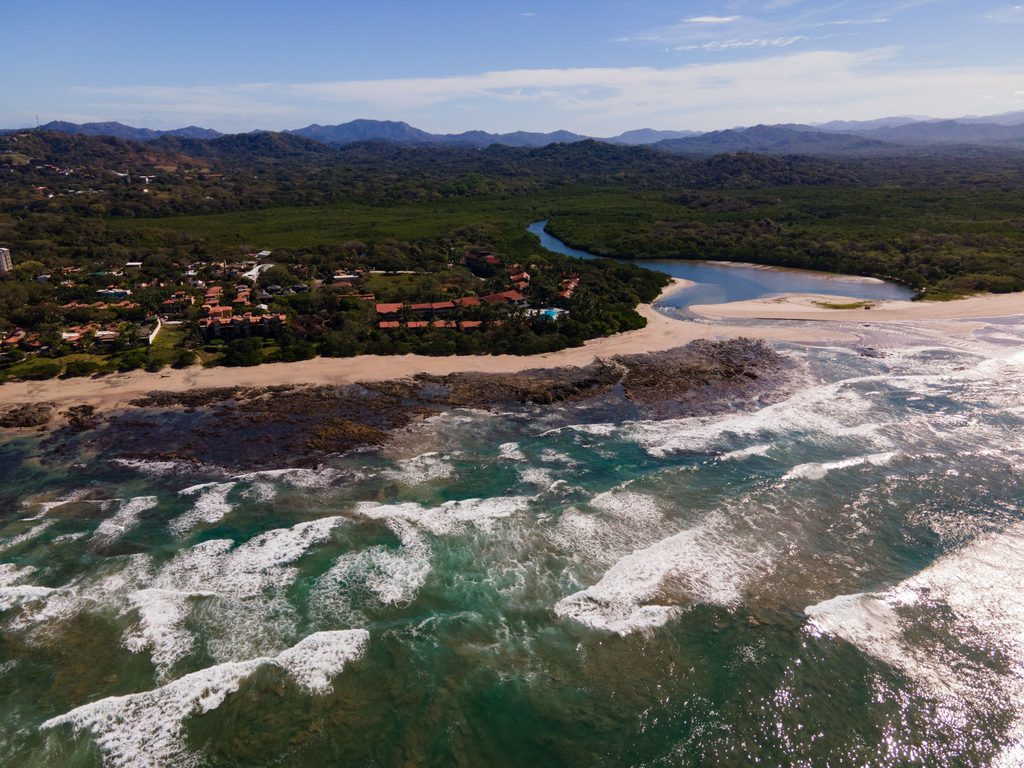
In addition to the changes affecting protected areas, another environmental incident has raised concerns along the Guanacaste coastline. At Playa Langosta, near Tamarindo, authorities are investigating the deaths of several animals in the San Francisco River estuary.
Reportedly affected species include fish, sharks, rays, and birds. While environmental authorities investigate what happened, they have also asked the public to avoid making unauthorized changes to the estuary’s outlet, which connects it to the sea. Although this situation does not involve the closure of a hiking trail, it highlights the importance of protecting coastal ecosystems and preventing activities that could disrupt their natural balance.
Tips for Visiting Costa Rica’s National Parks
Access conditions in protected areas can change throughout the year, so planning a visit requires checking the latest information. In particular, visitors should verify which sectors are accessible rather than assuming that every trail is open simply because the park itself is operating.
Most national parks manage admission through online reservations. It is also important to check weekly closing days, opening hours, and any specific requirements for each destination.
Safety regulations are especially important at volcanic sites, where geological activity can lead to changes in access conditions at short notice. For destinations such as Corcovado, visitors should also stay in contact with the guides and accommodations coordinating their excursions.
Sensorial Sunsets
Navigate articles