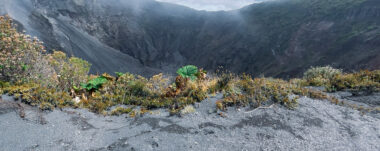

Rincón de la Vieja: one of Costa Rica’s most active volcanoes
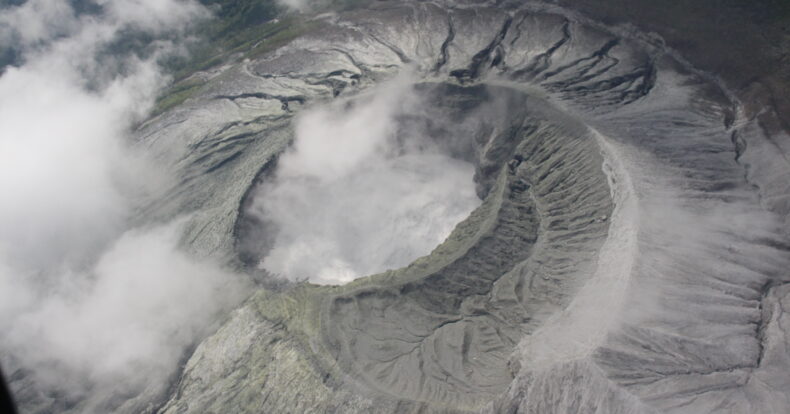

The Rincón de la Vieja Volcano, located in Guanacaste, has recently surpassed Turrialba and Poás as Costa Rica’s most active volcano, according to volcanologists at the National University. The new eruptive phase became evident after three eruptions were recorded over a ten-day period, culminating in the most powerful event observed at the Guanacaste massif so far this year.
The strongest eruption since January
The volcano, which stands 1,916 meters tall, erupted at 3:03 a.m. on Monday, April 27. The Volcanological and Seismological Observatory of Costa Rica at the National University (OVSICORI-UNA) classified the event as moderate, although it noted that it was the strongest recorded at the site since January. The eruption was detected by seismic and acoustic instruments, but darkness prevented cameras from determining the height of the eruption column.
Despite the intensity of the event, authorities confirmed that no lahars, the volcanic mudflows that pose one of the greatest risks to nearby communities, were generated.
A change in the volcano’s behavior
“The volcano’s behavior has changed in recent weeks,” OVSICORI volcanologist Geoffroy Avard told local media. According to the expert, Rincón de la Vieja has once again entered a more eruptive phase following a period of relative calm in early 2026. OVSICORI currently records several low-intensity eruptions each week.
The April 27 eruption followed an earlier event on April 17 at 12:08 p.m., which reached a magnitude of 3.8 and produced a dense column of gas and ash above the crater. Another eruption on April 24 generated a gas plume that rose about 4,900 feet. Each event was briefly considered the strongest of the year before being surpassed by the next.
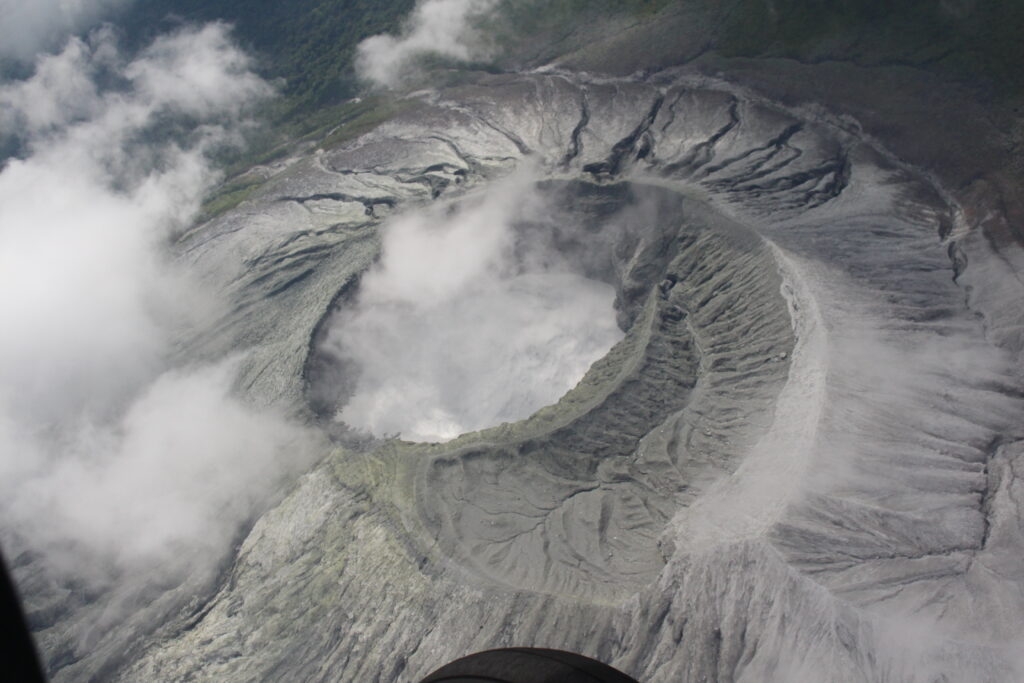
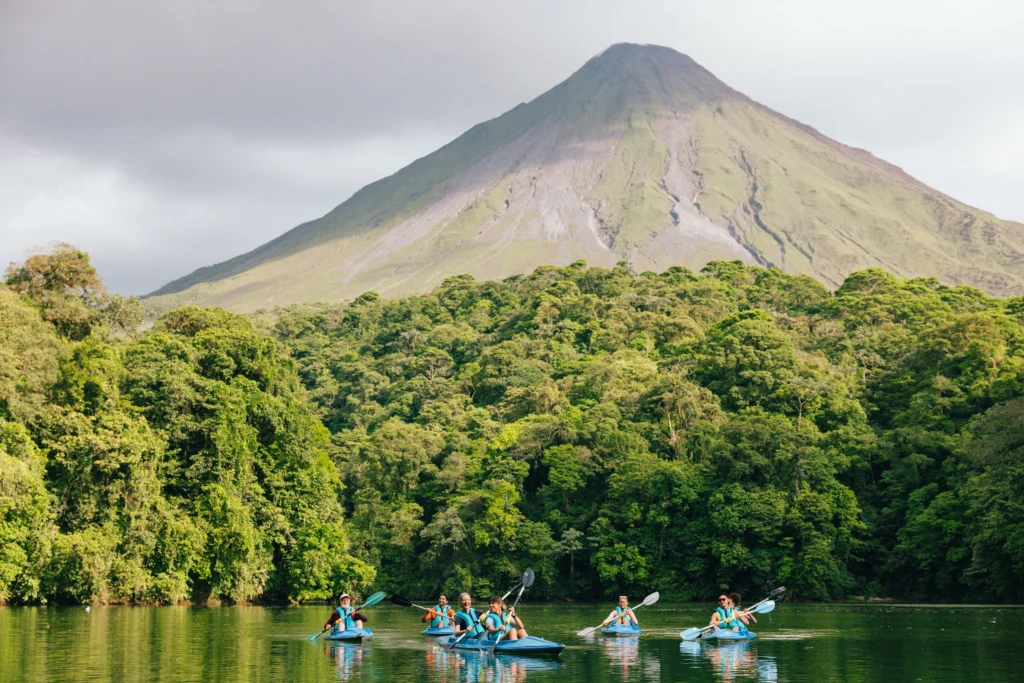
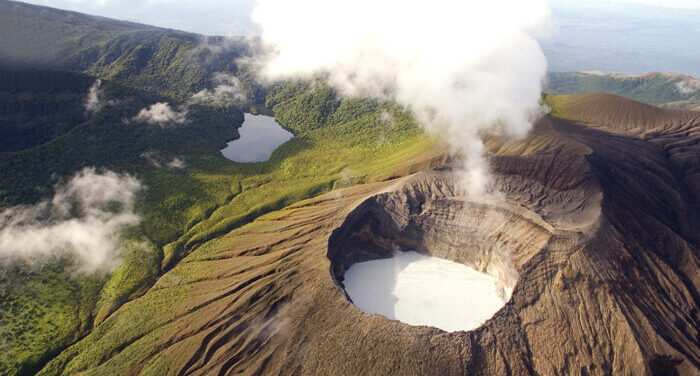
The interaction between groundwater and the volcano’s heat has triggered the recent phreatic activity, explained volcanologist Henriette Bakkar. Most of the material ejected consists of sediments from the crater lake and steam. For now, experts have ruled out lava emissions. Although the recent activity has caught the attention of volcanologists, the current events remain considerably smaller than the eruptions the volcano experienced in 2021 and 2023.
According to OVSICORI bulletins, the aviation alert level for Rincón de la Vieja remains at Yellow, the second of four levels.
Park access and visitor recommendations
Rincón de la Vieja National Park, part of the UNESCO-recognized Guanacaste Conservation Area, is located about 16 miles northeast of Liberia and is one of the most visited destinations in the region. Its two sectors, Las Pailas and Santa María, remain open to the public.
Visitors can hike trails leading to fumaroles, boiling mud pots, hot springs, and waterfalls such as La Cangreja and Las Escondidas. However, authorities have kept the Active Crater Trail, which leads directly to the volcano’s crater, closed since 2011 and continue to prohibit access to that area.
The National Emergency Commission (CNE) has advised nearby communities to avoid riverbeds that may carry volcanic sediment during periods of increased activity. Additionally, tourists staying in Liberia, on the Papagayo Peninsula, or at accommodations near Rincón de la Vieja are advised to check the park’s status with SINAC or their tour operators before visiting.
Also, it is recommended to stay tuned for updates from OVSICORI, especially regarding possible ash fall advisories.
Sensorial Sunsets

Previous article Mycological Route 2026 to tour Costa Rica with scientific tourism and mushroom conservation experiences
Navigate articles