Camilo Rodríguez and Freedom of Expression: An Event That Will Shape the History of Journalism in Costa Rica
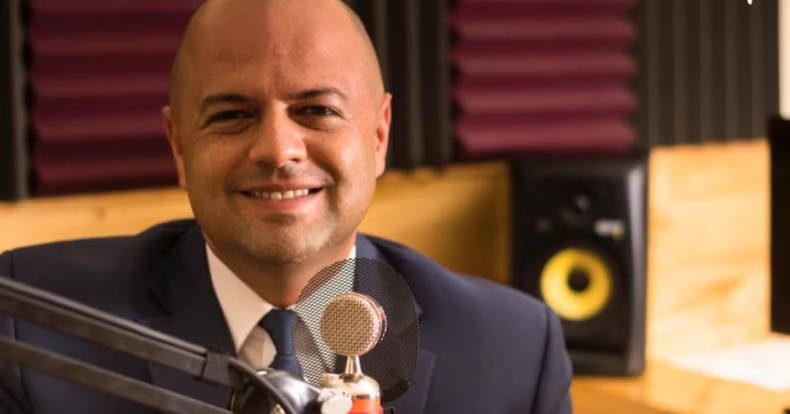

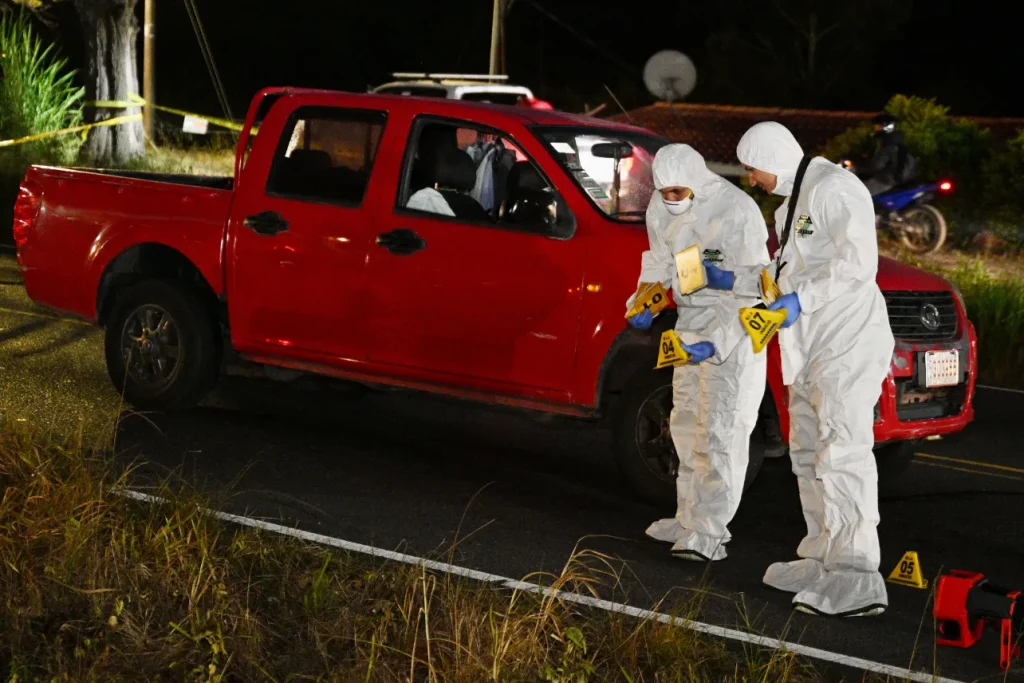
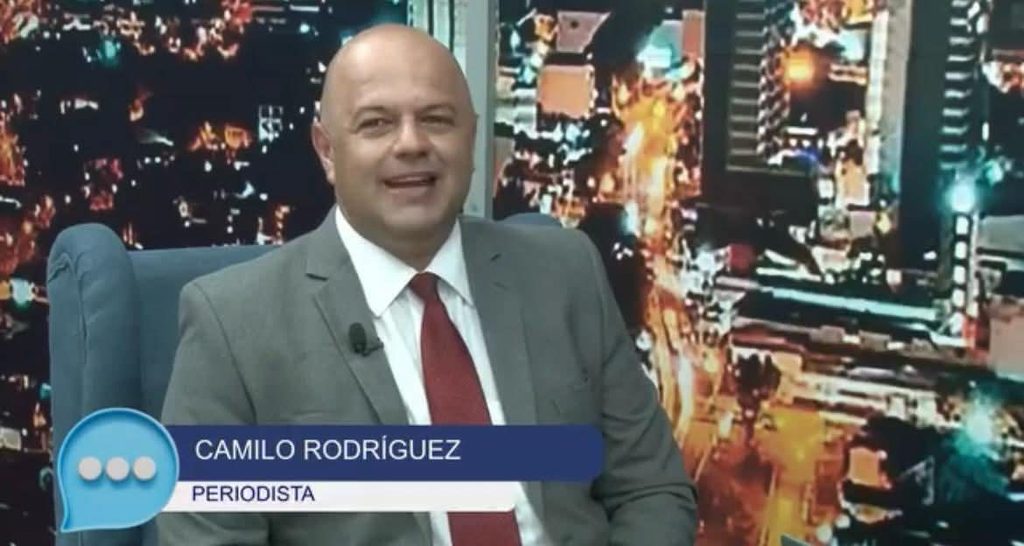
The death of Costa Rican journalist Camilo Rodríguez Chaverri has sparked a discussion that goes beyond the circumstances of a crime. His murder raises questions about the state of freedom of expression in Costa Rica, the safeguards available to journalists, and the role society plays in defending the right to access information of public interest.
Rodríguez carried out much of his communication work through digital platforms, where he shared allegations involving drug trafficking, organized crime, and possible links to political figures and public institutions. His posts, which directly named individuals and groups he believed were involved in these matters, drew attention and sparked controversy within the national debate.
His allegations must be distinguished from facts that may be established through judicial investigations. Nevertheless, the content of his publications and the circumstances surrounding his death make it necessary to examine whether there was any connection between his communication activities, the threats he had reportedly received, and his murder. Determining whether such a connection exists is the responsibility of the competent authorities.
Beyond whatever conclusions the investigation may reach, the case has brought a fundamental question to the forefront of public debate: what happens to a society when sharing uncomfortable information can become a dangerous activity?
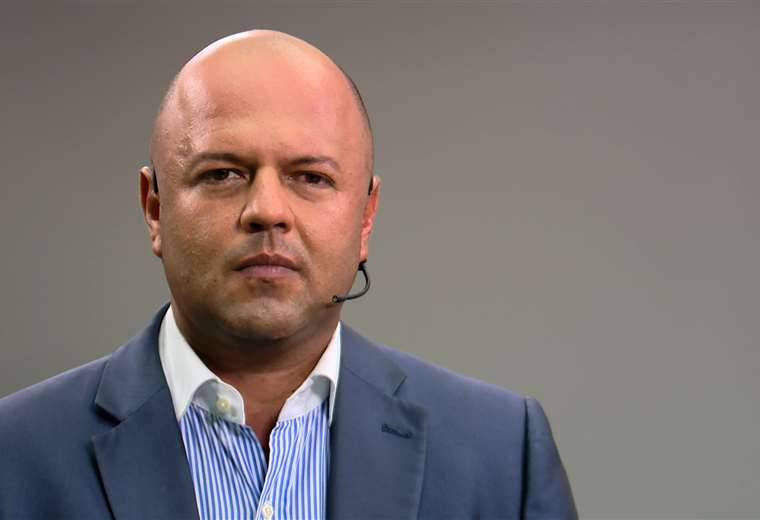
The Right to Inform Belongs to the Public as Well
Reactions following the murder reflected concerns among various sectors about the consequences this event could have for journalism and communication in the country. The Institute for Press and Freedom of Expression (IPLEX) and the National Union of Journalists and Communicators of Costa Rica (SINAPEC) have stressed the importance of clarifying the crime and determining whether Rodríguez’s allegations and publications were connected to what happened. Their statements also highlight the need to investigate the threats the journalist had previously reported.
This concern extends to the entire population. Freedom of expression is not simply about allowing journalists and media outlets to publish information. It also ensures that people can hear different perspectives, access information about issues affecting their communities, and form their own opinions about the decisions made by those in power.
When threats and intimidation enter the public sphere, their effects can extend to other professionals and members of society. The possibility that speaking out could have consequences for the person making a complaint may lead people to avoid certain topics, abandon investigations, or remain silent about issues that deserve scrutiny. Protecting those who communicate and report on public affairs should therefore not be viewed as a privilege reserved for a particular professional group. It is part of the conditions necessary for society to exercise its rights and participate in democratic life.
Costa Rica Faces New Challenges
Costa Rica’s image as a country committed to democratic freedoms has been part of its identity for generations. However, changes in the security landscape, the presence of organized crime, and tensions surrounding the practice of journalism have put that perception to the test.
The case highlights a fundamental reality: freedom of expression does not belong exclusively to those who work in the media. It is a right shared by everyone, allowing people to hear different perspectives, question those in power, and access the information they need to participate in democratic life.
Rodríguez’s death comes amid growing concerns over pressure, threats, harassment, and other forms of intimidation directed at journalists and communicators. These concerns are compounded by the sense of insecurity among those working in journalism, as reflected in recent studies conducted by the University of Costa Rica.
A survey by the university found that 58% of respondents considered journalism a dangerous profession. This figure is particularly significant because it shows that concerns about journalists’ safety have become part of the public perception of civil liberties in the country. This situation invites a historical perspective on the case. In 2001, Costa Rica also faced an event that left a profound mark on the country’s journalistic memory: the murder of Parmenio Medina, a radio producer whose work involved reporting on and investigating matters of public interest.
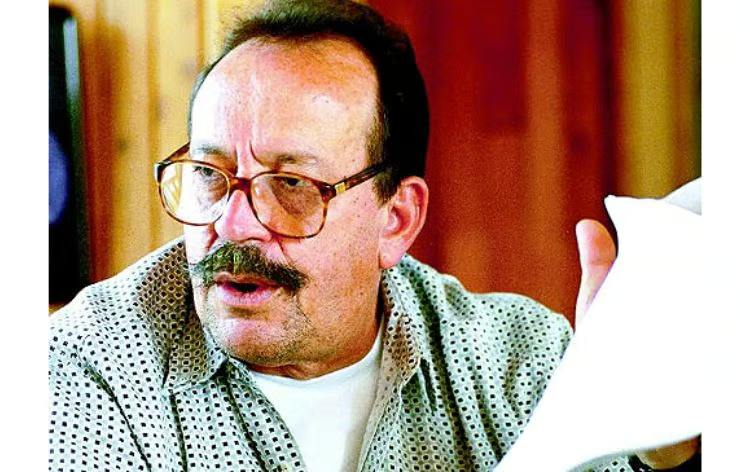
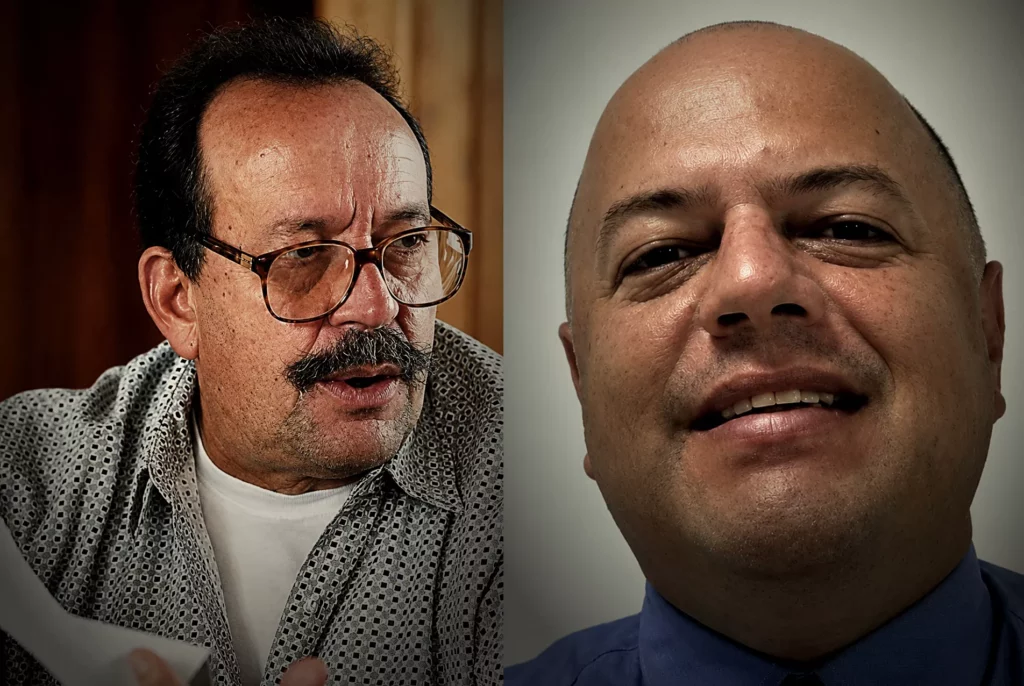
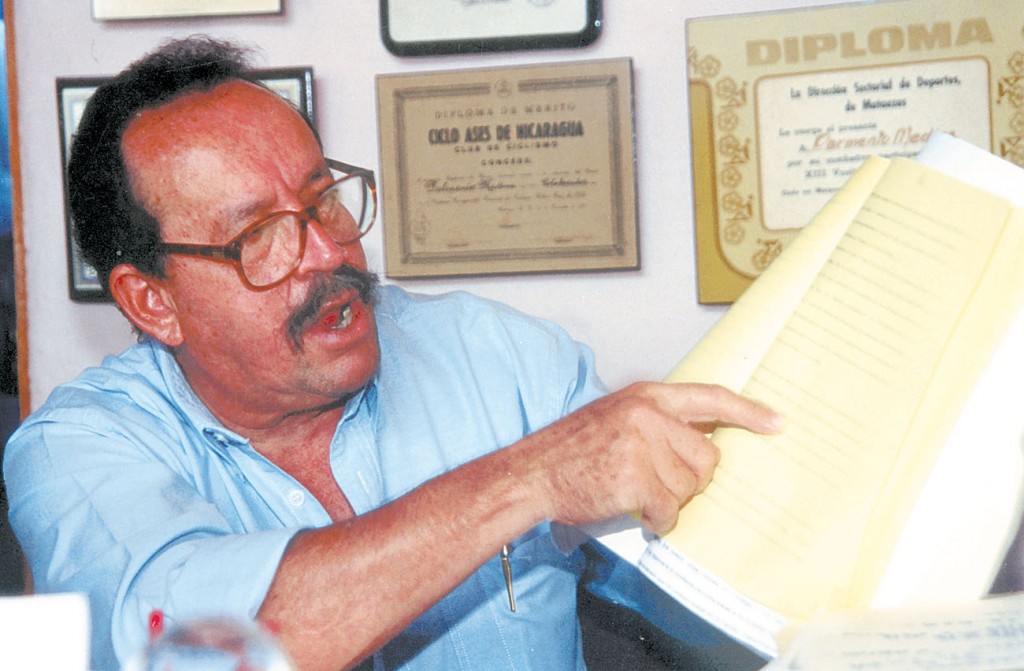
The reference to Medina serves as a reminder that threats against those who report and communicate are not an entirely new concern. However, each case unfolds under different circumstances and requires responses suited to its context. Camilo Rodríguez’s death once again raises the need for effective safeguards for journalists, regardless of the platform they use or the nature of their publications.
Furthermore, concerns about the safety of journalists extend beyond Costa Rica’s borders. Recent attacks against journalists in other Central American countries serve as a reminder that defending press freedom is a shared regional challenge.
The Legacy of a Communicator and the Future of Journalism
Camilo Rodríguez’s career was shaped by a form of communication that found in social media a platform for sharing allegations and addressing issues he believed were being overlooked. His public persona prompted a range of opinions, but his death has shifted the discussion toward a question that should not depend on personal sympathies, political differences, or agreement with his views: the right to express oneself without fear of retaliation.
His name is now part of Costa Rica’s recent history and a national conversation about the challenges facing freedom of expression. How institutions respond to this case, how the investigation unfolds, and what measures are adopted to protect journalists will be important factors in understanding its significance. It is also necessary to reflect on the responsibility that comes with reporting and sharing information. Public allegations require rigor, verification, and transparency; at the same time, those who make them must have safeguards that allow them to carry out their work. These two principles are compatible and essential to a democratic society.
Clarifying the circumstances of the murder will be crucial, but the consequences of this event should not be confined to the judicial sphere. Costa Rica will need to examine the conditions it currently provides for journalists, investigators, and citizens who publicly raise concerns about matters of collective interest.
Camilo Rodríguez’s story will remain connected to this debate. His death serves as a reminder that freedom of expression is not preserved simply because it is enshrined in law, but because institutions and society are willing to defend it. In the years ahead, the country’s response to this case will become part of the historical record through which its democratic freedoms are assessed. What is at stake is not only a journalist’s ability to publish investigations, but also everyone’s ability to ask questions, share information, and challenge those in power without fear determining what can be said publicly.
Sensorial Sunsets