Bats in Costa Rica: San Ramón’s Forests Are Home to 56 Species
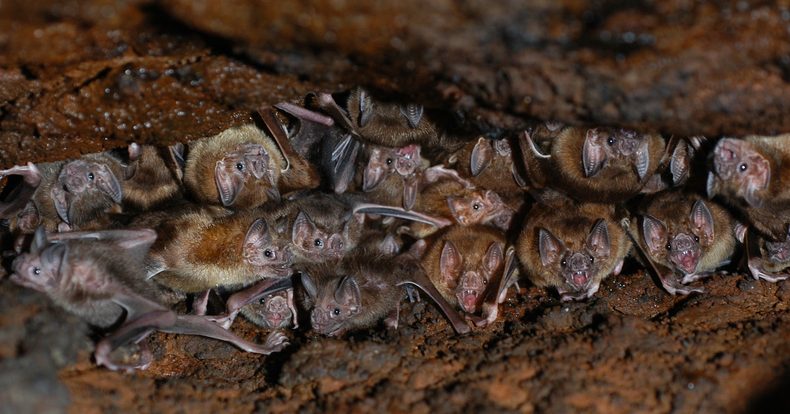
The forests of San Ramón, in the province of Alajuela, are known for their natural richness and biodiversity. One example is the variety of bat species found in the region. Research conducted by the University of Costa Rica (UCR) has identified at least 56 species, representing nearly half of all those recorded throughout the country.
These findings are part of a series of research projects carried out by scientists and students at the UCR’s Western Campus, who are studying how these mammals respond to changes in their habitats. Forest fragmentation, the expansion of agricultural activities, and urban growth are among the factors that can alter the environmental conditions these animals need to survive.
According to a scientific update to Costa Rica’s mammal inventory published in 2023, the country is home to 124 known bat species. This diversity makes Costa Rica an important place for the study and conservation of these animals.
New Bat Species Identified in the Forests of San Ramón
One of the UCR studies was conducted at seven sites within and around Alberto Manuel Brenes Biological Reserve. During fieldwork, the research team captured and examined 407 bats belonging to 39 different species. Among the most significant findings was the identification of ten species that had not previously been documented in this area. Thanks to these new records, the known total for the San Ramón region reached at least 56 species.
The findings also show that bat conservation does not depend solely on preserving large, continuous areas of forest. Smaller patches of vegetation, natural corridors, and green spaces connecting different habitats can also provide shelter and resources for numerous species. This means that landscapes where forests, agricultural land, pastures, and human settlements coexist can still support remarkable biodiversity, provided that suitable natural areas are preserved.
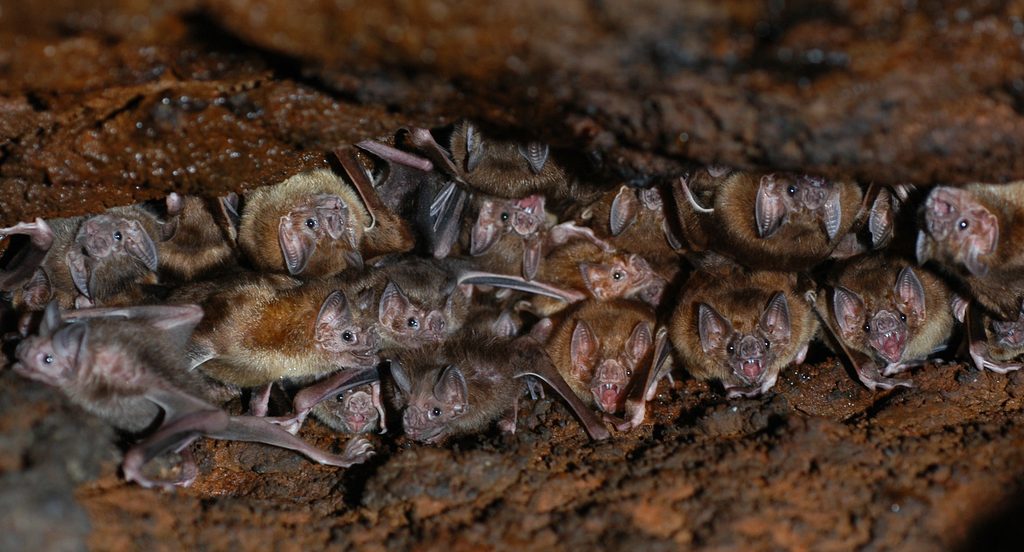
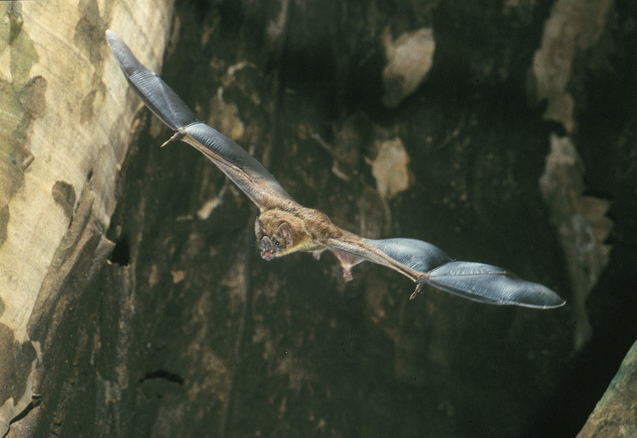
Why Are Bats Important to Ecosystems?
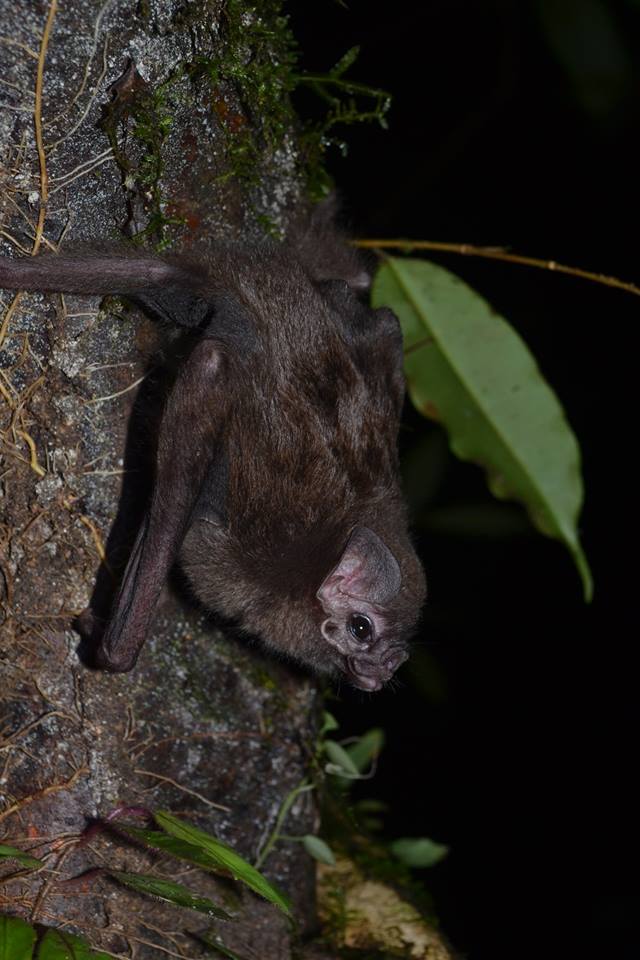
Although bats are often associated with darkness and horror stories, they play essential roles in maintaining environmental balance. Their diets are remarkably diverse, and each group contributes to ecosystems in different ways. Costa Rica is home to 124 known bat species, including insect-eating, fruit-eating, nectar-feeding, and fish-eating species. Some are even specialized hunters that prey on small animals such as frogs.
One of their most important contributions is the natural control of insect populations. Insect-eating bats consume large numbers of insects, including species that damage crops and others that can transmit diseases. For this reason, their presence benefits both agricultural and natural ecosystems.
Fruit-eating bats also play an important role. As they feed on fruit, they carry seeds and disperse them across different areas as they move through their habitats. This process encourages the growth of new plants and helps forests recover, particularly in areas affected by deforestation. Meanwhile, nectar-feeding bats transfer pollen from one flower to another as they feed. In doing so, they contribute to plant reproduction and help maintain botanical diversity.
Only Three Bat Species Feed on Blood
Among the wide range of feeding habits found in Costa Rica’s bats, only a small group consumes blood. Of all the species found in the country, just three have this type of diet.
These are the common vampire bat (Desmodus rotundus), the hairy-legged vampire bat (Diphylla ecaudata), and the white-winged vampire bat (Diaemus youngi).
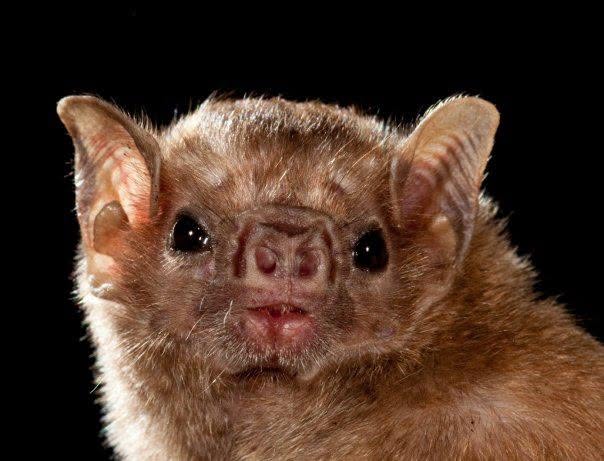
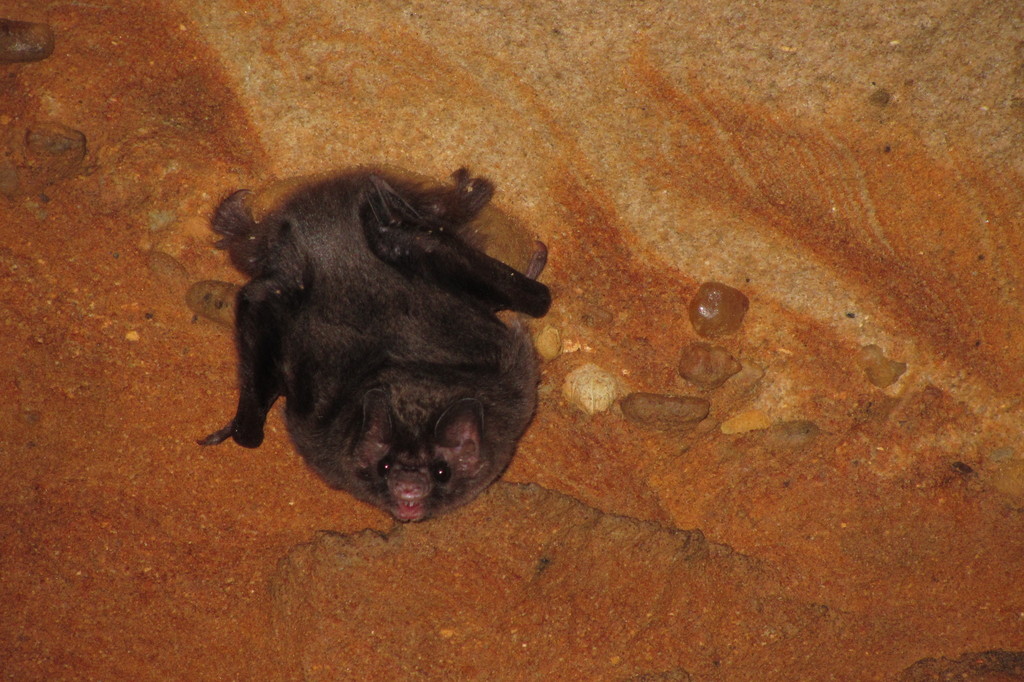
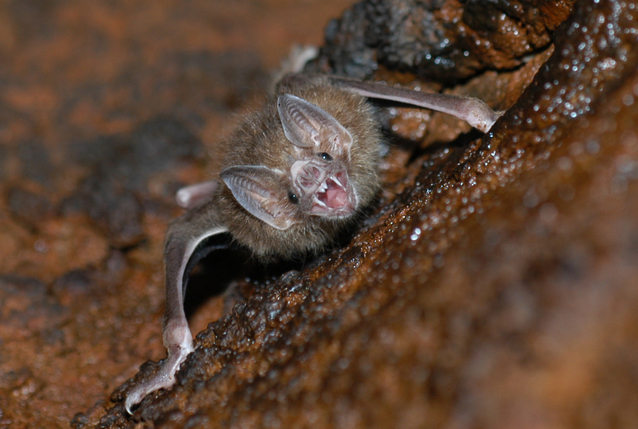
However, these species do not all feed on the same animals. The common vampire bat feeds on the blood of mammals, while the other two species primarily feed on birds. This particular feeding habit often causes fear and contributes to the negative perception surrounding bats. Nevertheless, blood-feeding bats represent only a small fraction of the country’s bat diversity, so it is inaccurate to associate all bat species with this behavior.
Research Explores How Bats Adapt to Urban Environments
The UCR’s research also examines bats living in urban environments, particularly in protected green spaces in towns such as San Ramón and Liberia. To better understand their distribution, researchers combine field surveys with acoustic monitoring systems. These devices record the echolocation calls bats use to navigate their surroundings and locate food, making it easier to identify which species inhabit different areas.
In addition, some research projects aim to determine the benefits these animals may offer to agriculture. One example is the work of graduate student Katherine Álvarez Rivera, who is studying the potential role of insect-eating bats in controlling pests that affect potato crops in Cartago. Her research seeks to provide evidence of the contribution these mammals make to agricultural systems and encourage farmers to recognize them as valuable allies.
Threats and Challenges to Bat Conservation in Costa Rica
Despite their ecological importance, bats face several threats. Forest destruction and fragmentation reduce the areas available for shelter, reproduction, and food. They also face persecution by people who consider them dangerous because of misinformation and popular misconceptions.
The diversity of this group often goes unnoticed because many people are unaware of the differences between bat species and their ecological roles. However, not all bats have the same habits or perform the same functions in nature. For this reason, the UCR’s research program also organizes educational activities involving students, local communities, landowners, and environmental organizations. The goal is to share scientific findings and promote a better-informed understanding of these animals.
Protecting bats means much more than conserving a particular species. Their role in controlling insect populations, pollinating plants, and dispersing seeds makes them essential allies in keeping forests and other ecosystems healthy. The discoveries made in San Ramón show that there is still much to learn about these mammals and that protecting their habitats also means safeguarding Costa Rica’s biodiversity.
Sensorial Sunsets
Navigate articles