Camping areas in Costa Rica
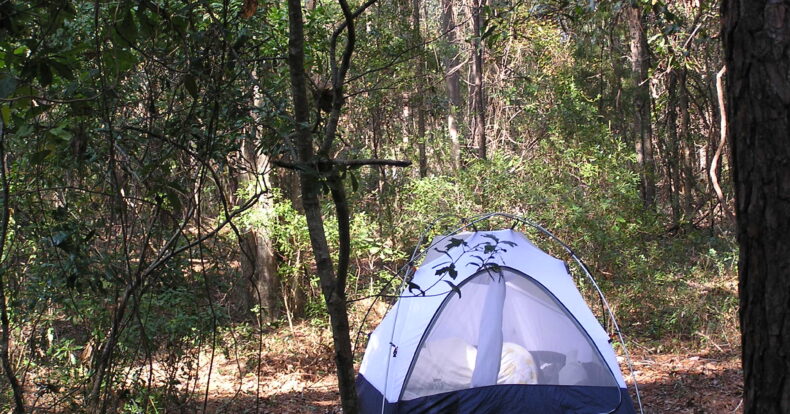
If you want to escape the noise of the city during your next vacation, camping can be a great option. Costa Rica has national parks, private reserves, forests, and mountains that offer different ways to enjoy the outdoors.
Before planning your trip, it is worth checking access conditions, available facilities, and overnight camping rules. Some destinations require advance reservations, while others offer private camping areas where you can pitch a tent. Here are eight places to consider if you want to discover Costa Rica from a campsite.
National Parks and Protected Areas
1. Santa Rosa National Park, Guanacaste
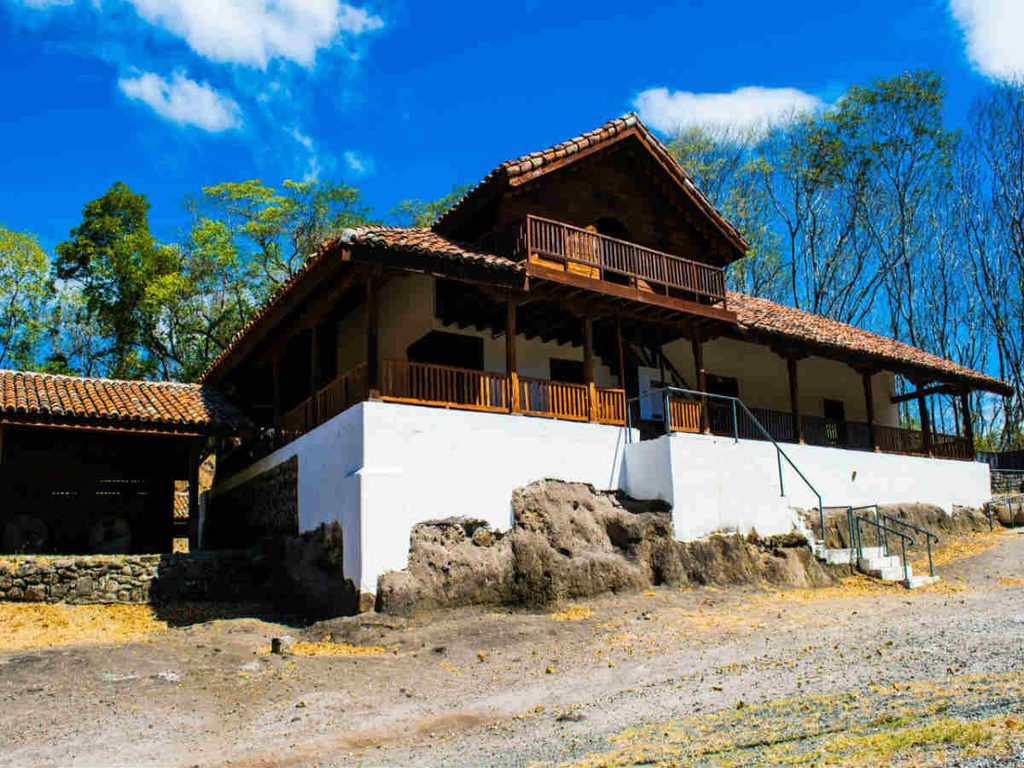
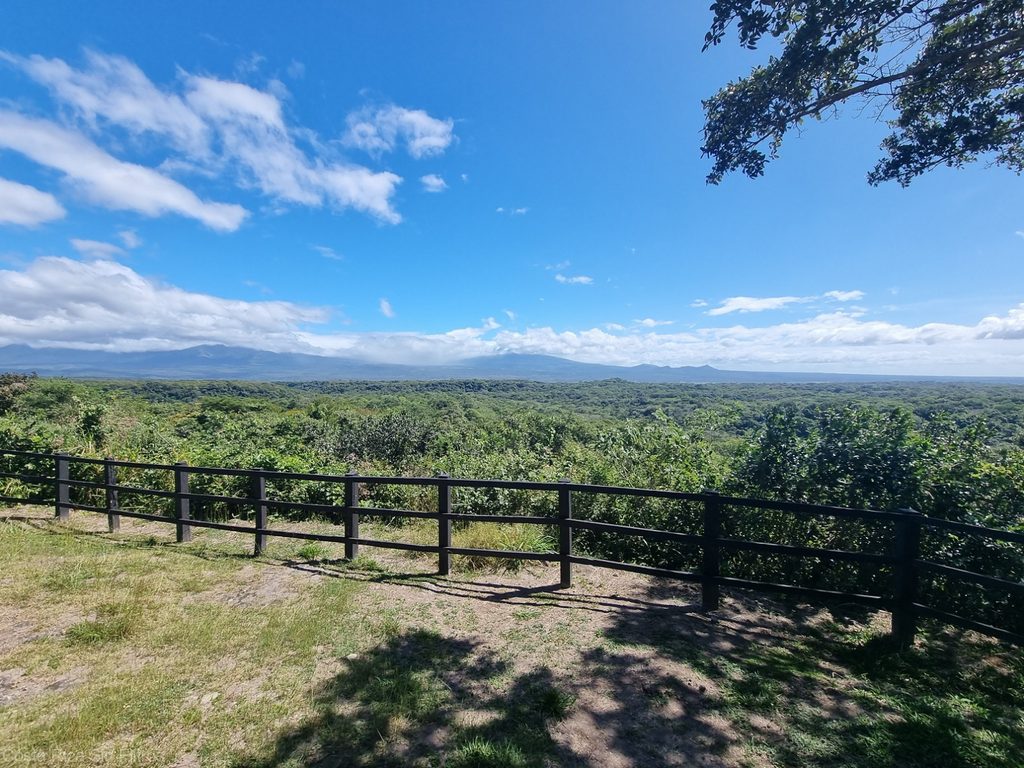
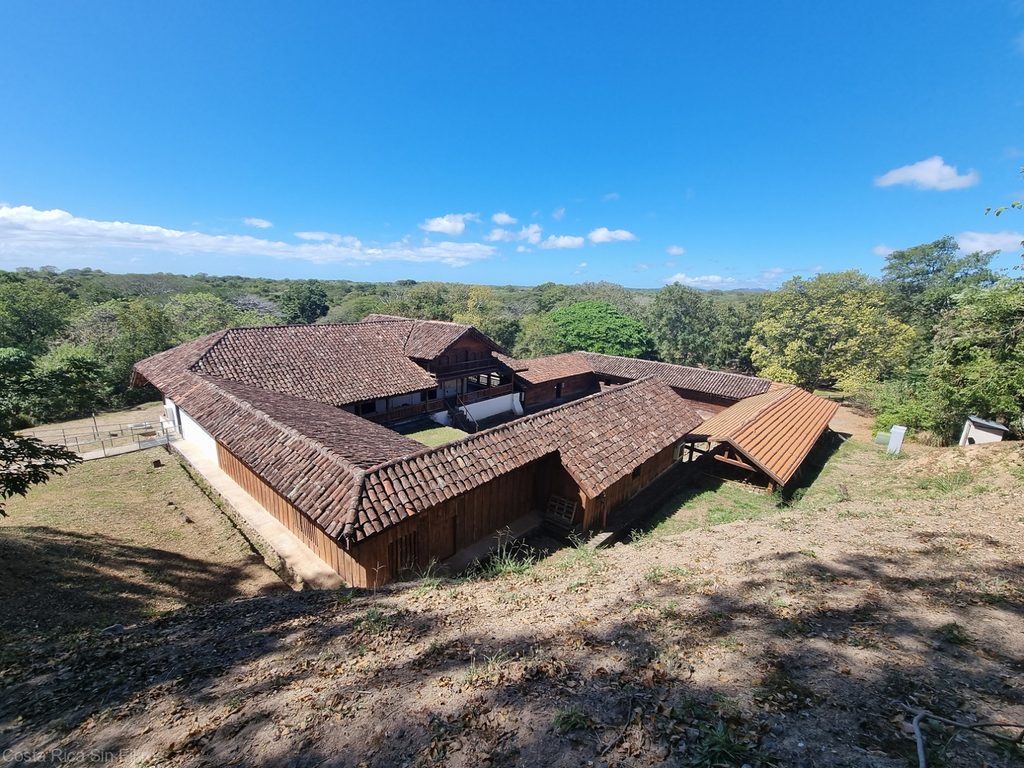
Santa Rosa National Park combines history, tropical dry forest, and coastal landscapes. The park is home to La Casona de Santa Rosa, a historic building associated with the National Campaign of 1856 and 1857. It also houses a museum dedicated to these events.
In addition to exploring the trails and learning about the area’s history, visitors can discover places such as Naranjo Beach, known for its surfing conditions and coastal scenery. The park has a designated camping area, drinking water, restrooms, and parking. Before traveling, confirm whether camping is available and check the access conditions, especially if you plan to visit more remote areas.
Fees: SINAC lists a camping fee of US$4 per person, in addition to the park entrance fee. Check the official booking system for the final amount and payment conditions before your visit.
2. Corcovado National Park, Osa Peninsula
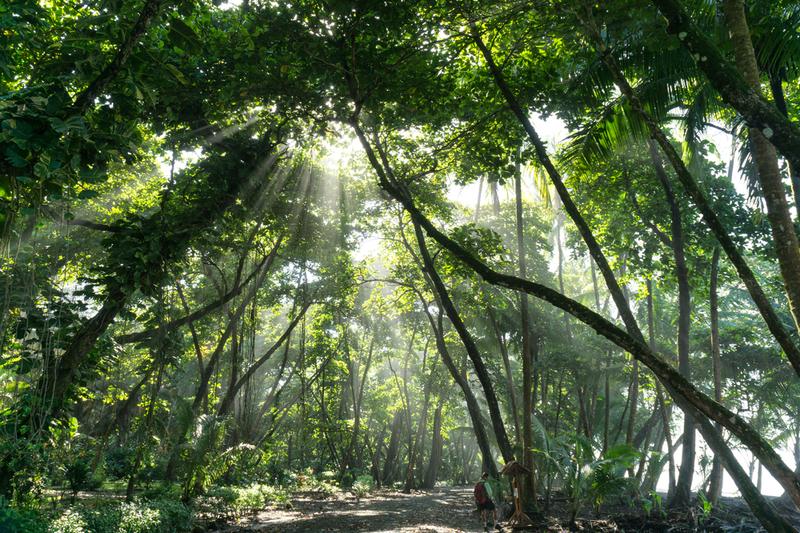
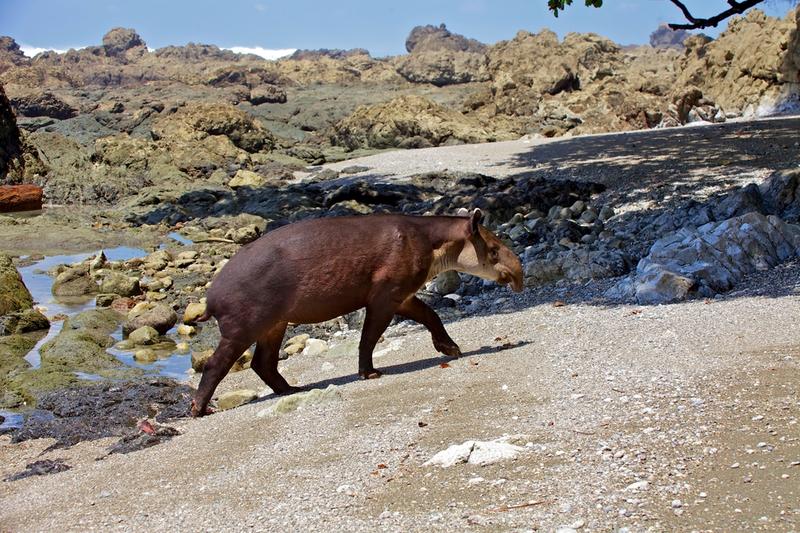
Corcovado is an option for travelers seeking a more challenging nature experience. Located on the Osa Peninsula, it protects extensive areas of tropical rainforest and offers opportunities to observe wildlife in its natural habitat. During your visit, you may encounter mammals, birds, reptiles, and a wide variety of plant species. However, wildlife sightings depend on environmental conditions and are never guaranteed.
The park has authorized overnight accommodation and camping areas in the Sirena and San Pedrillo sectors, subject to reservations. These facilities should not be confused with free camping, as visitors must follow the rules established for each sector. A visit requires advance planning. Entry must be arranged with the Osa Conservation Area, and visitors must be accompanied by an authorized guide on routes where this is required. Sirena also offers meals and accommodation by reservation.
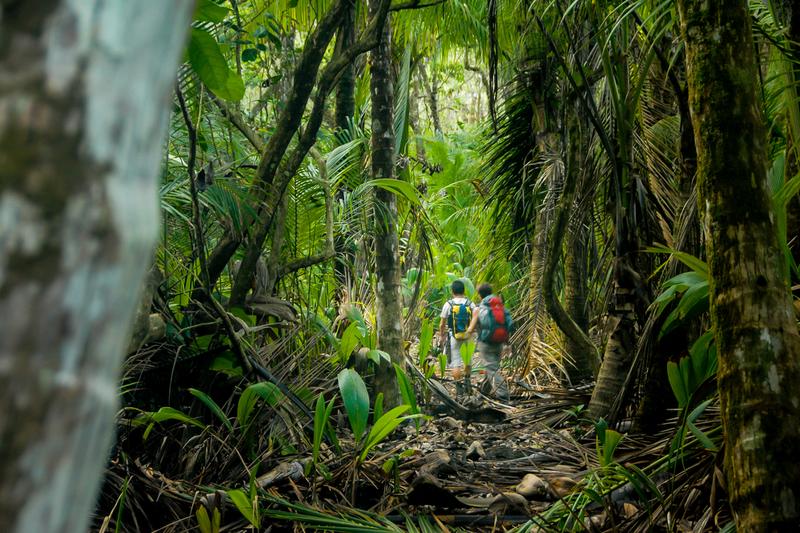
Important: Check availability, fees, and entry requirements before planning your trip. Bring appropriate equipment for rainy weather and long hikes.
3. Chirripó National Park, Talamanca Mountain Range
At approximately 3,820 meters (12,533 feet) above sea level, Chirripó Peak is the highest point in Costa Rica. Climbing the mountain offers the opportunity to experience high-altitude landscapes and ecosystems that change with elevation. The area’s main attractions include Los Crestones, the Valley of the Lakes, and páramo vegetation. Weather conditions can change quickly, bringing low temperatures, strong winds, and rain.
Advance reservations are required. The park has marked trails, drinking water, restrooms, and concession-operated food and accommodation services. It also lists a camping option associated with the Urán lodge. Before traveling, confirm which accommodation options are available for your dates. Do not assume that you can pitch a tent anywhere along the trail.
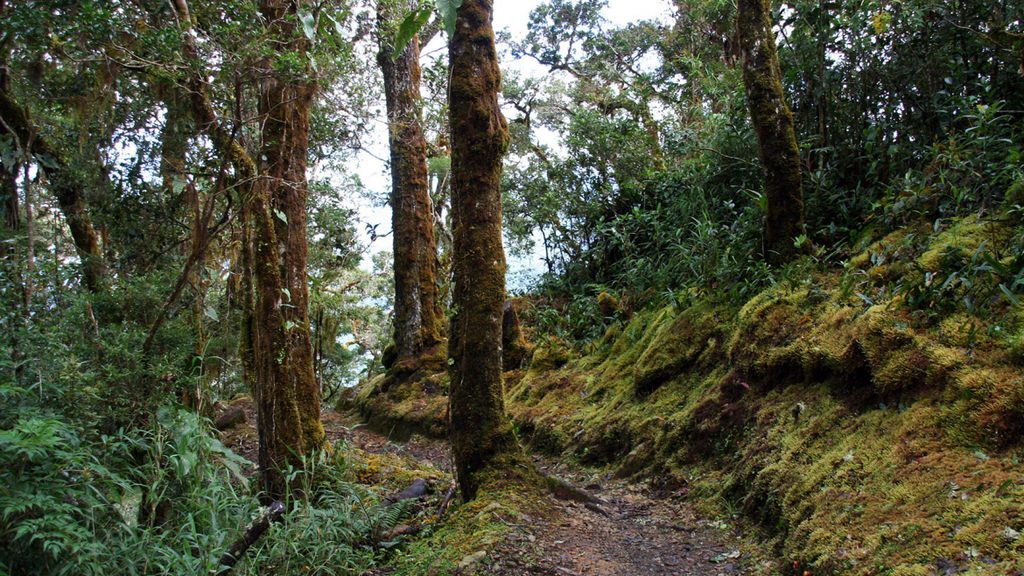
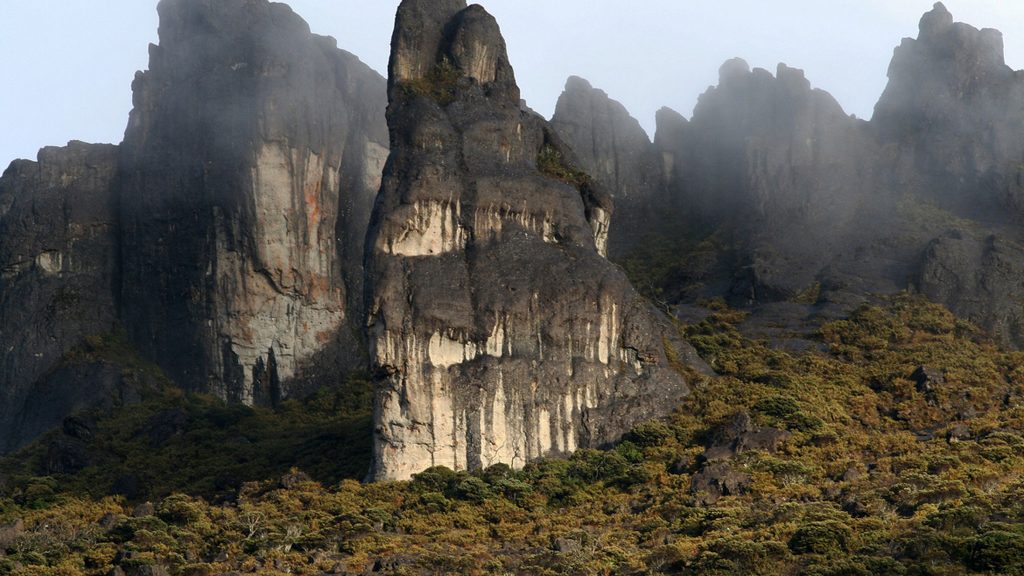
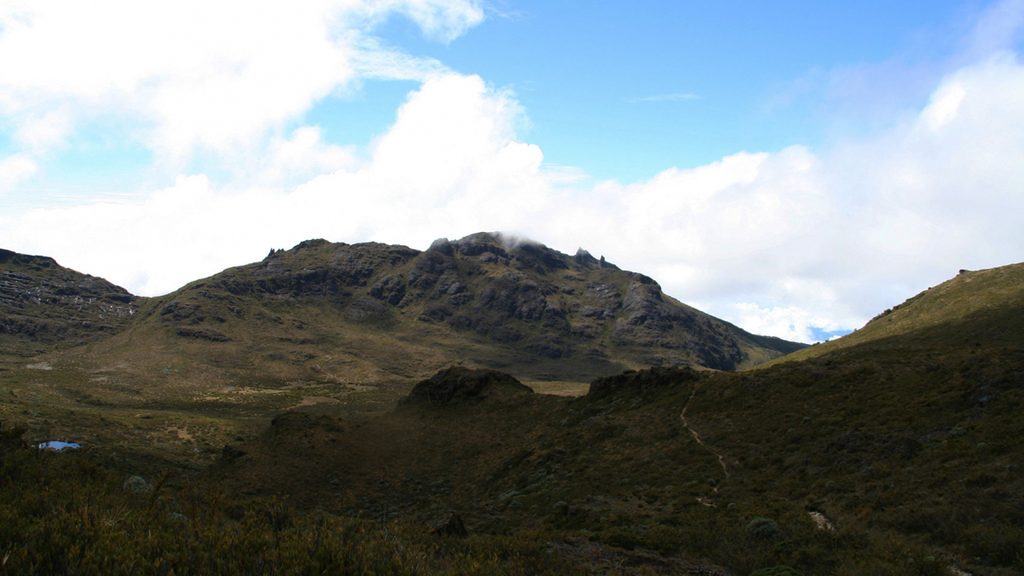
Important: Prepare for cold weather and strenuous physical activity. The altitude, distance, and elevation gain make this trip physically demanding.
Private Reserves and Mountain Destinations
4. La Marta Wildlife Refuge, Cartago
La Marta Wildlife Refuge is an option for visitors who want to combine hiking, wildlife observation, and relaxation near rivers and natural pools. The refuge protects tropical rainforest habitats and has trails that allow visitors to explore the property. It also offers camping areas and lodge accommodation.
Facilities include camping shelters, restrooms, and showers. According to the refuge’s official information, camping areas have tables and grills, as well as access to drinking water. Published rates distinguish between camping with your own equipment, camping with rented equipment, and a premium camping option. Check the official website for current prices before making a reservation.
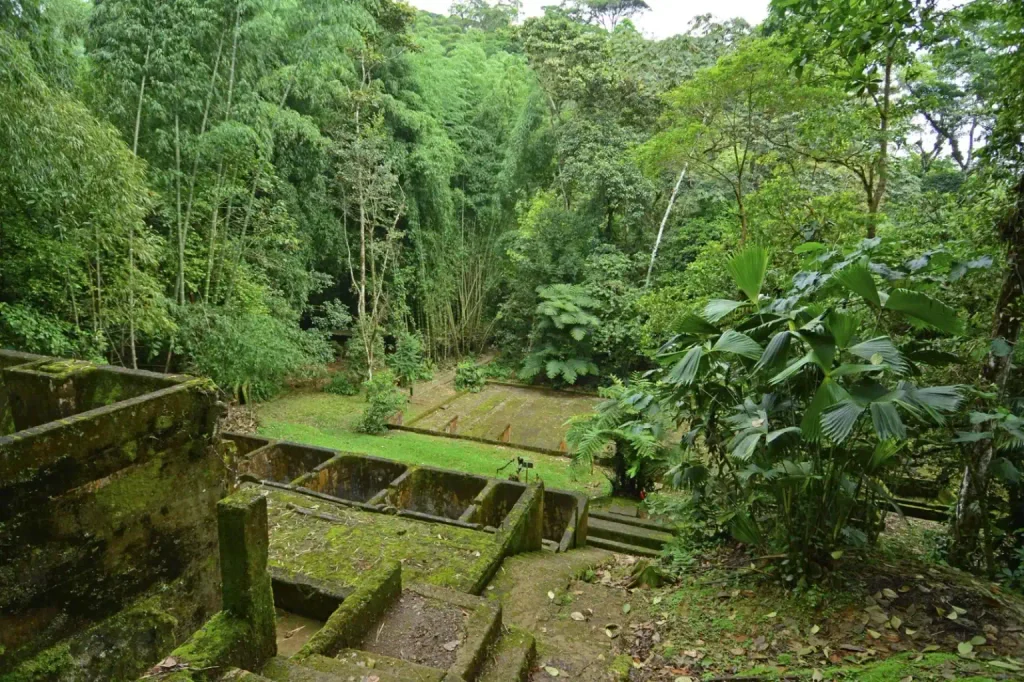
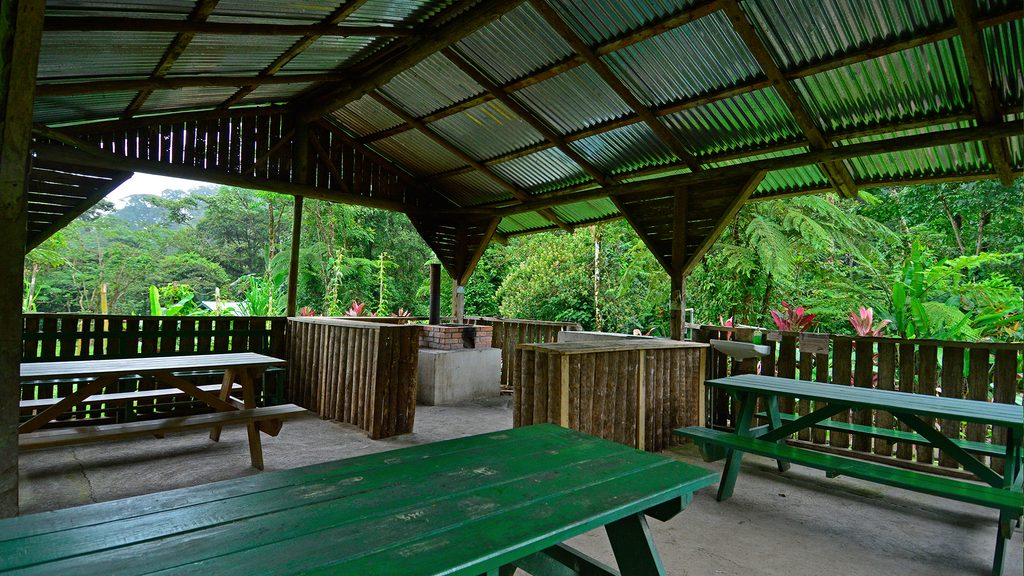
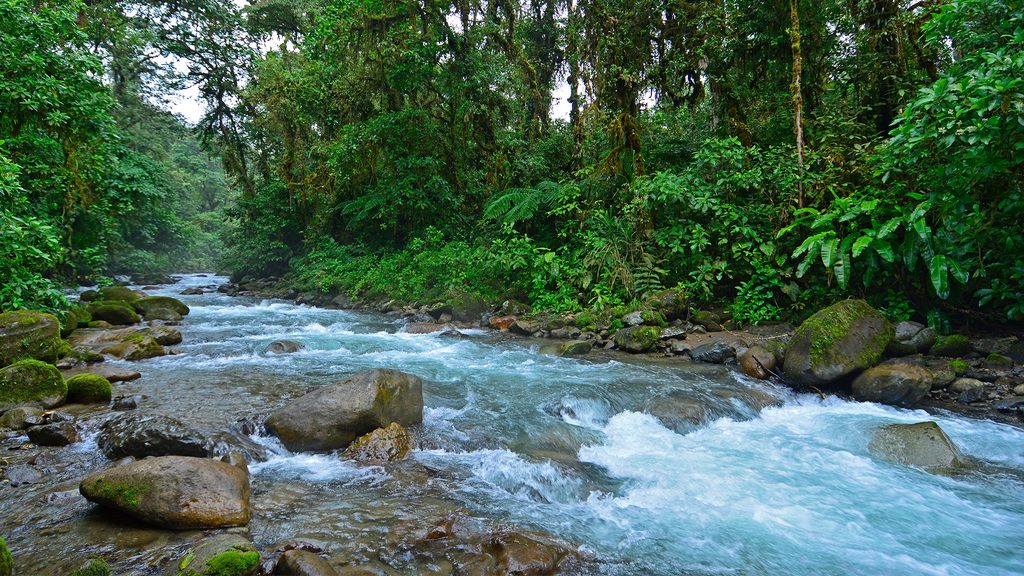
Important: Wear closed-toe shoes and follow staff instructions. If you plan to visit the natural pools, check river conditions and follow all safety recommendations.
5. San Luis Ecological Farm, Monteverde
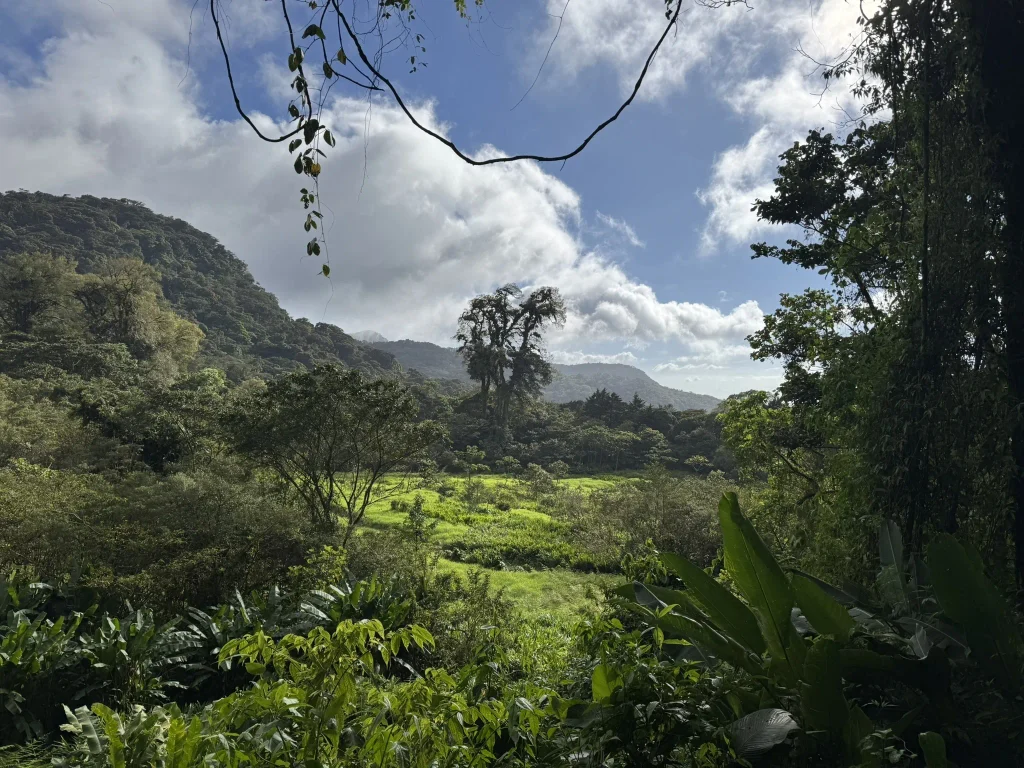
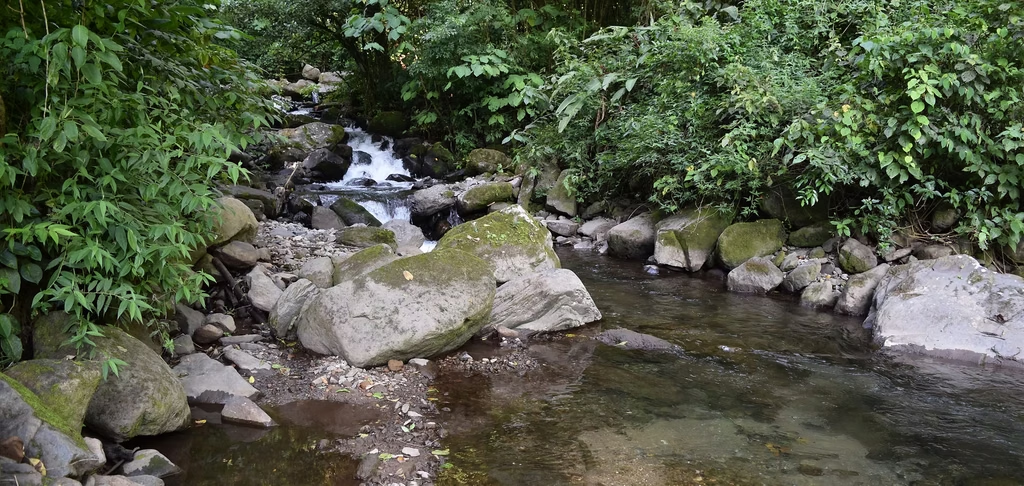
Located in the San Luis Valley near Monteverde, San Luis Ecological Farm offers a rural tourism experience surrounded by forest and agricultural land. The property has trails and opportunities for birdwatching. Visitors can also enjoy the San Luis River, provided they exercise caution and follow the site’s recommendations.
Camping facilities are basic. Anyone planning to stay overnight should bring the necessary equipment and arrange their visit in advance. This is not a fully equipped campground with all the services of a conventional accommodation facility. The farm also offers rural activities and has food options on the property, subject to its operating conditions.
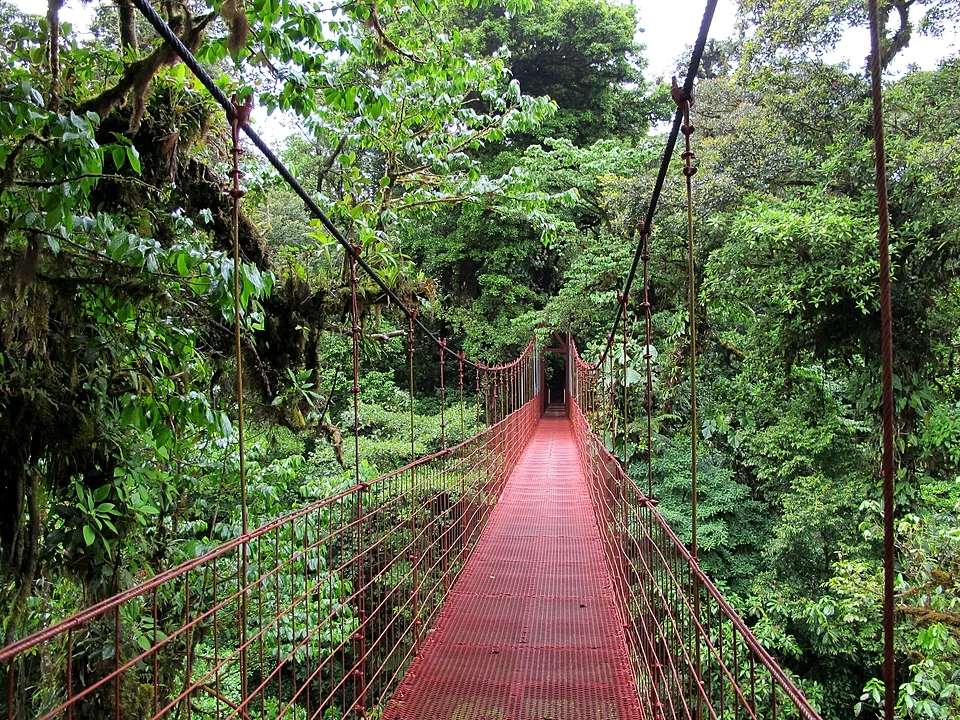
Important: Check road conditions, available facilities, and camping requirements before your visit.
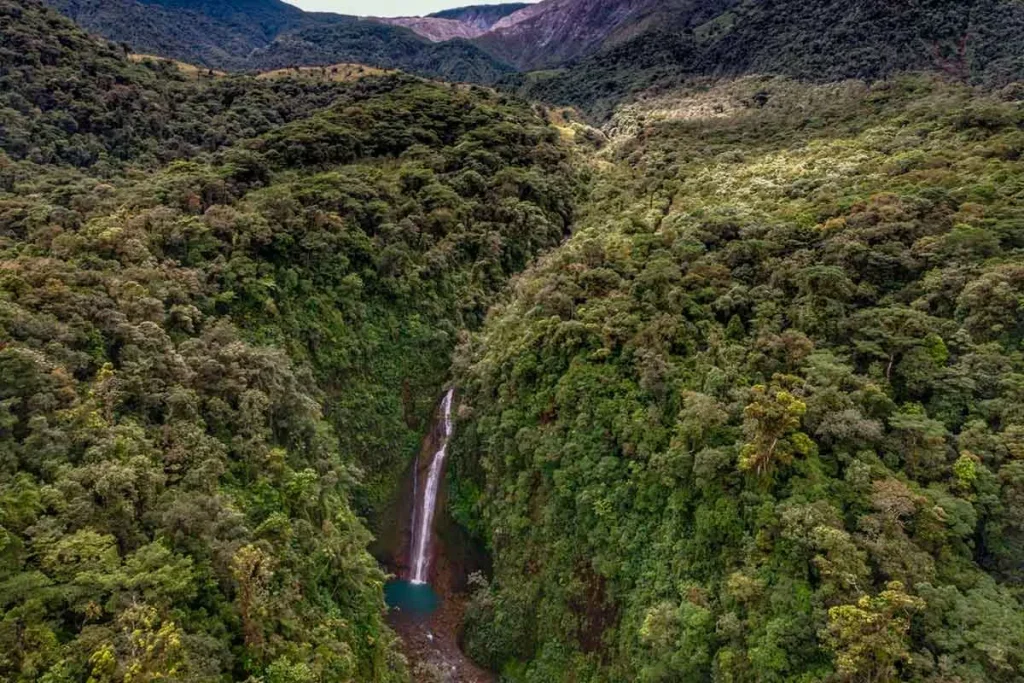
6. Tesoro Escondido Waterfall and La Gota Lookout, Bajos del Toro
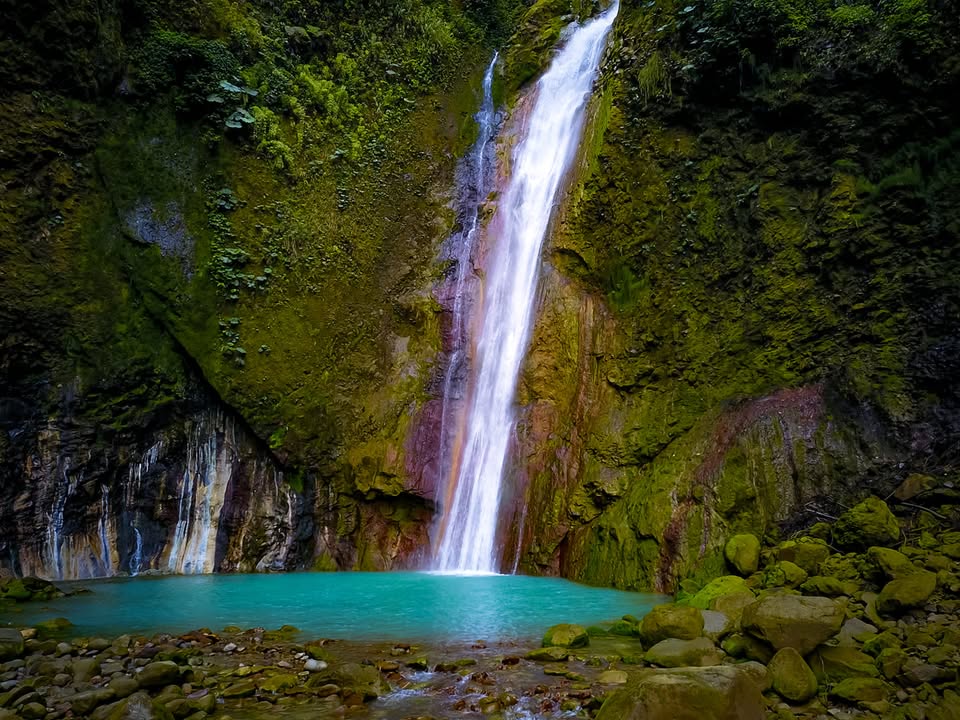
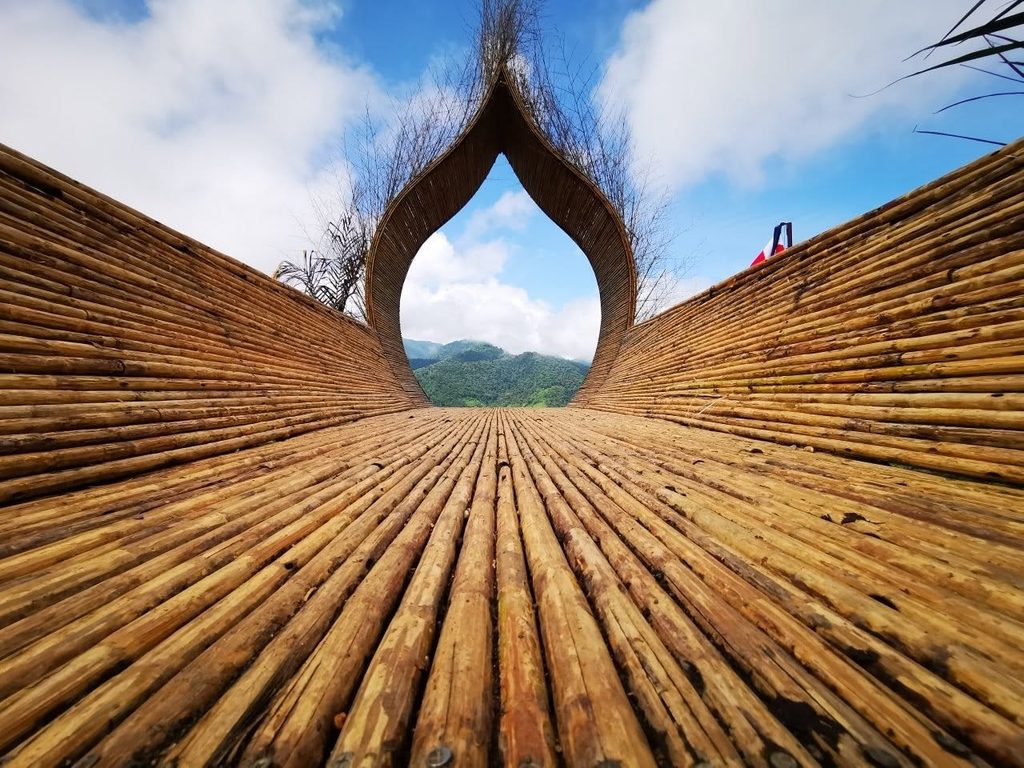
The Bajos del Toro area in Alajuela is known for its waterfalls, rivers, and mountain scenery. Attractions in the area include Tesoro Escondido Waterfall and La Gota Lookout, both located on private property. Visitors can combine hiking with stops at natural pools and the lookout. The experience involves walking over natural terrain and climbing stairs.
The property offers camping by reservation. Its booking system lists a camping fee of ₡3,000 per person per night, in addition to the applicable entrance fees. Before setting out, confirm availability and access conditions. It is also worth asking which restrooms, water supplies, and other facilities will be available during your stay.
7. Don Manuel Lagoon, Santa María de Dota
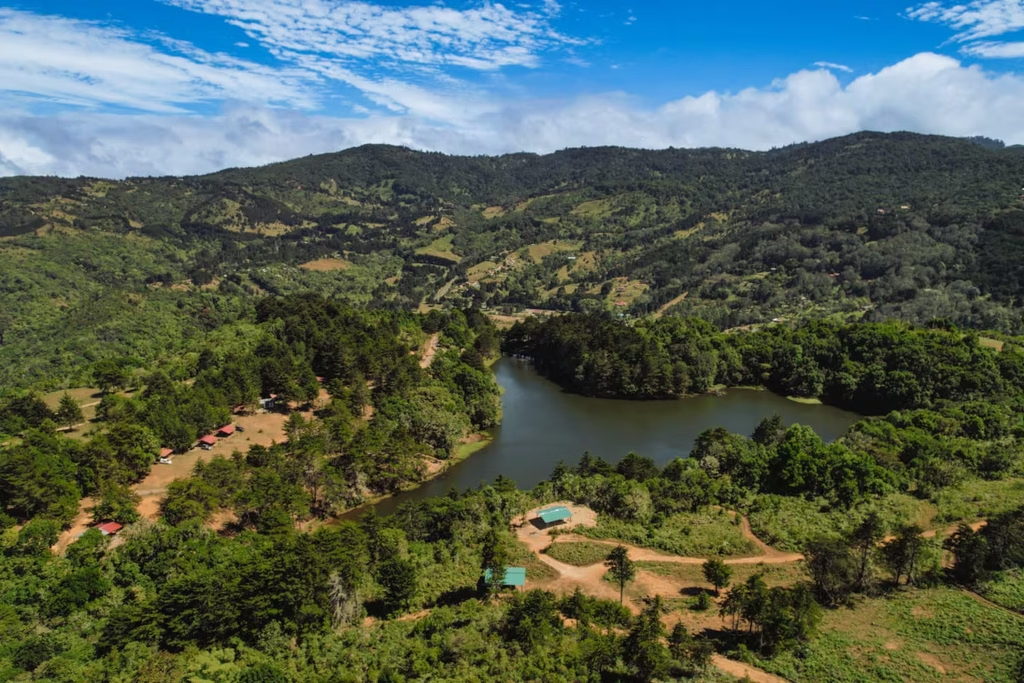
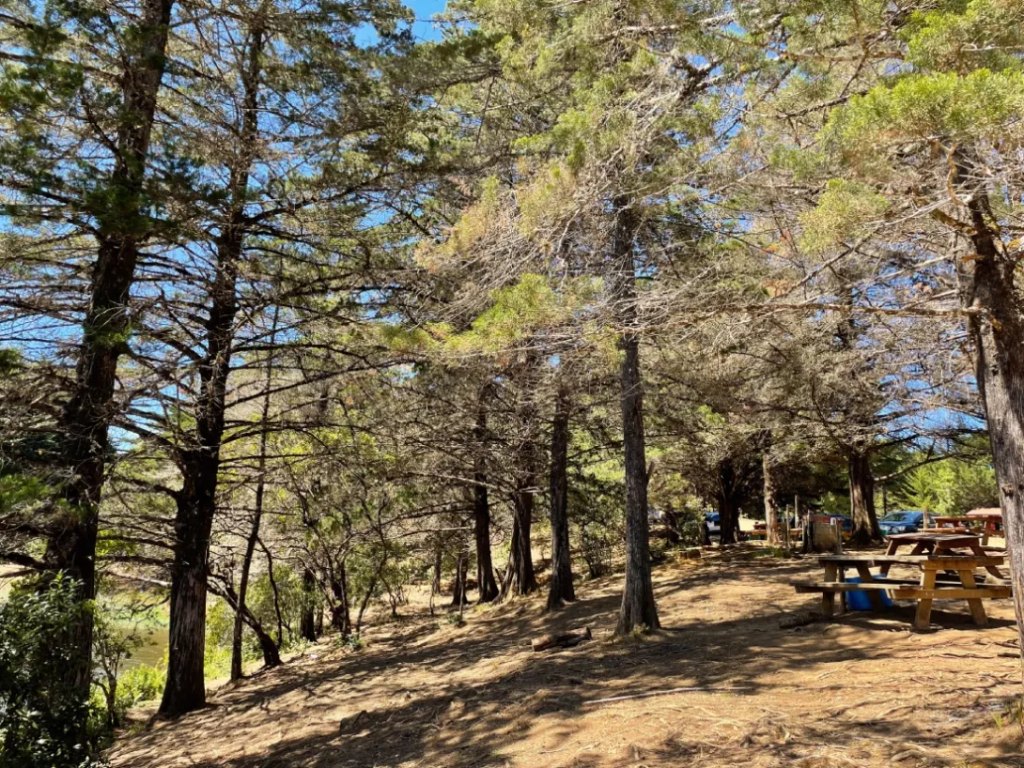
Don Manuel Lagoon, in the Los Santos region, is an option for visitors who prefer mountain surroundings and want to combine camping with leisurely walks. The property has forest trails, tables, and shelters where visitors can share meals. It also offers day passes, camping areas, and other overnight options. The surroundings provide opportunities to observe local vegetation and, with some luck, spot wildlife. This destination may appeal to travelers who want to spend time outdoors without undertaking a strenuous high-altitude hike.
Published rates: ₡6,000 per day for adults and ₡3,000 for children and senior citizens. Check with the property to confirm how the rates apply to the length of your stay.
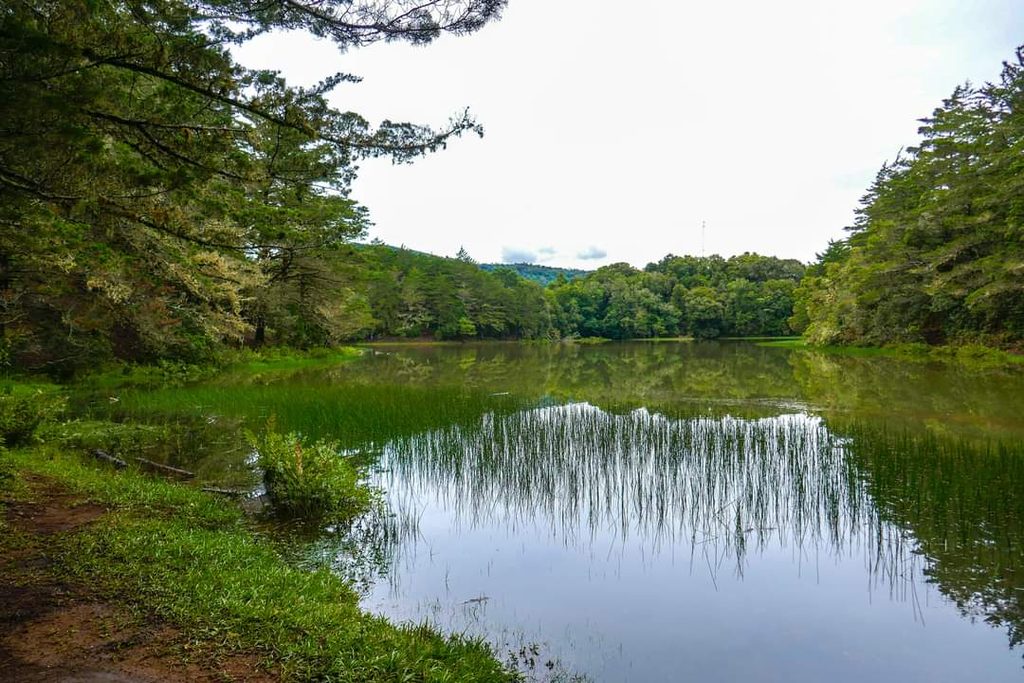
Important: Do not assume that swimming or fishing is permitted in the lagoon. Check the current rules and respect all restrictions.
8. Bosque Caricias, Concepción de San Isidro de Heredia
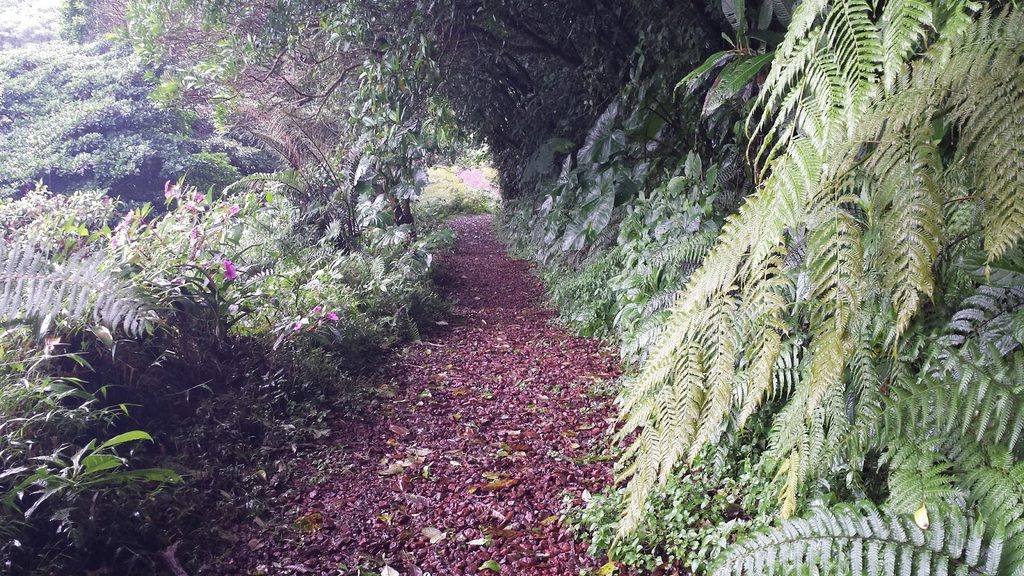
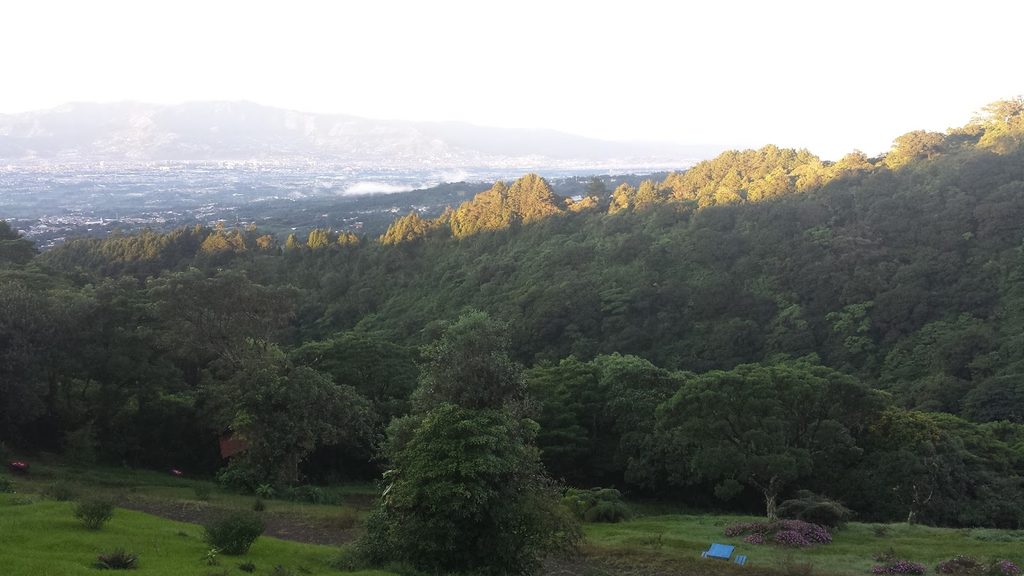
Bosque Caricias is a private ecological reserve in the mountainous area of Heredia. It combines hiking with opportunities to enjoy the forest, making it an option for visitors looking for a destination relatively close to Costa Rica’s Central Valley.
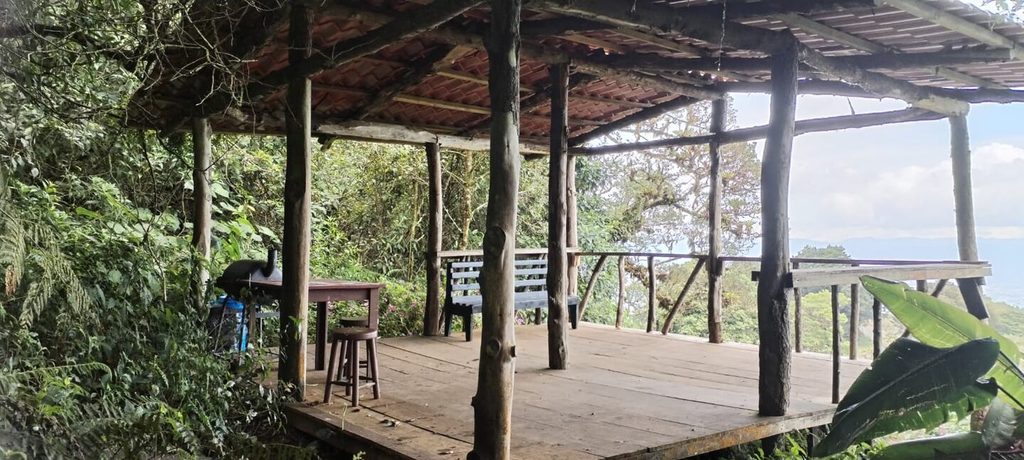
Information published by the property describes trails and camping areas, including open spaces and covered sections. Facilities and overnight arrangements should be confirmed directly with the administration. Check the latest information before planning your visit, as some online details about fees and reservations are outdated.
Important: Ask about trail conditions, restroom facilities, vehicle access, and rules for bringing pets.
Tips for Camping in Costa Rica
Before choosing a destination, keep the following recommendations in mind:
- Book in advance. Some national parks and private properties have limited capacity or require visitors to arrange their stay beforehand.
- Confirm fees. Check whether the price includes park admission, a tent site, parking, or equipment rental.
- Check available facilities. Not every location has hot showers, electricity, a restaurant, or drinking water.
- Check the weather and access conditions. Rain can affect roads and trails, especially in mountainous areas.
- Bring the right equipment. A waterproof tent, a dry bag to protect your belongings, suitable clothing, and a flashlight are useful essentials.
- Respect wildlife. Do not feed animals, leave litter behind, or stray from designated trails.
- Follow site rules. Campfires, pets, alcohol consumption, and other activities may be restricted.
The best destination will depend on your budget, experience, and preferred type of adventure. For more activities and places to visit, explore Best Deals 2.

Camping en Costa Rica
Before visiting any of these destinations, contact the administration to confirm whether camping is permitted, what entry requirements apply, and whether advance reservations are necessary. Not all protected areas allow overnight stays, and private properties may change their facilities, fees, and opening hours. You should also verify the availability of drinking water, restrooms, and showers to prepare for your trip.
Sensorial Sunsets
Navigate articles