

Cartago Municipal Museum: history, art, and the symbols of the former capital
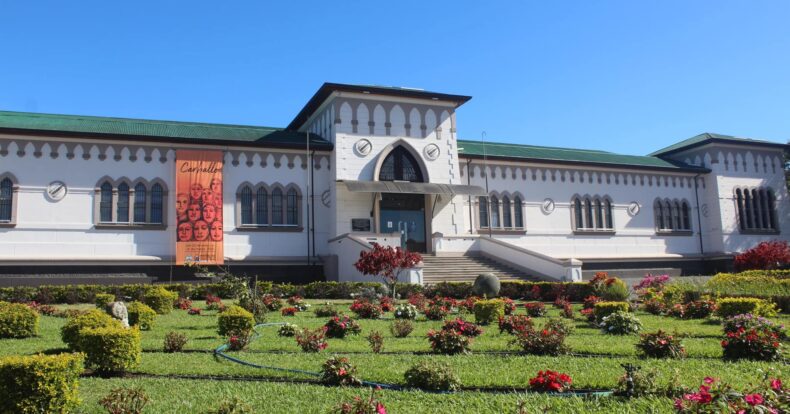

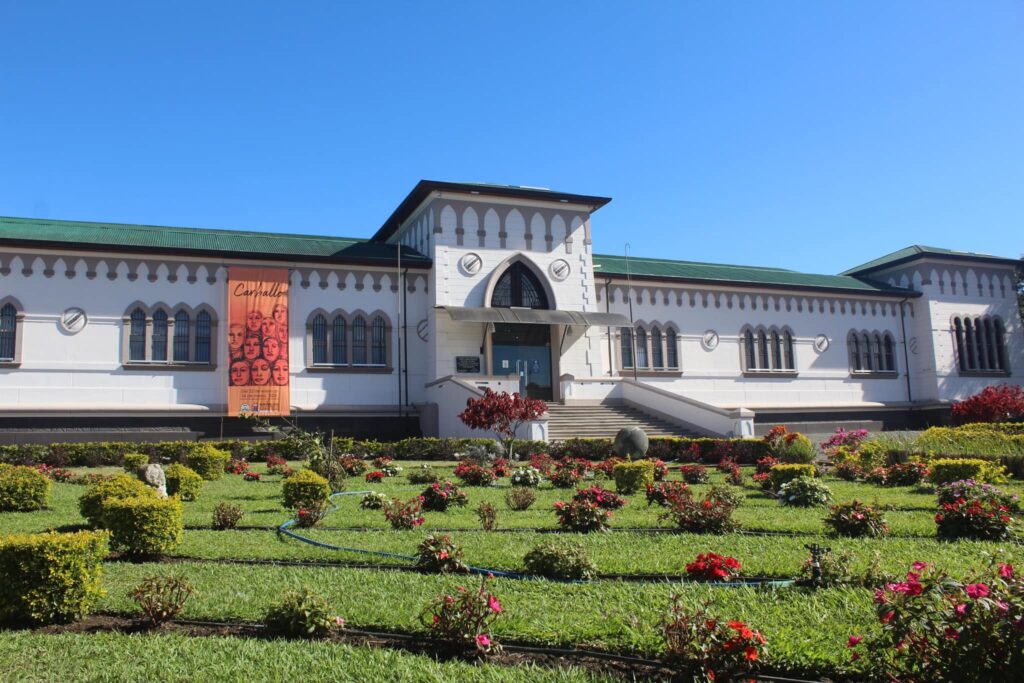
In the heart of Costa Rica’s former capital stands one of the country’s most emblematic cultural spaces: the Cartago Municipal Museum. Much more than a museum, this building brings together centuries of history, architectural heritage, and artistic expression, becoming a place where past and present are in constant dialogue.
Located in the former Cartago Jail, the museum preserves the memory of an era marked by profound social change, while also promoting culture through exhibitions, educational activities, and events for the whole community.
From former prison to cultural center
The museum is housed in the building of the former Cartago Jail, a stone-and-lime mortar construction built between the late 19th and early 20th centuries, after the 1910 earthquake that destroyed much of the city.
For decades, the property operated as part of Costa Rica’s penitentiary system. Its thick walls, iron bars, corridors, and old cells were the setting for prison life at the time, and over the years it became an important testament to Cartago’s urban and social history.
When it stopped serving its original purpose, the Municipality of Cartago launched a restoration process to rescue this valuable architectural heritage. Thanks to this initiative, the Cartago Municipal Museum officially opened its doors in 1994, giving new life to a building steeped in history.
A space where the past inspires the present
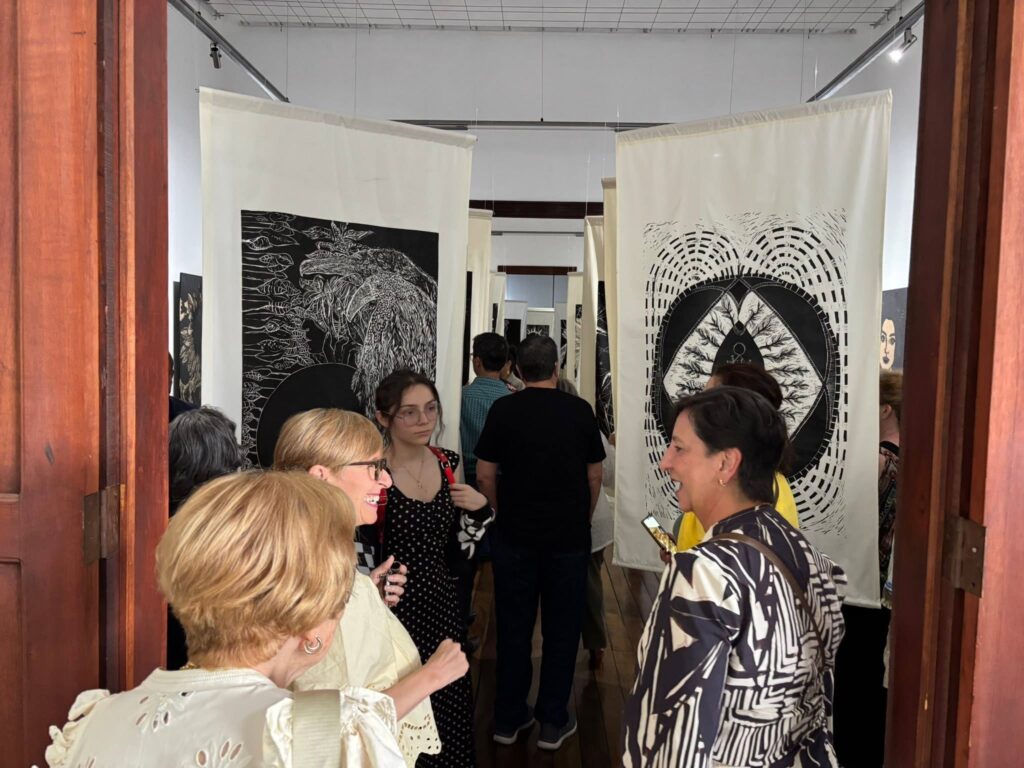
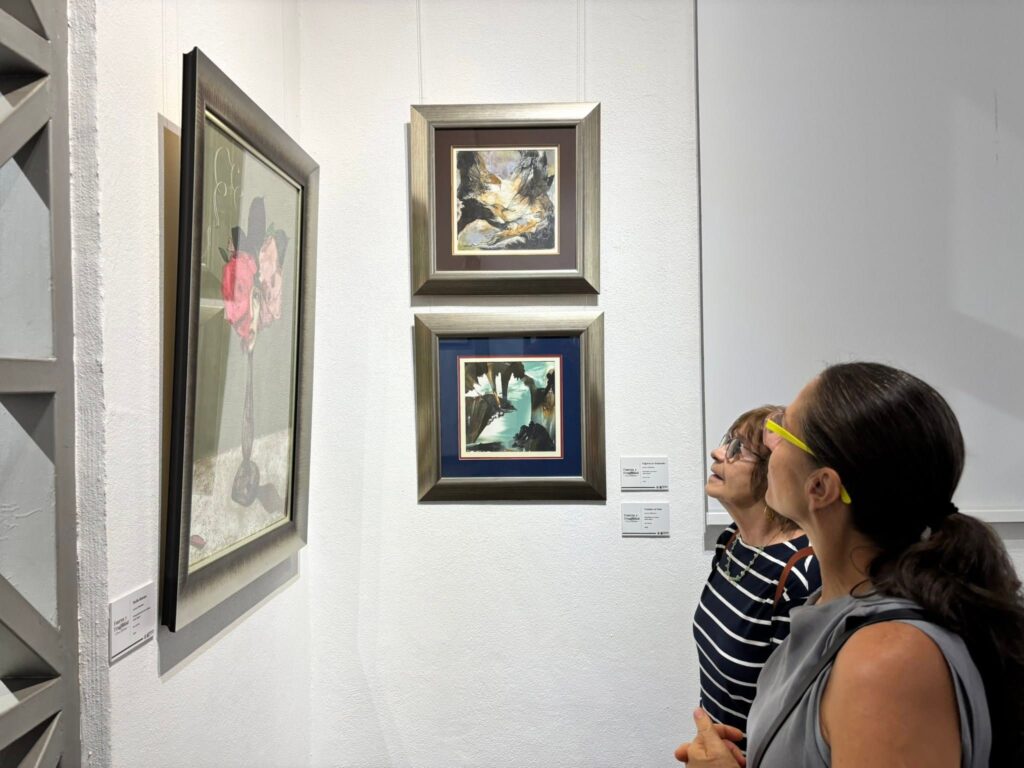
Today, the museum has established itself as one of the province’s leading cultural centers. Its rooms host national and international exhibitions of painting, sculpture, photography, archaeology, and historical heritage, offering a program that brings art and culture closer to both local and international visitors.
In addition to its permanent and temporary exhibitions, the venue organizes concerts, theatre performances, educational workshops, and community activities that strengthen the bond between citizens and cultural heritage.
One of the museum’s biggest attractions is the experience of walking through the old cells while discovering contemporary artistic proposals. This combination helps show how a place once meant for confinement was transformed into a space of creative freedom, reflection, and civic gathering.
A symbol of resilience for Cartago
The transformation of the former prison into a museum represents one of the best examples of historic heritage recovery in Costa Rica.
What for many years symbolized punishment and the deprivation of freedom is now a space open to knowledge, creativity, and cultural participation. This evolution reflects Cartago’s commitment to preserving its history and to developing a cultural offering that strengthens the community’s identity.
The Municipal Museum also reaffirms Cartago’s role as the cradle of important national events and as a city that continues to invest in education and culture as pillars of its growth.
The symbols that represent Cartago’s identity
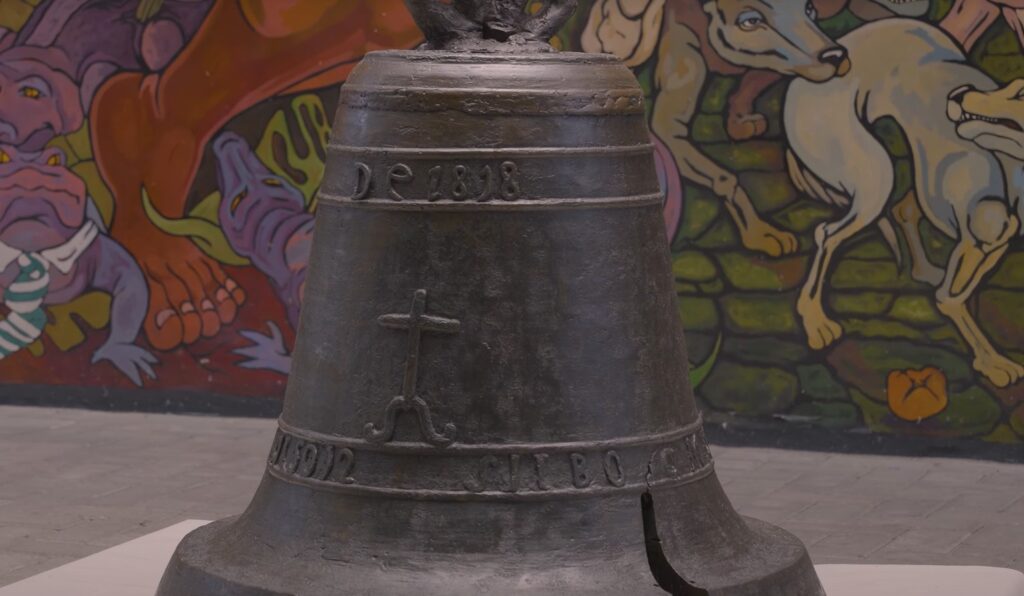
The museum also safeguards some of the canton’s most important civic symbols, including the flag, the coat of arms, the Independence Bell, and a traditional Cartago oxcart—elements that help us better understand the historical evolution of the country’s first capital.
Cartago’s coat of arms
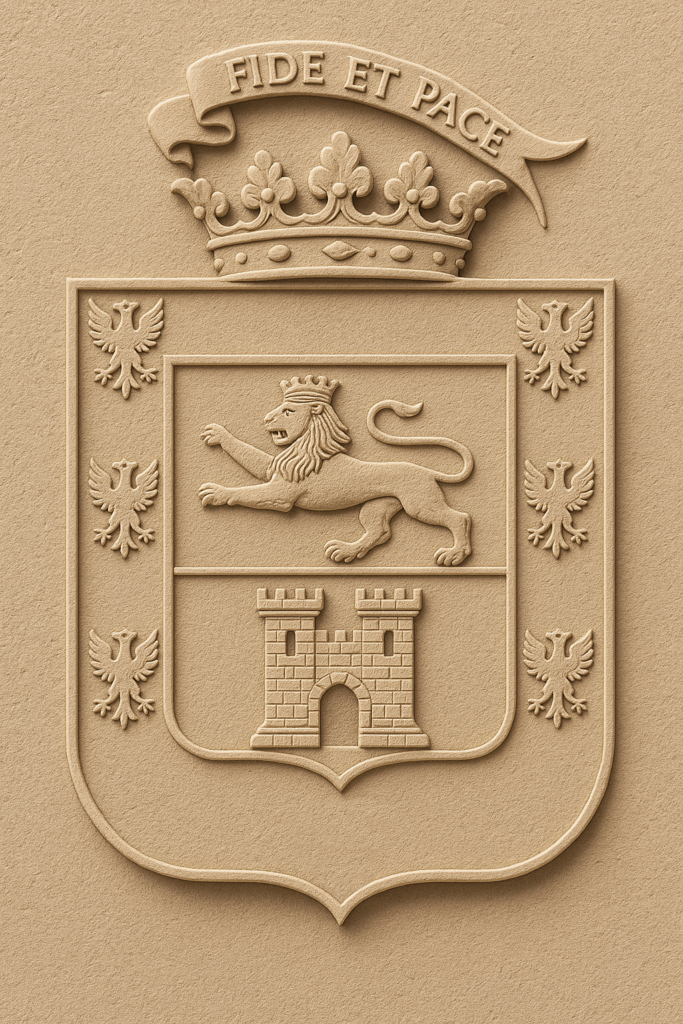
The cantonal coat of arms originates from a Royal Decree granted by King Philip II in 1565, making it one of the oldest heraldic insignias in Central America.
Its design brings together various historical elements:
- A rampant lion on a red background, contributed by the family of the conquistador Juan Vázquez de Coronado.
- A golden castle on a blue field, taken from the coat of arms of Diego Caro de Mesa.
- A border with six black eagles on a silver background.
The whole is accompanied by the motto “Fide et Pace” (“Faith and Peace”), an expression that sums up the spiritual, social, and historical values that have characterized Cartago over the centuries.
The canton’s flag
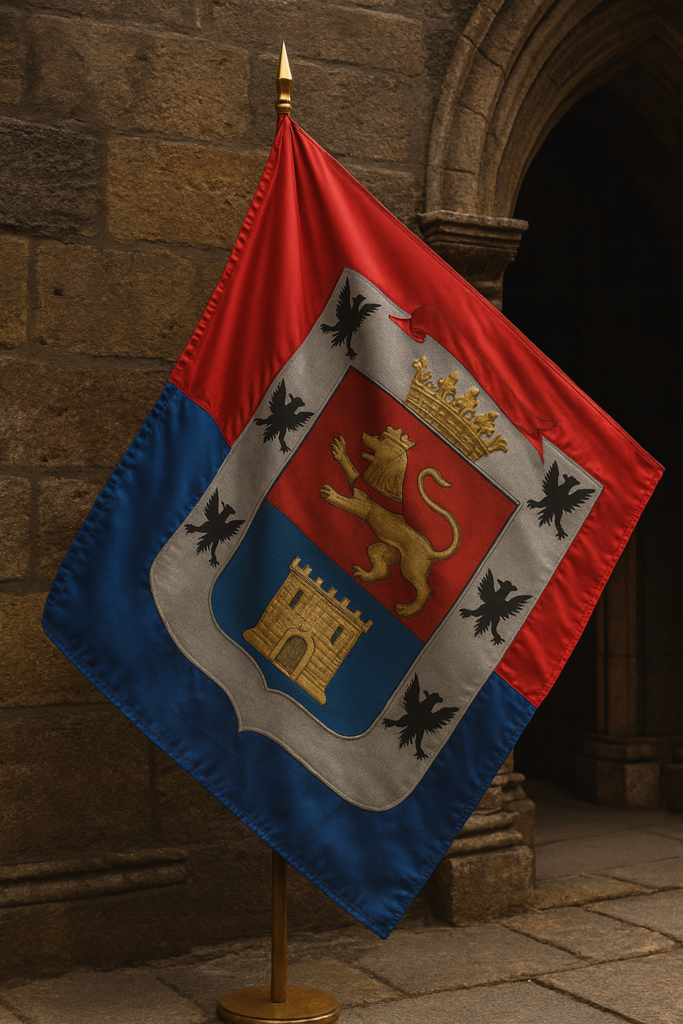
Cartago’s flag is made up of two horizontal stripes with great meaning:
- Red: represents the courage, strength, and sacrifices made by the people of Cartago in defense of freedom and sovereignty.
- Blue: symbolizes the sky, peace, faith, and hope that distinguish the community.
At the center is the canton’s official coat of arms, reinforcing its character as a civic emblem. Its simple design, yet rich in symbolism, reflects the resilient spirit of Costa Rica’s first capital.
More than a historic building, the Cartago Municipal Museum is a space where memory, art, and Costa Rican identity converge. Its former cells tell part of the country’s history, while its galleries showcase the creativity of contemporary artists and bring culture closer to new generations.
Sensorial Sunsets
Navigate articles