
Mariposa Morpho: uno de los símbolos nacionales que representa a Costa Rica
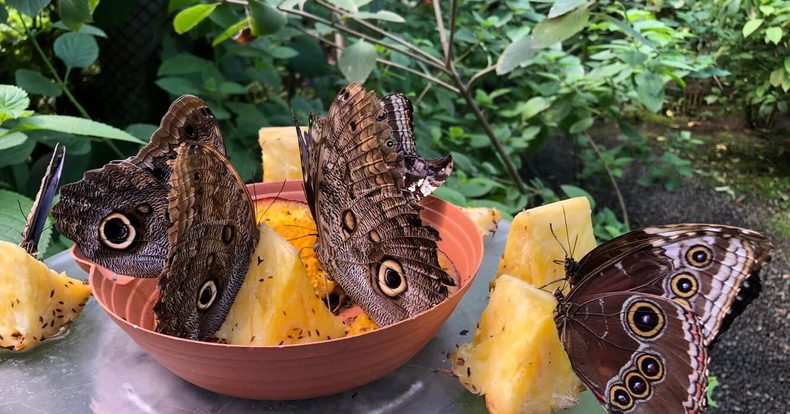

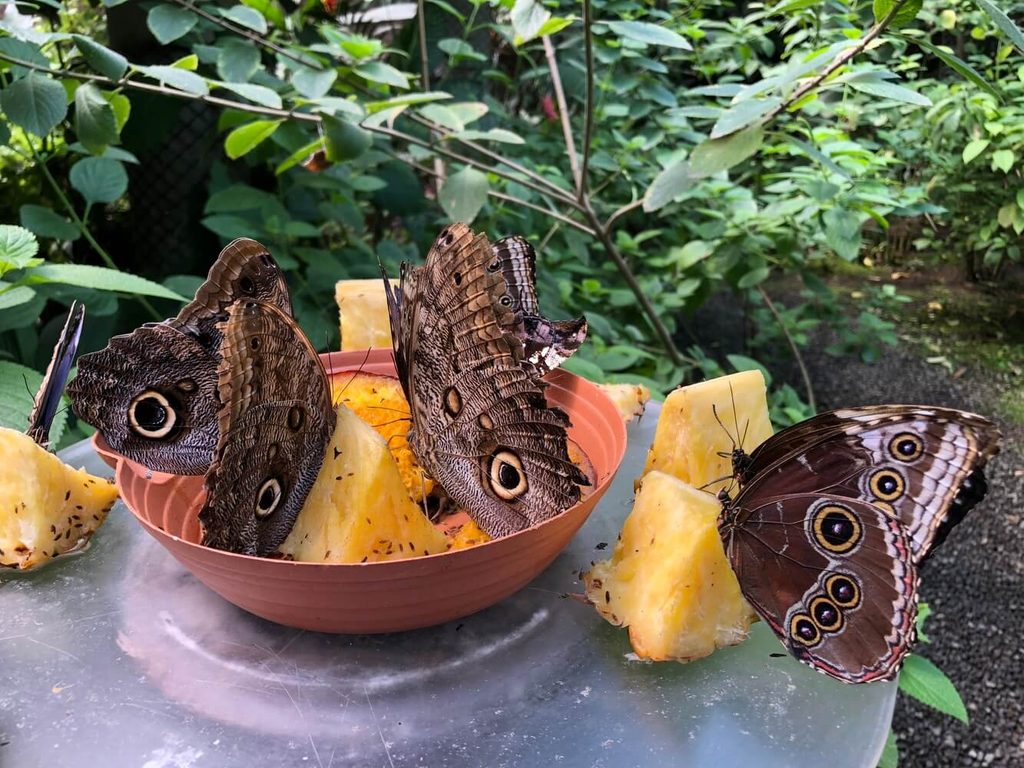
The Morpho helenor narcissus was declared a national symbol of Costa Rica’s lepidopteran fauna on May 31, 2022. Its intense blue coloration and distinctive beauty have made it one of the country’s most recognizable butterflies.
Costa Rica’s extraordinary natural diversity is also reflected in its national symbols. Among them is the Morpho butterfly, which was officially recognized as a national symbol of the country’s lepidopteran fauna on May 31, 2022.
The species Morpho helenor narcissus is particularly notable for the intense blue color visible on the upper surface of its wings when they are fully open. This effect is not simply the result of pigmentation, but rather of the microscopic structure of the scales covering its wings, which produces their characteristic iridescent appearance. Some specimens can reach a wingspan of nearly 20 centimeters.
Beyond their visual appeal, butterflies have held a significant place in Costa Rica’s cultural history. Since pre-Columbian times, they have been represented on various archaeological artifacts found in the Central Valley. These representations may have been associated with practices and rituals related to death and the work of those involved in funerary practices.
A Butterfly Garden in the Heart of San José
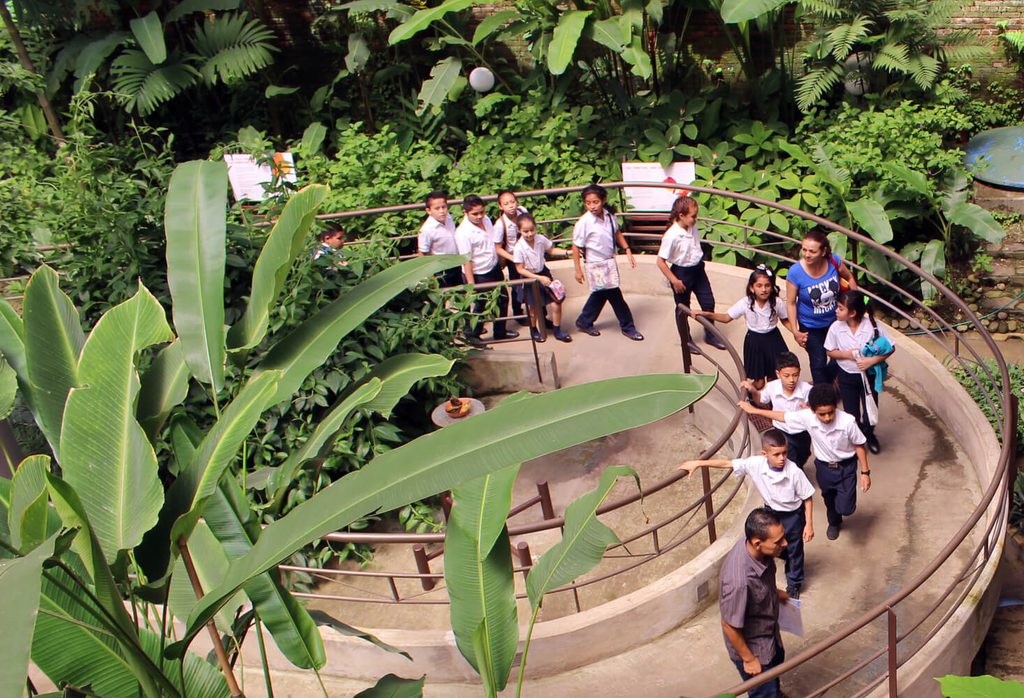
For those who want to observe these species up close and learn more about their life cycle, the Butterfly Garden at the National Museum of Costa Rica offers a natural refuge in the middle of San José.
The garden is one of the first experiences visitors encounter during their tour of the museum. Covering approximately 1,000 square meters, it is home to 28 butterfly species, along with plants that provide them with food and the conditions they need to complete their development.
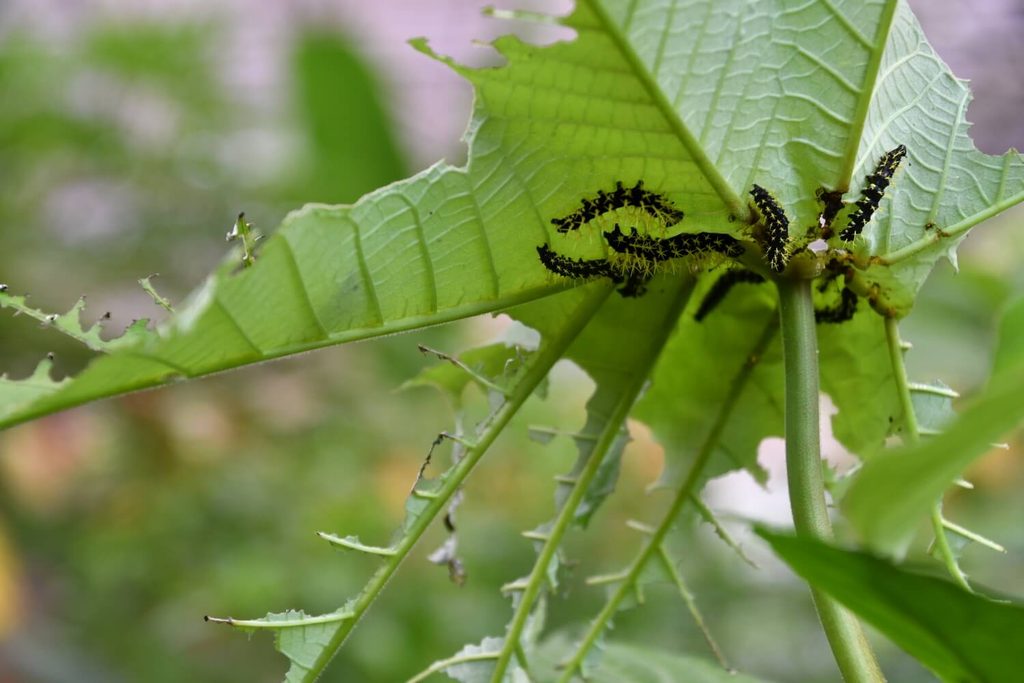
A visit offers the opportunity to observe much more than adult butterflies. Among the vegetation, visitors can find eggs, larvae, pupae, and chrysalises, as well as butterflies that have recently emerged from their pupal stage, basking in the sun, feeding, or taking flight.
The garden is also connected to one of the most significant events in Costa Rica’s history: the abolition of the National Army. Part of the garden is located alongside the historic brick wall where, in 1948, then-President José María Figueres Ferrer, popularly known as Don Pepe, performed a symbolic act by striking the wall with a sledgehammer to represent the end of the country’s military operations.
The garden is fully accessible to visitors in accordance with Law No. 7600, the Equal Opportunities for Persons with Disabilities Act.
A Space for Learning About Metamorphosis
The garden’s importance goes beyond providing a place to admire the beauty of these insects. It also serves as a natural laboratory and educational space where students, teachers, families, and visitors can gain hands-on knowledge about butterflies.
One of its main attractions is the opportunity to follow the different stages of their metamorphosis. Visitors can observe how a tiny egg develops into a larva that feeds and grows, eventually reaching the pupal stage before emerging as an adult butterfly. The pupae remain visible to the public, allowing visitors to witness one of nature’s most remarkable transformations. At certain times, it is even possible to see new butterflies emerging from their chrysalises.
Information panels throughout the garden provide details about the species found there, their feeding habits, the plants they depend on for their development, and the duration of the different stages of their life cycle.
Plants That Sustain the Butterflies’ Life Cycle
The garden depends on the close relationship between butterflies and the vegetation surrounding them. For this reason, the space features different types of plants, including herbs, shrubs, trees, and vines, each serving specific functions within this small ecosystem.
The garden has eight species of host plants, which butterflies use during their early stages of life, as well as six nectar-producing plants that provide food for adult butterflies. Among the host plants are various species of passionflowers, also known as passion vines, and aristolochias, as well as trees such as sangrillo, chaperno, targuá, and guarumo.
Nectar-producing plants include species such as red shrimp plant, Mexican sunflower, gavilana, camaroncillo, and rabo de zorro, along with other plants such as chinas, cambrai, viborana, and pata de gallo. Together, this diversity of vegetation creates favorable conditions for butterflies to feed, reproduce, and complete the different stages of their development.
Butterflies of Forests and Open Areas
The species found in the garden represent butterflies associated with both forest environments and open areas. Among the forest species is the Morpho helenor, along with the numilia butterfly (Catonephele numilia) and the clearwing butterfly (Heliconius hecale). Open areas are home to species such as the Julia butterfly (Dryas iulia) and the yellow swallowtail (Heraclides thoas).
An important characteristic of the garden is that the butterflies displayed there are native species of Costa Rica’s Central Valley. Maintaining this condition helps prevent the introduction of non-native species that could disrupt local ecosystems.
A Symbol of Costa Rica’s Biodiversity
The designation of the Morpho butterfly as a national symbol recognizes not only its unique beauty, but also the value of the biodiversity that defines Costa Rica.
Its presence is a reminder that behind every butterfly lies a complex process of transformation and a close relationship with the plants and ecosystems that make its survival possible. Learning about these insects therefore also means understanding the importance of preserving the natural environments they depend on.
The Butterfly Garden at the National Museum offers precisely that opportunity: to connect with nature without leaving the heart of San José and to discover, among leaves and flowers, the different stages these small inhabitants of Costa Rica go through.
For those who would like to explore the space virtually, the National Museum offers an interactive tour of the garden.
360° Virtual Tour of the National Museum of Costa Rica’s Butterfly Garden
Sensorial Sunsets
Navigate articles