
Tarpon Fishing in Costa Rica

Costa Rica has two distinct seasons: the dry season and the rainy season. However, temperatures remain fairly consistent throughout the year, generally ranging between 26°C and 32°C (79°F–90°F), accompanied by the high humidity that characterizes the country’s tropical climate.
On Costa Rica’s Caribbean coast, tarpon can be found year-round. However, the peak fishing season occurs primarily between February and May, with another outstanding period during September and October. Many experienced anglers consider these two months to be among the best times of the year to fish the northern Caribbean coast.
Barra del Colorado: A Legendary Tarpon Destination
One of Costa Rica’s most renowned tarpon fishing destinations is Barra del Colorado. Located near the Nicaraguan border, where the Colorado River meets the Caribbean Sea, this remote area has been one of the country’s premier sportfishing destinations for decades.
Barra del Colorado is famous for its jungle-lined waterways, remote fishing lodges, and one of the most productive tarpon fisheries in the region. It is not a traditional beach destination or a bustling tourist town. Instead, it is a true fishing outpost surrounded by pristine wilderness, designed for anglers seeking long days on the water, experienced guides, and the opportunity to battle one of the world’s most spectacular game fish.
Why Are September and October So Productive?
Although tarpon can be caught throughout the year, September and October often provide especially favorable conditions in Barra del Colorado and across much of Costa Rica’s Caribbean coast.
During these months, the Caribbean Sea is typically calmer. This is important because, for much of the year, rough seas can make it difficult, or even impossible, for boats to cross the sandbars at river mouths. When conditions become unsafe, guides generally keep their boats within the protected rivers, canals, and lagoons, where fishing can still be highly productive.
In September and October, however, calmer seas and improved weather allow boats to safely reach the coastline and offshore waters. This is often where large schools of rolling tarpon can be found near the surface.
For many anglers, this moment defines the entire trip: watching massive silver fish break the surface against the breathtaking backdrop of the Caribbean Sea and the surrounding tropical rainforest.
A Weather Advantage Over the Pacific Coast
Another reason September and October are so popular is the contrast in weather across Costa Rica. While much of the Pacific coast experiences some of its heaviest rainfall during these months, the Caribbean coast often enjoys some of its best fishing conditions of the year.
This frequently means clearer skies, calmer waters, and more consistent fishing days. For international travelers planning a multi-day fishing trip, this greater weather stability can make a significant difference.
The local fishing calendar also reflects the importance of this season. The Club Amateur de Pesca schedules both rounds of its annual tarpon tournament during September and October, highlighting how highly local anglers regard this time of year.
Tarpon: The “Silver King”
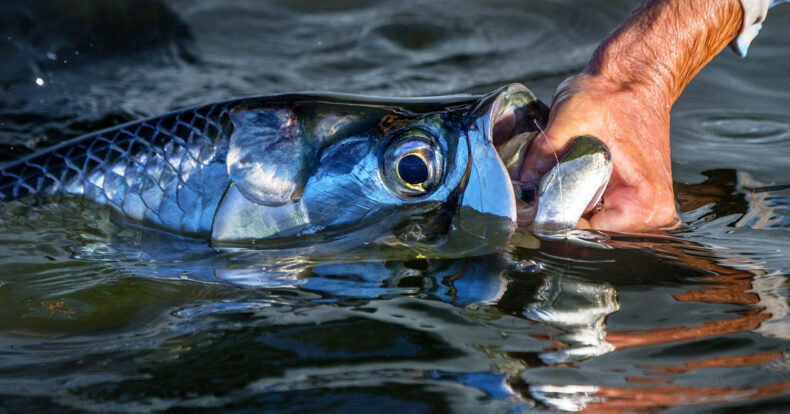
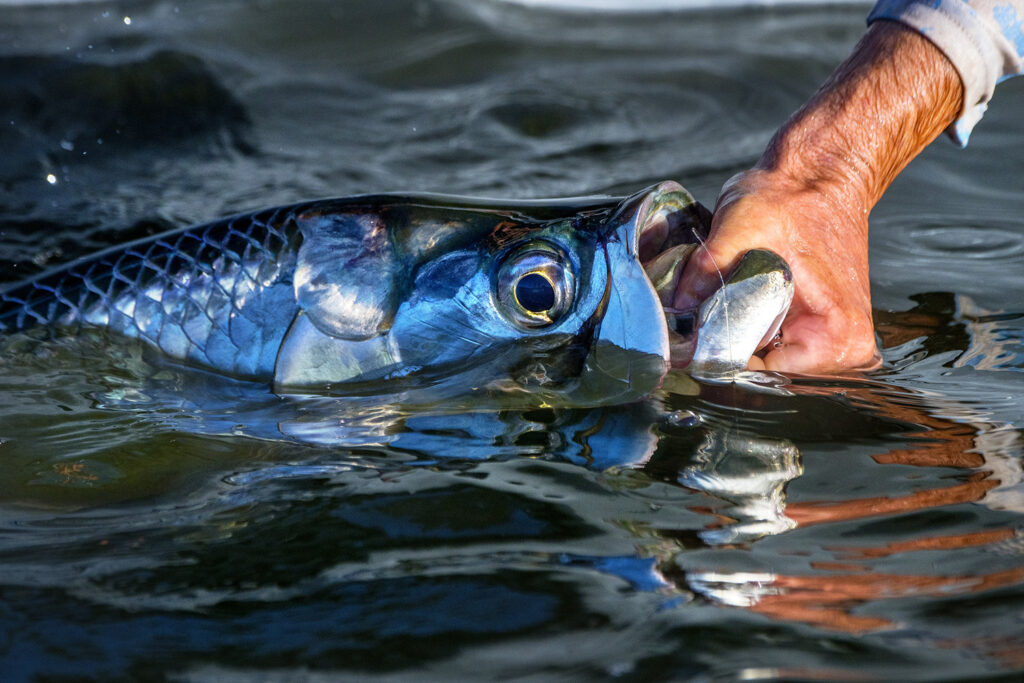
Tarpon are among the most sought-after game fish in the world. They are prized for their incredible strength, impressive size, endurance, and spectacular aerial displays. This ancient species has existed for more than 100 million years, and its explosive fighting ability presents a challenge even for seasoned anglers.
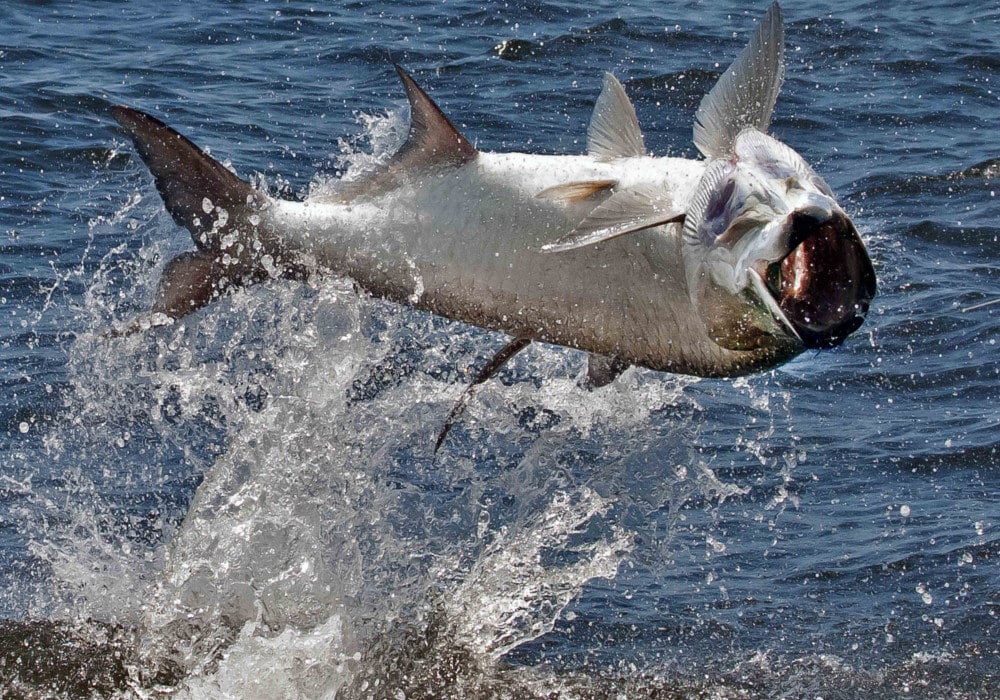
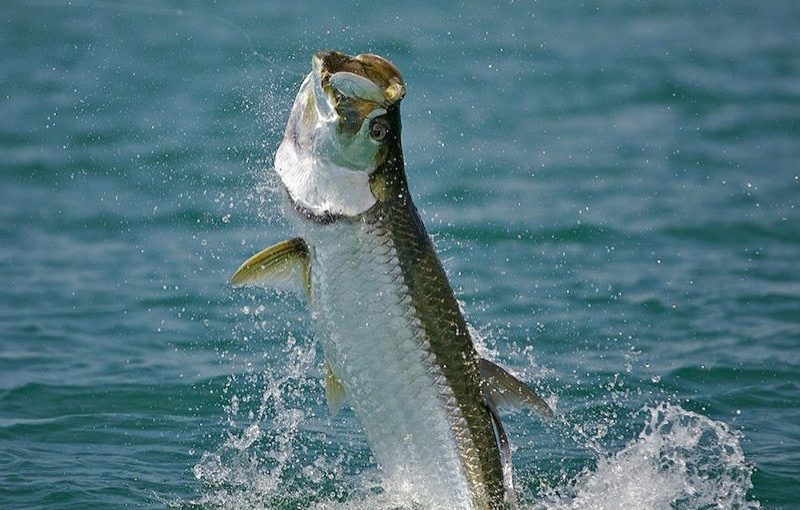
In Barra del Colorado, tarpon commonly weigh between 75 and 150 pounds, although fish exceeding 200 pounds are not uncommon. Once hooked, a tarpon may launch itself completely out of the water, violently shaking its head before crashing back into the river or the sea.
For many anglers, that first leap is the most unforgettable moment of the entire experience.
Fishing Rivers, Canals, and Offshore Waters
One of Barra del Colorado’s greatest advantages is the variety of fishing environments available. When sea conditions prevent boats from heading offshore, anglers can fish the extensive network of rivers, canals, and lagoons. These protected waters provide consistent fishing opportunities even when offshore conditions are unfavorable.
When the sea is calm, however, the experience changes dramatically. Boats can safely cross the river mouth and pursue tarpon in the open waters of the Caribbean. During September and October, fish moving through the inland waterways begin forming visible schools near the coastline and offshore.
The river carries nutrients, baitfish, and crustaceans into the sea, creating ideal feeding conditions around the river mouth. On calm days, it is common to see tarpon rolling in several directions at once.
Getting to Barra del Colorado
Reaching Barra del Colorado is part of the adventure. Most visitors arrive via a short domestic flight from San José. The journey offers spectacular aerial views of Costa Rica’s tropical rainforest before landing near the river.
Once there, life revolves entirely around fishing: early mornings, full days on the water, meals back at the lodge, and another opportunity to chase tarpon the following day. The area’s lodges are designed specifically for serious anglers, offering experienced guides, well-equipped boats, and extensive local knowledge of the fishery.
Responsible Fishing and Catch-and-Release
Tarpon fishing in Barra del Colorado is practiced almost exclusively as a catch-and-release fishery. Local guides use careful fish-handling techniques to help protect the species, and visitors are expected to respect the importance of conserving this remarkable fishery.
The true reward is not taking a fish home, but experiencing the fight itself: the strike, the powerful run, the spectacular jump, the relentless battle, and finally the moment the Silver King swims away to fight another day.
Sensorial Sunsets
Navigate articles