

Escazú, the City of Witches: Legends of Costa Rica
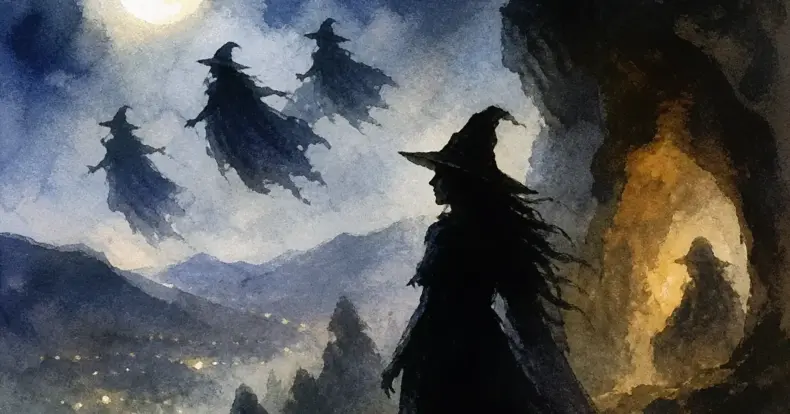

In Costa Rica, legends have long served as a way of preserving and passing down the beliefs, fears, and stories of local communities. Many of these tales emerged around specific places and characters believed to possess extraordinary powers. Among them are the legends of the witches of Escazú, stories that have come to associate this canton of San José with mystery and the supernatural.
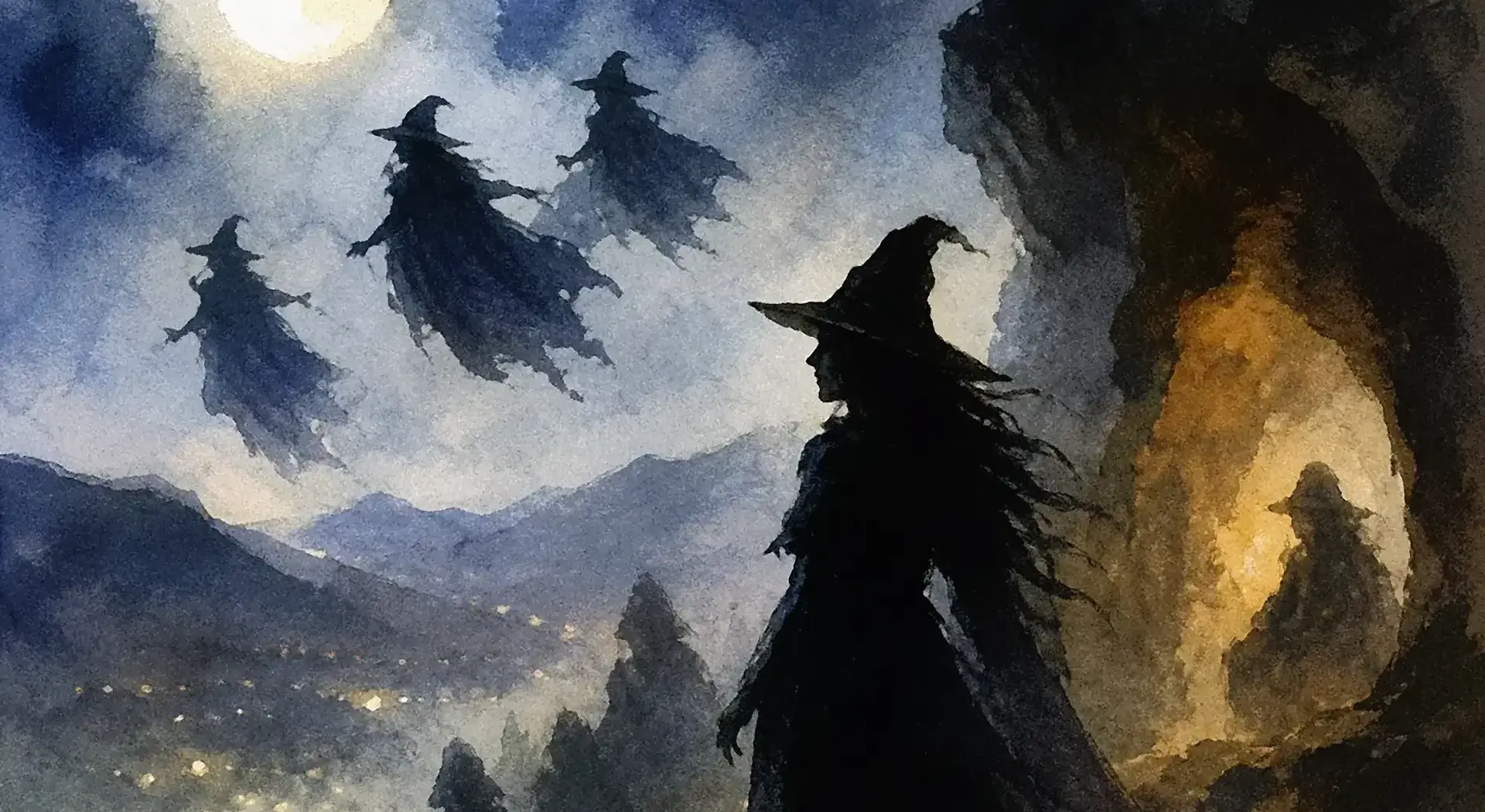
Popularly known as the City of Witches, Escazú has a distinctive connection to these tales. Its legends tell of women capable of transforming into animals, objects used to cast supposed curses, and encounters with supernatural beings in recognizable locations throughout the canton.
Although details vary from one version to another, these stories form part of Costa Rican folklore and offer insight into how communities have used imagination and popular beliefs to interpret things that once seemed inexplicable.
Why Is Escazú Known as the City of Witches?
There is no single, definitively established explanation for the origin of Escazú’s nickname. Over time, various accounts have emerged in an attempt to explain how the canton became associated with stories of witchcraft.
One popular interpretation links this reputation to the presence of folk healers and women who understood the medicinal properties of plants. In communities where traditional healing practices played an important role, some of these practices may have aroused suspicion and fueled stories about supposed supernatural powers.
Another version, found in publications devoted to Costa Rican history and folklore, connects the legend to religious gatherings that were allegedly misunderstood by others. However, this explanation should be understood as one of the accounts surrounding the origin of the nickname, rather than as a confirmed historical fact.
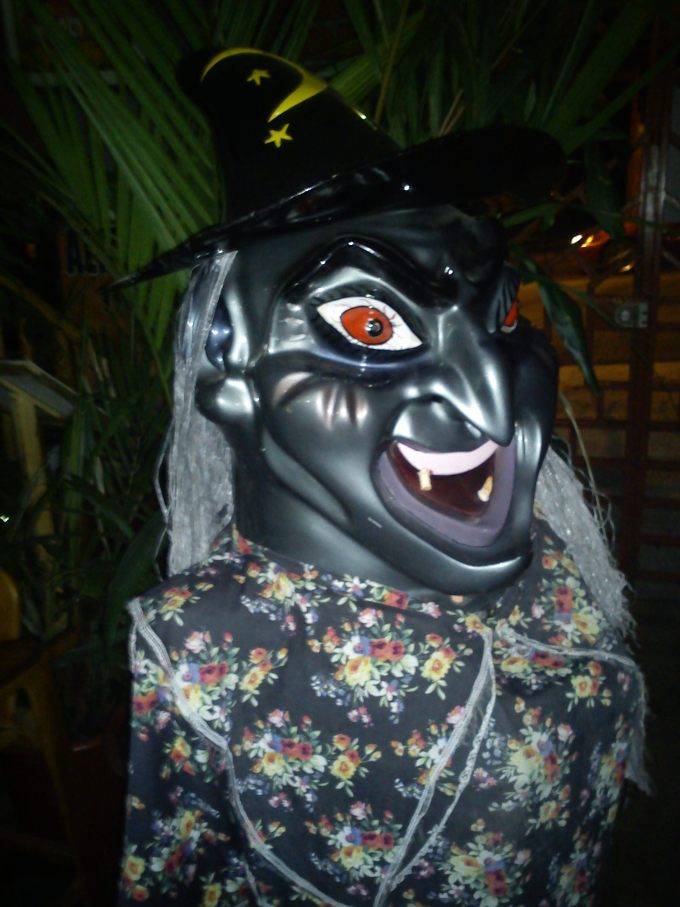
Regardless of how the association began, Escazú’s reputation eventually became part of the canton’s identity. The image of a witch flying on a broomstick even appears on its coat of arms, reflecting the importance these stories have acquired in the local imagination.
María la Negra and Supernatural Transformations
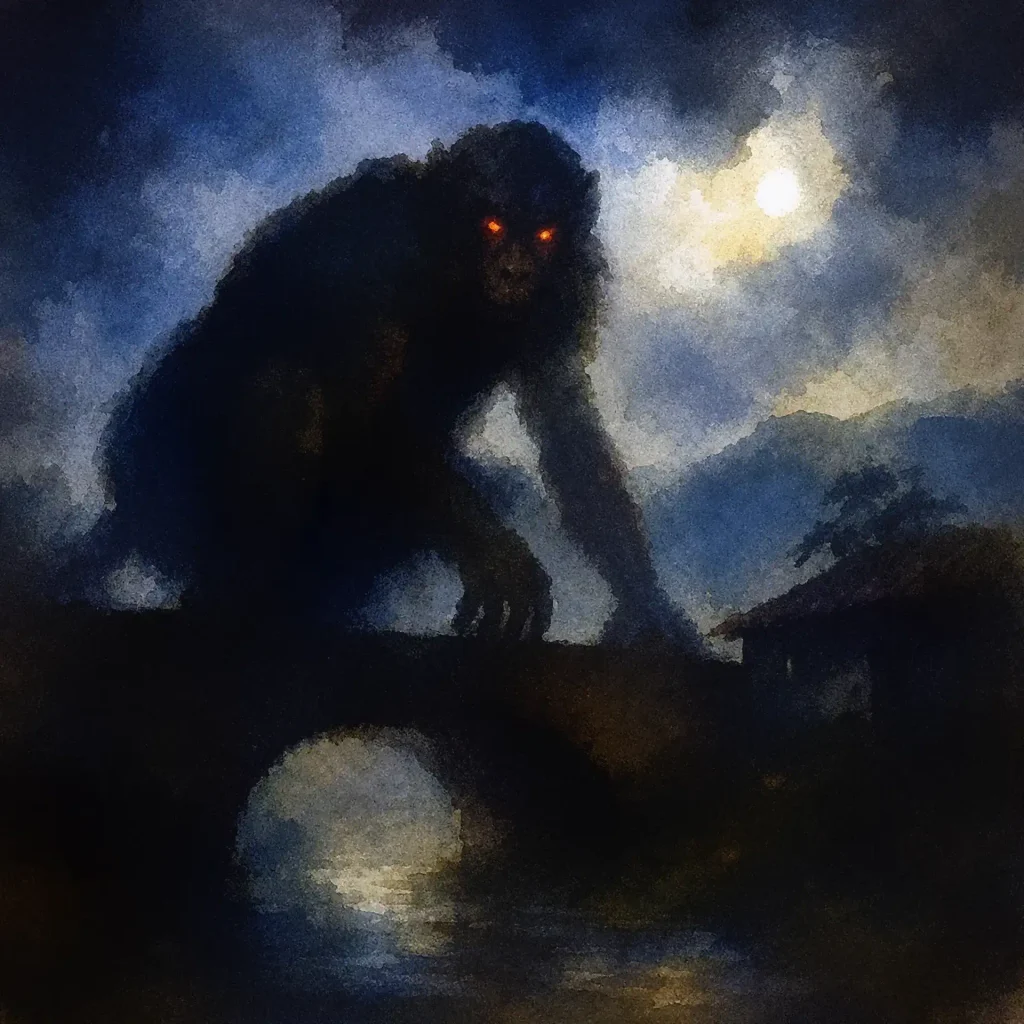
One of the best-known stories about the witches of Escazú features María la Negra, a character said to have the ability to take on an animal form and frighten people traveling along the roads.
According to one version of the legend, María la Negra could transform into an enormous pig that appeared on the road connecting Escazú with San José. The creature supposedly blocked the passage of carts transporting coffee, an activity associated with Costa Rica’s economy during the nineteenth century.
The tale turns an ordinary road into the setting for a strange encounter. At a time when travel depended on roads and horse-drawn carts, the appearance of an unusual animal could become, within popular storytelling, a supernatural explanation for events that were difficult to understand.
As with many legends passed down orally, there is no single version of the story. Nevertheless, María la Negra remains associated with animal transformations and the belief that certain people could conceal a supernatural nature after nightfall.
Piedra Blanca: A Place Associated with the Witch Zárate
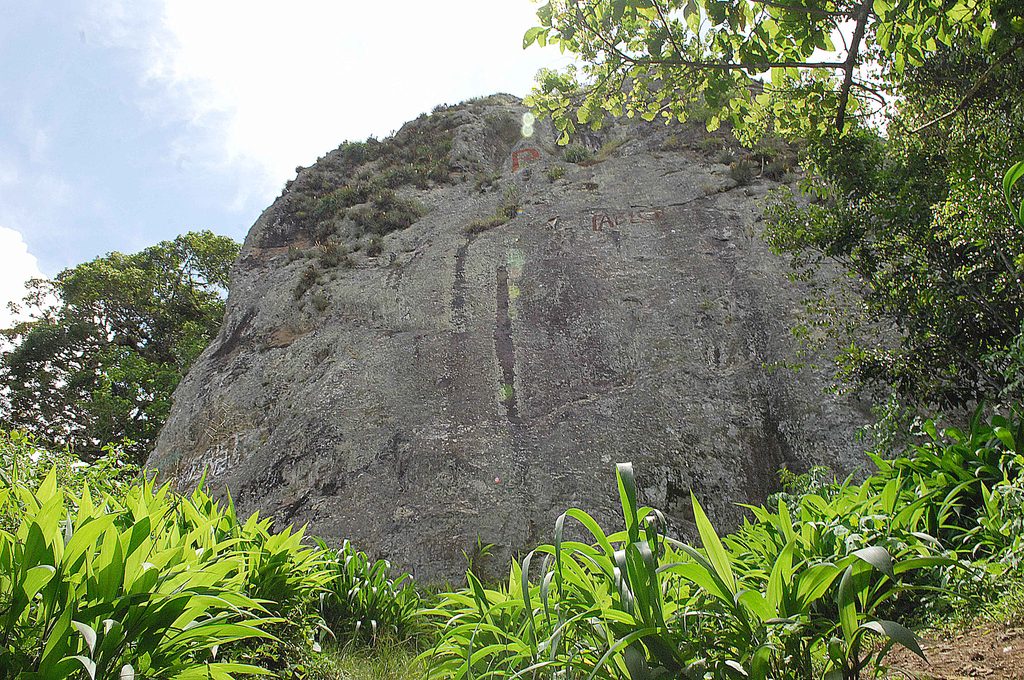
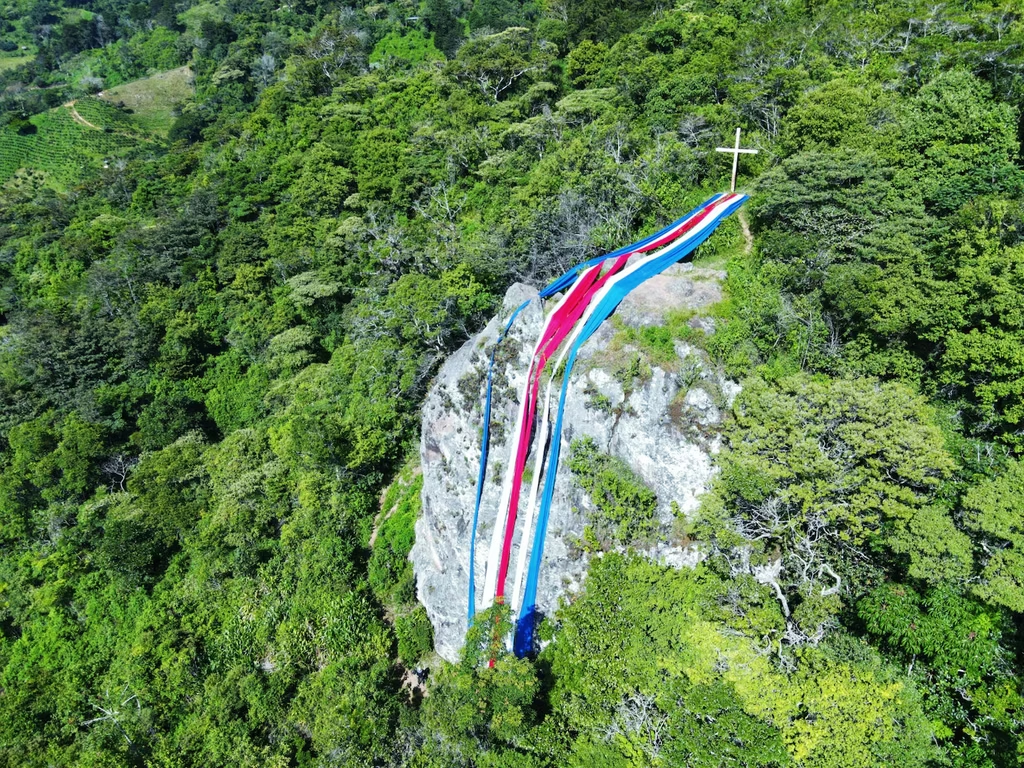
In the district of San Miguel stands Piedra Blanca, a rock formation that occupies a prominent place in traditional stories associated with Escazú. Its significance in local folklore is partly due to its connection with the witch Zárate, one of the best-known figures in Costa Rican legends.
Zárate is attributed with enchantments and extraordinary powers, and various stories place her in rocky locations that serve as hideaways or magical spaces. Piedra Blanca in San Miguel is among the places associated with these tales, although the witch is also linked to other locations throughout the country.
In some local versions, Piedra Blanca is also said to be the home of the Tulevieja, another figure from Costa Rican popular folklore. One story tells how a farmer managed to capture her and take her to the Church of San Miguel Arcángel. The details of this encounter vary depending on the version of the legend.
The connection between these characters and Piedra Blanca illustrates how a real feature of the landscape can acquire extraordinary meaning through the stories told about it. Over time, the site becomes more than a natural rock formation; it becomes part of the community’s storytelling heritage.
Doña Fustes and the Legend of the Cursed Portraits
Another story associated with the witches of Escazú is that of Doña Fustes, also known as Ña Fustes. Her name appears in tales about curses and supernatural practices that supposedly frightened local residents.
According to the legend, Doña Fustes could harm someone through their portrait. It was said that she stuck pins into pictures in an attempt to inflict harm on the person depicted. According to the story, neither prayers nor medical treatments could stop the supposed curse.
The tale gave rise to a popular warning: people should be careful when giving away personal portraits, as these could supposedly become tools for casting spells.
Beyond its supernatural elements, the story reflects a belief found in various folklore traditions: the idea that an image can maintain a special connection to the person it represents. In Escazú, this belief became associated with Doña Fustes and a story that has endured through collections of local legends.
El negro Zara and His Encounters with the Micomalo
El negro Zara is another character in traditional stories attributed to Escazú. According to the legend, he had made a pact with the devil and encountered the Micomalo, a supernatural figure found in Costa Rican folklore.
One version of the story claims that the two would talk beneath an old higuerón tree that once stood where Escazú’s town square is now located. In this way, a familiar place becomes the setting for a tale involving supernatural forces.
The tree plays an important role in the narrative, connecting the community’s landscape with a legendary past. Although these events cannot be regarded as verified historical facts, the story illustrates how certain places acquire special significance when associated with characters and events passed down through generations.
Abuelo Talí and Other Stories of Witchcraft
The stories associated with Escazú extend beyond its best-known figures. Some collections also mention Abuelo Talí, a character connected to tales of witchcraft and family secrets.
The presence of lesser-known characters broadens the collection of stories that form part of local tradition. Each tale features its own circumstances, protagonists, and distinctive elements, which may change depending on who tells the story or which collection records it.
This variety is characteristic of oral tradition. Unlike a story preserved in a single written version, a legend can change over time, incorporate new details, or acquire different meanings for the people who keep it alive.
The Witches of Escazú as Part of Cultural Identity
The legends of the witches of Escazú are much more than a collection of mysterious tales. They bring together popular beliefs, supernatural explanations, and everyday experiences shared across generations.
Some of these stories also invite us to reflect on how communities viewed people with uncommon knowledge, particularly those who practiced traditional forms of healing. It is possible to interpret these accounts as suggesting that admiration for such knowledge sometimes coexisted with fear and distrust. However, this cultural interpretation does not establish that all the legends of Escazú originated in historical instances of persecution.
Over time, the association between the canton and witches became part of its popular identity. The figure on the coat of arms and the continued presence of these characters in folklore collections show how the stories have moved beyond the realm of storytelling to become a recognizable symbol of Escazú.
These legends also demonstrate the importance of oral tradition in preserving collective memory. Stories passed down by relatives, neighbors, and folklore collectors keep alive accounts that might otherwise disappear over generations.
Thus, the City of Witches maintains a distinctive connection to Costa Rica’s supernatural folklore. The stories of María la Negra, the witch Zárate, Doña Fustes, and el negro Zara form part of a storytelling heritage that invites readers to explore the country’s folklore and discover how popular legends help shape a community’s identity.
Sensorial Sunsets