
Montezuma: From an Agricultural Port to a Sustainable Tourism Destination
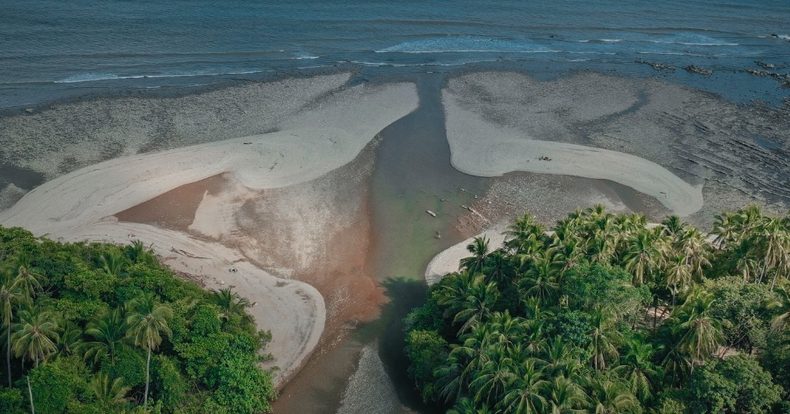
Montezuma, located at the southern end of the Nicoya Peninsula, is now known for its beaches, forests, waterfalls, and laid-back atmosphere. However, the town served a very different purpose before becoming one of the area’s best-known tourist destinations.
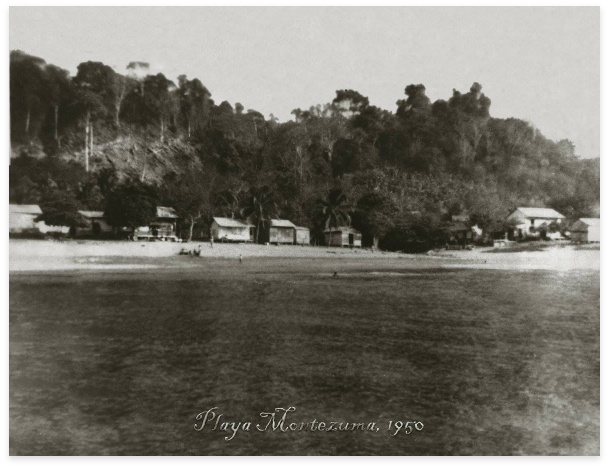
About seven decades ago, Montezuma was a small port used to transport agricultural products from communities in the surrounding mountains. At the time, it was a quiet, sparsely populated place surrounded by the natural landscapes of the peninsula.
From an agricultural port to a fishing village
Montezuma’s history changed during the 1970s, when a road was built connecting Paquera with Cóbano. This new route made land transportation easier and reduced Montezuma’s importance as a shipping point for agricultural products from the region. Over time, the old port became less significant. Montezuma then entered a new stage as a fishing community before beginning to attract visitors interested in its beaches and natural landscapes.
Tourism developed gradually. For much of its recent history, the town remained relatively isolated and maintained a quiet pace of life. Electricity did not reach Montezuma until 1986, reflecting the isolation that characterized the community for decades. With the arrival of new services and visitors, Montezuma began to develop into the destination we know today. Despite these changes, nature remains one of the main elements of its identity.
Montezuma and sustainable tourism
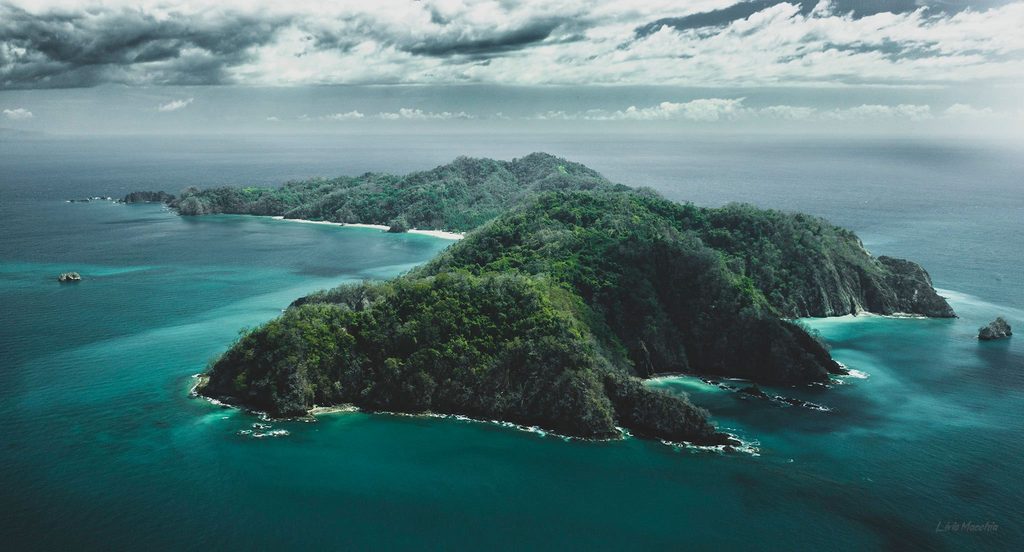
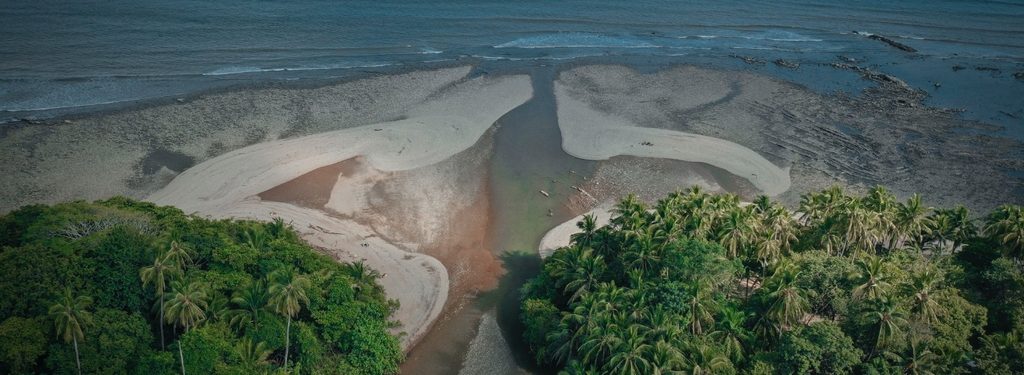
Tourism growth has also raised questions about how to develop the community without damaging the ecosystems that surround it. The Asociación de Desarrollo Integral de Montezuma (ADIM) promotes community and visitor participation in sustainable tourism initiatives. This approach considers the environmental, economic, and sociocultural aspects of tourism.
The goal is to find a balance between tourism, the protection of natural resources, and the needs of the local population. In a community whose economy depends largely on its natural attractions, conservation is also directly connected to its economic future.
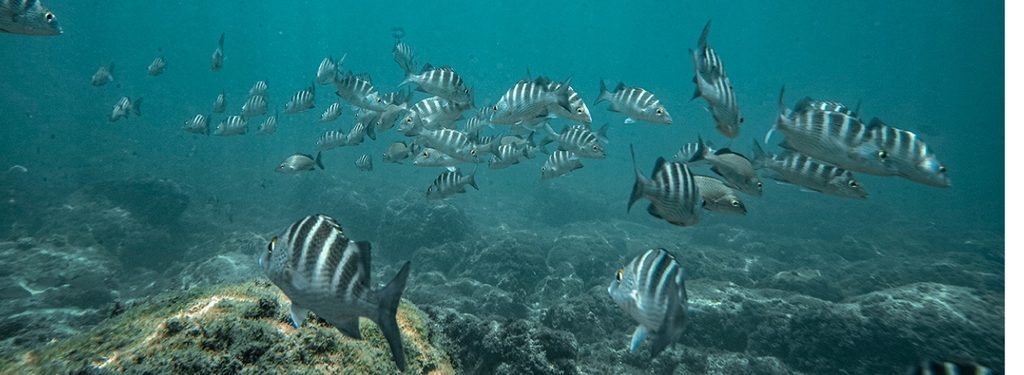
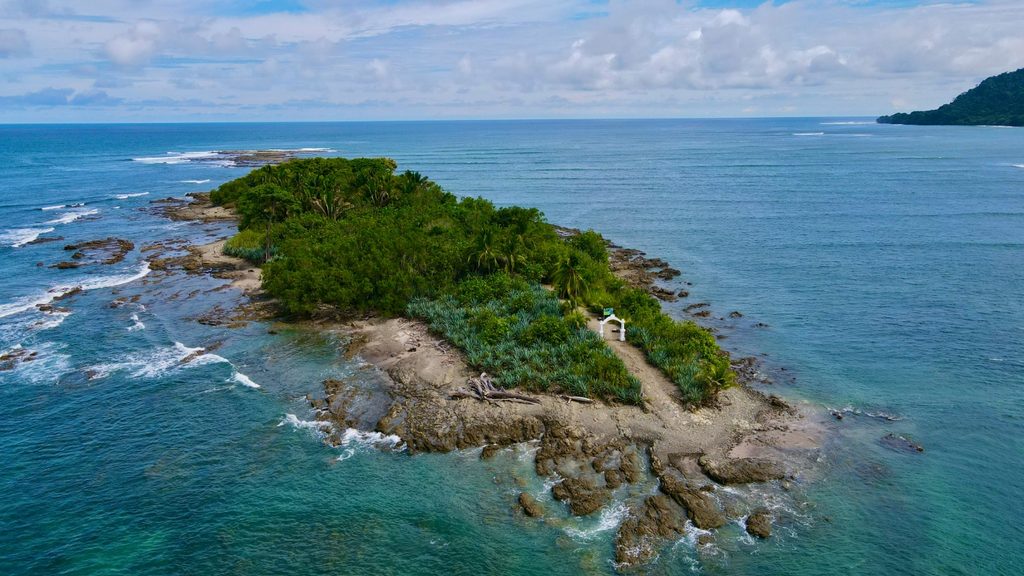
The principle of acting locally is especially important in Montezuma. Decisions concerning urban growth, tourism, and environmental protection can affect both the community and the peninsula’s terrestrial and marine ecosystems.
The challenge of urban growth
The Nicoya Peninsula has experienced an increase in tourism and real estate development. This growth presents challenges for communities seeking to protect the ecosystems that have helped make the region a tourist destination.
In Montezuma, any new development must take into account the forests, beaches, rivers, and protected areas nearby. It is also important to consider local communities and the legal framework for environmental protection.
Conservation does not depend solely on national parks. Natural reserves, wildlife refuges, and other conservation initiatives also contribute to maintaining the peninsula’s ecosystems.
Cabo Blanco: A landmark in conservation
One of the region’s most important natural areas is Cabo Blanco National Park, located south of Montezuma. Cabo Blanco was established in 1963, before the national park system began to take shape during the 1970s. Its creation set an important precedent for the protection of Costa Rica’s natural ecosystems.
The area protects approximately 1,172 hectares of land and 1,700 hectares of marine territory. Its forests, beaches, and marine environments form part of an important natural corridor at the southern end of the Nicoya Peninsula. From Montezuma, visitors can travel toward Cabuya and continue to the park entrance. The route offers an opportunity to experience some of the natural landscapes surrounding the community.

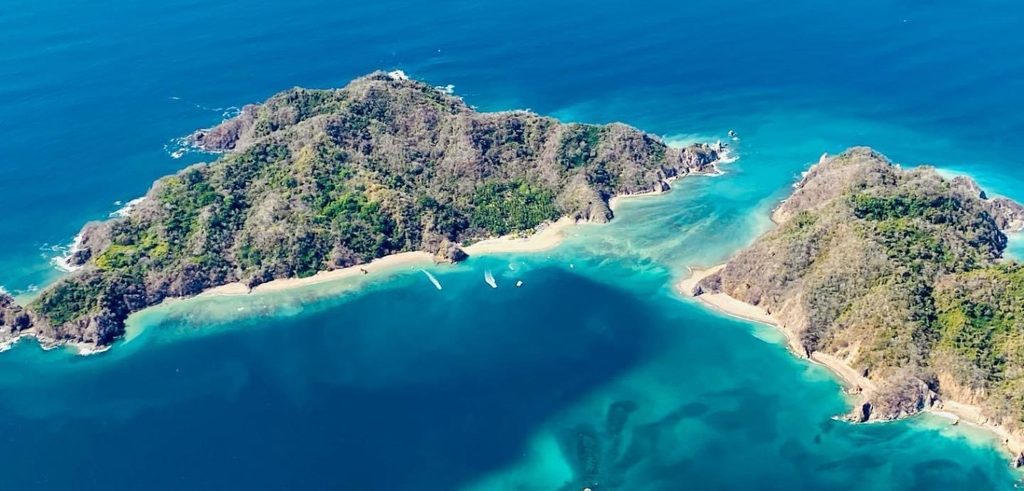
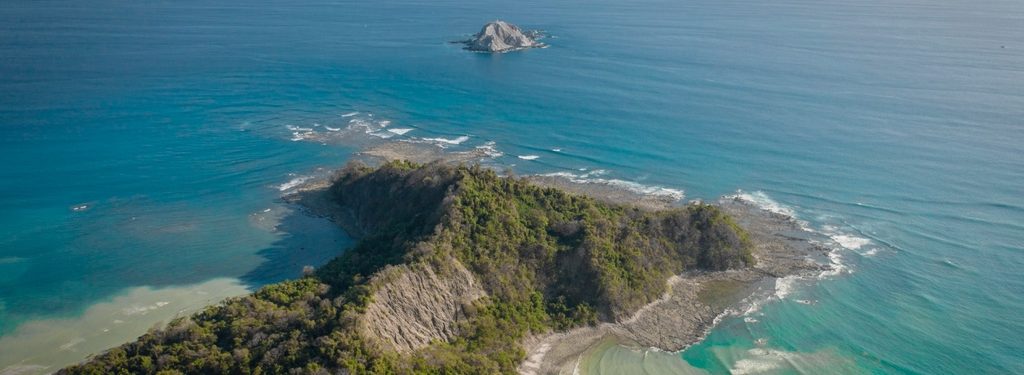
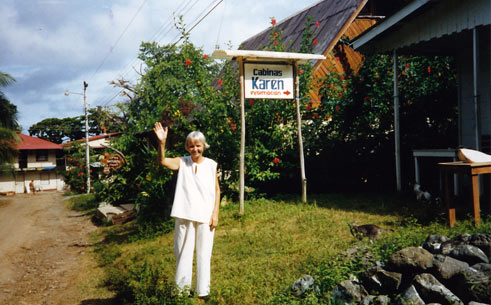
Cabo Blanco is also closely connected to the history of conservation in Costa Rica. The initiative to protect this territory grew from the work of conservationists Nicolás Wessberg and Karen Mogensen, who played a fundamental role in establishing the reserve.
Nicolás Wessberg Absolute Natural Reserve
The legacy of Nicolás Wessberg is also present in another protected area near Montezuma. The Nicolás Wessberg Absolute Natural Reserve was established in 1994 and protects approximately 63 hectares of tropical forest and coastal areas at the southern end of the Nicoya Peninsula.
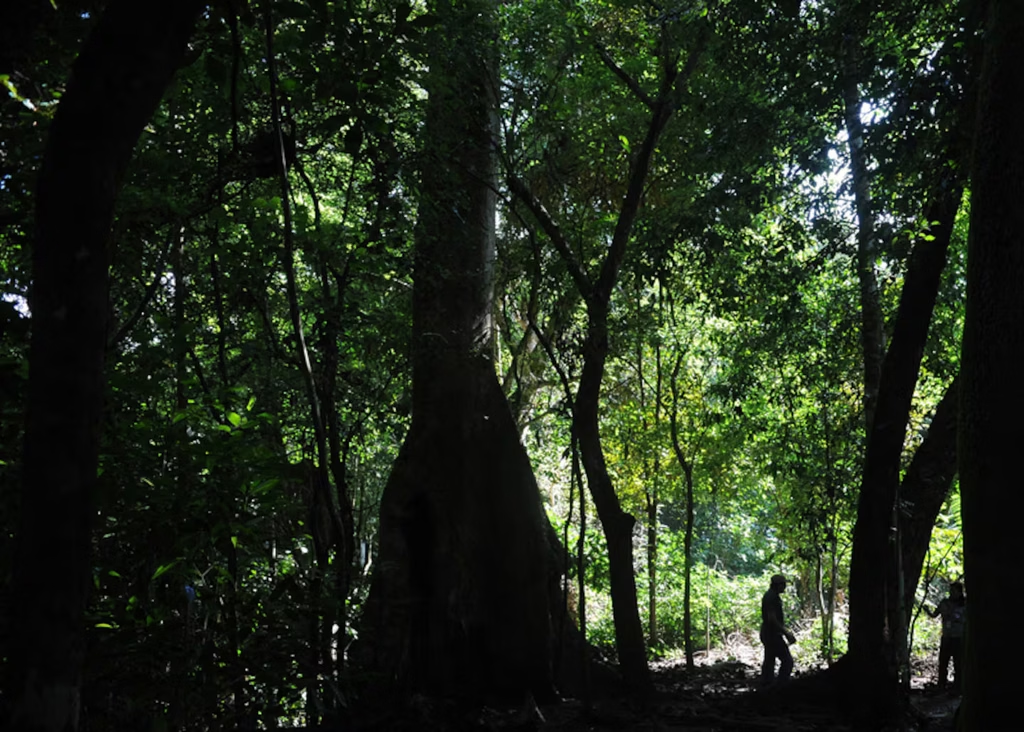
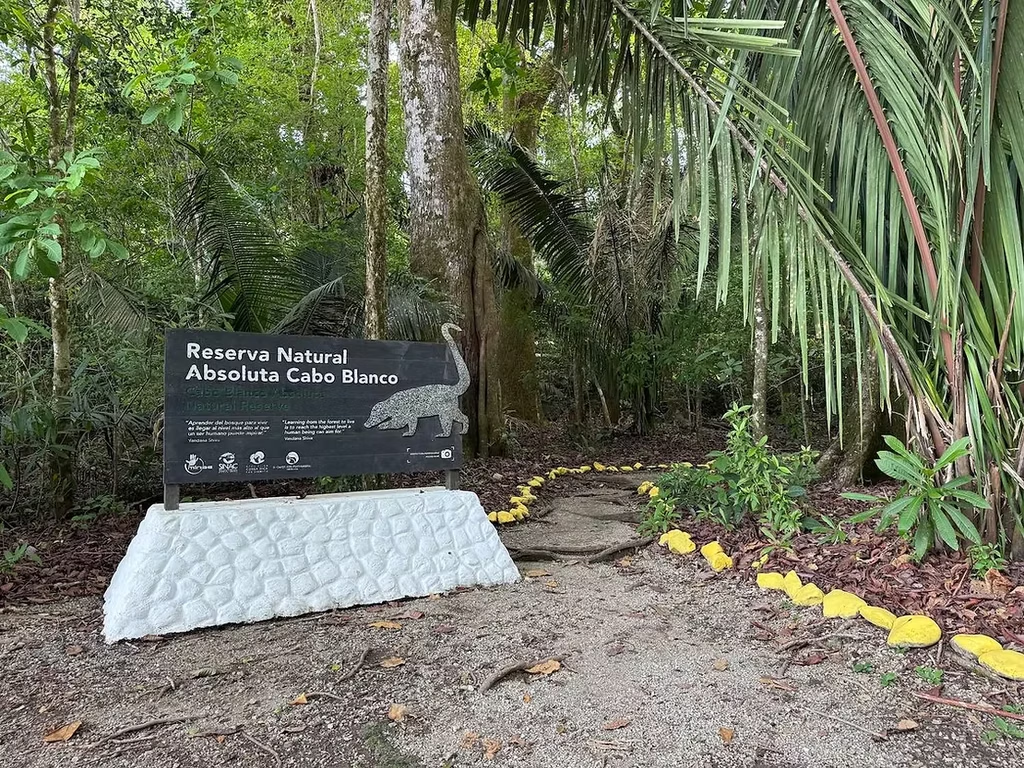
The reserve was named after the Swedish conservationist in recognition of his work to protect the region’s ecosystems. Its location also highlights the close relationship between Montezuma and the natural areas surrounding it. Part of the reserve can be reached by walking from Montezuma Beach.
Romelia Mixed Wildlife Refuge
Another conservation area near Montezuma is the Romelia Mixed Wildlife Refuge. The refuge covers approximately 295 hectares and encompasses several different natural environments. Its territory includes forest, rivers, beaches, and coastal areas along the Pacific.
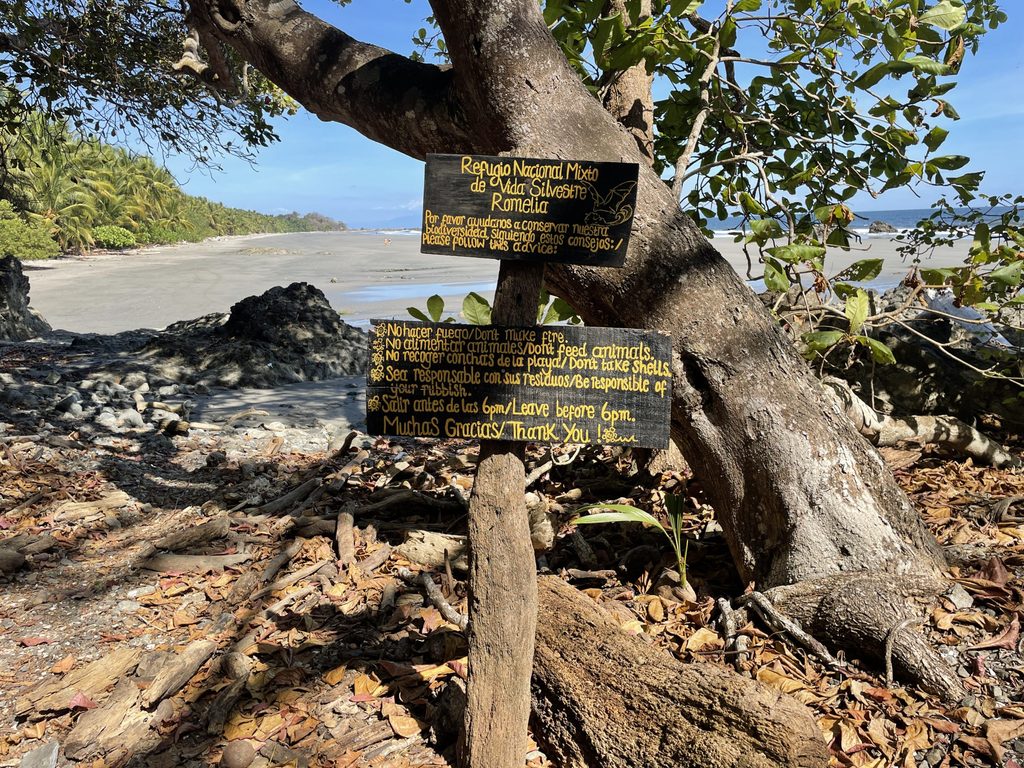
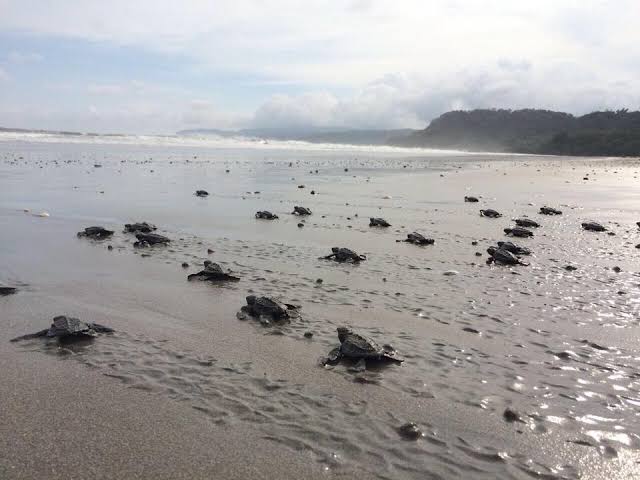
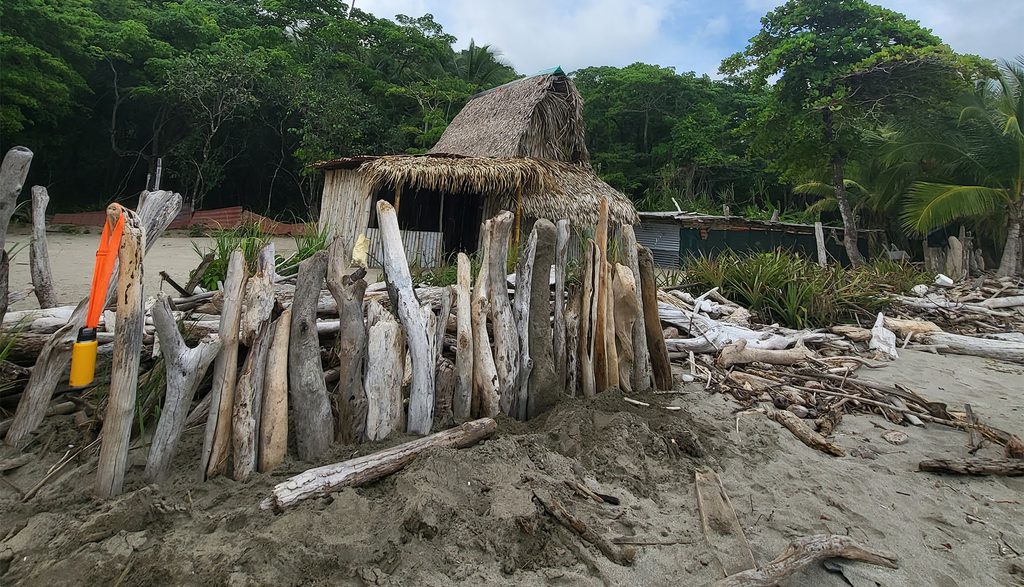
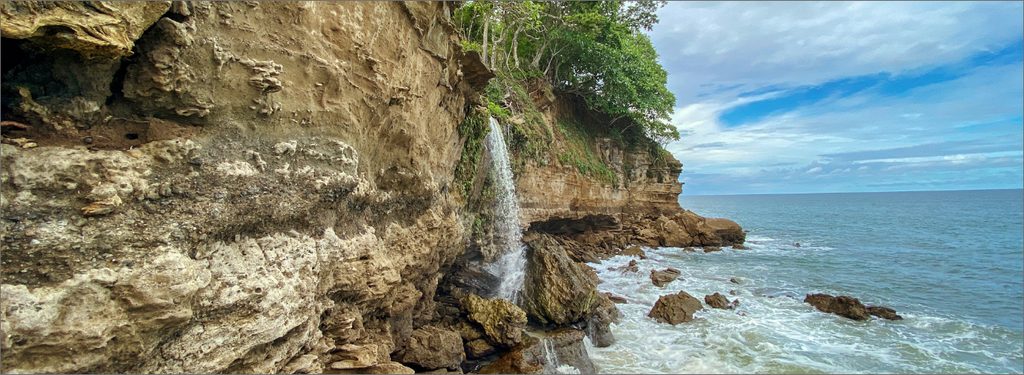
The area is also characterized by rock formations along the coast and natural spaces that provide habitat for various species. Romelia is another example of the conservation efforts taking place around Montezuma. These initiatives help preserve natural areas in a region where tourism and development continue to grow.
Curú and the peninsula’s biodiversity
About 20 minutes from Montezuma lies Curú, a farm and conservation area located in the southern part of the Nicoya Peninsula. Curú stands out for the variety of environments found within its territory. It contains tropical dry and wet forests, as well as coastal and marine ecosystems.
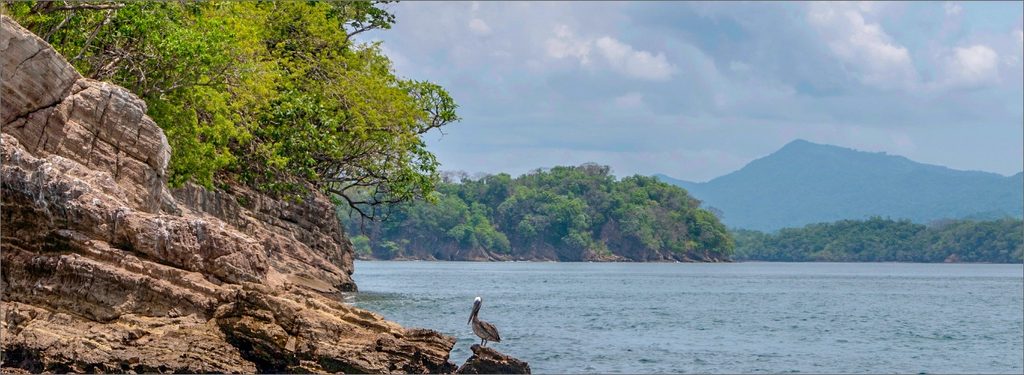
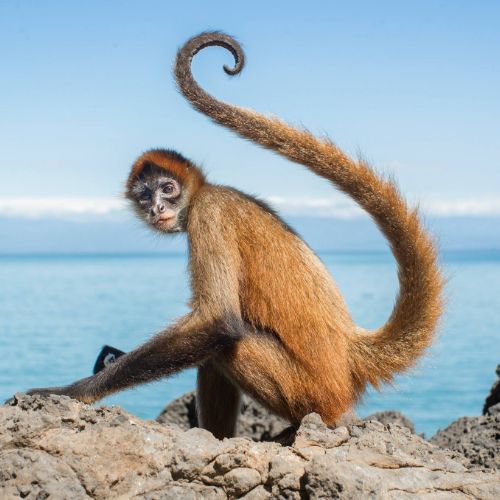
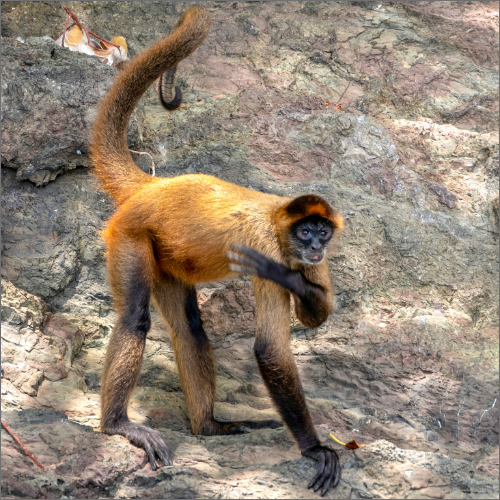
The protection of different habitats allows a wide variety of species to thrive in the area. More than 230 bird species, 78 mammal species, 87 reptile species, and more than 500 plant species have been recorded there. In addition to its ecological importance, Curú has been presented as an example of how conservation and productive activities can coexist within a sustainable development model.
A town shaped by nature
The history of Montezuma cannot be separated from the changes experienced by the Nicoya Peninsula. It began as a small port used to transport agricultural products. It later became a fishing community and, over the decades, a tourist destination known for its beaches and laid-back atmosphere.
However, the nature surrounding the town remains a fundamental part of its identity. Cabo Blanco, the Nicolás Wessberg Absolute Natural Reserve, Romelia, and Curú form part of a network of protected areas that safeguard different ecosystems in the region. Montezuma’s future will depend, in part, on how the community manages tourism and urban growth. Protecting its forests, beaches, rivers, and marine ecosystems not only helps preserve biodiversity but also protects the natural resources that have made Montezuma a tourist destination.
After decades of transformation, the former agricultural port has become a tourist community. Its history shows how closely development and conservation are connected on the Nicoya Peninsula.
Sensorial Sunsets
Navigate articles