
Costa Rica: Construction Regulations to Protect Wildlife and Water Resources in Nosara
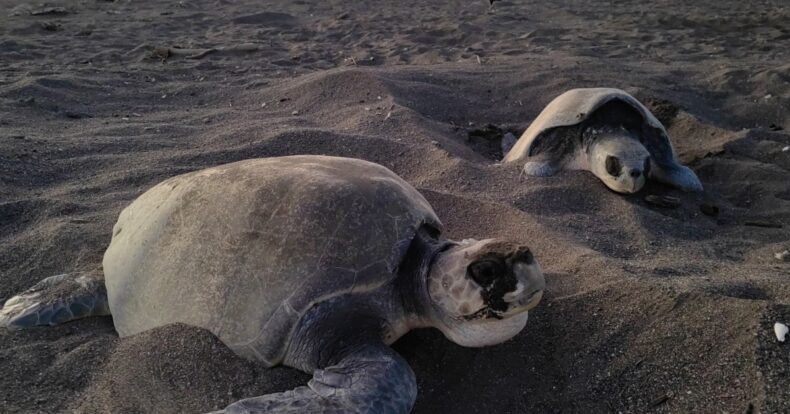
The First Chamber of the Supreme Court of Justice of Costa Rica upheld the validity of the construction regulations governing the buffer zone of the Ostional National Wildlife Refuge, thereby strengthening environmental measures designed to protect sea turtles, aquifers, and biological corridors in one of the country’s coastal communities experiencing the most rapid real estate growth.
A Key Decision for Nosara’s Future
The resolution is particularly relevant for the communities of Nosara, Playa Guiones, and Playa Pelada, where rapid real estate development has increased pressure on water resources, coastal ecosystems, and biodiversity.
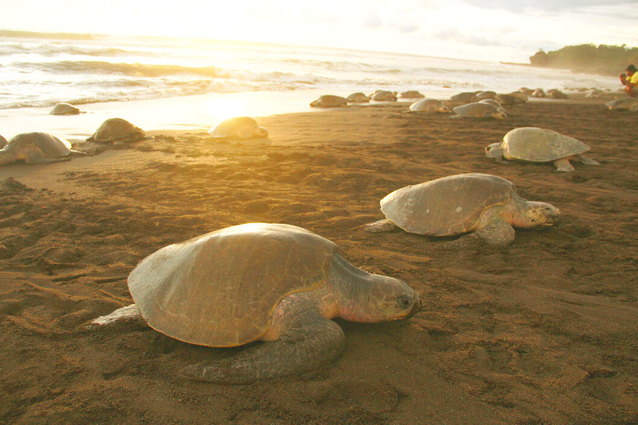
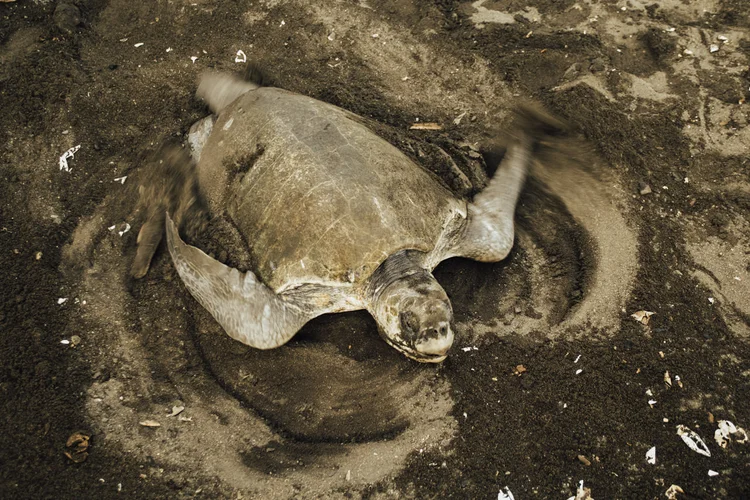
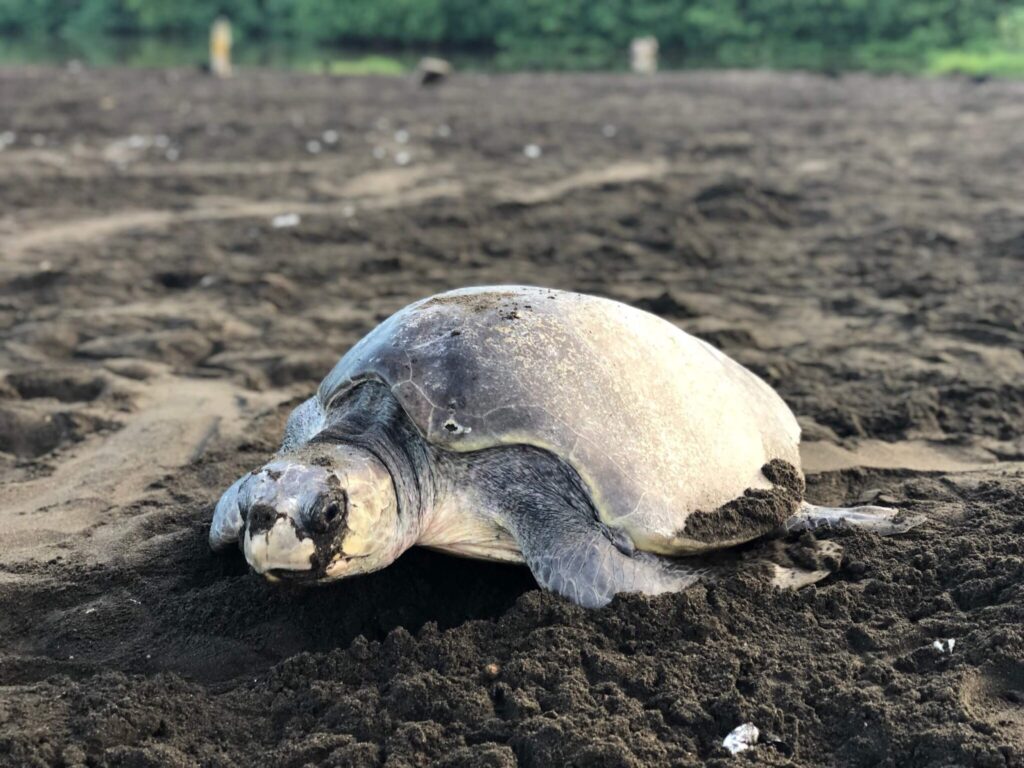
The Ostional National Wildlife Refuge is internationally recognized for hosting one of the largest nesting events of olive ridley sea turtles (Lepidochelys olivacea), a natural phenomenon that makes the area one of the most important nesting sites in the world. In addition, its beaches and biological corridors play an essential role in sustainable tourism and environmental conservation in the region.
Restrictions on New Construction
The regulation applies to all new buildings located within a buffer zone that extends five kilometers inland from the outer boundary of the Ostional National Wildlife Refuge.
One of the key provisions is the building coverage limit: new projects may occupy no more than 50% of the total area of each property.
This restriction is intended to promote the infiltration of rainwater into aquifers, maintain groundwater recharge, preserve adequate space for wastewater treatment systems, and prevent the fragmentation of biological corridors.
The regulations also establish height limits for buildings. In areas of direct impact, which include the first kilometer adjacent to the shelter and the slopes visible from the beach, buildings may not exceed nine meters in height. In areas of indirect impact, located further inland, the maximum permitted height will be twelve meters.
Lighting and Protection for Turtles
Another measure concerns the regulation of outdoor lighting. New developments must use low-intensity lighting fixtures that are not directly visible from the beach.
The goal is to reduce light pollution, one of the main factors that disrupts the nesting behavior of sea turtles and disorients both newly hatched hatchlings and other nocturnal species.
Also, all new construction must include adequate wastewater treatment systems; the use of makeshift or informal septic systems that could pose a risk of contamination to the aquifers that supply drinking water to the community of Nosara is prohibited.
Community Support
The Nosara Civic Association welcomed the court ruling and described it as a milestone for the area’s sustainable development.
The organization noted that the regulations were developed through a community-participation process and are intended to guide urban growth without compromising the natural resources that sustain both residents’ quality of life and the local economy.
This resolution represents much more than the conclusion of a legal proceeding. Nosara demonstrates that development and conservation do not have to be at odds with one another
The organization also called on the Municipality of Nicoya to strictly enforce the regulations and strengthen oversight of new construction projects.
A Precedent for Environmental Protection
While the resolution does not prohibit real estate development within the buffer zone, it does stipulate that any new project must comply with stricter environmental requirements regarding land use, water management, wastewater treatment, lighting, and building size.
With this ruling, a protracted legal dispute over the Nicoya Municipality’s authority to enforce temporary regulations while broader land-use planning instruments remain pending has come to an end.
The First Chamber made it clear that local governments may take action to protect environmentally sensitive areas when risks to natural heritage warrant such action.
Now the challenge will be to ensure effective compliance with these provisions. While the ruling strengthens the legal basis for the Municipality of Nicoya, its true impact will depend on the authorities’ ability to review permits, inspect construction sites, and enforce regulations in a region where demand for new construction continues to rise.
Sensorial Sunsets
Navigate articles