

New Tree Species: Guanacaste Conservation Area
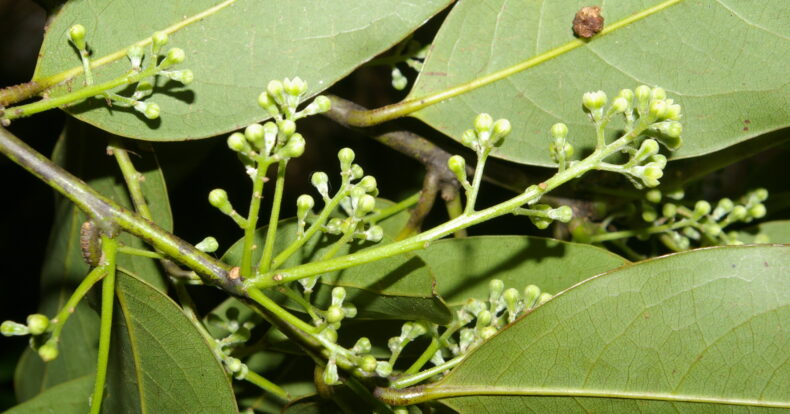
New tree species discovered in the Guanacaste Conservation Area underscores the importance of research and biodiversity conservation
A recent scientific study published in the journal Kew Bulletin, of the Royal Botanic Gardens, England, confirmed the discovery of a new tree species for science: Cryptocarya costaricana P.L.R. Moraes & N. Zamora. This is an endemic species from Costa Rica, known only from a few localities in the Guanacaste mountain range. This finding represents a significant contribution to the knowledge of national biodiversity and reaffirms the importance of the Área de Conservación Guanacaste as a refuge for unique species.
Botanists Pedro Luís Rodrigues de Moraes and Nelson A. Zamora conducted the research, the latter an associate researcher at the School of Forest Engineering of the Instituto Tecnológico de Costa Rica, the Herbario Nacional de Costa Rica, and the Área de Conservación Guanacaste. The study confirmed that several specimens collected in the area corresponded to a new species for science.
Characteristics of the species
*Cryptocarya costaricana* belongs to the Lauraceae family, which includes species such as avocado and other trees characteristic of tropical forests. The genus *Cryptocarya* comprises around 360 species distributed across tropical regions of the Americas, Africa, Asia, and Oceania. This new species represents the northernmost record of the genus in the Neotropics.
Distribution and Habitat
The species grows in evergreen rainforests and seasonal rainforests between 459 and 1,500 meters above sea level, mainly on the slopes of the Guanacaste mountain range. So far, only five individuals are known, distributed across four localities, three within the Área de Conservación Guanacaste and one in the Parque Nacional Volcán Tenorio.
Description of the tree
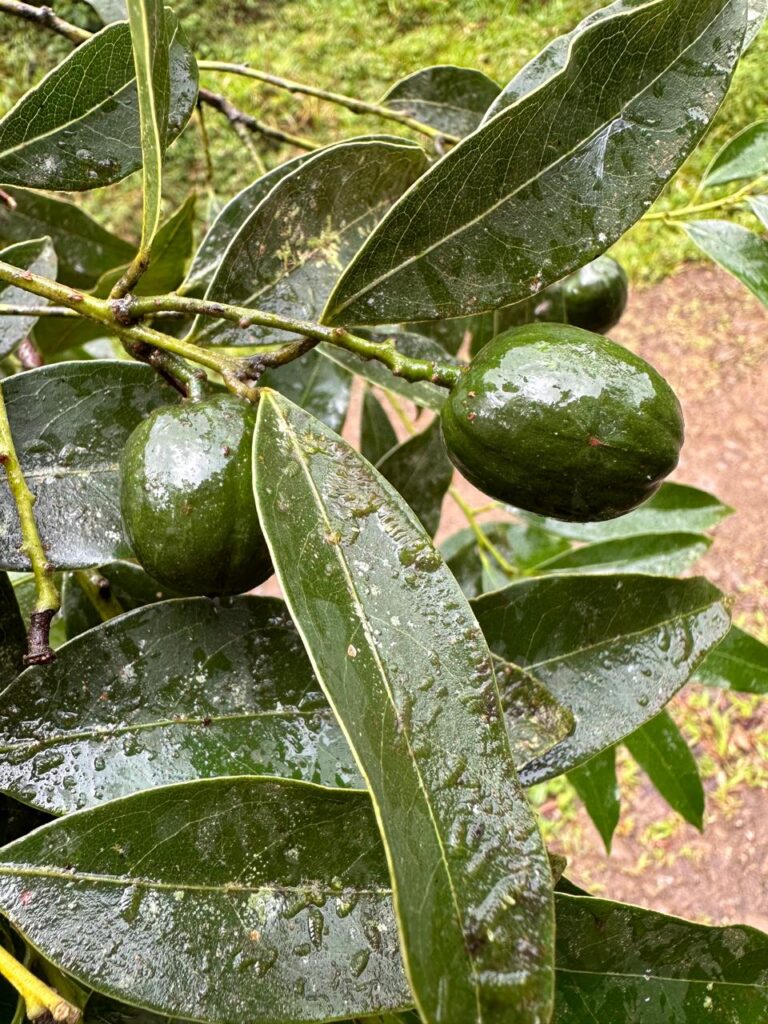
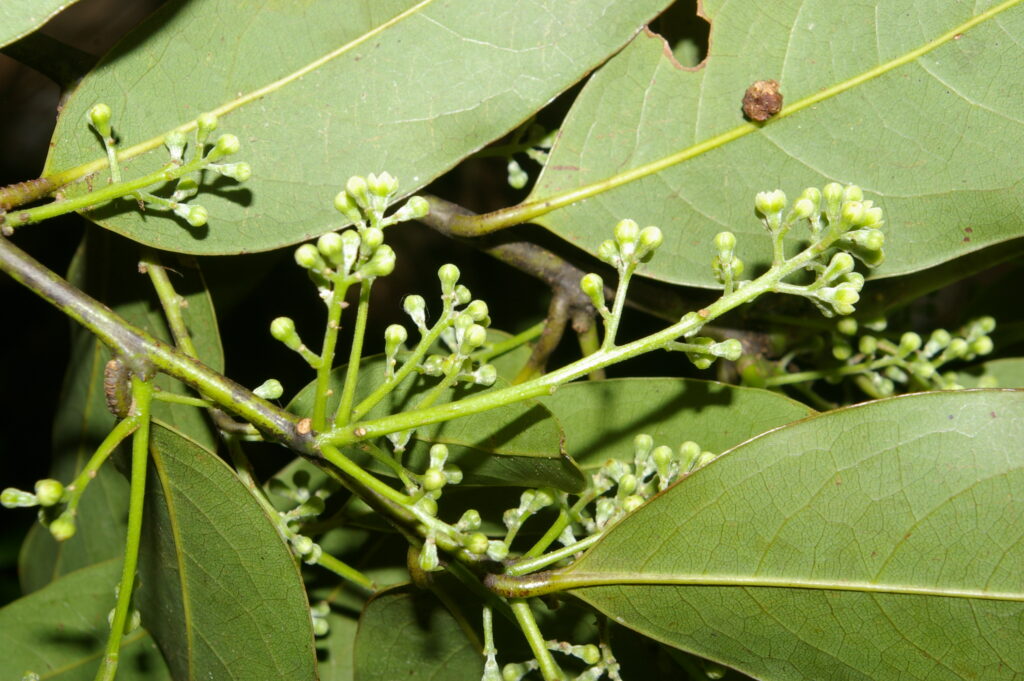
The tree can grow to a height of 10 to 25 meters and produces bright green, globular fruits that turn black as they ripen and fall to the ground. Its morphological features in flowers, leaves, and reproductive structures made it possible to distinguish it from similar species found in Panama and South America.
The Discovery Process
Although the earliest records date back to 1991, reproductive material was needed to confirm its status as a new species. The type specimen was collected in March 2015 on the slopes of Orosí Volcano, within Guanacaste National Park.
The study also emphasizes the fieldwork carried out over the years by parataxonomists and staff from the Guanacaste Conservation Area, who contributed to the monitoring, data collection, and tracking of the species.
Due to its extremely restricted range, Cryptocarya costaricana has been preliminarily classified as Near Threatened. This classification is based on the criteria of the International Union for Conservation of Nature (IUCN). The discovery reaffirms the importance of ongoing research and the conservation of the country’s ecosystems.
Sensorial Sunsets
Previous article Costa Rica: Construction Regulations to Protect Wildlife and Water Resources in Nosara
Navigate articles