
Sloths in Costa Rica: Where to See Them in Their Natural Habitat
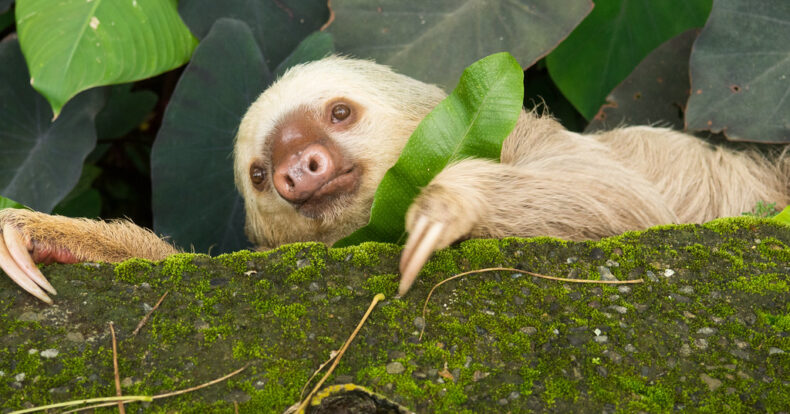

Sloths are one of Costa Rica’s most iconic animals and one of the main reasons why thousands of travelers visit the country each year. Their calm appearance, slow movements, and unique lifestyle make them a favorite among those looking for authentic experiences in nature.
If you dream of seeing a sloth in the wild, this guide will help you learn about the species found in Costa Rica, the best places to find them, and how to enjoy this experience responsibly.
The two species of sloths that live in Costa Rica
Costa Rica is home to two species of sloths:
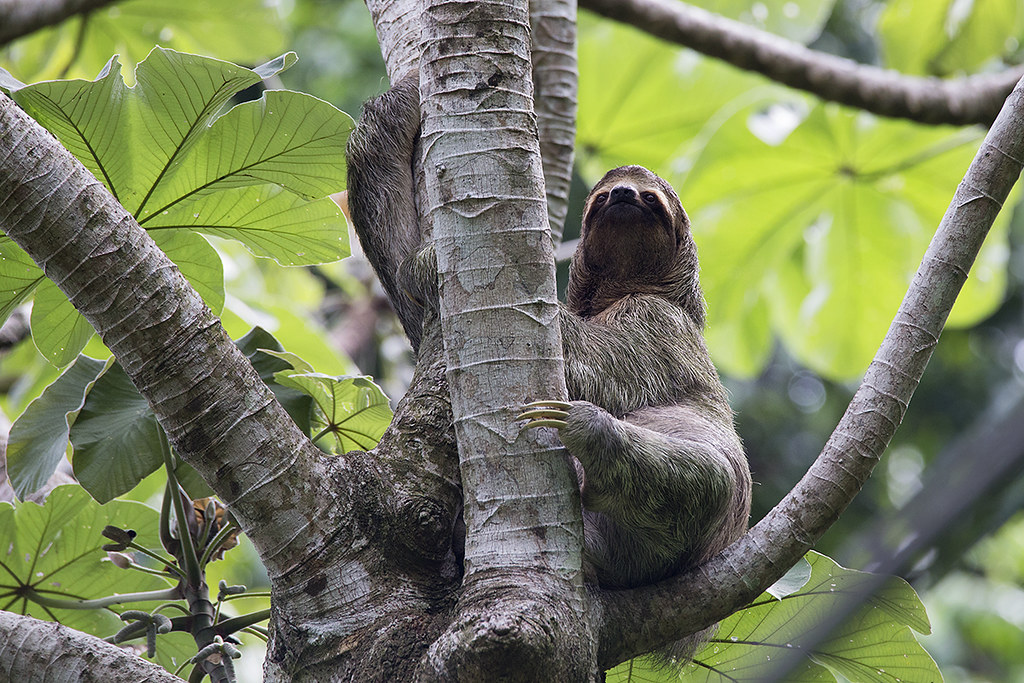
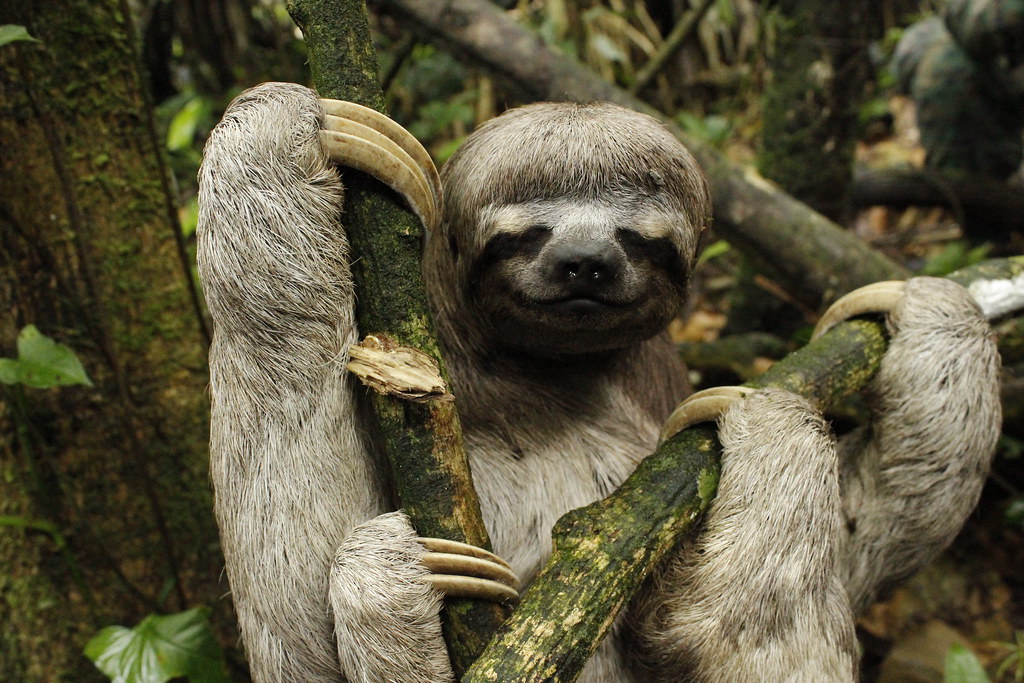
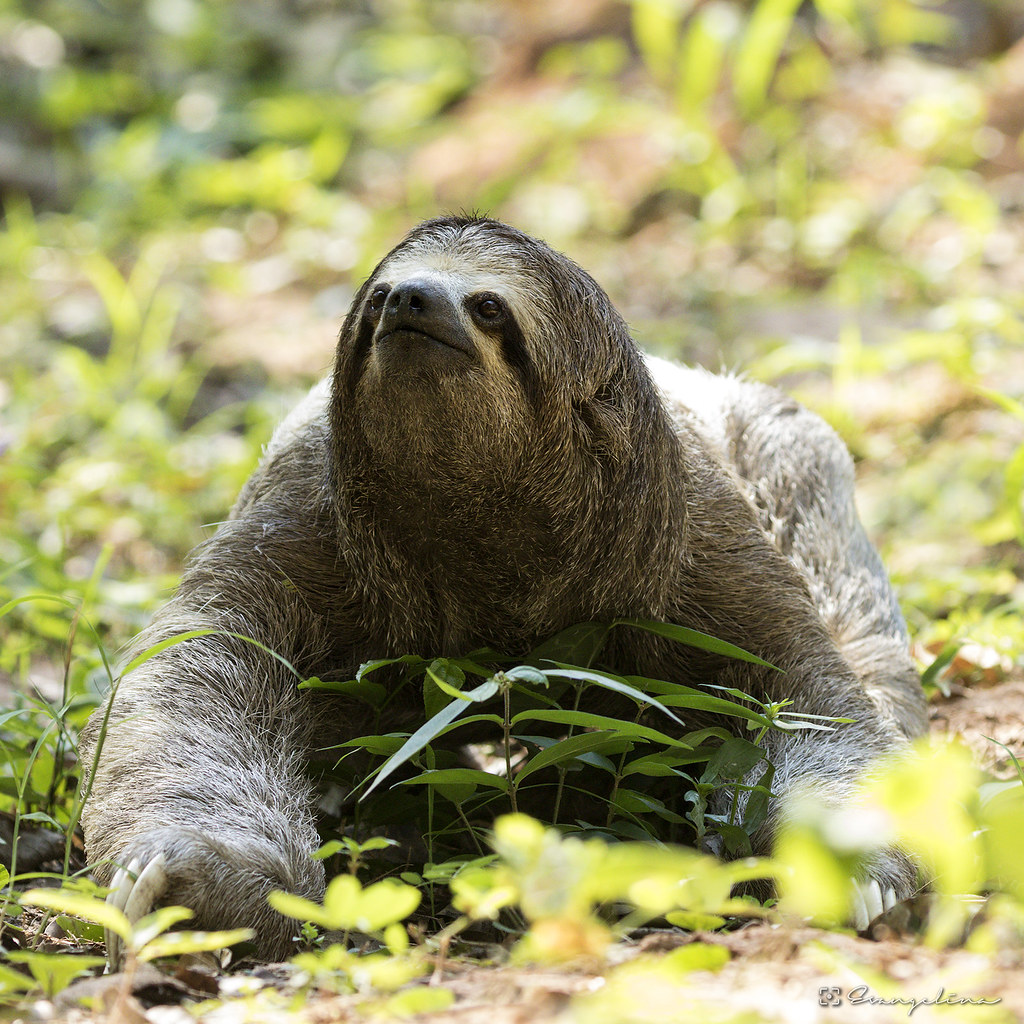
- The brown-throated sloth (Bradypus variegatus) is Costa Rica’s most common three-toed sloth species.
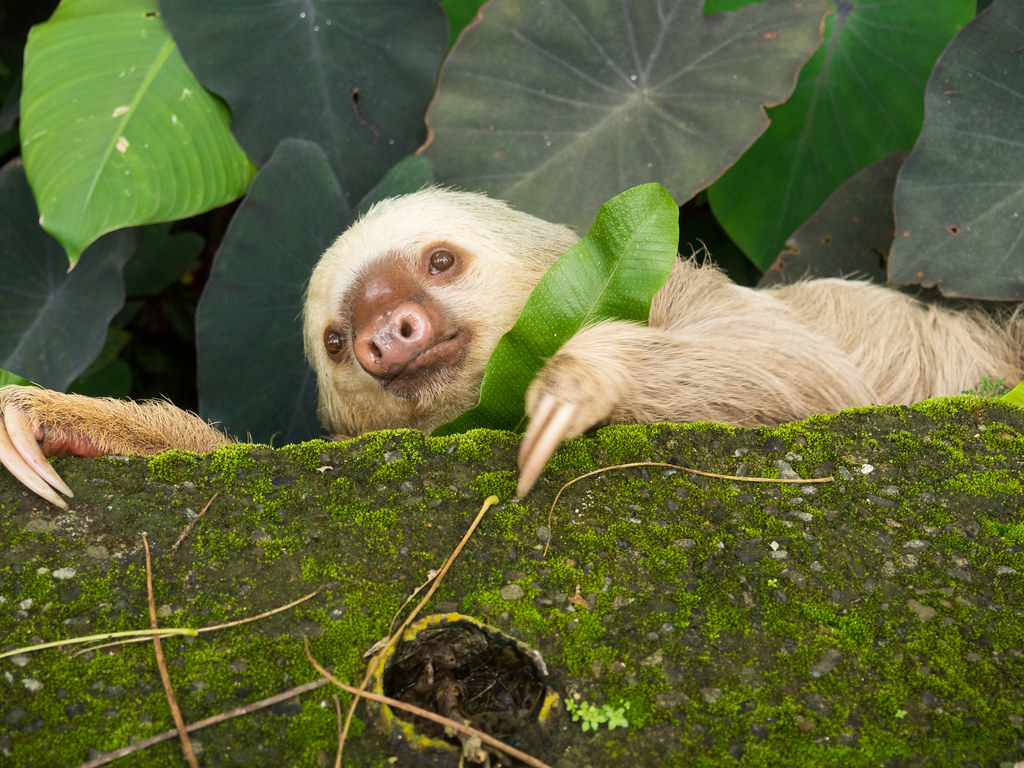
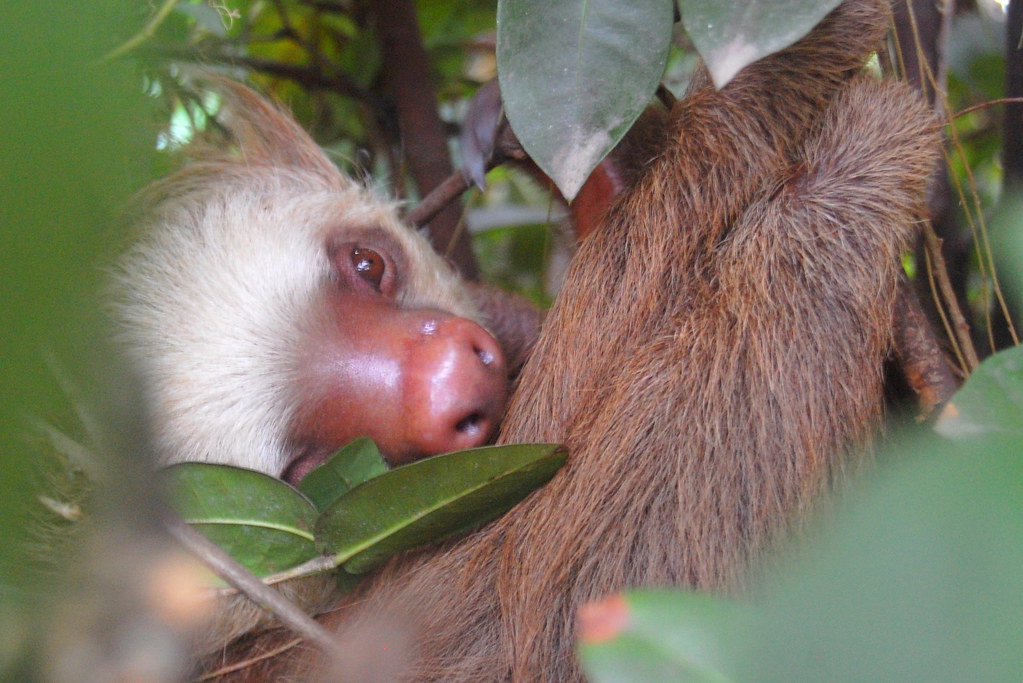
- Hoffmann’s two-toed sloth (Choloepus hoffmanni).
Interestingly, both have three toes on their hind feet. The difference lies in their front feet: the Hoffmann’s sloth has two toes, while the brown-throated sloth has three on all four feet.
Hoffmann’s Two-Toed Sloth
This species is primarily nocturnal, so it is usually harder to spot. During the day, it generally sleeps in the treetops.
It is characterized by:
- Longer snout.
- Larger body size.
- Two toes on the front paws.
- A thicker coat.
- The ability to live in mountainous and colder areas.
It is the only species that can be found regularly in higher-altitude areas, such as Monteverde, Poás, and Vara Blanca.
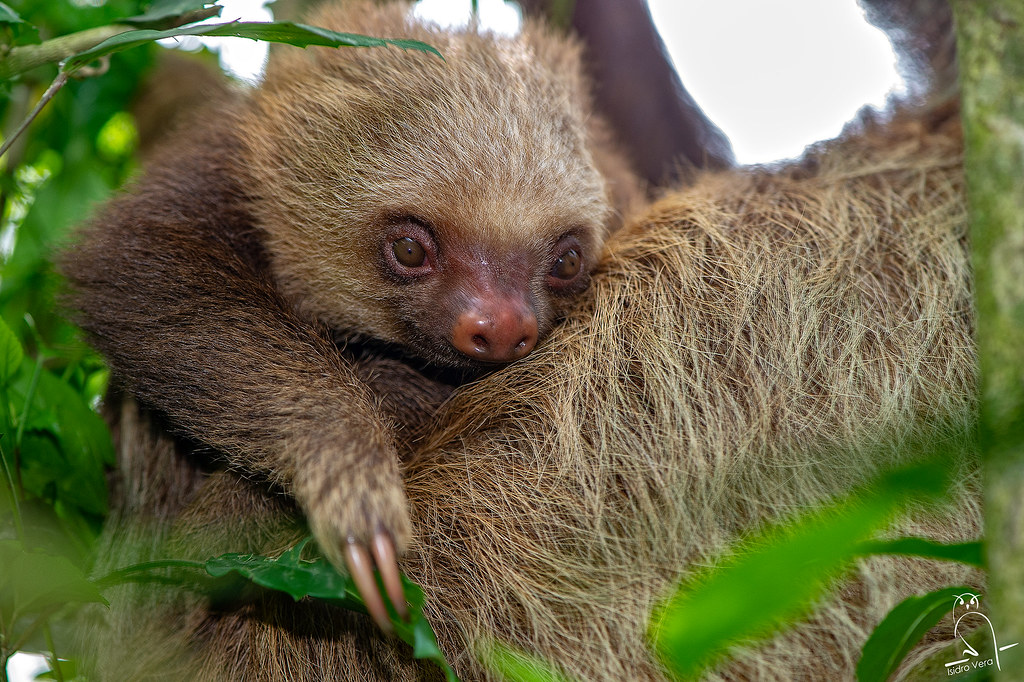
The brown-throated sloth
It is the most common sloth in the country and the one that visitors most often see. Its main characteristics include:
- Three fingers on each of his limbs.
- Round head.
- Short snout.
- Active both during the day and at night.
Although they spend much of their time resting, they are usually active for about nine hours a day.
The Best Places to See Sloths in Costa Rica
Sloths thrive in tropical rainforest areas where vegetation is abundant year-round. Among the best places to see them are:
- Manuel Antonio National Park
- Osa Peninsula
- La Fortuna and Arenal
- Caño Negro
- Tortuguero
- Puerto Viejo de Talamanca
- Cahuita
- Dominical
- Uvita
- Ojochal
- Monteverde
- Bijagua
Both two-toed and three-toed sloths can be found in most of these regions, although the two-toed sloth is the only one that inhabits high-altitude areas.
Manuel Antonio: one of the best places to spot them
Manuel Antonio National Park is considered one of the best places to see sloths in the wild. Thanks to the combination of tropical forest and accessible trails, visitors have a high chance of spotting them, especially if they take a tour accompanied by a naturalist guide. Many hotels in the area also have wild sloths in their gardens and wooded areas.
La Fortuna and Arenal
The La Fortuna region is home to a large population of sloths. Although they are not commonly found within Arenal Volcano National Park, they are abundant in the area’s secondary forests and on private properties. Many hotels and lodgings report frequent sightings, making La Fortuna one of the most highly recommended destinations for those who wish to observe wildlife.
Monteverde
Due to its cooler temperatures, Monteverde is home only to the two-toed sloth. Since it is a nocturnal species, the best opportunities to spot it are usually during guided night hikes in private reserves and cloud forests.
Is it possible to see sloths in Guanacaste?
The answer is no, at least not in the wild. The province of Guanacaste is predominantly covered by tropical dry forest, an ecosystem that does not provide the conditions necessary for sloths to survive. Travelers staying in destinations such as Tamarindo, Playas del Coco, the Papagayo Peninsula, Sámara, or Nosara will need to travel to more humid regions, such as Bijagua or La Fortuna, to observe sloths in their natural habitat.
The best strategy is to hire a naturalist guide. Sloths are experts at camouflage and tend to remain motionless for long periods in the treetops, so they can go unnoticed even when they are very close by. Specialized guides have the experience, binoculars, and telescopes that make it much easier to spot them.
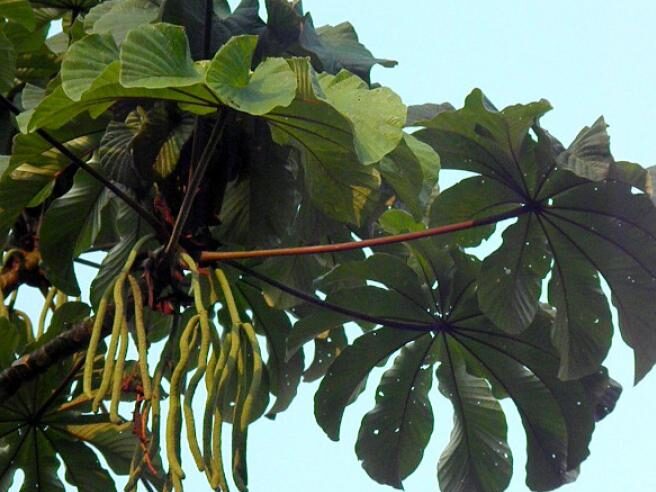
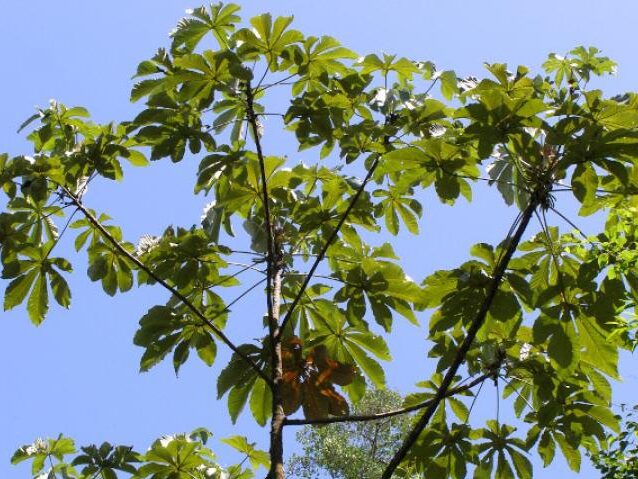
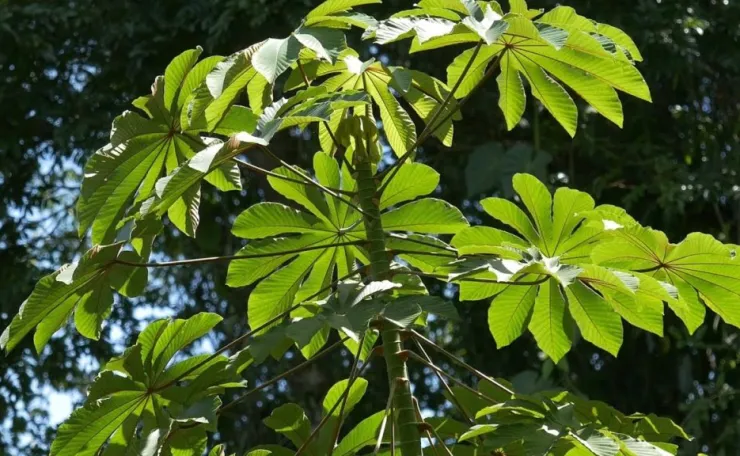
Search for guarumo trees
The cecropia tree (Cecropia) is a favorite among sloths. Its leaves are an important part of their diet, so it is common to see them resting or feeding in its branches. If you’d like to try spotting a sloth on your own, look for these trees and carefully scan the treetops.
Sloth Rescue Centers and Sanctuaries
For those who wish to learn more about these species and support their conservation, Costa Rica has several specialized rescue centers and sanctuaries.
Rescue centers
These organizations work to rehabilitate and release injured or orphaned animals.
Some of the best-known ones are:
- Jaguar Rescue Center (Puerto Viejo)
- Proyecto Asís (La Fortuna)
- Toucan Rescue Ranch (Heredia)
- Alturas Wildlife Sanctuary (Dominical)
Shelters
The animals that live in these areas are generally unable to return to the wild due to permanent injuries or special conditions.
Some of the places where they can be seen include:
- The Springs Resort & Spa (La Fortuna)
- La Paz Waterfall Gardens (Vara Blanca)
- Diamante Adventure Park (Golfo de Papagayo)
- Selvatura Park (Monteverde)
It is important to remember that no responsible facility allows visitors to touch, hold, or handle sloths.
Responsible Tourism: What to Do and What to Avoid
Sloths are animals that are extremely sensitive to stress. For this reason, visitors should follow certain guidelines to protect their well-being.
What to Do
- Keep a safe distance.
- Use binoculars or long-focus lenses.
- Hire certified guides.
- Watch them in silence.
- Report injured animals to the appropriate authorities.
What Not to Do
- Touch them.
- Carry them or hold them.
- Feed them.
- Force them to move so you can take pictures.
- Participate in activities that allow selfies or direct contact with the animals.
If you notice an establishment that engages in these practices, you are encouraged to report it to the appropriate authorities.
Seeing a sloth in the wild is one of the most memorable experiences Costa Rica has to offer. Whether in the forests of Manuel Antonio, the rainforests of Tortuguero, or the trails of La Fortuna, these fascinating mammals embody the essence of Costa Rica’s biodiversity.
With patience, respect, and the help of a good guide, you’ll have a good chance of spotting these masters of camouflage resting among the branches of tropical trees.
Sensorial Sunsets

Navigate articles