

Frogs of Costa Rica: Isthmohyla nacientes, a new species discovered in Los Santos
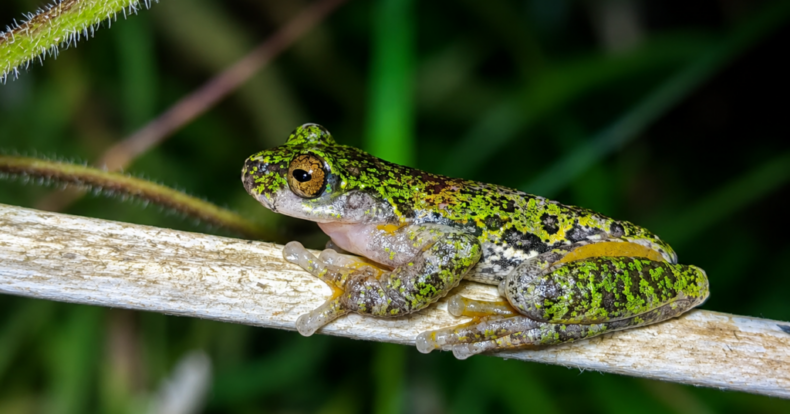

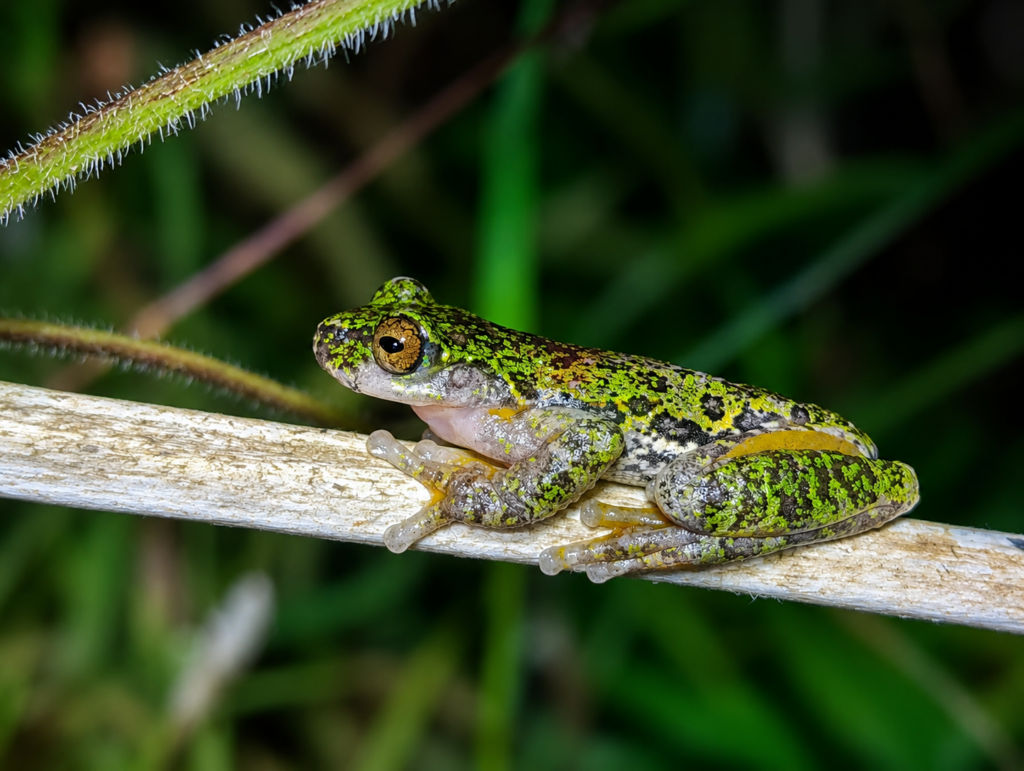
A new frog species has been discovered in Costa Rica’s Los Santos region, a finding that once again highlights the country’s extraordinary biodiversity and the importance of its mountain ecosystems. The amphibian, identified by a team of researchers in rivers and streams of the cantons of Dota, Tarrazú, and León Cortés, received the scientific name Isthmohyla nacientes.
The species inhabits elevations between 1,400 and 2,000 meters above sea level, a region known for both its coffee-growing landscapes and the rich diversity of flora and fauna found in its forests.
An unexpected discovery
The research began in 2021, when scientists were looking for a frog species that had not been recorded in the area since 1963. Initially, they believed they had found the same amphibian, but as the study progressed, differences emerged in its call, morphology, and genetic information.
After conducting DNA analyses and comparing its physical and acoustic characteristics with other known species, researchers confirmed that it was a completely new species to science. The name Isthmohyla nacientes refers to the mountain springs where this amphibian lives, as it depends on these rivers and streams to complete its life cycle.
This new species belongs to the genus Isthmohyla, composed of tree frogs that inhabit the humid forests of Central America and maintain a close relationship with freshwater ecosystems.
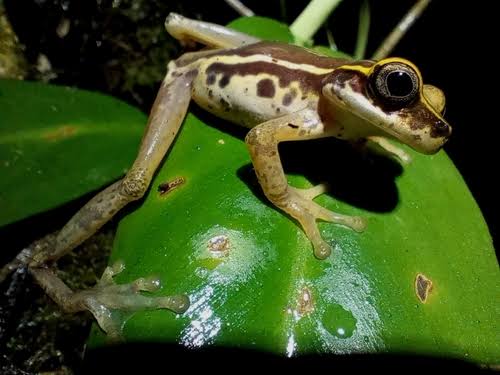
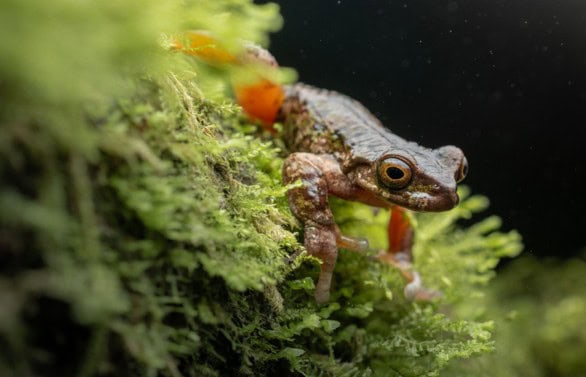
Forests and coffee plantations can coexist with biodiversity
One of the most relevant aspects of the finding is that researchers recorded the frog’s presence in both forested areas and landscapes dominated by coffee plantations. This discovery shows that agricultural activities can coexist with biodiversity conservation when springs, biological corridors, and the vegetation surrounding water bodies are protected.
Researchers emphasize that this type of production can contribute to conserving wild species as long as the balance of ecosystems is preserved.
The importance of protecting mountain ecosystems
The discovery of Isthmohyla nacientes also highlights the importance of protecting mountain springs and rivers. In addition to supplying water to communities, these ecosystems serve as a refuge for numerous species of flora and fauna, many of which are little known or still undescribed by science.
The conservation of these environments is especially important for amphibians, considered one of the most vulnerable groups of animals due to threats such as habitat loss, climate change, and the spread of diseases.
Frogs of Costa Rica: A country where new species are still being discovered
The scientific community recognizes Costa Rica as one of the world’s most biodiverse countries, and this discovery confirms that researchers continue to find new species, especially in understudied mountain regions.
The official description of Isthmohyla nacientes expands our understanding of Costa Rica’s fauna and provides valuable information for future research and conservation strategies, reinforcing the importance of protecting the ecosystems that make the country’s extraordinary natural diversity possible.
Sensorial Sunsets
Previous article Suing environmental defenders? JuamBa and so-called "strategic lawsuits against public participation" (SLAPP) in Costa Rica
Navigate articles