
Lanterns: The Story Behind a Costa Rican Independence Tradition
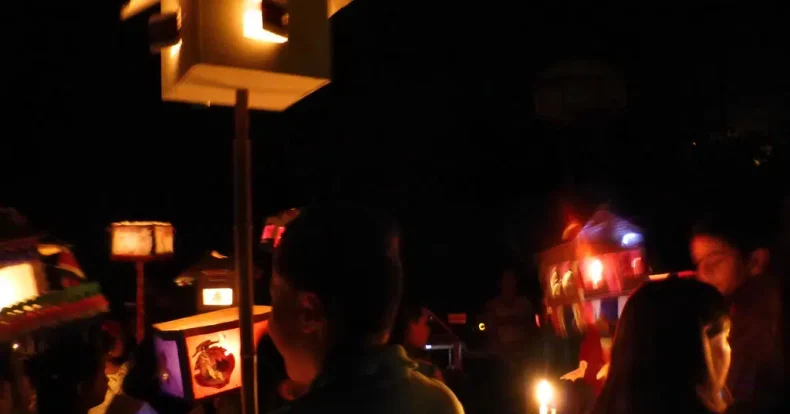

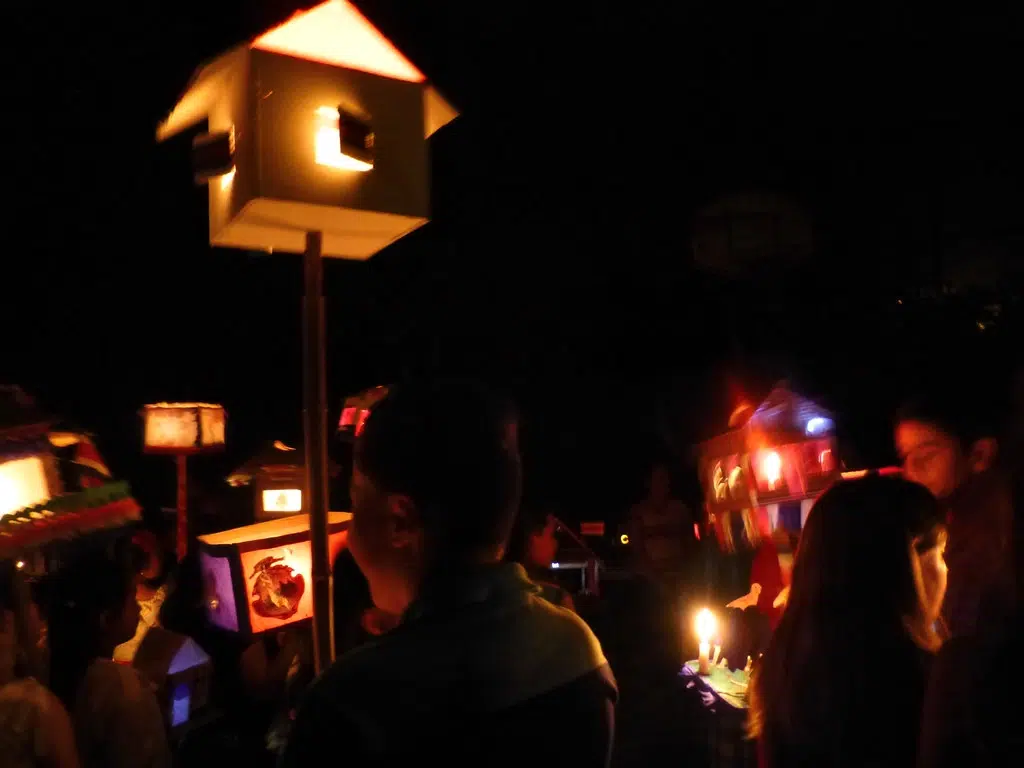
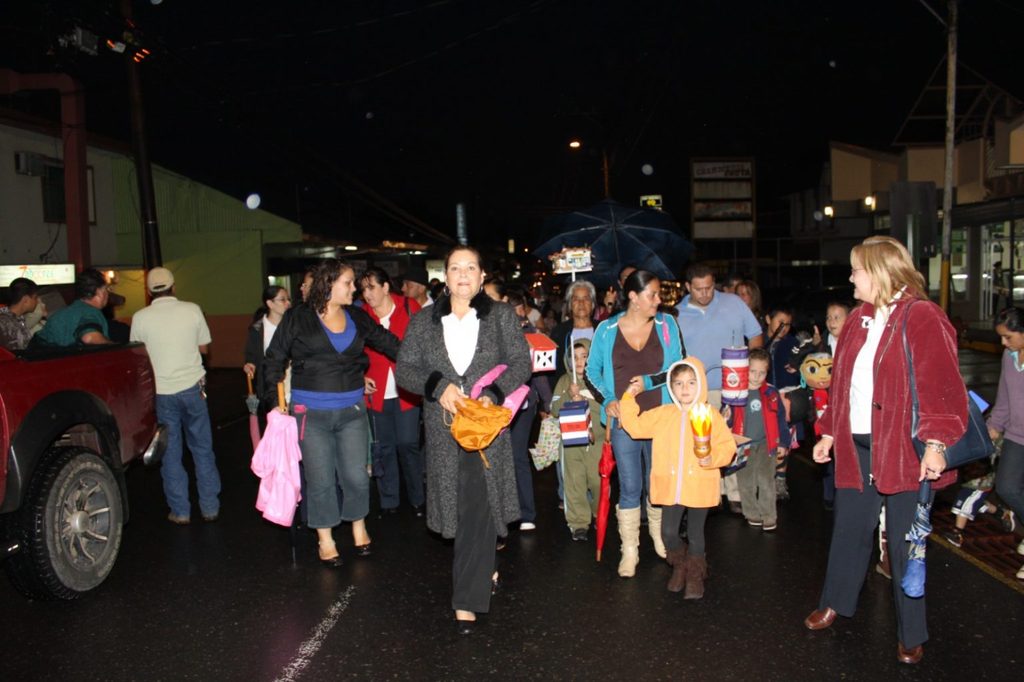
Every September 14, as evening falls, the streets of Costa Rica light up with hundreds of lanterns made by students and families. The tradition is part of the Independence celebrations and brings people of different generations together around the same activity.
But why are lanterns used? The answer is connected to the events that took place in Guatemala during the night of September 14 and the morning of September 15, 1821, when residents of Guatemala City took to the streets to support the separation from Spain.
One of the figures most closely associated with those events is María Dolores Bedoya de Molina, a woman who actively participated in the independence movement. At a time when women had very limited political participation, she took on a public role during those historic days.
A Night of Uncertainty in 1821
At the beginning of the 19th century, Central America was still under Spanish rule. However, the region’s political situation had begun to change. Independence ideas were gaining strength, while other sectors defended the continuation of the existing political order. Communication was also very different from what it is today. Modern means of communication did not exist, and news could take days or weeks to travel from one city to another.
Costa Rica was also unaware of what was happening in Guatemala at the time. In fact, news of the independence proclaimed on September 15 did not reach Costa Rica until October, through communications that traveled from the north. On October 13, 1821, a courier arrived in San José with information about the events in Guatemala and León.
In addition, the streets had no electric lighting. After nightfall, people depended on portable sources of light to move around. Torches and lamps helped illuminate the roads and could also make a gathering of people more visible. It was in this context that one of the episodes later associated with the lantern tradition took place.
Dolores Bedoya and the Mobilization of September 14
María Dolores Bedoya de Molina was born on September 20, 1783, and died on July 9, 1853. She was married to Pedro Molina Mazariegos, a physician and leader of the independence movement who later became Head of State of Guatemala. Bedoya was part of circles that supported independence. Her participation is particularly significant because women had very limited involvement in formal political life at the time.
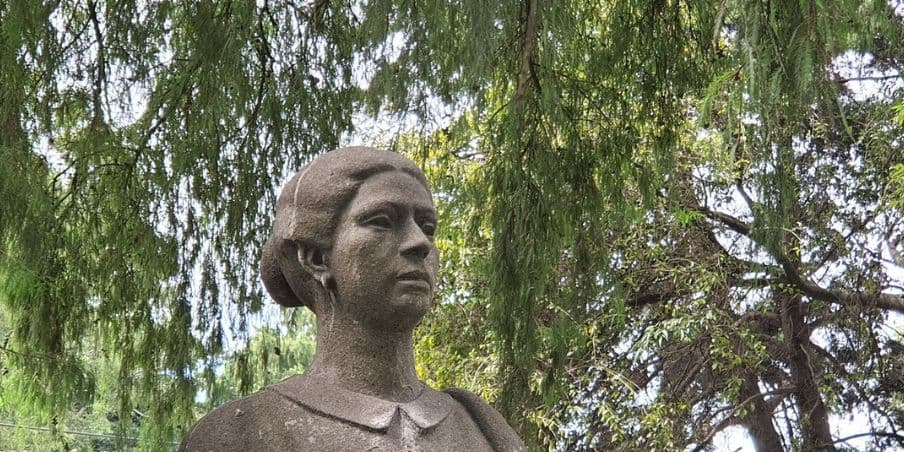
On the night of September 14, 1821, Bedoya took to the streets of Guatemala City accompanied by Basilio Porras. They sought to gather residents who supported the cause of independence. Historical tradition remembers Bedoya walking through the streets with a torch and calling on people to demonstrate in favor of independence. Her involvement was not limited to that night.
The following day, while representatives of the Province of Guatemala discussed the political situation, Bedoya remained with a group of citizens near the place where the deliberations were taking place. According to historical tradition, the crowd made its presence known through shouting, music, and gunpowder.
The pressure from outside contributed to an atmosphere of tension as the representatives debated whether they should declare independence. Finally, on September 15, 1821, the Act of Independence of Central America was signed. This is why Dolores Bedoya became closely associated with that historic day. In 1821, she was 37 years old and about to turn 38.
What Does This Have to Do with Costa Rica’s Lanterns?
The connection between those events and Costa Rica’s lantern parade is mainly symbolic. The image of people gathering at night and lighting the streets with torches and other sources of light gradually became a reference for Independence celebrations. However, it is important to clarify that Costa Rica’s current Lantern Parade did not exist in 1821. The organized tradition began much later as a school activity.
In 1953, five years after the 1948 Civil War, teacher Víctor Manuel Ureña Arguedas, then the provincial director of schools in San José, officially organized the Lantern Parade. His purpose was to strengthen civic spirit among the population, especially children.
Ureña established that the activity would take place every September 14 at 6 p.m. and asked teachers at schools and secondary schools to promote it among their students. The first parade had broad participation from students from schools in San José, accompanied by their teachers and families. From then on, the celebration gradually spread to other communities throughout the country.
A Tradition That Spread from Schools to Families
Over the decades, lanterns ceased to be merely an element of a school activity. Making them also became a family tradition. Every year, students create lanterns in different sizes and designs. Some families make them at home, while others purchase ready-made models. What matters is that the lantern becomes part of a collective celebration held on the night before September 15.
At 6 p.m., communities hold civic ceremonies and sing the National Anthem of Costa Rica. The lantern parade then begins through the streets. The Ministry of Public Education recognizes this activity as part of the patriotic celebrations held throughout the country. The tradition is also connected to the Independence Torch, whose flame symbolically represents freedom and links the Central American celebrations held in September.
Lantern Parade: From a Political Mobilization to a National Celebration
The history behind the lantern helps explain why this object has a meaning that goes beyond its appearance. In 1821, the light carried by those who walked through the streets of Guatemala was part of a context of political mobilization. More than a century later, Costa Rica transformed that image into an element of a civic celebration initially aimed at children.
The transformation is significant. The torches and lamps of that period served to illuminate the streets during a night of uncertainty. Today’s lanterns, by contrast, light up festive processions and accompany students, families, and communities on the eve of Independence Day.
For this reason, every September 14, when lanterns fill the streets of Costa Rica, the tradition symbolically recalls the events that took place in Guatemala in 1821. It also keeps alive the memory of a woman who played a prominent role in that mobilization: María Dolores Bedoya de Molina.
The Costa Rican celebration began in 1953, but it found in the events of 1821 the historical reference that explains why, every year, the country’s streets fill with lights on the eve of September 15.
Sensorial Sunsets