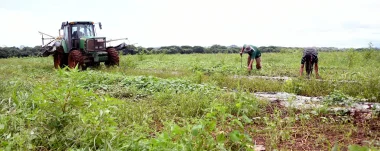

Reserva Conchal Apiary: Pilot Project to Strengthen Bee Populations in the Face of Climate Change
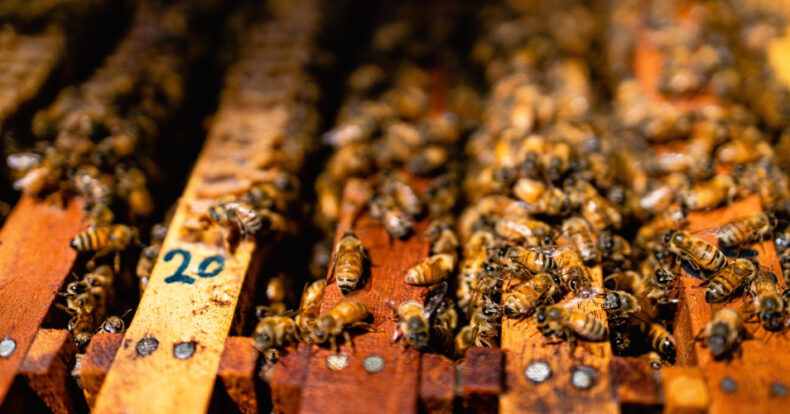

The initiative involves the establishment of a genetic laboratory focused on pollinator resilience, biodiversity conservation, and environmental sustainability.
Reserva Conchal Apiary announced the launch of an innovative pilot program aimed at exploring the potential of a bee genetics laboratory. This project hopes to strengthen the resilience of pollinators in the face of the growing challenges posed by climate change.
The initiative is part of Reserva Conchal’s sustainability strategy and aims to integrate applied science, biodiversity conservation, and environmental education as tools for protecting ecosystems.
Applied science to strengthen bee resilience
As part of this first phase, the project involves setting up a specialized facility for the insemination of queen bees through the selection of drones with desirable genetic traits. This process will allow for the evaluation of strategies to strengthen the populations of Apis mellifera at the Reserva Conchal Apiary, promoting colonies with greater resilience to disease and extreme weather conditions.
This project is the result of a partnership between Reserva Conchal, Blue Zones, and Mieles NICoyanas, organizations that contribute technical expertise and specialized knowledge in beekeeping to develop a model aligned with conservation and environmental sustainability goals.
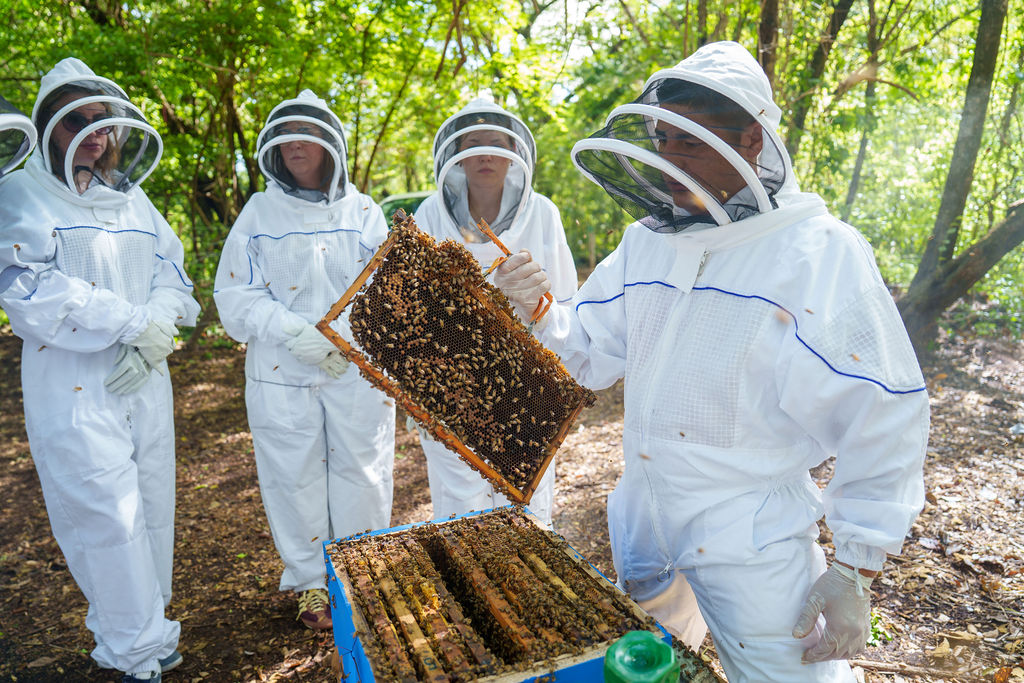
More than 2.5 million bees protect the tropical dry forest
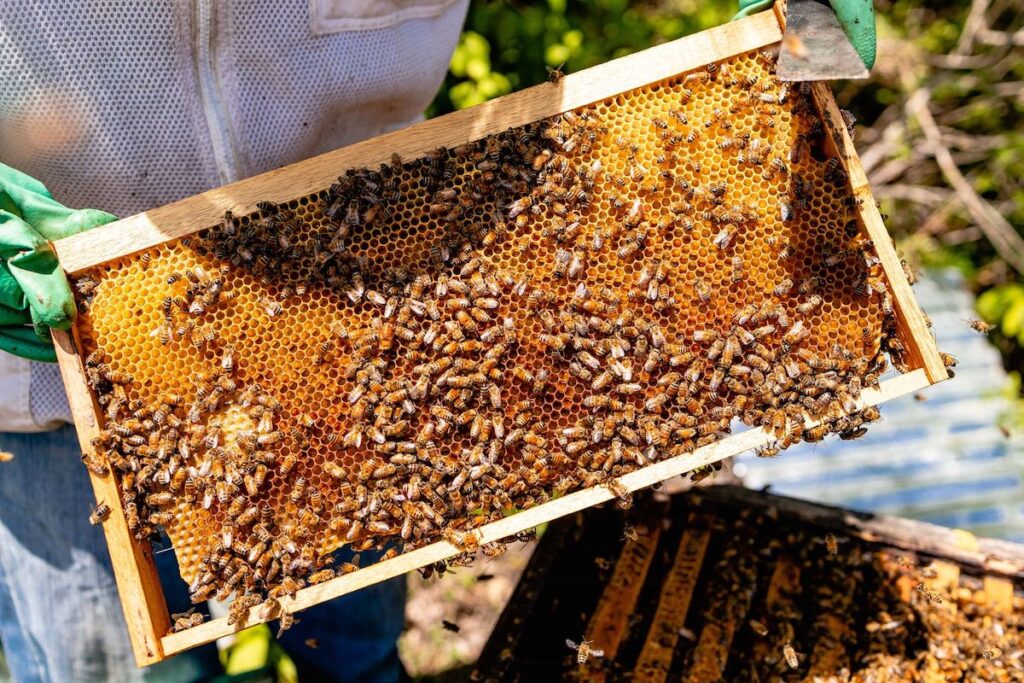
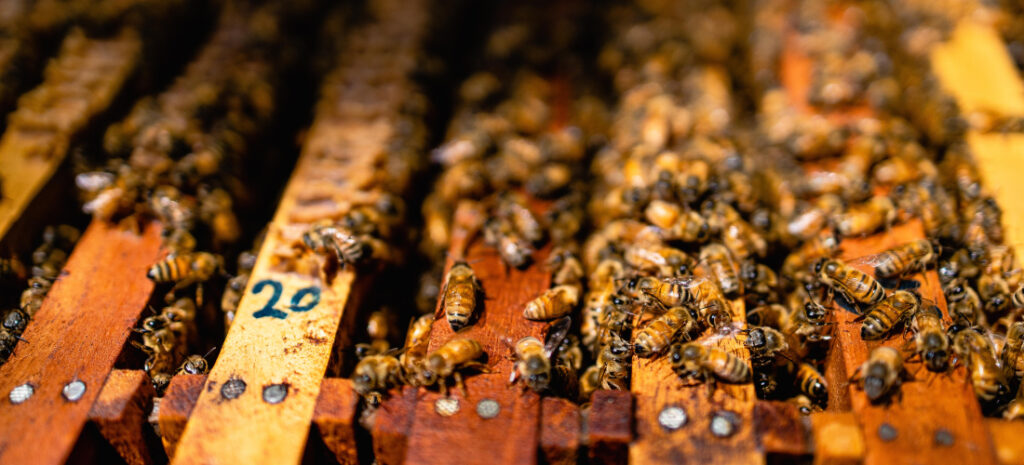
Currently, the Reserva Conchal Apiary is home to 50 hives and approximately 2.5 million bees. Their role is essential in pollinating the tropical dry forest, which is considered one of the most vulnerable ecosystems in the region.
The presence of these pollinators promotes the reproduction of native species, drives natural forest regeneration, and helps maintain ecological processes that are essential to local biodiversity.
Through this initiative, the Reserva Conchal Apiary seeks to explore scientific tools that complement traditional models of beekeeping </ a>in Costa Rica, with a focus on climate resilience and the strengthening of key ecosystem services, such as pollination.
Innovation and sustainability for environmental conservation
The strengthening of bee populations is essential for the protection of ecosystems and environmental resilience. With this pilot project, we aim to explore how applied science can contribute to the conservation of pollinators, recognizing that bees play an essential role in forest regeneration and the balance of biodiversity. “This process will also allow us to gain insights and continue developing sustainable models with the potential for long-term positive impact,” said Gabriela Meza, Sustainability Manager at Reserva Conchal.
Currently, the initiative is in a learning and monitoring phase. It focuses on identifying behaviors, levels of adaptation, and resilient characteristics within existing communities. The results obtained will make it possible to assess opportunities for improvement and define potential next steps for the project.
A model with the potential to be replicated in Costa Rica
Future plans include strengthening technical monitoring, expanding the educational component, and assessing the laboratory’s potential. These initiatives will serve as a tool to support pollinator conservation and applied sustainability.
Over the medium term, the project aims to contribute to the development of replicable models for biodiversity conservation in Costa Rica, generating knowledge that can be applied to other conservation and sustainable production initiatives.
With this proposal, the Reserva Conchal Apiary reaffirms its commitment to sustainable innovation and environmental conservation. In this way, it seeks to promote science-based solutions to protect the health of ecosystems.
Sensorial Sunsets
Navigate articles