
May 8, 2026 Presidential Inauguration: History and Schedule in Costa Rica

The date, first established in the 1859 Constitution, symbolizes the country’s institutional continuity and the start of a new presidential term
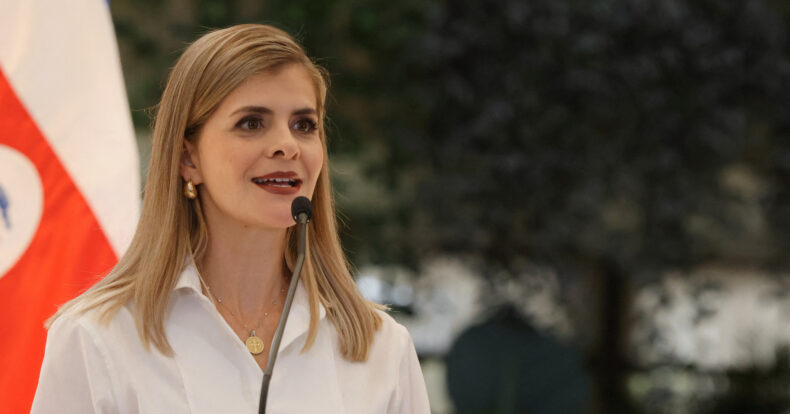
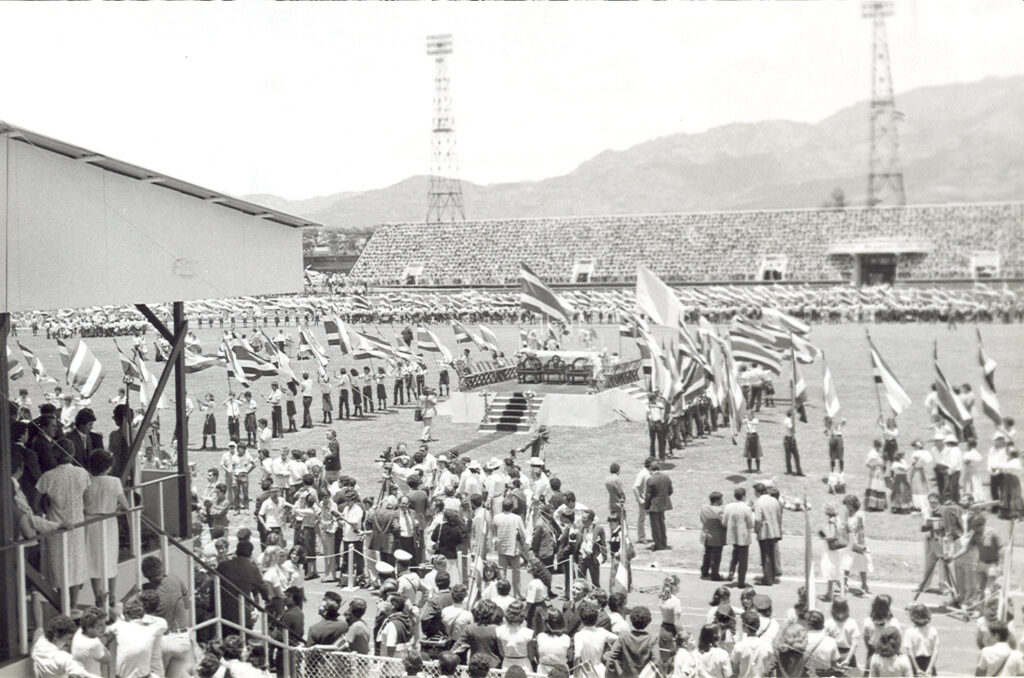
Next Friday, May 8, Costa Rica will witness another presidential inauguration, an event that not only marks the beginning of a new administration but also reaffirms a constitutional tradition spanning more than a century and a half. On this occasion, Rodrigo Chaves will hand over power to Laura Fernández Delgado, president-elect for the 2026–2030 term, in a ceremony whose main venue will be the National Stadium.
A date with constitutional roots
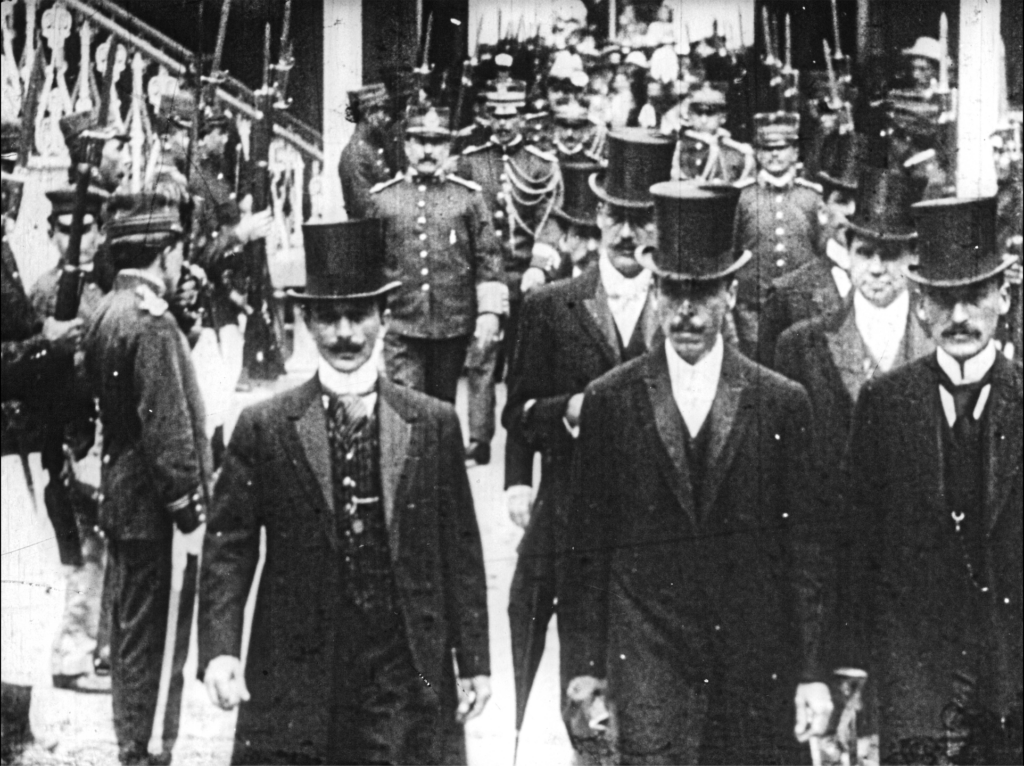
The designation of May 8 as the day on which the president-elect takes office first appeared in Article 105 of the 1859 Constitution. However, the first president to formally take office on that date was Jesús Jiménez Zamora, whose term ran from May 8, 1863, to May 8, 1866, according to records cited by Clotilde Obregón Quesada in The Electoral Process and the Executive Branch in Costa Rica.
From government bodies to the head of state
Following the Kingdom of Guatemala’s declaration of independence on September 15, 1821, Costa Rica spent its early years of political life under governments led by governing councils. It was not until 1825, with the enactment of the Fundamental Law of the Free State of Costa Rica, that a state structure was established, divided into four branches: the Executive, Legislative, Judicial, and Conservative branches.
It was in this context that the role of Supreme Chief, or Head of State, emerged: a figure who exercised the highest political authority, although the title of president did not yet exist.
The emergence of the presidency
The Constitution of 1848, enacted upon the founding of the Republic, more clearly defined the structure and functions of the Executive Branch. It was at that time that the offices of President of the Republic and Vice President were formally established.
That Constitution established a six-year presidential term and allowed unrestricted reelection. Subsequently, the Constitution of 1859 sought to limit the power of the Executive Branch: it reduced the presidential term to three years, eliminated reelection, and established a Council of State for the first time.
Changes during the presidential term
The 1869 Constitution retained the three-year presidential term, while the 1871 Constitution extended it to four years and prohibited immediate reelection at the end of each term. That same principle of alternation is maintained in the 1949 Political Constitution, which remains in force today. Over time, the presidential apparatus also became institutionally stronger; on December 24, 1961, the Ministry of the Presidency was created through Budget Law No. 2980.
Today, the President of the Republic and the Vice Presidents are elected by free and universal suffrage on the first Sunday of February. The elected officials serve a four-year constitutional term, which formally begins with the inauguration on May 8.
Schedule prior to the Transfer of Power
For the 2026 inauguration, the organizing committee has confirmed a schedule that will combine official ceremonies, cultural events, and diplomatic meetings beginning on Thursday, May 7.
International delegations are expected to arrive that day at Base 2 of Juan Santamaría International Airport. President-elect Laura Fernández is also scheduled to hold bilateral meetings at the Museum of Costa Rican Art in La Sabana, beginning at 1:00 p.m.
The Ministry of Foreign Affairs will host a reception for international guests at the Calderón Guardia Museum in Barrio Escalante at 4:00 p.m. Later, President Rodrigo Chaves will host an official dinner at the National Theatre at 7:00 p.m. for high-level delegations, including heads of state and government, vice presidents, and deputy prime ministers.
Cultural events at the National Stadium
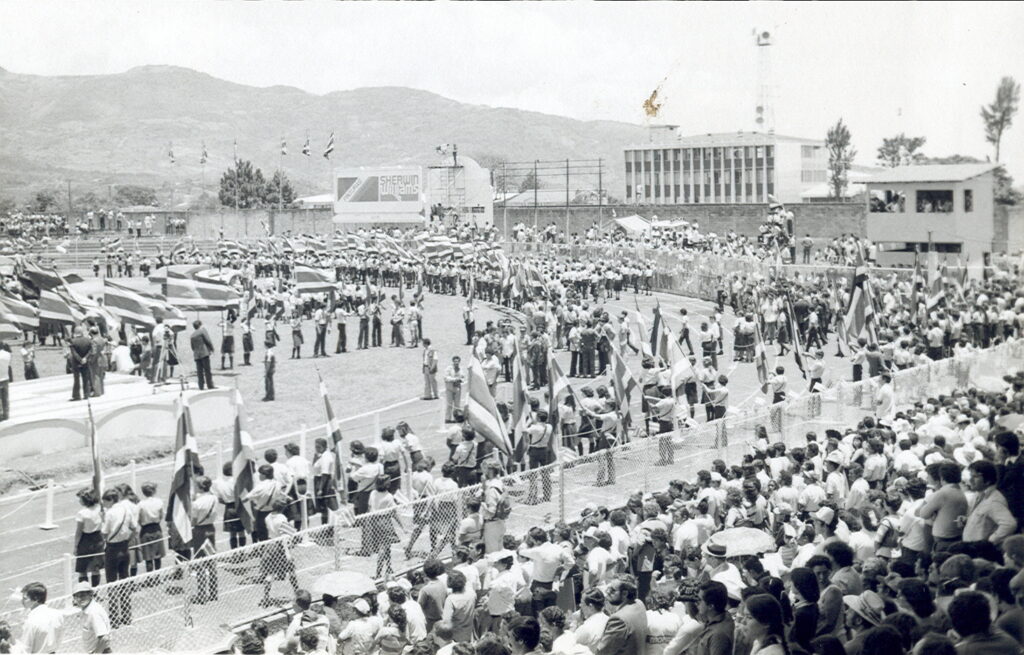
On Friday, May 8, activities will begin early in the morning at the National Stadium. Cultural performances will take place in the plaza starting at 8:30 a.m., followed by a cultural event on the track at 9:00 a.m., featuring bands and other artistic performances as a prelude to the formal ceremony.
The government declared that day a holiday for the public sector and provided train service and free tickets to the public.
Inauguration and the first session of the government
The Legislative Assembly’s solemn session will begin at 11:00 a.m., following the verification of a quorum. The highlight of the day will be the constitutional swearing-in of Laura Fernández Delgado, scheduled for 12:05 p.m.
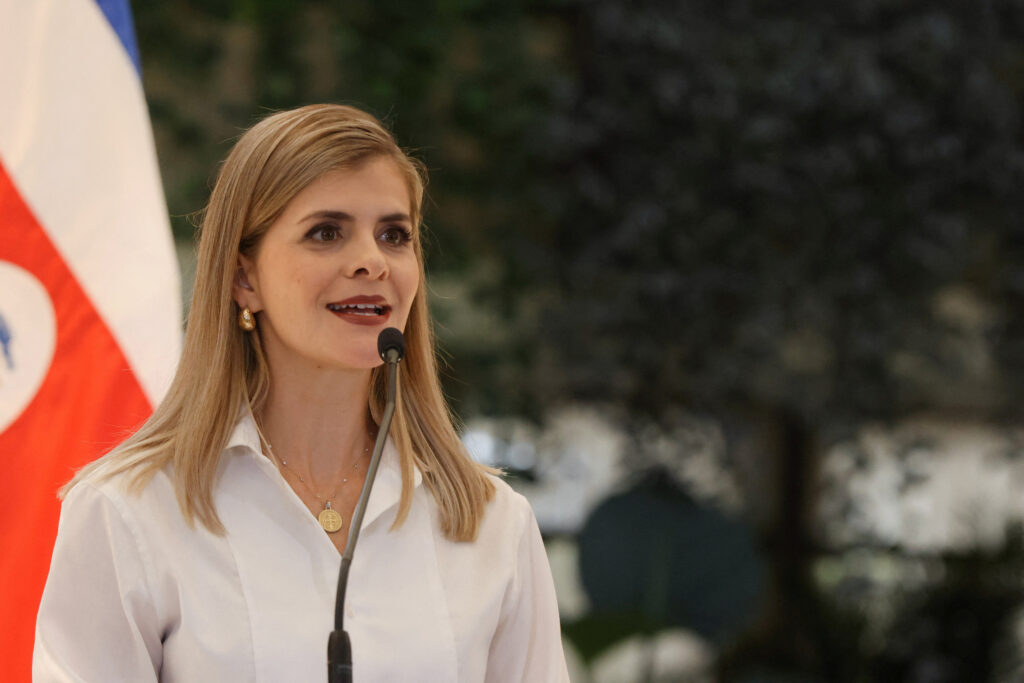
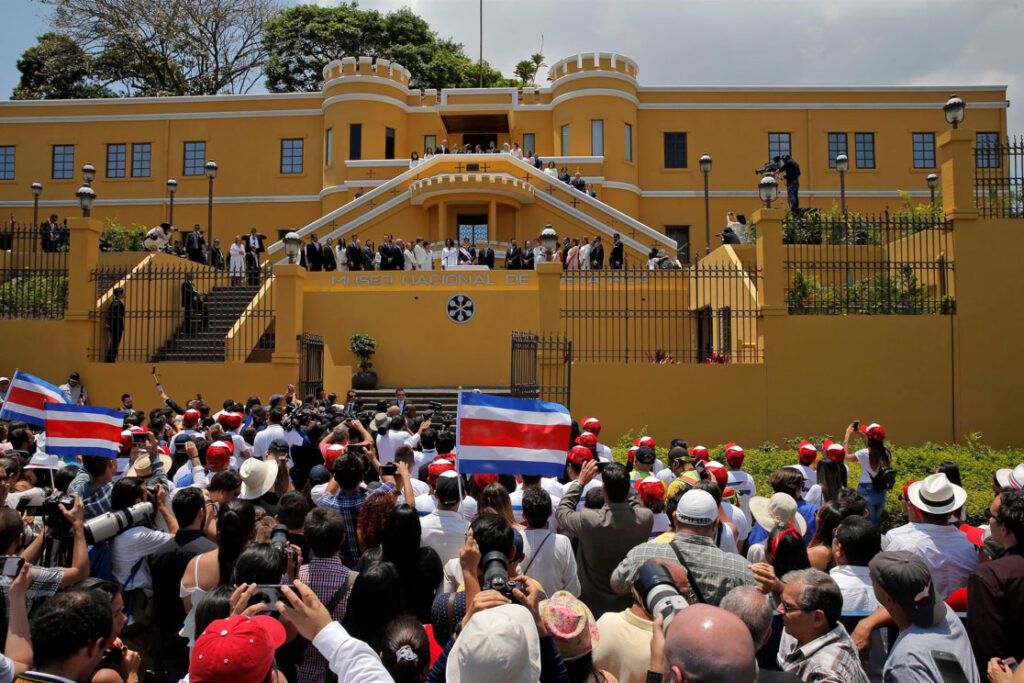
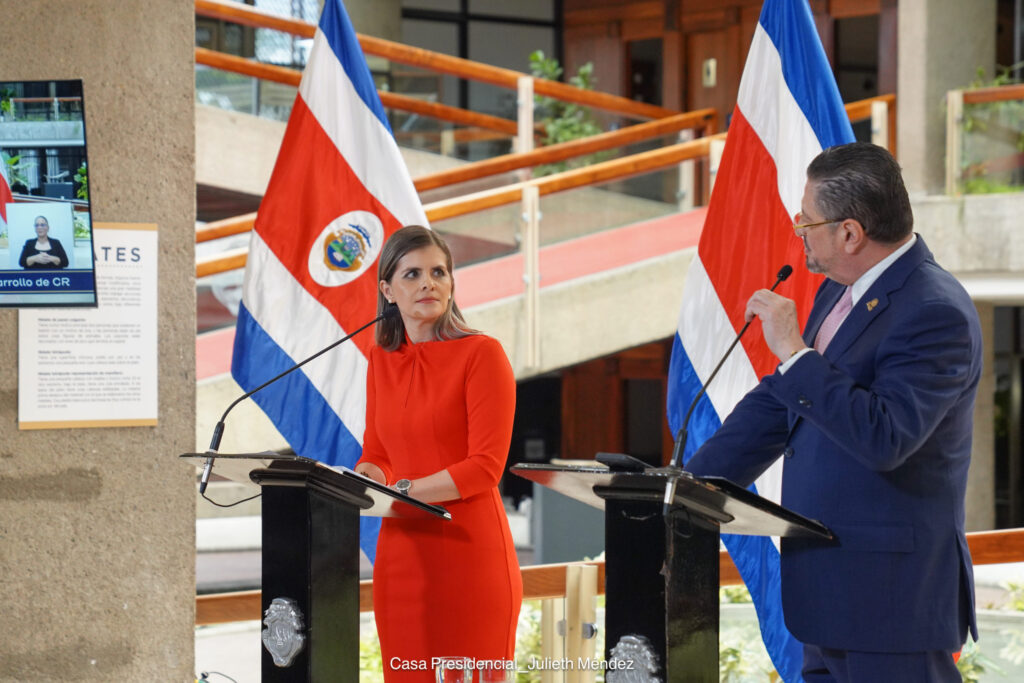
This will be followed by the swearing-in of the vice presidents, the new president’s inaugural address, the swearing-in of the cabinet, and the first session of the Governing Council.
Diplomatic meetings and official greetings
After the main ceremony, the schedule will continue with institutional activities and diplomatic meetings. The official greeting for the President will take place at the Costa Rica Convention Center after 3:00 p.m.
Close with “Costa Rica Sings”
The day will conclude with a cultural event open to the public. At 2:30 p.m., the “Costa Rica Canta” concert will begin, serving as the artistic and civic finale of the presidential transfer of power.
Authorities have urged the public to take precautions due to possible traffic restrictions in areas near the National Stadium and other locations where official events will take place.
The new administration’s first public activities
On Saturday, May 9, as part of Laura Fernández’s first public activities as President, a Mass will be held in the afternoon at the Basilica of Nuestra Señora de los Ángeles in Cartago.
Sensorial Sunsets

Navigate articles