

El Niño and Costa Rica’s Climate: What Could Change for Agriculture and Water
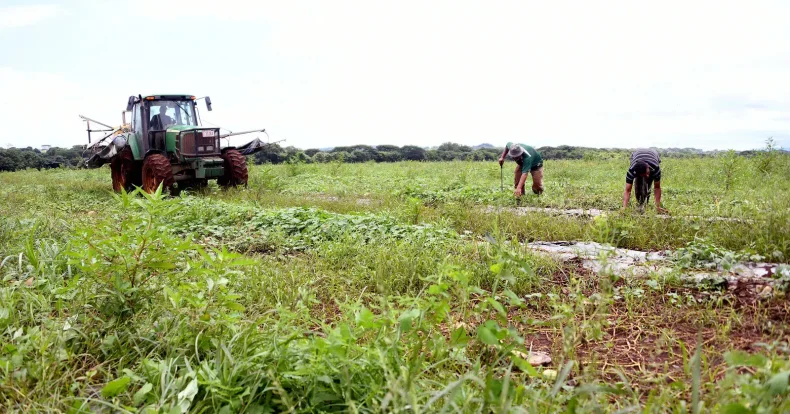
Costa Rica could face conditions in the coming months that increase pressure on water resources and agricultural activities. The scenario is linked to the possible development of El Niño, but climate forecasts also show important variations between regions and periods.
The phenomenon is already being closely monitored by scientists because of its potential effects on temperatures and rainfall. In Costa Rica, its impacts tend to vary depending on the country’s different climate regions. This is compounded by the latest sub-seasonal forecast from the National Meteorological Institute (IMN), valid from September 28 to October 25, 2026. The institute forecasts a rainfall deficit across much of the country during this period.
October Could Bring Drier Conditions
The outlook issued by the IMN changes as October progresses. Between September 28 and October 11, dry conditions are expected in the Pacific and Central Valley. During those weeks, the Caribbean, Northern Zone, and Northwest Northern Zone are expected to remain within normal conditions for this time of year. The situation is expected to change from October 12 onward, when the IMN forecasts the expansion of drier conditions to other parts of the country.
Between October 12 and 18, the North Pacific, Central Pacific, and Central Valley are expected to show the strongest signals, with conditions classified as very dry. The South Pacific, Caribbean, and Northern and Northwest Northern regions are also expected to experience drier conditions. During the final week covered by the forecast, from October 19 to 25, the dry pattern is expected to extend across the entire country. The North Pacific, Central Pacific, and Central Valley would remain among the areas experiencing very dry conditions. This forecast covers a period of several weeks and does not mean that it will stop raining throughout the entire period. In fact, the IMN has also recently reported humid conditions, heavy showers, and thunderstorms in different parts of the country.
How Is This Scenario Related to El Niño?
El Niño is part of the El Niño-Southern Oscillation (ENSO), a climate pattern resulting from interactions between the ocean and the atmosphere. One of the factors used to identify and monitor its development is the surface temperature of the equatorial Pacific Ocean. Temperature variations recorded in the Niño 3.4 region help determine whether El Niño, La Niña, or neutral conditions are occurring, as well as the event’s intensity.
Its effects are also not uniform across Costa Rica. The Pacific generally experiences lower rainfall and higher temperatures during El Niño events, while the Caribbean tends to receive more rainfall. The distribution of moisture changes as the phenomenon alters atmospheric circulation. For this reason, understanding the effects of El Niño in Costa Rica requires considering both the region and the time of year.
A Natural Phenomenon That Should Be Distinguished from Climate Change
El Niño and climate change are both related to the climate system, but they are not the same phenomenon. El Niño is a natural variation in the ocean-atmosphere system that has occurred for centuries. Climate change, on the other hand, refers to a sustained warming trend primarily associated with human activities.
The possible influence of global warming on the intensity or effects of El Niño remains under study, although there is no conclusive evidence establishing a direct causal relationship. This distinction is important because it allows forecasts to be interpreted without automatically attributing every change in temperature or rainfall to a single cause.
Agriculture Is Vulnerable to Changes in Rainfall
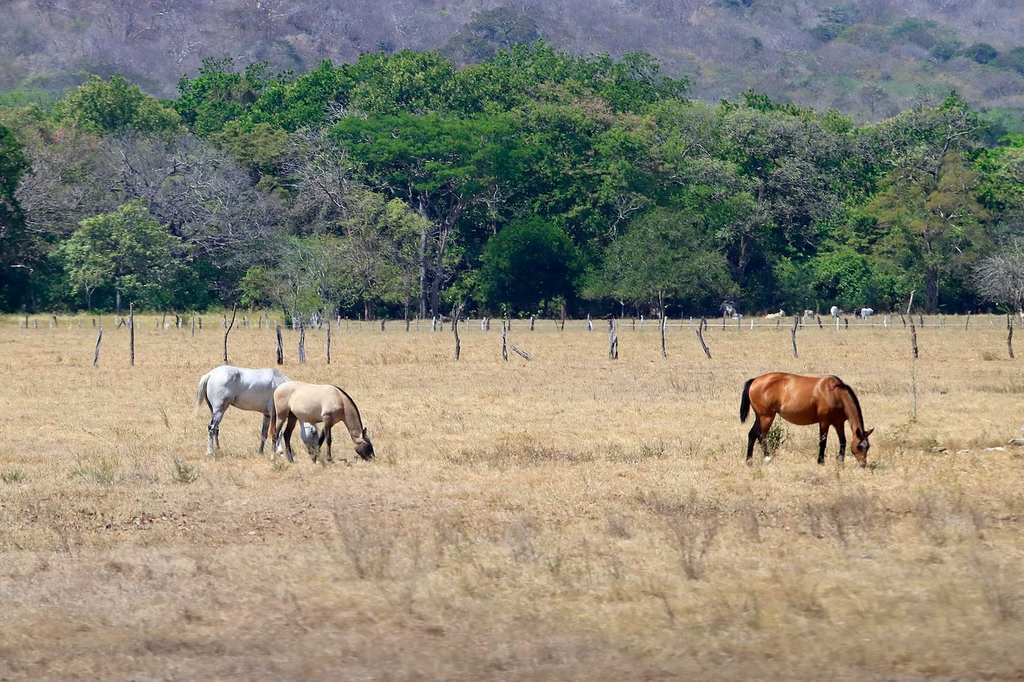
Changes in rainfall can quickly become a problem for agricultural production. In the Pacific regions, a prolonged period of low rainfall can reduce the amount of water available for crops and increase pressure on other water sources used by productive activities. If the situation persists, the effects can extend to aquifers and generate economic and social consequences for communities that depend on agriculture.
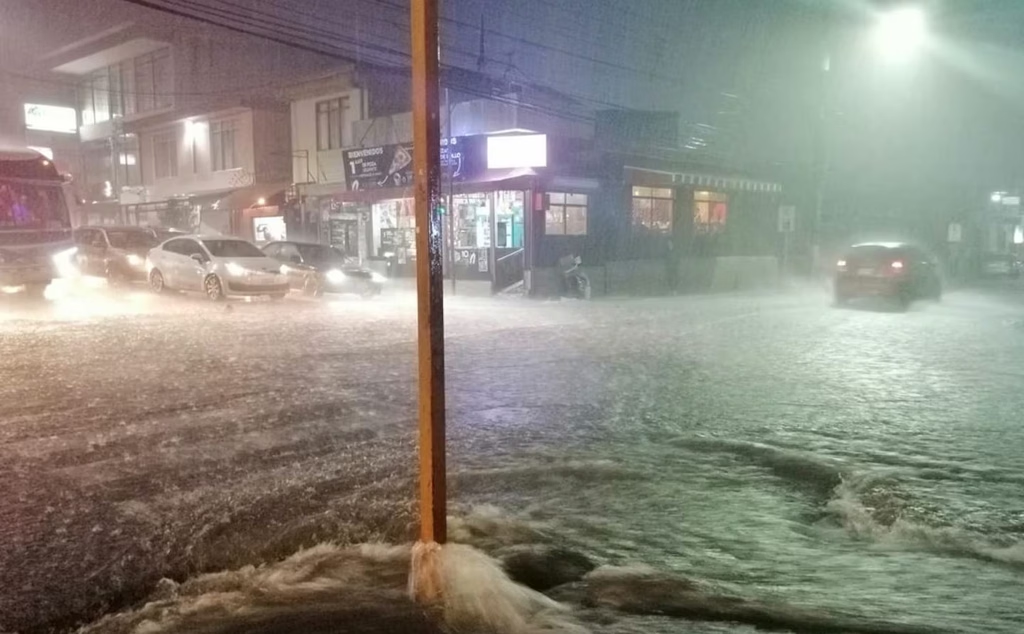
If the situation persists, the effects can extend to aquifers and generate economic and social consequences for communities that depend on agriculture. Excessive rainfall poses another set of risks. Heavy downpours can contribute to flooding, erosion, waterlogged soils, crop losses, and landslides. This means that both too little and too much water can create challenges for the agricultural sector.
Planning Before Conditions Change
Forecasts cannot determine with absolute certainty what will happen several months from now. Models produce probabilistic scenarios that are updated as new information becomes available. Precisely because of this uncertainty, having up-to-date information can help reduce exposure to changing conditions.
Producers can consider adjusting planting schedules, managing irrigation water more efficiently, monitoring soil moisture, and using ground cover. Crop diversification and the installation of water storage systems can also form part of the adaptation strategies mentioned by the specialist.
Water Will Require Particular Attention
Water availability could become one of the main concerns during a dry period. The needs of communities, agriculture, and other sectors must be met with a water supply that can vary depending on rainfall and local conditions.
In this context, IMN forecasts provide a reference for monitoring how rainfall could behave over the coming weeks. The forecast currently extending through October 25 indicates that the deficit could become more pronounced, particularly in the Central Pacific, North Pacific, and Central Valley. However, conditions can change, and forecasts should be consulted as they are updated.
Preparing Also Means Understanding Uncertainty
The possibility that El Niño will continue developing does not mean that all of its effects can be known in advance. The phenomenon’s eventual intensity and its behavior over the coming months depend on how the climate system evolves. For this reason, the available information should be used as a planning tool rather than as an absolute prediction.
For the agricultural sector, this distinction can be important. Waiting until a drought or period of excessive rainfall fully develops limits the available response options. Consulting forecasts, assessing local conditions, and preparing alternatives can help producers make decisions before persistent changes in the climate result in greater losses.
Costa Rica has monitoring and forecasting tools that make it possible to track changes in rainfall and temperatures. Using them regularly can help producers and communities respond earlier to the climate scenarios that may develop in the coming months. The climate outlook for 2026 has been shaped by the evolution of El Niño, making continued monitoring important for anticipating its potential effects on sectors such as agriculture, water resources, and electricity generation.
Sensorial Sunsets
Navigate articles