
Galería Namu: Indigenous Art from Central America and the World
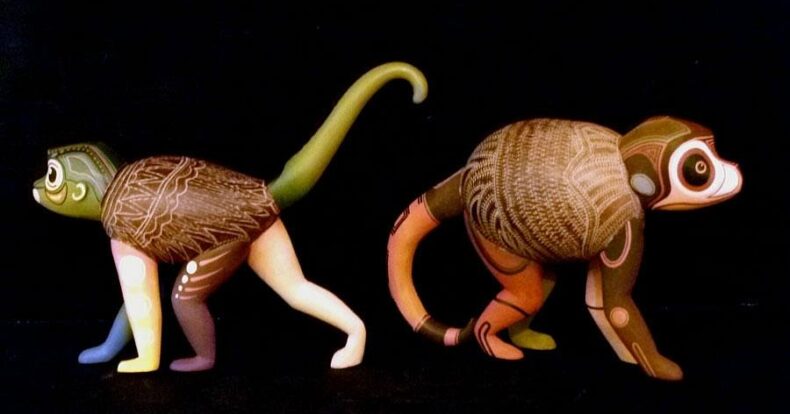
In the Bribri language, namu means jaguar (Panthera onca), an animal revered and respected by the Indigenous peoples of Central America. The name also represents the essence of Galería Namu: a space dedicated to preserving, valuing, and sharing the art and traditions of Indigenous peoples throughout Central America.
Galería Namu: A Virtual Gallery Bringing Indigenous Art from Central America to the World
For more than 30 years, Conall French, co-founder of Galería Namu, has built a connection between Indigenous artists from Central America and people around the world who appreciate their art. His journey, shaped by cultural exchange, conservation, and respect for tradition, began far from Costa Rica.
Discovering Costa Rica
In 1994, Conall visited Costa Rica for the first time, where his parents had moved. He was impressed by the country’s natural beauty, but he was also struck by the limited visibility of Indigenous peoples in national life and tourism.
From then on, he began looking for ways to work directly with Indigenous communities. In 1997, he joined a non-governmental organization in Yorkín, a Bribri community located along the Costa Rica–Panama border. He lived within the community for more than a year, learned Spanish and some words of the Bribri language from local residents, and adapted to life in the rainforest.
The experience transformed his perspective and strengthened his interest in building direct and respectful relationships with Indigenous peoples. During this period, Conall and his mother, Aisling, began envisioning a different kind of gallery in San José: a space that would give Indigenous art a permanent and visible place in Costa Rica’s capital.
Conall then began traveling throughout Costa Rica, Panama, Nicaragua, and Honduras. During his journeys, he met artists, documented traditions, and acquired works directly connected to the communities that created them. His work was guided by two fundamental questions: Who is still creating in traditional ways? And how can their work be shared with the world in a meaningful and respectful way?
The Birth of Galería Namu
These journeys led to the founding of Galería Namu in 1998. From the beginning, the gallery specialized in museum-quality Indigenous and folk art, making the works available to national and international audiences while seeking to maintain a direct connection with the artists.
But Galería Namu was intended to be more than a commercial space. It also became a place for cultural exchange, where visitors could learn about the stories and traditions behind the pieces. The gallery also facilitated respectful experiences and visits to Indigenous communities interested in developing ecotourism and ethno-tourism initiatives.
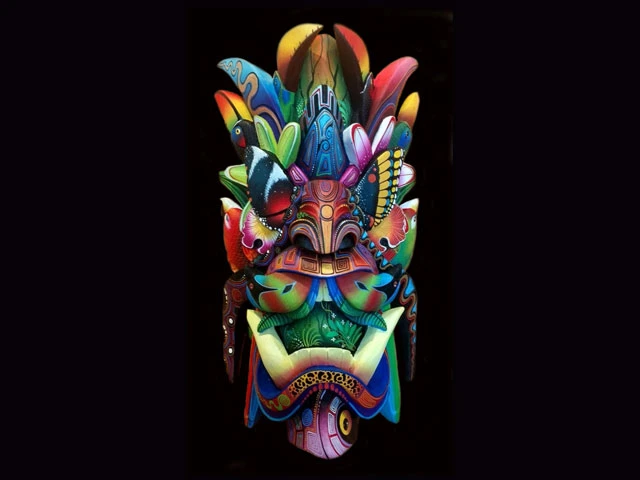
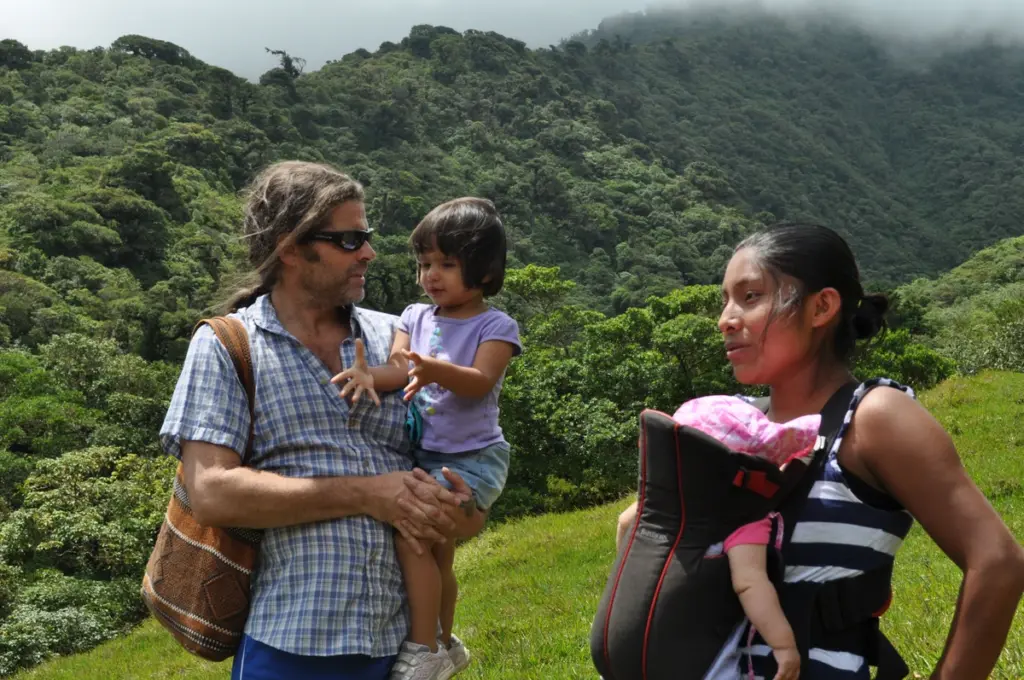
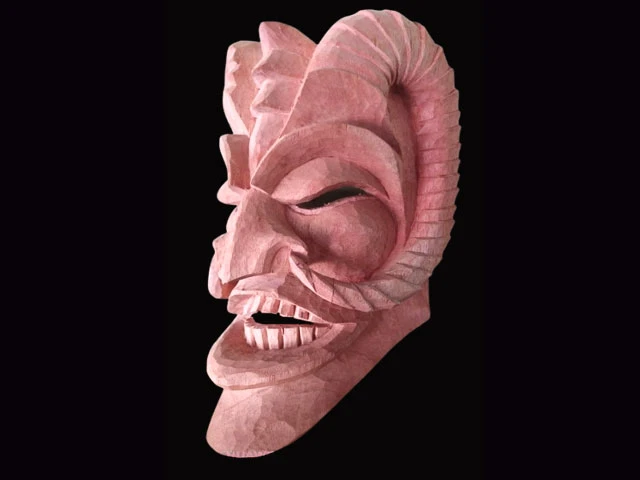
In 2005, Conall began working full-time at the gallery. Over the years, he established lasting relationships with artists from the Bribri and Cabécar peoples of Costa Rica, as well as Wounaan and Emberá artists from Panama, and Miskitu and Pech artists from Honduras, among other Indigenous peoples of the region.
Over time, Galería Namu became known not only as an art gallery and shop, but also as a trusted source for those seeking authentic works and wanting to learn about the stories, techniques, and traditions behind each creation.
A New Chapter in the Digital World
In 2020, the physical gallery closed its doors as a result of the pandemic. However, the closure did not mark the end of its mission. Instead, it opened the door to a new chapter.
With the relaunch of galerianamu.com, the project continues its work online. Today, people from around the world can explore and purchase original works created by Indigenous and folk artists from southern Central America. The transition to the digital world allows the gallery to expand the reach of a mission Conall has pursued for decades, while maintaining its core principles of authenticity, respect for artists, and appreciation for their traditions.
For Conall French, this work represents much more than a commercial activity. It is a lifelong commitment to cultural preservation, creating economic opportunities for artists, and fostering greater understanding between different cultures.
Every piece represents a story, and every artist is part of a living tradition.
Sensorial Sunsets
Navigate articles