
Corals of the Southern Caribbean: Local Initiative Aims to Protect Marine Life
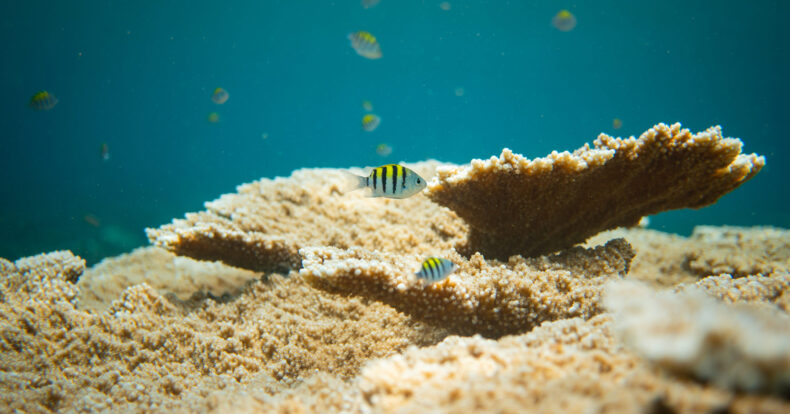

Costa Rica’s southern Caribbean coast is becoming the focus of a new community-led coral conservation initiative. In Talamanca, a free workshop aims to train residents to monitor, document, and protect the region’s reef ecosystems amid mounting environmental threats.
The program combines virtual sessions in May with fieldwork at sea between late May and June. Although more than 150 people from across the country signed up for the training, organizers will give priority to Southern Caribbean residents for the practical monitoring sessions, with the aim of strengthening a local network of environmental observers.
Coastal projects and environmental pressures
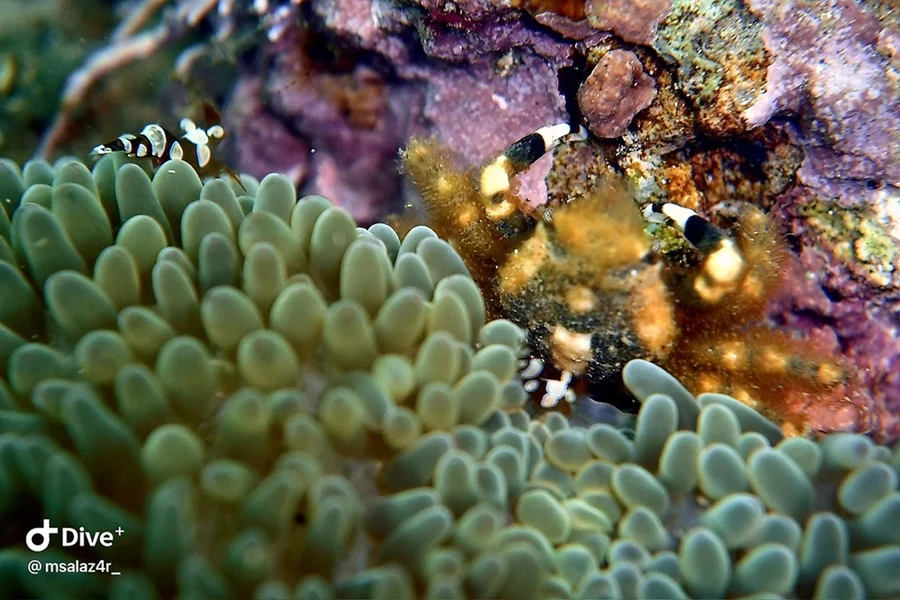
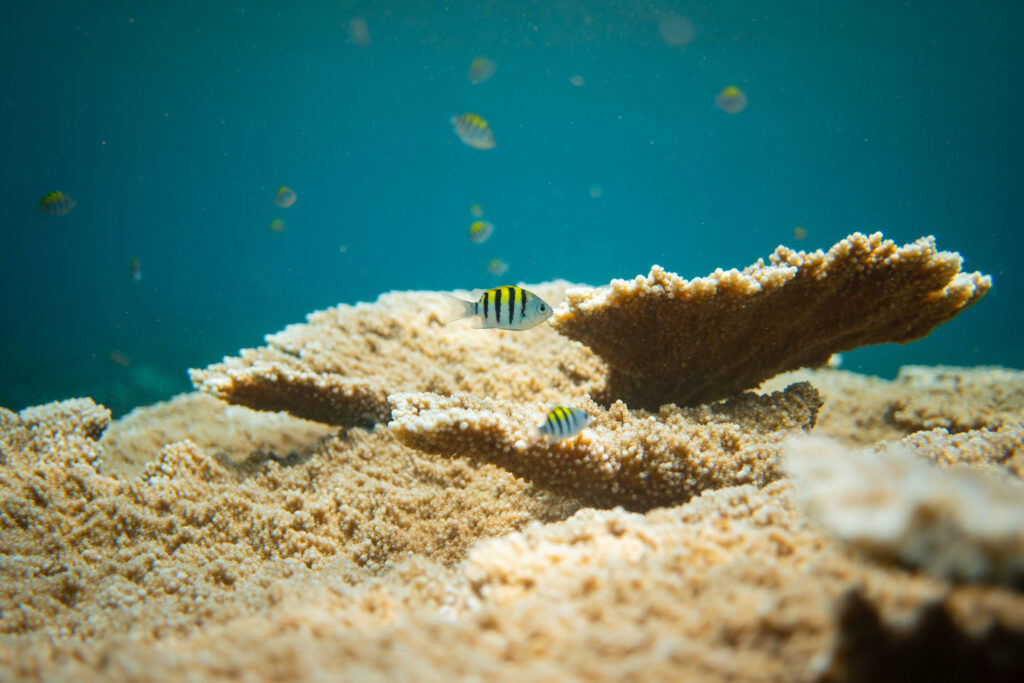
During the workshop, participants will learn the basics of reef ecology, how to identify coral species found in the area, and methods for tracking changes in the health of marine ecosystems. The training covers species such as Acropora palmata, Montastraea, and Porites spp., as well as protocols for documenting coral bleaching and other environmental threats.
The initiative comes at a critical time for the reefs of the Southern Caribbean, which are facing mounting pressures from rising sea temperatures, bleaching events, sedimentation, pollution, and proposed coastal infrastructure projects. Environmental organizations and local communities have warned that coral systems in the Puerto Viejo area remain alive but are under stress from wastewater discharges, sedimentation, and higher sea temperatures.
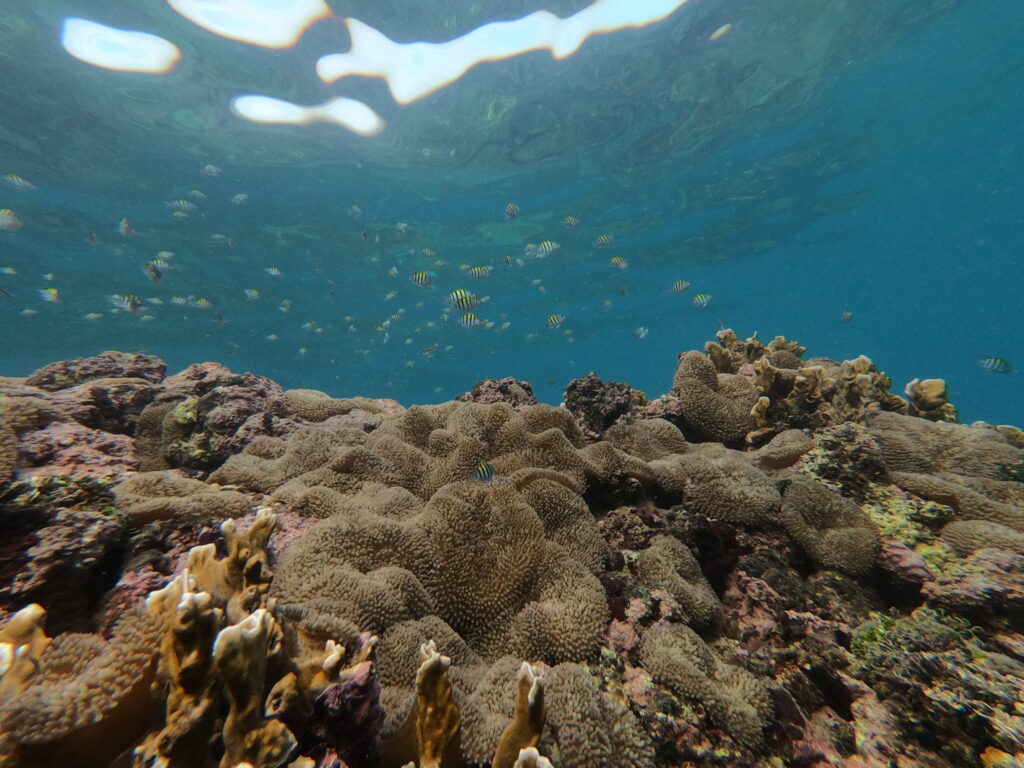
The workshop aims to ensure that reef protection does not depend solely on scientists and public institutions, but also rests in the hands of the communities that live alongside these ecosystems every day. Through citizen science, residents will be able to gather useful information to support conservation efforts and local environmental decision-making.
Communities, environmental organizations, and the University of Costa Rica
The training is organized by Costa Rica por el Océano in collaboration with the University of Costa Rica’s Socio-Environmental Kiosks Program. The social action projects “Voces y Política,” from the School of Political Science and Geography, and “Diálogo de Saberes,” from the School of Geography, are also participating.
This effort builds on years of environmental organizing in the Southern Caribbean. Various community groups have carried out reef health assessments, promoted coral monitoring, and voiced opposition to projects they consider risky for marine ecosystems. One of the most significant recent cases has been the proposed Puerto Viejo pier, which has sparked legal and environmental objections over its potential impacts on coral cover and marine biodiversity.
Coastal projects and environmental pressures
In March, an environmental appeal challenged the approval of the pier project, arguing that the environmental assessment lacked sufficient marine analysis and failed to fully evaluate the reef system present at the proposed construction site. The appeal also noted the presence of live corals and marine species that could be affected by the work.
Due to high demand for the workshop, organizers are considering adding another session aimed at increasing participation among Talamanca residents. For coastal communities, this training represents another step toward greater local involvement in the protection of reefs that sustain marine life, protect the coastline, boost tourism, and form part of the cultural identity of Costa Rica’s Southern Caribbean region.
Sensorial Sunsets
Previous article The Virilla Tragedy: 100 Years Since the Worst Train Accident in Costa Rican History
Navigate articles