
Isla Cementerio de Cabuya: History, Nature, and Legends off the Coast
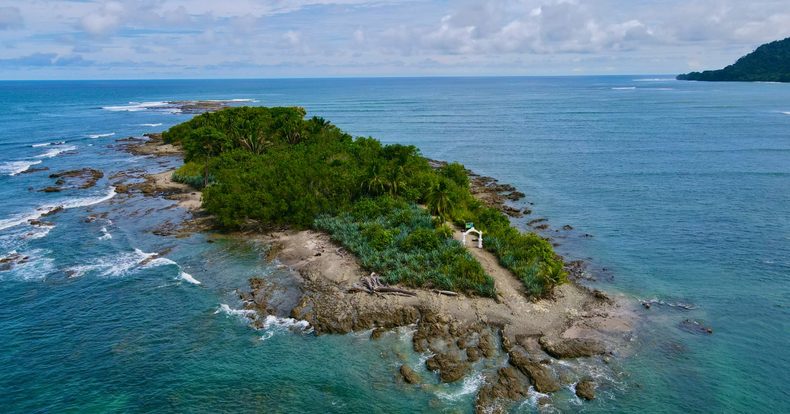
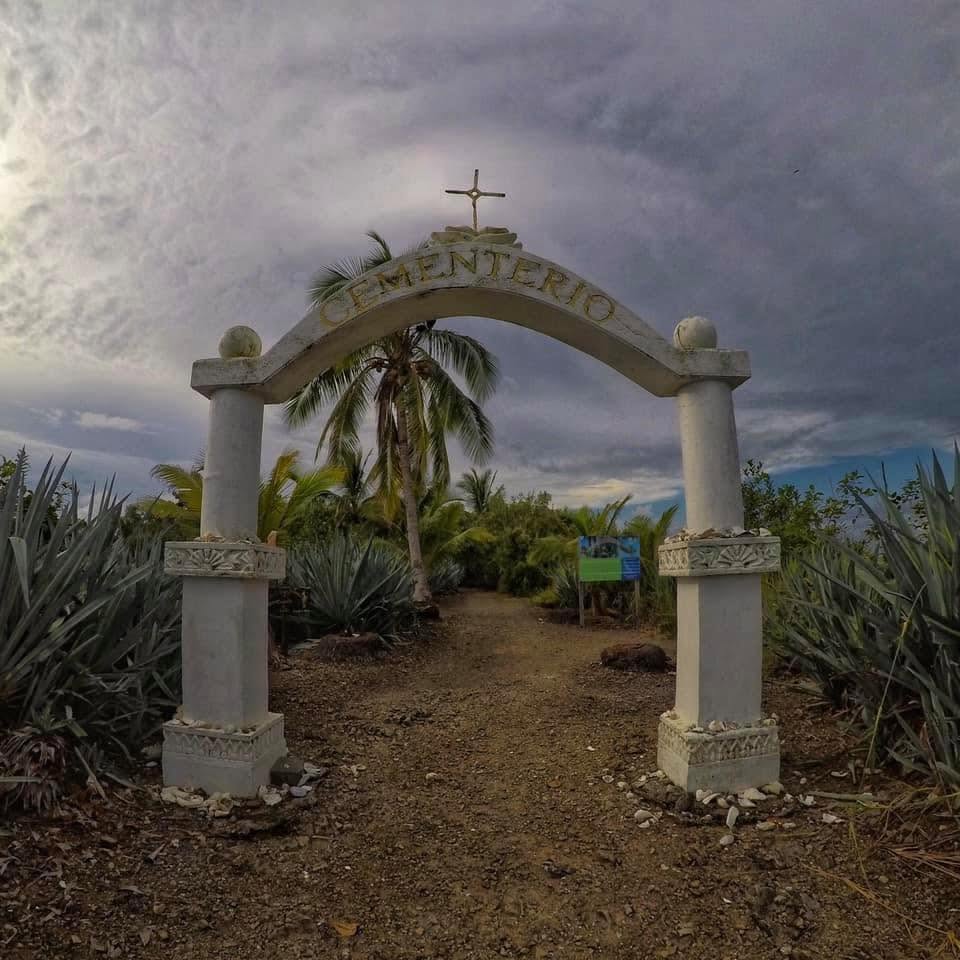
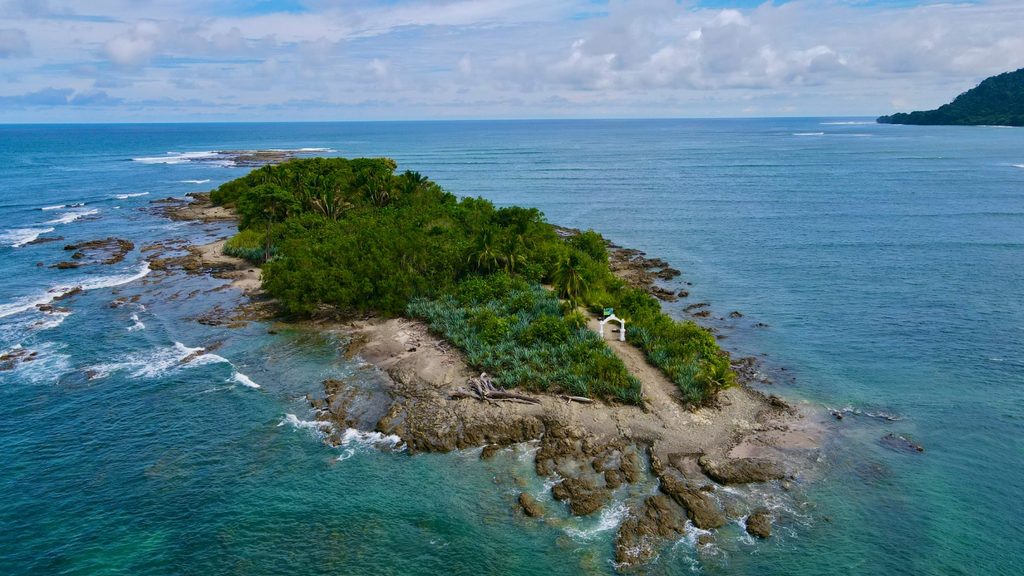
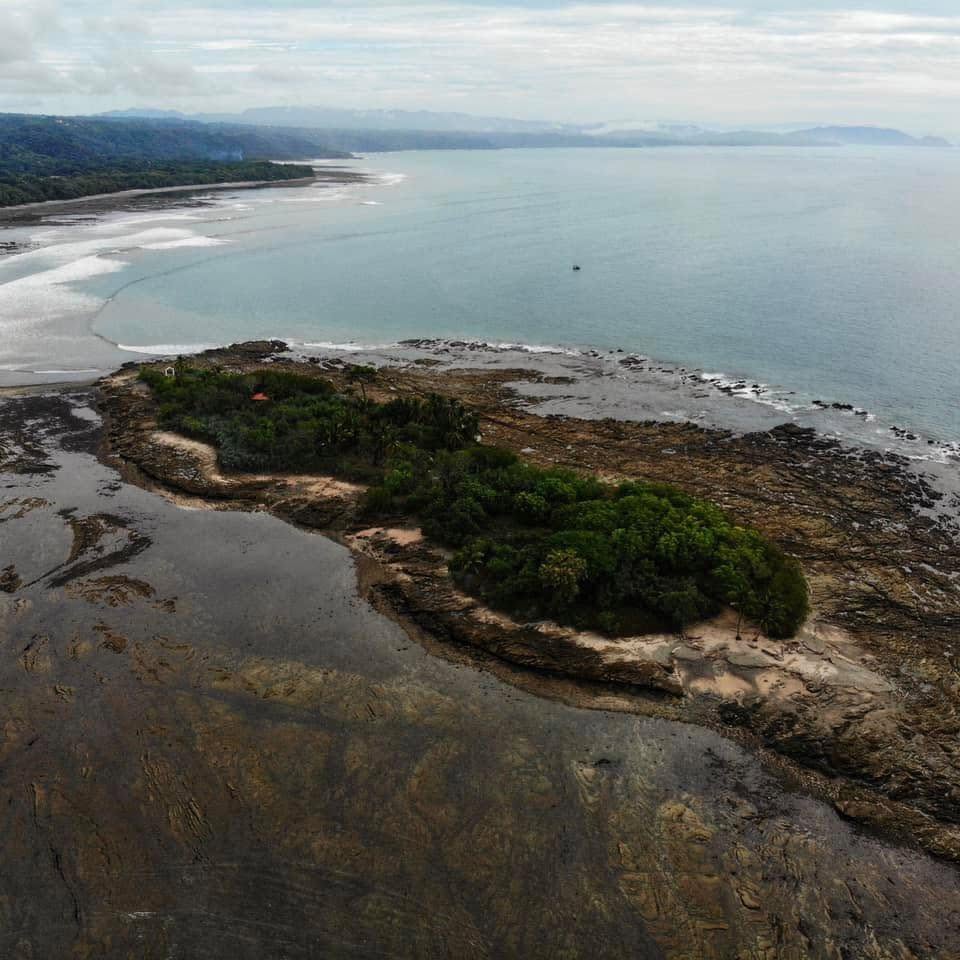
About 100 meters from the coast of Cabuya, at the southern end of the Nicoya Peninsula, lies a small island known as Isla Cementerio or Isla de Cabuya. Its history is linked to the burial practices of the communities that inhabited this area since pre-Columbian times.
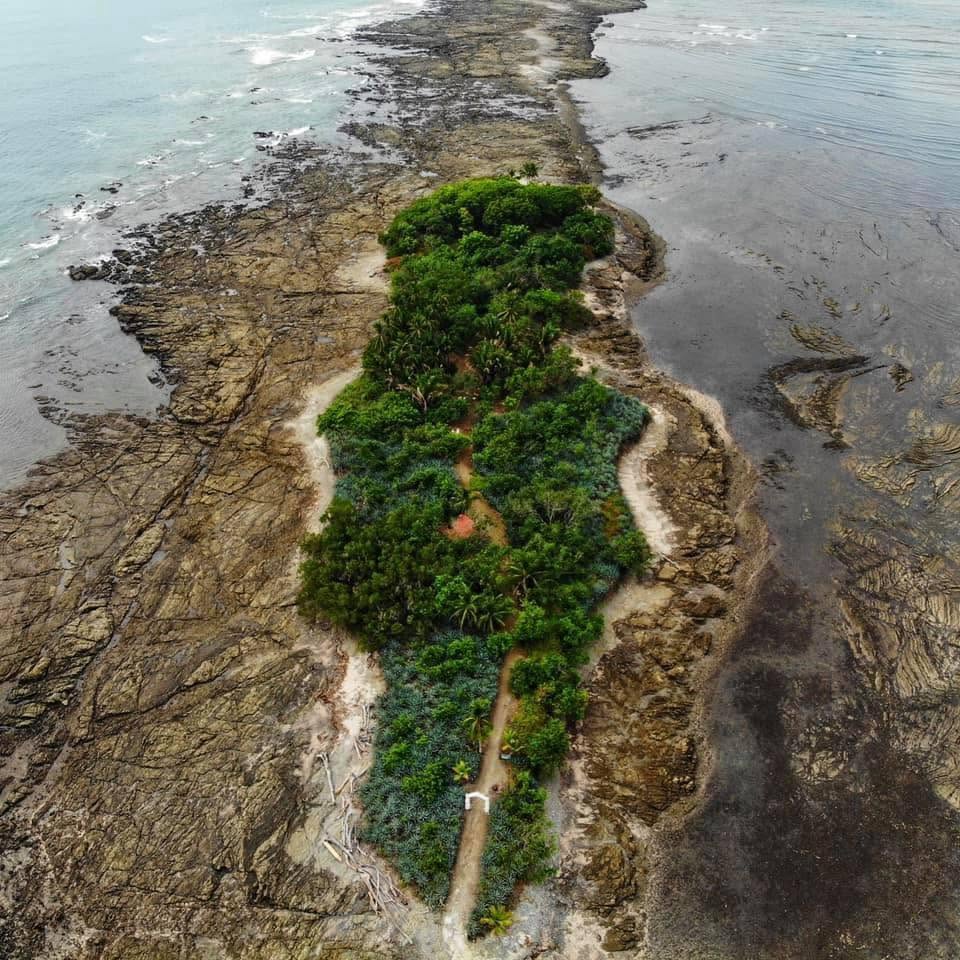
The island is still used as a cemetery and forms part of one of the most distinctive landscapes in this coastal community. At low tide, the rocks connecting the island to the mainland become exposed, making it possible to reach the island on foot.
In addition to its historical importance, the island provides access to waters where visitors can observe fish and other marine species. Its proximity to the Cabo Blanco Absolute Natural Reserve adds to the natural richness of this part of the coast.
An Island Surrounded by Legends
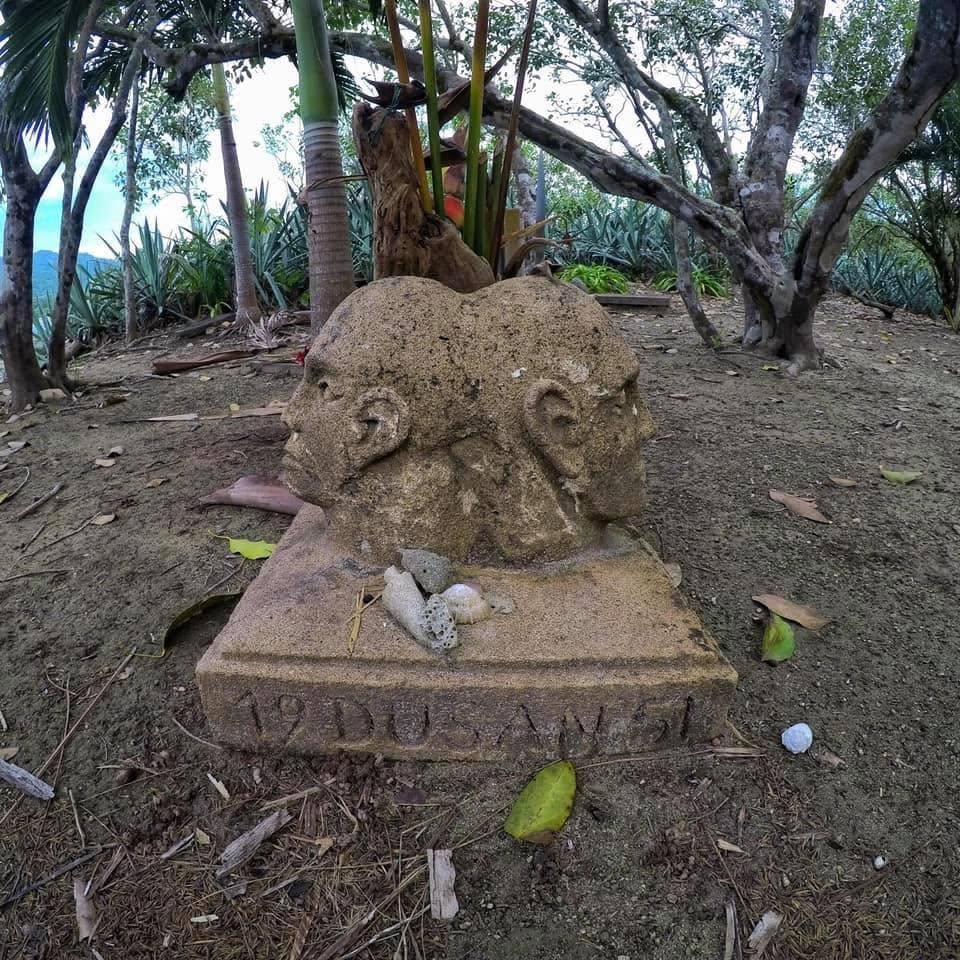
Cabuya’s connection with the island dates back to pre-Columbian times. According to local tradition, Indigenous communities used this small piece of land to bury their dead. When the Spanish colonizers arrived, the site continued to serve as a cemetery.
This history also gave rise to various legends. One local story says that ghosts inhabit the island and appear at night. These stories become especially vivid when funerals take place after dark.
On these occasions, mourners may make their way to the island carrying candles or lights. From the elevated areas around Cabuya, Los Cedros, Delicias, and Montezuma, the lights appear to move across the sea. This scene has added to the mysterious character surrounding Isla Cementerio.
How to Reach Isla Cementerio
Access to the island depends directly on the tides. At low tide, a rocky stretch between the coast and the island becomes exposed, allowing visitors to cross on foot. Before setting out, it is important to check the tide schedule and plan the return trip. Sea levels can change quickly, and the crossing is not accessible throughout the day.
The walk takes place under the sun and over rocky surfaces. For this reason, it is a good idea to bring plenty of water, sun protection, and a hat. Visitors should also walk carefully to avoid slipping. Once on the island, visitors can see the graves and enjoy views of the coast and the Cabo Blanco Absolute Natural Reserve.
Snorkeling and Marine Life
The waters surrounding the island also offer opportunities to observe marine life. The area has hard coral formations and a variety of fish species.
The northern side of the island is one of the area’s snorkeling spots, especially at low tide. You do not always need snorkeling equipment to enjoy the underwater scenery. Fish of different colors can also be seen in the pools that form among the rocks.
Species found in these waters include pufferfish, lobsters, octopuses, and sea turtles. Wildlife should be observed without disturbing the environment. If you lift a rock to see what is underneath, it is important to put it back in its original position. Fishing is not part of the recreational experience at this site.
The Road Between Montezuma and Cabuya
Isla Cementerio is part of a coastal route connecting Montezuma with Cabuya and continuing toward Cabo Blanco. The journey passes several beaches and natural areas of the Nicoya Peninsula.
One of the first highlights is Playa Las Manchas, a small cove with light-colored sand and clear waters. Visitors can swim and observe the seafloor when conditions are suitable. Farther along the coast is Playa Los Cedros, known for its surfing conditions. Its shoreline combines sand, palm trees, and almond trees. Pelicans and other seabirds can also often be seen searching for food in the sea.
The route continues to the Río Lajas. A bridge crosses the river and provides an opportunity to observe birds such as egrets, herons, and kingfishers. There is also a trail of approximately three kilometers that leads upstream to a small waterfall.
The Higuerón de Cabuya
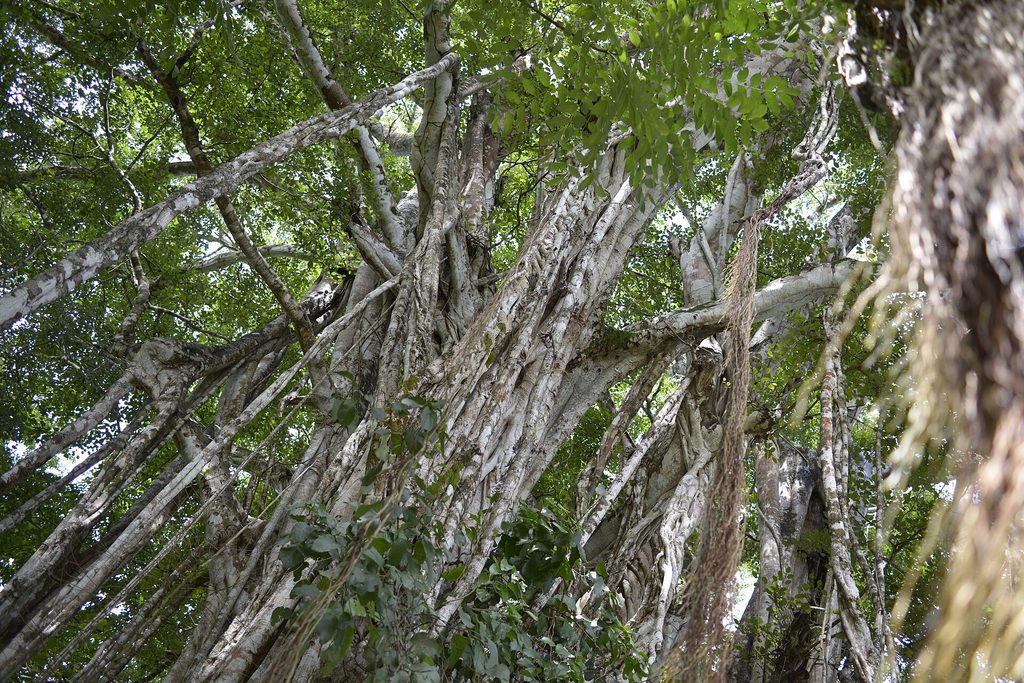
Shortly after the Río Lajas, visitors encounter another natural attraction: the Higuerón de Cabuya. This enormous strangler fig stands out for its size and for the way its roots and branches spread around the trunk.
The tree reaches nearly 40 meters in height and has an approximate diameter of 22 meters. It is considered one of the largest strangler figs in Costa Rica. About seven kilometers after Montezuma, visitors reach the town of Cabuya, from where they can continue toward Isla Cementerio and other attractions in the area.
A Cemetery Between the Forest and the Sea
Isla Cementerio brings together two elements that characterize this region of the Nicoya Peninsula: the memory of the communities that inhabited the territory and the natural richness of its coast.
Its tide-dependent access, ancient burial practices, local legends, and opportunities to observe marine life make the island a distinctive stop along the route between Montezuma and Cabo Blanco.
Sensorial Sunsets
Navigate articles