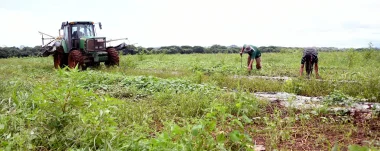

Bird Count Confirms Biological Richness of Costa Rica’s Cubujuquí Corridor
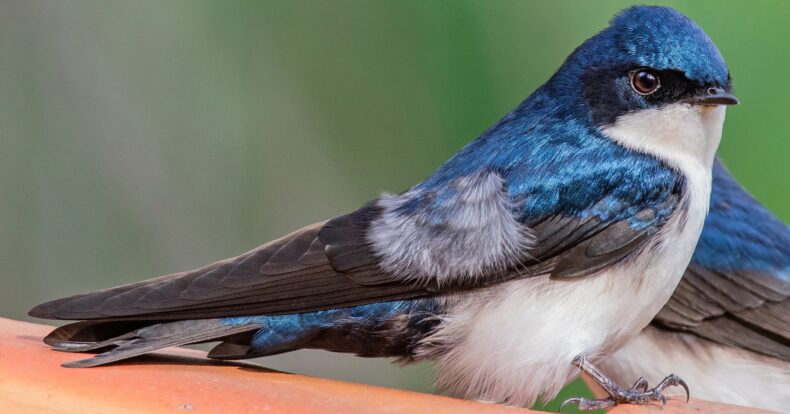

The Cubujuquí Biological Corridor in Costa Rica recorded a total of 2,366 birds from 183 species during its first bird census of 2026, establishing itself as one of the country’s most biodiverse urban conservation corridors. The monitoring took place on April 25 across 15 routes in the provinces of Heredia and Alajuela.
This corridor spans 10 cantons and is part of a national strategy to connect fragmented ecosystems, natural areas, landscapes, and micro-watersheds within urban and semi-urban areas. Its goal is to facilitate the safe movement of wildlife between green spaces while bringing environmental conservation closer to local communities.
Some of the places with the highest number of recorded species included Roble Alto, in San José de la Montaña; the Benjamín Núñez campus of the National University, in Lagunilla de Heredia; and Hacienda Barvak, in Barva. These locations recorded 65, 60, and 57 bird species, respectively.
Hacienda Barvak joins the monitoring effort
One of the most significant findings of the census was the official inclusion of Hacienda Barvak in the corridor’s monitoring routes. In its first survey, the property recorded 327 individual birds, including three endemic species, two aquatic species associated with nearby bodies of water, and two species listed as threatened under Costa Rica’s Wildlife Conservation Law.
The participation of Hacienda Barvak adds a new private conservation area to the Cubujuquí monitoring network. The property’s owners support a reforestation program aimed at restoring forest cover in an area once dominated by coffee plantations through tree planting and water source protection.
At the hacienda, the count was conducted by 13 volunteers under the guidance of conservation and wildlife management specialist Hellen Solís and birding expert Federico Oviedo. Participants recorded their observations using the eBird platform, which compiles data from Costa Rica’s eight interurban biological corridors.
Featured species and national results
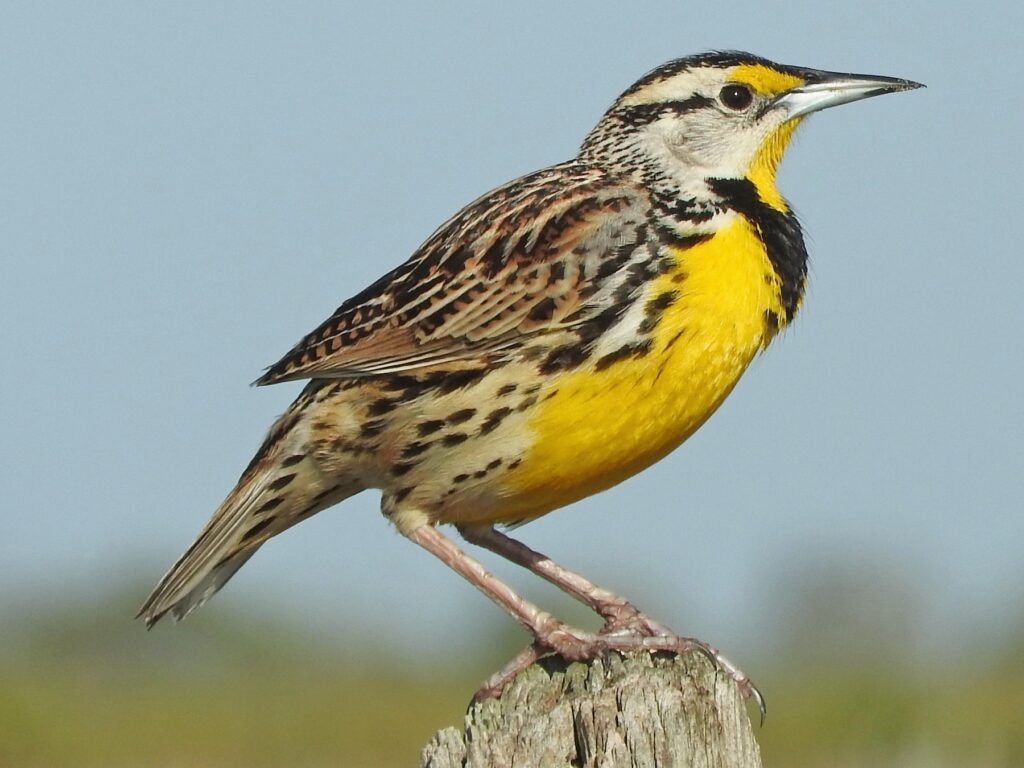
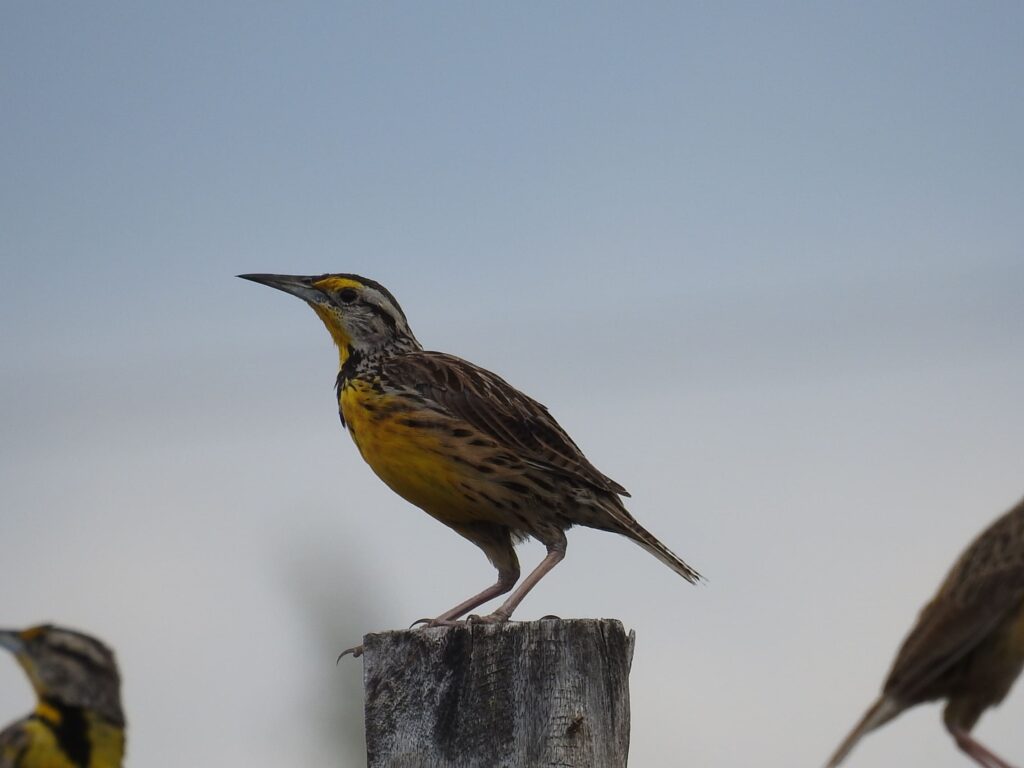
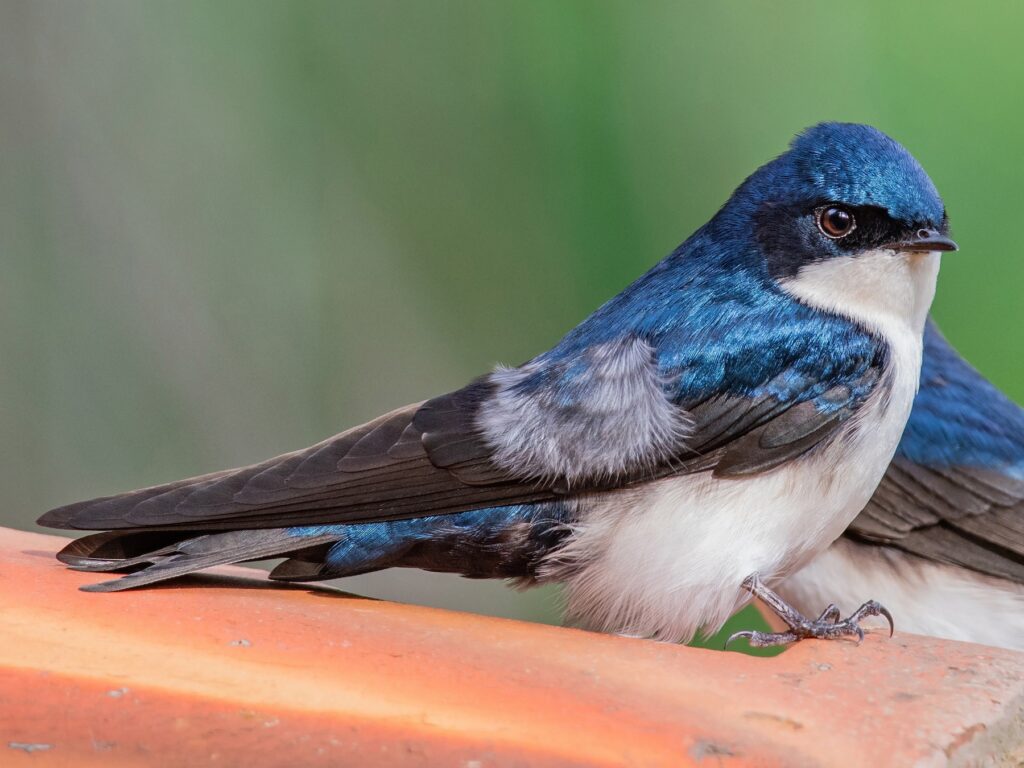
Among the most abundant species observed at Hacienda Barvak were Pygochelidon cyanoleuca, a small blue-and-white swallow, and Sturnella magna, known for its yellow breast and regarded as an indicator of healthy open areas with low pesticide pressure.
Nationwide, the April survey of interurban biological corridors recorded 11,976 birds from 329 species. The corridors with the highest species richness were Cobri Surac, with 211 species; Cubujuquí, with 183; and Bicentenario Tiribí, with 168.
Urban Conservation and Community Participation
The Cubujuquí Corridor is part of the National Biological Corridors Program administered by the National System of Conservation Areas (SINAC). Its local monitoring committee includes representatives from the National University, government agencies, nongovernmental organizations, municipalities, and civil society.
This initiative is also supported by the Organization for Tropical Studies’ “Transition to a Green Urban Economy” project, promoted by the United Nations Development Programme (UNDP).
The census results highlight the important role that urban and peri-urban green spaces can still play in protecting wildlife. In densely populated areas of the Central Valley, corridors such as Cubujuquí demonstrate that it is possible to combine conservation, environmental education, and community participation without excluding human presence.
Sensorial Sunsets
Navigate articles